Colorado Turkey Range and Habitat
Finding wild turkeys in Colorado can feel like a game of hide-and-seek, especially if you're used to hunting in other regions. The diverse and often rugged terrain here means their range and habitat aren't always straightforward. This guide is here to demystify Colorado's turkey populations, helping you understand where to look, what to look for, and how these adaptable birds thrive in our stunning landscapes.
Understanding Colorado's Turkey Subspecies and Their Distribution
Colorado is home to primarily two distinct turkey subspecies: the Merriam's turkey and the Rio Grande turkey. While they share some similarities, their preferred habitats and typical distributions across the state are quite different. Knowing which subspecies you're after can significantly narrow down your search and improve your chances of a successful hunt.
The Majestic Merriam's Turkey
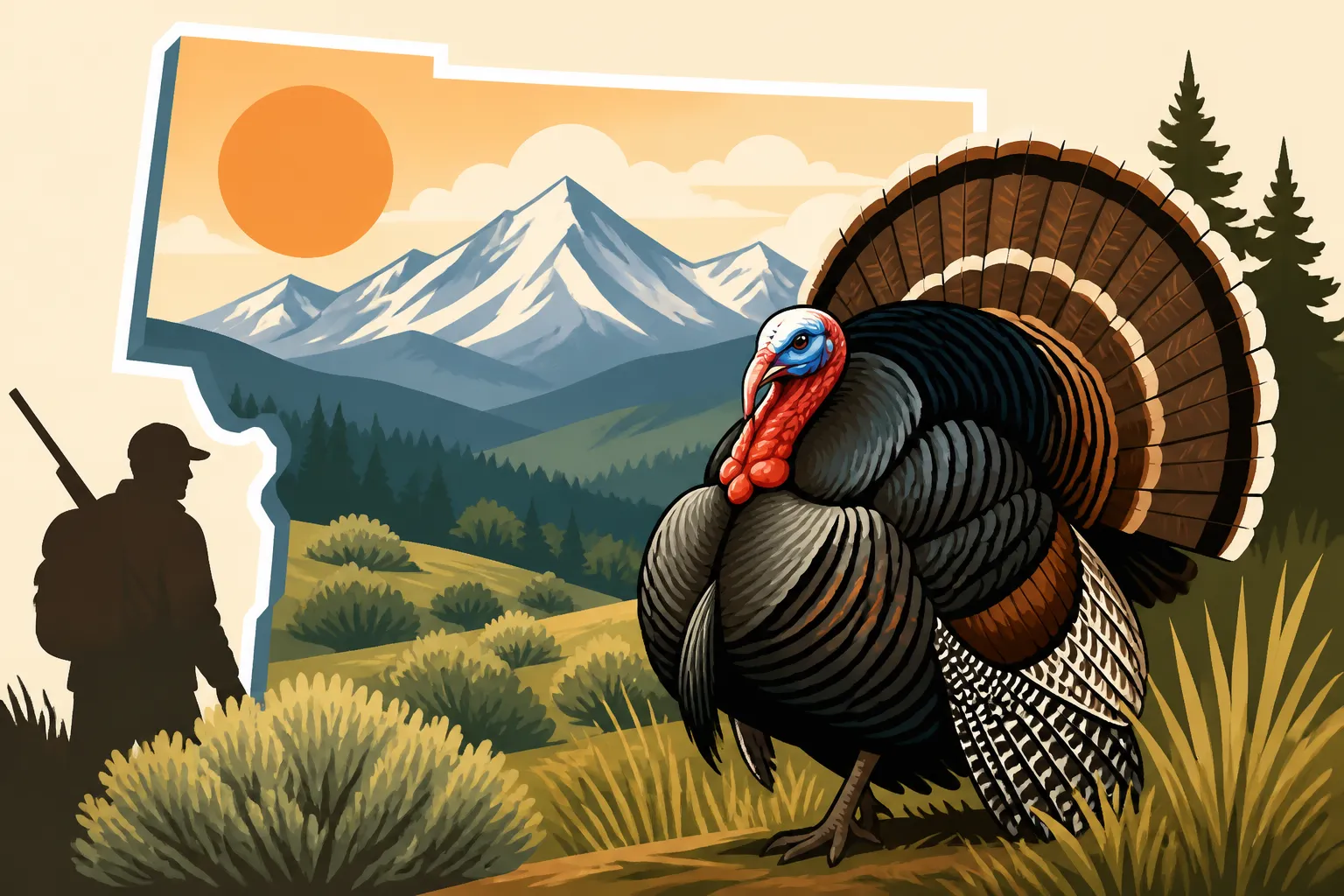
The Merriam's turkey is what most people picture when they think of Colorado wild turkeys. These birds are renowned for their striking white-tipped tail feathers, often accompanied by a lighter body plumage compared to other subspecies. They are truly birds of the mountains and foothills, perfectly adapted to higher elevations and the forested landscapes that define much of western and central Colorado. You'll typically find Merriam's thriving in mature ponderosa pine forests, mixed conifer stands, and oak brush country. Areas like the southwest mountains around Durango, the Uncompahgre Plateau near Montrose, and the expansive forests of the San Juan National Forest are prime Merriam's habitat. They prefer areas with a good mix of mature trees for roosting, open meadows or clearings for feeding on insects and seeds, and dense undergrowth for nesting and cover. Their adaptability allows them to range from around 6,000 feet up to 10,000 feet, sometimes even higher during the warmer months, making them a true high-country challenge.
The Resilient Rio Grande Turkey
In contrast, the Rio Grande turkey is more commonly found in the riparian corridors and agricultural lands of Colorado's eastern plains and some specific river bottoms on the Western Slope. These birds typically have buff or tan-tipped tail feathers and a darker, more iridescent body plumage. They are less associated with dense timber and prefer the brushy cover along rivers and creeks, agricultural fields, and cottonwood galleries. Think of areas along the South Platte River, Arkansas River, and their tributaries on the Eastern Plains. Their habitat often includes a mosaic of cultivated fields for foraging, dense willows and cottonwoods for roosting, and adjacent grasslands. While they might occasionally venture into foothill environments, their core range is decidedly more flatland-oriented, relying on water sources and dense cover for survival. The transition zones, where eastern plains meet western foothills, can sometimes see a slight overlap or hybridization between Merriam's and Rio Grandes, but generally, their ranges are quite distinct.
Prime Turkey Habitats Across Colorado's Diverse Regions
Colorado's landscape diversity directly dictates where you'll find healthy turkey populations. From towering mountain ranges to sprawling plains, each region offers specific habitat characteristics that turkeys seek out. Understanding these regional distinctions is key to focusing your scouting efforts.
Mountain and Foothill Forests
For Merriam's turkeys, the mountain and foothill forests are their bread and butter. Ponderosa pine forests are particularly crucial, providing both ample roosting trees and a consistent food source of pine seeds. Often, you'll find these birds utilizing south-facing slopes in the spring, as these areas melt out faster and offer earlier green-up of forage. Key areas include the vast national forests like the Pike-San Isabel National Forest, Roosevelt National Forest, and White River National Forest. These birds thrive where open meadows intersect with dense timber, offering security and sustenance. During the spring, gobblers are often heard bugling from their roosts in these tall pines, calling to hens in the surrounding clearings. Look for areas with abundant mast crops like acorns from scrub oak, which are vital food sources, especially in the fall. Access can be challenging, often requiring hiking into steeper terrain, but the reward of a Merriam's in its natural environment is unparalleled. This is where knowing how to physically prepare for Colorado elk can also benefit your turkey hunting aspirations.
Riparian Corridors and Agricultural Edges
The Rio Grande turkeys, on the other hand, are masters of the river bottoms and agricultural interfaces. These habitats provide the perfect blend of cover, water, and food. The dense stands of cottonwood, willow, and Russian olive along rivers like the South Platte, Arkansas, and Republican offer excellent roosting sites and escape cover from predators. Adjacent agricultural fields, especially those growing corn, wheat, or sunflowers, provide a bounty of food sources throughout the year. Farmers' fields, even after harvest, offer spilled grain that turkeys readily exploit. When scouting these areas, pay close attention to creek bottoms, irrigation ditches, and areas where crops meet brushy draws. These birds often establish predictable patterns, moving between roost sites in the river bottoms and feeding areas in the fields. While much of the Eastern Plains is private land, the Colorado Parks and Wildlife (CPW) Walk-In Access Program and some State Wildlife Areas (SWAs) provide crucial public access to these prime Rio Grande habitats.
Mixed Oak Brush and Canyonlands
Beyond the classic pine forests and river bottoms, certain areas of Colorado offer unique mixed oak brush and canyonland habitats that are highly productive for turkeys, particularly Merriam's. The pinyon-juniper zones, mixed with Gambel oak, provide dense cover and a diverse food palette. These areas are often found on mesas and plateaus, offering rugged terrain and plenty of hiding spots. The mesa country on the Western Slope, including areas like the Grand Mesa and parts of the Uncompahgre Plateau, feature these mixed ecosystems. Turkeys here utilize the canyons for thermal protection and roosting, while foraging on the mesa tops and benches. This type of habitat can be challenging to hunt due to its broken topography, but it often holds less hunter pressure. A good e-scouting session with a tool like GoHunt can reveal these often-overlooked pockets of prime turkey habitat. Look for water sources within these dry landscapes, as turkeys will congregate around them, especially in hotter weather.
| Subspecies | Primary Habitat Type | Typical Elevation Range | Key Food Sources | Roosting Preferences |
|---|---|---|---|---|
| Merriam's Turkey | Ponderosa Pine/Mixed Conifer, Oak Brush, Foothills | 6,000 – 10,000+ ft | Pine nuts, acorns, seeds, insects, wild berries | Tall mature conifers, large hardwoods |
| Rio Grande Turkey | Riparian Corridors, Agricultural Edges, Cottonwood Galleries | 3,500 – 6,500 ft | Cultivated grains (corn, wheat), seeds, insects, berries | Large cottonwoods, willows, dense brush |
Seasonal Movements and Behavior in Relation to Habitat
Turkeys are highly adaptable, but their behavior and movements are intrinsically linked to the changing seasons and the resources available within their habitat. Understanding these seasonal shifts is paramount for consistent hunting success.
Spring: The Time for Love and Gobblers
Spring is prime turkey hunting season in Colorado, coinciding with the breeding season. During this time, gobblers are vocal and driven by the urge to breed, making them more predictable in terms of location. They will often be found in relatively open areas adjacent to dense cover, where they can display for hens and be heard from a distance. Their daily routine often involves roosting in tall trees at night, descending at dawn to open meadows, clearings, or field edges to gather hens, and then moving back into cover for midday activities. You'll find them concentrating in areas that offer good visibility, abundant insects and early greens, and safe roosting sites. Hens will begin nesting in concealed locations on the ground, often near water or dense brush, so avoiding disturbance of these areas is important. Learning how to call turkey can be incredibly effective during this period, as gobblers are responsive to hen calls and even shock gobbles.
Fall: Flocking Up and Foraging
As summer transitions into fall, turkey behavior shifts dramatically. The large spring flocks disperse somewhat, but birds generally start to congregate into larger, often sex-segregated, flocks. Gobblers might form bachelor groups, while hens and poults stay together. Their focus turns heavily towards foraging to put on weight for the colder months. This means they will heavily utilize areas with abundant food sources, whether it's acorns in an oak stand, spilled grain in an agricultural field, or late-season berries. Their range might expand as they search for these resources, and they become less vocal than in spring, making them more challenging to locate. Hunting in the fall often involves more scouting to locate these feeding flocks and then employing tactics like breaking up a flock and calling them back together, or still-hunting through known feeding areas. Identifying active feeding sign like scratching, droppings, and dusting bowls becomes crucial. For fall hunting, understanding late-season elk hunting tactics might give you some transferable skills for navigating challenging terrain, as many areas can overlap.
Key Considerations for Scouting and Hunting Turkey Habitat
Effective turkey hunting isn't just about showing up; it's about understanding the nuances of their habitat and how to leverage that knowledge. Thorough scouting, both before and during your hunt, is invaluable.
Pre-Season E-Scouting and Map Study
Before you even set foot in the field, modern tools can give you a significant advantage. Using online mapping resources like the Colorado Hunting Atlas or a specialized platform like GoHunt, you can identify potential turkey habitat. Look for areas with a good mix of timber and openings for Merriam's, or riparian corridors adjacent to agricultural fields for Rio Grandes. Pay attention to elevation changes, water sources, and road access. Topographical maps can reveal benches, saddles, and draws that turkeys might use for travel or feeding. Identifying potential roosting sites – usually the tallest trees on a ridge or in a river bottom – is a critical first step. This digital scouting can save you countless hours of unproductive walking. Also, understanding Colorado Hunting Units (GMUs) Explained is essential to ensure you're scouting and hunting in legal and appropriate areas for your tag.
Boots-on-the-Ground Scouting
No amount of e-scouting can replace actual time in the field. Before your hunt, or at the very least, a day or two prior, get out and walk the areas you've identified. Look for fresh turkey sign: tracks in soft dirt, droppings (gobblers leave J-shaped droppings, hens leave more rounded ones), dusting bowls (areas where they've fluffed their feathers), and wing feathers. Listen for gobblers at dawn or dusk, often referred to as "roosting a bird." Confirm roost trees and feeding areas. Pay attention to the subtle cues of the landscape and how turkeys might be using it for cover, travel, and foraging. Remember, turkeys have excellent eyesight, so moving quietly and observing from a distance is important. Knowing how to move quietly through Colorado timber can benefit you here, whether you're hunting elk or turkeys.
Adapting to Local Conditions and Hunter Pressure
Colorado's turkeys, especially on public lands, can be pressured, and they learn quickly. If an area receives a lot of attention, birds might become "call shy" or move into thicker, harder-to-reach terrain. Being flexible and ready to adapt your approach is crucial. If the birds aren't responding to calls, consider a spot-and-stalk approach, especially in open country, or setting up an ambush along a travel corridor. In areas with high hunter numbers, focusing on mid-day hunting, when many hunters are taking a break, can sometimes yield results, or seeking out more remote, harder-to-access areas identified during your GoHunt scouting. Weather can also play a huge role; turkeys might be less active or vocal on windy or rainy days, but a warm, clear morning after a cold spell can get gobblers fired up. Knowing How to Hunt Elk on Public Land Pressure can offer valuable insights into managing expectations and strategies when sharing the woods with other hunters, a reality that applies equally to turkeys.
Disclaimer
Hunting is a challenging and inherently dangerous activity. Always prioritize safety, adhere to all Colorado Parks and Wildlife regulations, and respect private land. This guide provides general information and should not replace official state regulations or sound judgment in the field. Always carry appropriate safety gear and be prepared for rapidly changing mountain weather and conditions.