Colorado Elk Bugling Explained
For many hunters, hearing that first bugle ripple through the crisp Colorado mountain air is the moment the elk season truly begins. It’s a sound that stirs the soul, ignites the chase, and can be utterly thrilling—yet also incredibly confusing. You might wonder if it’s a bull coming in hot, a challenge bugle to another elk, or just a lone bull talking to himself a mile away. Deciphering these vocalizations and understanding how to use them effectively is a skill that takes time, patience, and a deep dive into the world of elk communication. This comprehensive guide will break down the nuances of Colorado elk bugling, helping you understand what you're hearing, when you're hearing it, and how you can use these insights to turn a silent forest into an electrifying encounter.
The Intricate Language of Elk Bugles
Elk don't just "bugle"; they engage in a complex symphony of sounds, each with its own meaning and intention. Understanding these different vocalizations is like learning a new language, crucial for effective communication in the field. It’s not enough to just hear a bugle; you need to understand what that bull is trying to say.
Breaking Down the Anatomy of a Bugle
A full-blown bull elk bugle is far from a simple call. It’s often a multi-part vocalization, a complex message delivered with purpose. Missing one piece of this puzzle can lead to misinterpretation and, potentially, a missed opportunity.
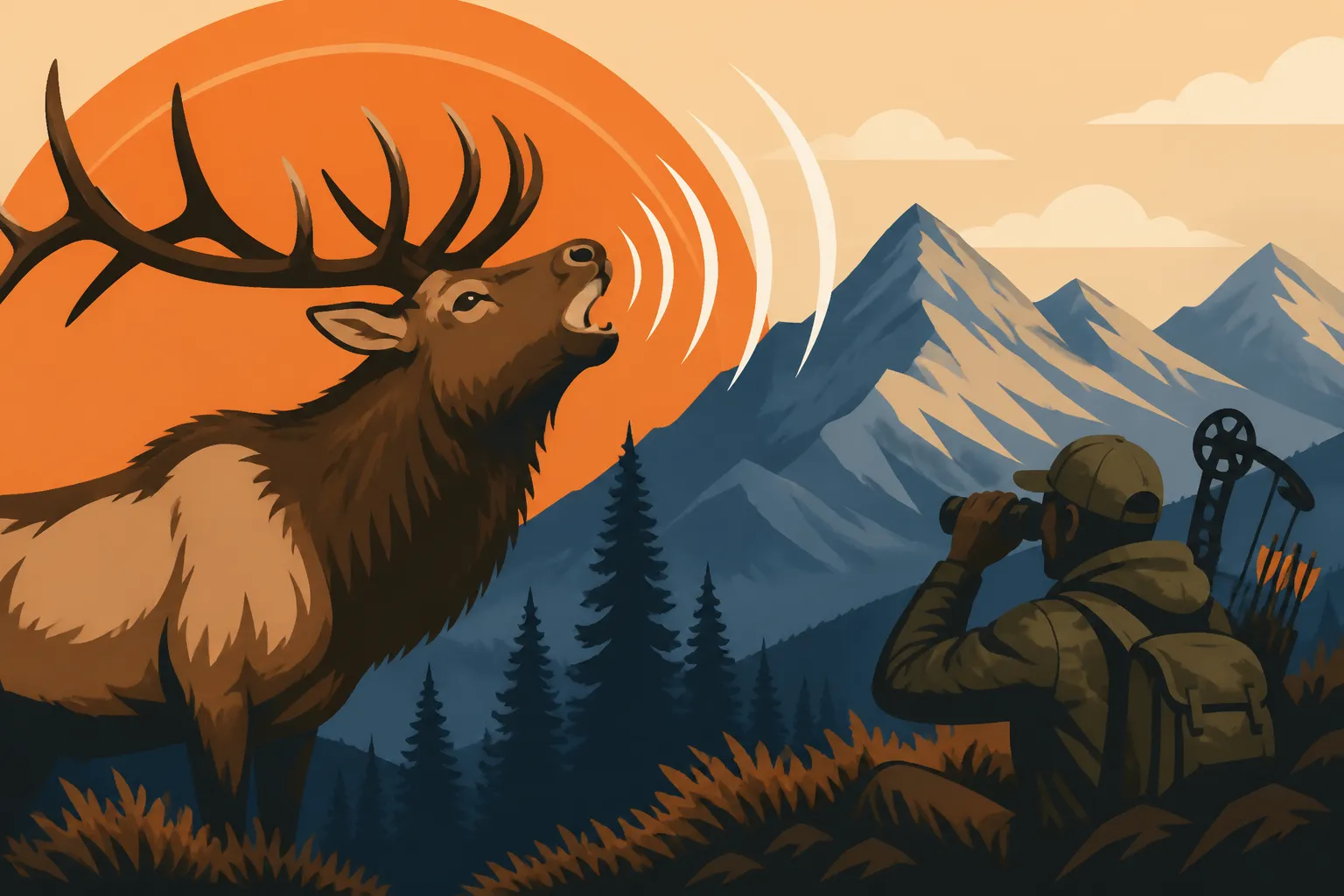
Imagine standing on a ridge in a Colorado national forest, the first light painting the peaks, when you hear it. The initial sound is usually a deep, guttural roar, almost a groan, that vibrates through the timber. This is often followed by a high-pitched whistle or scream that carries for miles, a truly iconic sound of the Rockies. As the bugle concludes, you might pick up a series of grunts or chuckles, indicating the bull’s close proximity or his challenge. The context of these various sounds, how loud they are, and their cadence, all contribute to the message. A bull might start with a soft, questioning grunt, then escalate to a full-blown scream if he feels challenged or is trying to locate cows. These nuances are what make elk calling an art form rather than a simple imitation.
Understanding Why Bulls Bugle
Elk bugling isn't just for show; it's a vital communication tool, especially during the rut. Each bugle serves a specific purpose, whether it's advertising dominance, locating other elk, or challenging rivals.
The primary driver for bugling is often territorial and reproductive. A bull will bugle to announce his presence and strength, letting other bulls know he’s in the area and ready to defend his harem or claim his breeding rights. This is especially true of mature herd bulls, who will use their powerful bugles to keep their cows rounded up and to deter younger, satellite bulls from encroaching. Another common reason is simply locating other elk. A bull might let out a bugle to see if there are any receptive cows nearby, or if other bulls respond, giving him a read on the competition. In some cases, a bull might bugle in response to perceived danger, alerting the herd, though this is less common than bugles associated with the rut. As hunters, knowing the "why" behind the bugle helps us predict the bull's next move and tailor our calling strategy accordingly.
Differentiating Bull, Cow, and Calf Vocalizations
While the bull bugle is the star of the show, understanding the full spectrum of elk calls, including those of cows and calves, is essential for painting a complete picture of the herd's behavior.
Cows and calves typically communicate through mews, chirps, and shorter, less aggressive grunts. A cow's mew is softer, often a plea for contact or a sign of contentment, while a calf's chirp is higher-pitched and sounds more urgent, usually when it's looking for its mother. Hearing these sounds in conjunction with a bull's bugle can tell you a lot about the entire herd's disposition. For instance, if you hear a bull bugling aggressively, surrounded by excited cow mews, you know you've likely found a breeding herd with an active herd bull. Conversely, if you only hear sporadic, distant bugles without any cow talk, it might indicate a lone bull or a bachelor group. Many successful hunters blend bull bugles with subtle cow calls, creating a realistic scenario that can lure in even the wariest of bulls. For more insights on this, you might want to read our guide on how to call elk in Colorado.
Timing is Everything: When Colorado Elk Bugle
The intensity and frequency of elk bugling in Colorado are highly dependent on the time of year, primarily revolving around the rut. Knowing which phase of the rut you’re in will drastically influence how you interpret and respond to a bugle.
Early Archery Season Bugles
As summer transitions into fall, and the first archery seasons open in Colorado, the elk are just beginning to feel the urge of the rut. This period, often in late August and early September, offers a unique bugling dynamic.
During the early archery season, bulls are generally still in bachelor groups, feeding heavily to build up reserves for the impending rut. You’ll hear bugles, but they're often more of a "locating" or "social" call rather than a full-blown challenge. A bull might bugle to gather his buddies, or to announce his presence in a feeding area. They aren't usually guarding cows yet, so they can be more susceptible to aggressive calling from a hunter who sounds like another bull trying to invade their space. Hunters who focus on locating elk before opening day, often using tools like GoHunt's detailed maps to pinpoint potential areas, can capitalize on these early season bugles. They can be very responsive if you sound like a competitor, but they might not commit as hard as a rut-crazed bull later in the season. It’s about convincing them there’s another bull in their feeding or bedding area.
Peak Rut Bugling Frenzy
This is what most people picture when they think of elk hunting: screaming bulls, constant communication, and an almost palpable intensity in the mountains. The peak rut is a glorious, noisy, and often frustrating time to hunt Colorado elk.
Typically occurring from mid-September through early October, the peak rut is when bulls are actively breeding cows, establishing harems, and fiercely defending them. The bugling is almost non-stop, echoing through the canyons and timber. Every bugle is usually a challenge, an advertisement of dominance, or a declaration of a bull’s intentions to keep his cows. Bulls can be incredibly responsive during this time, often charging in to confront a perceived rival. However, they can also be wary and hang up, especially if they’ve been pressured. The sheer volume of bugles can make it hard to pinpoint a specific bull, and hunters need to learn how to decipher what a hot bull sounds like versus one that’s just talking from a distance. Our guide on Archery Elk Tactics for the Rut delves deeper into how to approach this chaotic but rewarding period.
Post-Rut and Late Season Calls
Once the peak of the rut has passed, usually by mid-October, the character of elk bugling changes dramatically. The cows are bred, the bulls are exhausted, and the urgency dissipates.
In the post-rut, bulls are often worn down from weeks of fighting, breeding, and not eating much. Their bugles become less frequent, less intense, and often serve a different purpose. You might hear lone, plaintive bugles as bulls try to re-establish contact with others or simply express their presence. They are looking to recover and feed, and less interested in confrontation. Later in the season, particularly during Colorado's 4th rifle season, bugles are rare, but not impossible. Sometimes a secondary rut can occur, or a bull might bugle in response to extreme weather or being separated from his herd. These late-season bugles are often more subtle and require a different calling approach, focusing on social curiosity rather than aggressive challenge. Knowing how to hunt elk after the rut is critical for success during these quieter periods.
Interpreting Elk Bugles in the Field
Hearing a bugle is just the first step. The true skill lies in understanding what that specific bugle means and how the bull is behaving, allowing you to react appropriately and increase your chances of success.
What a Bugle Can Reveal
Every bugle is a data point, offering clues about the bull's size, mood, location, and even what he’s currently doing. Learning to "read" these vocalizations will put you leagues ahead of those who simply hear a noise.
A deep, throaty roar followed by a powerful, drawn-out scream with a lot of chuckles often indicates a large, mature bull who is confidently proclaiming his dominance. Conversely, a higher-pitched, less powerful bugle might come from a younger, satellite bull trying to sound tougher than he is. Listen for the intensity and the consistency of the bugle. Is it a series of rapid, aggressive bugles, suggesting a bull that's ready to fight? Or is it a single, distant, questioning bugle, indicating a bull trying to locate others? The direction of the bugle is obvious, but also try to gauge its proximity. Does it sound like it's coming from a steep hillside, or from thick timber? Tools like the Colorado Hunting Atlas can help you visualize the terrain a bugle is coming from, giving you an edge in planning your approach. The more details you can gather from a bugle, the better your tactical response will be.
Listening for Multiple Bulls
In prime Colorado elk country, you're rarely dealing with just one bull. Often, several bulls will be interacting, and understanding these multiple vocalizations is key to understanding the herd dynamics.
When you hear several bugles, try to distinguish individual voices. Are there two distinct bugles challenging each other? Is one bugle closer and more dominant, with a weaker, more hesitant bugle further off? This can tell you about the pecking order and potentially lead you to a dominant bull that has satellite bulls skirting his harem. Sometimes, you'll hear what sounds like a "bugle train"—multiple bulls responding to each other, creating a cascade of sound. This often indicates a large concentration of elk, but also potentially high hunter pressure. Observing these interactions helps you decide whether to focus on the dominant herd bull, or try to slip in on a satellite bull trying to pick off stray cows. This ability to mentally map out the bugling landscape is crucial for strategic movement.
Responding to Different Bugle Types
Your response to a bugle should never be a one-size-fits-all approach. Matching the intensity and emotion of the bull you're hearing is paramount to success.
If you hear an aggressive, challenging bugle from a bull that sounds like he's spoiling for a fight, you might want to mirror that aggression with a strong, confident bugle of your own, especially if you’re using a bugle tube. However, if the bull sounds hesitant or distant, an overly aggressive bugle from you might scare him off. In those cases, a softer, more inquisitive bugle, or even a cow call, might be more effective in drawing him in. Think of it as a conversation: you wouldn't yell at someone who's speaking softly, would you? Pay attention to the cadence too. Is the bull bugling every minute, or only every ten minutes? Adjust your calling frequency to match, aiming to sound natural and not like a hunter with a bugle in hand. Learning to "speak their language" effectively is a cornerstone of the guide on How to Set Up on a Bugling Elk.
| Bugle Type | Description | Possible Meaning | Hunter's Response (General) |
|---|---|---|---|
| Locator Bugle | Often a single, drawn-out scream/whistle. | Trying to locate other elk (cows or bulls). | Respond with a soft bugle or cow call; gauge reaction. |
| Challenge Bugle | Aggressive, throaty roar, full scream, chuckles. | Asserting dominance, challenging rival bulls. | Match aggression with a confident bugle; prepare for approach. |
| Estrus Bugle | Short, sharp, higher-pitched scream. | Herd bull excited by a hot cow. | Combine cow calls with aggressive bugles to sound like a rival. |
| Assembly Bugle | Repeated, moderately aggressive bugles. | Gathering cows or other bulls; trying to round up harem. | Respond as a satellite bull trying to intercept. |
| Post-Rut Bugle | Infrequent, less powerful, sometimes questioning. | Lone bull, tired, possibly seeking company or a new herd. | Use soft cow calls, subtle bugles; appeal to curiosity/loneliness. |
| Grants/Chukles | Guttural, close-range sounds. | Close proximity, aggression, or contentment. | Often indicate a bull is very close; get ready to shoot. |
Common Colorado Elk Bugling Scenarios
Elk calling rarely goes exactly as planned. Hunters frequently encounter a variety of scenarios, each demanding a nuanced approach. Understanding these common situations can help you react decisively and confidently.
Dealing with the "Hot" Bull Scenario
There's nothing quite like a "hot" bull—one that responds aggressively, closes the distance quickly, and seems genuinely agitated by your presence. This is the scenario every elk hunter dreams of.
You've just let out a bugle, perhaps a challenging one, and immediately, an enraged bull screams back, his bugle cutting you off mid-call. He might follow up with a series of grunts, thrashing sounds, or even a tree rub. This bull is hot, potentially a herd bull with cows, and he’s coming to investigate or fight. In this situation, your best bet is to hold your ground, sound slightly less aggressive but still present, and prepare for a shot. Let the bull come to you. He’s already committed. You can use soft cow mews to finalize the draw, making him think a cow is nearby. The biggest mistake is to keep bugling aggressively, making him think you’re moving away, or to stop calling altogether, which might make him lose interest. Knowing how to set up on a bugling elk in this scenario is key, using terrain and wind to your advantage as he closes the distance.
The Frustrating "Hang-Up" Bull
On the flip side of the "hot" bull is the infamous "hang-up" bull. This is the elk that bugles back, sounds interested, but simply won’t commit, staying just out of sight or range. It's a frustrating but all too common situation.
You might hear a bull bugling consistently, but he just doesn't seem to get closer than 100-200 yards. He's heard your calls, he's interested, but something is holding him back. This could be anything from a thick patch of timber he doesn't want to leave, a strong thermal wind swirling your scent, or simply a cautious disposition. To deal with a hang-up bull, you often need to change your strategy. Instead of continuing to challenge him from a fixed position, try to become more elusive. Back off slowly, continuing to call softly, making him think the "other bull" (you) is leaving with his cows. This can sometimes trigger him to finally commit. Alternatively, try a different approach like silent stalking in his direction if conditions allow, as detailed in our How to Still-Hunt Colorado Timber guide, or incorporating a decoying strategy. Patience and adaptability are crucial here.
Locating Silent Bulls with a Bugle
Sometimes, the woods are silent. No bugles, no cow mews, just the wind through the pines. But silence doesn’t mean elk aren't there. A well-placed "blind" bugle can sometimes reveal their presence.
When you're in an area that looks promising—good feed, water, bedding cover, perhaps fresh sign—but you haven't heard a peep, a locator bugle can be your best friend. This isn't an aggressive challenge; it's a confident, yet non-threatening bugle designed to elicit a response without putting a bull on high alert. You might pick a high point, let out a single bugle, and then wait patiently, often for 10-15 minutes, listening intently for a response. The goal isn’t to call a bull in, but to find out where he is. Once you get a response, then you can formulate your approach. This tactic is especially useful during the early season or in areas with high hunting pressure where elk tend to go quiet. Understanding how to find elk when they go quiet is a game-changer for many hunters.
Mastering Your Own Bugle Calls for Colorado Elk
You’ve learned to listen, now it’s time to learn to speak. Becoming proficient with your own bugle calls is about more than just making noise; it’s about mimicking the diverse vocalizations of a bull elk with realism and confidence.
Choosing and Using Different Bugle Calls
There’s a wide array of bugle calls available, and each has its pros and cons. Finding the right tool for your style and the situation is paramount.
The most common types include diaphragm calls, external reed calls, and bugle tubes. Diaphragm calls, held in your mouth, offer incredible realism and versatility, allowing you to seamlessly transition from screams to chuckles without moving your hands, which is great when a bull is close. However, they can take a lot of practice to master. External reed calls, often held to the mouth of a bugle tube, are easier to learn and can produce powerful, realistic bugles. Bugle tubes amplify your sound, allowing your calls to carry further across the vast Colorado landscape. Many hunters carry a combination of these calls, allowing them to adapt to different scenarios. For example, you might use a bugle tube with an external reed to locate a bull from a distance, then switch to a diaphragm call for more subtle, close-range finishing sounds. Our guide on how to bugle for Colorado elk provides an in-depth look at these tools.
Practicing Realistic Bugles
Just like any instrument, an elk call requires practice, practice, and more practice. The goal isn’t just to make the sound, but to make it sound like an elk.
One of the biggest mistakes novice callers make is rushing their bugles or producing unnatural, monotone sounds. A realistic bugle has inflection, volume changes, and a natural cadence. Listen to recordings of actual elk bugles—there are plenty available online, even on platforms like YouTube—and try to imitate them. Pay attention to the start, the middle, and the end of the bugle, incorporating the growl, the whistle, and the grunts. Practice varying the length and intensity of your bugles. A soft, questioning bugle is very different from an aggressive, challenging one. Practice in different environments too, understanding how sound travels in open meadows versus dense timber. The more your bugles sound like the real thing, the more confidence you’ll have in the field, and the more likely you are to get a positive response.
Common Bugling Mistakes to Avoid
Even experienced hunters can make mistakes when bugling. Being aware of these common pitfalls can help you fine-tune your technique and avoid spooking a wary bull.
One of the most frequent mistakes is overcalling. If you’re bugling every minute, you're not sounding like a natural elk; you're sounding like a hunter with a call. Elk communicate, but they don't constantly scream at each other. Another pitfall is unrealistic sounds. A poorly executed bugle, one that sounds too metallic or too human, will send elk running. Ensure your calls are clean and consistent. Finally, hunters often make the mistake of bugling from a poor position. Always consider the wind direction, the terrain, and your backdrop. Bugling from an exposed ridge where a bull can easily spot you, or with swirling winds that carry your scent, is a recipe for disaster. Using the wind hunting Colorado elk correctly is as important as the call itself. Always bugle with a purpose, with a plan for what to do if an elk responds, and be ready to adapt.
Integrating Bugling with Other Hunting Strategies
Bugling is a powerful tool, but it's most effective when integrated into a broader hunting strategy. It's one piece of the puzzle, and knowing how it fits with other tactics can dramatically improve your success rate in Colorado.
Combining Bugling with Movement
Elk are constantly moving, so relying solely on stationary calling can be limiting. Integrating your bugling with strategic movement is often the key to closing the distance.
This technique, often called "bugle-and-move" or "run-and-gun," involves moving through elk country, pausing periodically to let out a bugle, and then moving again. This can be especially effective when you're trying to cover a lot of ground in search of a hot bull, or when you're trying to cut off a traveling herd. When you get a response, assess the situation. If the bull sounds receptive and is moving your way, you might slow down, set up, and let him come. If he's hanging up, or moving away, you might need to try a flanking maneuver, calling softly as you move to get ahead of him. Remember to always use the terrain to your advantage, staying out of sight and minimizing noise as you move. A guide to spot-and-stalk hunting in Colorado outlines similar movement strategies that can be adapted for calling.
Strategic Setups and Wind Considerations
Where and how you set up when calling is just as important as the call itself. The wind is always your enemy, and the terrain is your ally.
Before you ever let out a bugle, take a moment to assess your surroundings. What’s the wind doing? Where is the elk likely to approach from? Where can you conceal yourself? You want to position yourself so that the wind is in your face, carrying your scent away from the direction the elk will be coming from. This often means calling from a downwind position. Use natural cover like thick timber, boulders, or even changes in elevation to break up your silhouette. When you anticipate a bull approaching, set up with an open lane for a shot, but also with escape routes if necessary. Understanding how to use thermals in Colorado elk country is vital, as shifting winds can quickly give away your position. If you're hunting with a partner, one person can call while the other sets up 50-100 yards forward or to the side, creating a more dynamic ambush point that draws the bull past the caller and into the shooting lane of the shooter.
Blending Bugles with Cow Calls
To create the most realistic and compelling scenario for an approaching bull, combining bull bugles with subtle cow calls is often incredibly effective. This creates the illusion of an active herd, which can be irresistible to a dominant bull.
When you're challenging a bull with your bugle, intersperse it with soft cow mews and chirps. This makes it sound like you're a rival bull who has already rounded up some cows, or that you're trying to steal them away. This can infuriate a herd bull and make him charge in, or pique the curiosity of a satellite bull looking for a free meal ticket. Vary the intensity and frequency of your cow calls to mimic real herd behavior. A few excited mews followed by a short bugle, then a series of grunts, paints a vivid picture. Remember, the goal is to make the bull believe he’s entering a live elk situation. Our guide on how to cow call Colorado elk offers advanced techniques for creating these authentic vocalizations.
Disclaimer
Hunting is an inherently dangerous activity. This guide provides information for educational purposes only and does not guarantee success or safety. Always prioritize safety, follow all Colorado Parks and Wildlife regulations, obtain the necessary licenses and tags, and hunt ethically and responsibly. Proper preparation, including physical fitness and familiarity with your gear, is crucial. Conditions in the Colorado wilderness can change rapidly, and hunters should be prepared for all contingencies.