Best Colorado Species for a First Western Hunt
Deciding to embark on your first Western hunt in Colorado is an exhilarating prospect, but the sheer number of options and the unique challenges of mountain and plains hunting can feel incredibly overwhelming. Many aspiring hunters find themselves paralyzed by choice, wondering which big game species offers the best chance for success without being utterly demoralizing. This guide is here to cut through that confusion, helping you understand the different game animals available and choose the perfect Colorado species for your inaugural Western adventure.
Understanding the Challenge of Your First Western Hunt
Western hunting, particularly in a state like Colorado, is a beast of a different color compared to hunting in many other regions. It’s not just about what you hunt, but where and how you hunt it. The vast landscapes, dramatic elevation changes, unpredictable weather, and often physically demanding terrain all contribute to an experience that can test even seasoned hunters. For a first-timer, these elements can be a rude awakening if not properly anticipated.
The Overwhelm of Choices and Expectations
When you first start looking into hunting in Colorado, you’re hit with a barrage of information: elk, mule deer, pronghorn, bear, moose, sheep, goats, and a myriad of season dates, draw odds, and unit choices. It's enough to make your head spin. You might have seen epic hunts on TV or social media, setting an often-unrealistic expectation of success. Many new hunters assume they have to chase a giant bull elk or a Boone and Crockett mule deer right out of the gate. This pressure to perform or achieve a "trophy" can overshadow the true joy and learning experience of a first hunt.
The reality is that your first Western hunt should be about soaking in the experience, learning the ropes, understanding animal behavior in a new environment, and ideally, bringing home some quality wild game meat. Focusing solely on a specific trophy animal with low draw odds can lead to years of disappointment and frustration before you even set foot in the field. It’s crucial to temper expectations and pick a species that aligns with a more achievable learning curve.
Realistic Expectations and Skill Levels
A critical part of choosing your first Western species is honestly evaluating your current hunting skills, physical fitness, and mental fortitude. Are you comfortable with long hikes at high altitude? Do you have experience with spot-and-stalk hunting, or are you accustomed to sitting in a tree stand? What's your shooting proficiency at longer ranges, which are often necessary in wide-open Western landscapes?
For instance, pursuing high-country bighorn sheep or mountain goats requires an exceptional level of physical fitness, specialized gear, and advanced navigation skills that are typically beyond a first-time Western hunter. Similarly, certain elk hunts can push even elite athletes to their limits. Being realistic about what you can physically and mentally handle will not only make your first hunt more enjoyable but significantly increase your chances of success. It’s better to have a successful hunt for a "smaller" game animal than an exhausting, frustrating, and unsuccessful chase after a dream animal that was simply too ambitious for your first outing.
Top Contenders for Your First Colorado Western Hunt
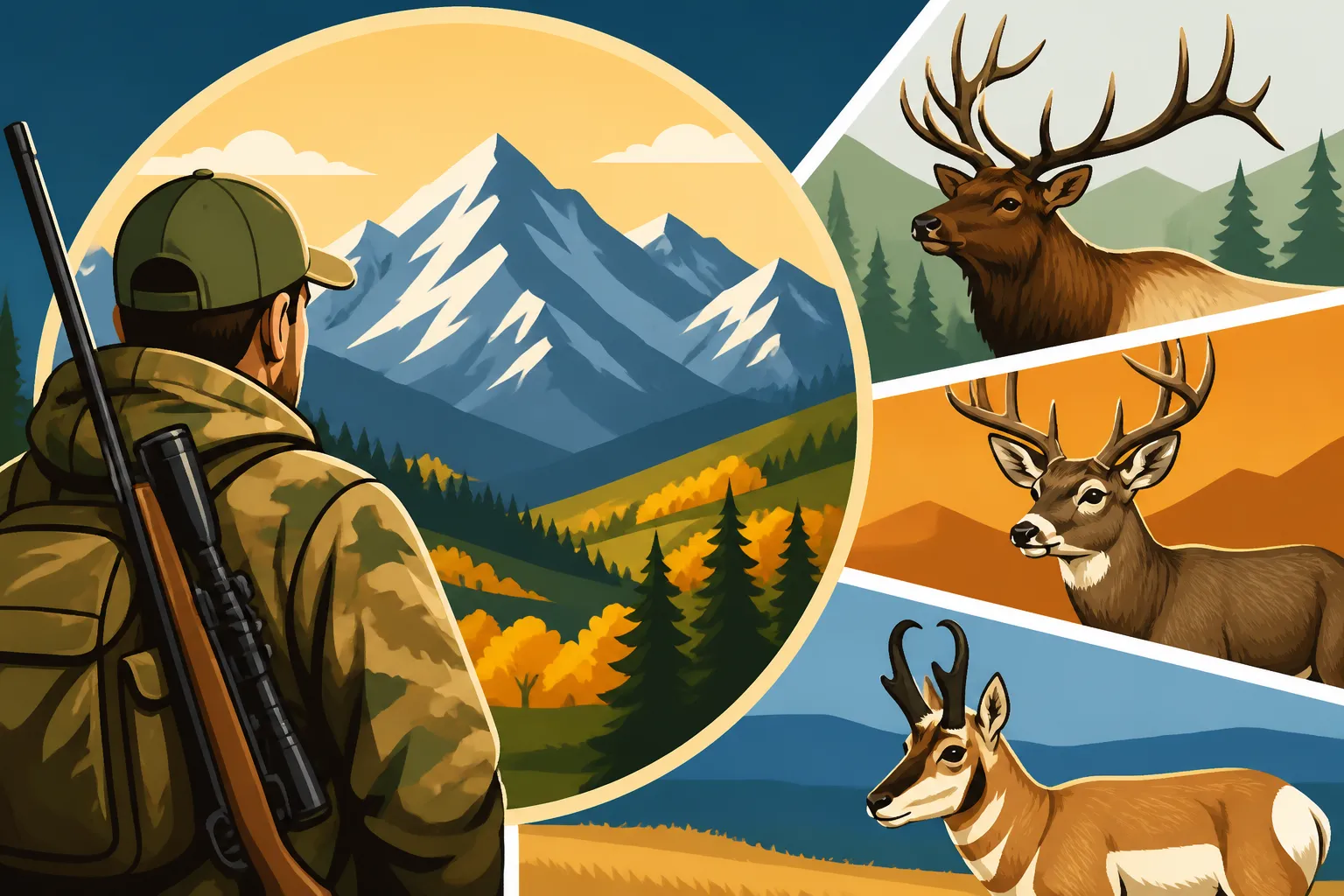
Colorado offers an incredible array of big game species, each with its own unique challenges and rewards. For a first-time Western hunter, some species stand out as more accessible and offer a better learning experience without requiring years of preference points or extreme physical demands right off the bat.
Pronghorn: The Plains Speedsters
Pronghorn, often mistakenly called "antelope," are arguably one of the best choices for a first Western hunt, especially if you're looking for a relatively high chance of drawing a tag and a hunt that’s less physically demanding than mountain hunting. These incredible animals inhabit the vast eastern plains and sagebrush flats of Colorado, offering a truly unique hunting experience.
Hunting pronghorn is primarily a spot-and-stalk game, which is an excellent skill to develop for any Western pursuit. You'll spend a lot of time glassing — using binoculars and spotting scopes to locate animals from a distance. Once you spot a buck you want to pursue, the real fun begins: planning your approach, using terrain features for cover, and making a calculated stalk to get within shooting range. This teaches you patience, map reading, wind discernment, and the art of closing the distance. Tags for pronghorn can often be drawn with fewer preference points than elk or mule deer, and in some areas, over-the-counter (OTC) archery tags are available, making them quite accessible. The physical demands are generally lower; you won't be climbing steep mountains, but you will do a fair bit of walking, crawling, and maneuvering in often flat, exposed country. If you're looking for an exciting hunt that doesn't break the bank or your body, and you want to learn fundamental Western hunting skills, pronghorn are an excellent choice. You can learn more about how to hunt them in our comprehensive guide, "Colorado Pronghorn Hunting Guide."
Mule Deer: The Mountain Monarchs
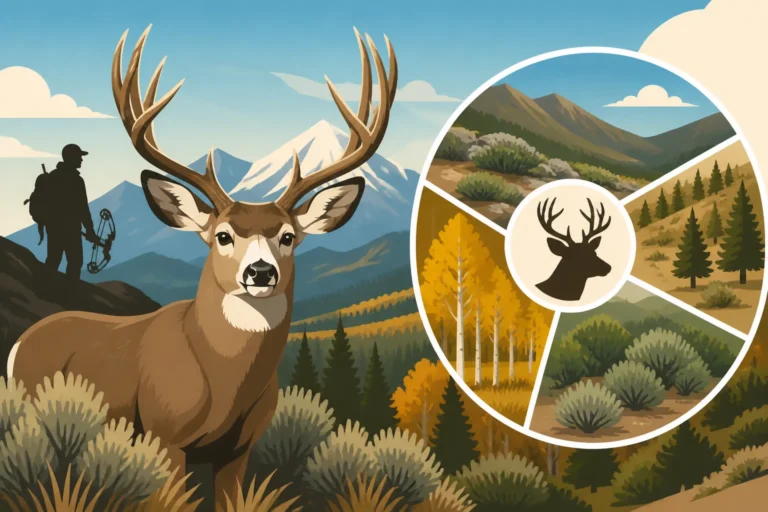
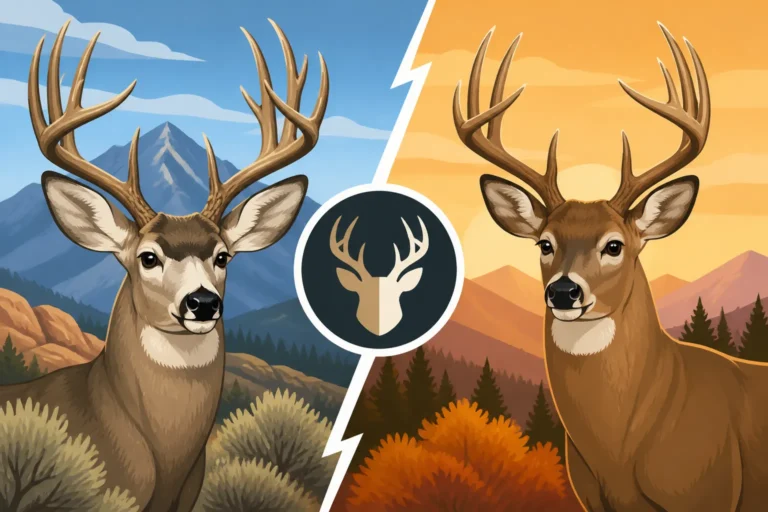
Mule deer are another fantastic option for a first Western hunt, especially if you're keen on experiencing the mountains but aren't quite ready for the extreme rigor of some elk hunts. Colorado boasts a healthy mule deer population, particularly in its central and western mountain ranges. They offer a blend of spot-and-stalk tactics and still-hunting, depending on the terrain and vegetation.
Mule deer typically inhabit steeper, more rugged terrain than pronghorn, but often at slightly lower elevations than prime elk country. This means you'll still get a taste of mountain hunting – the breathtaking views, the elevation changes, and the challenge of navigating thick timber and open slopes – but perhaps in a more manageable dose. Tags for mule deer can be more challenging to draw than pronghorn, especially for quality bucks, but there are definitely opportunities, especially for does or in less popular units. Websites like GoHunt provide excellent filtering tools to find units with better draw odds for first-time hunters. Learning to glass effectively in broken timber and across vast basins is crucial for mule deer, and it’s a skill that translates directly to elk hunting. If you're ready for a moderate physical challenge and want to immerse yourself in the beauty of Colorado's deer country, mule deer are a rewarding pursuit. Dive deeper into tactics with our "Colorado Mule Deer Hunting Guide."
Elk: The Ultimate Western Trophy
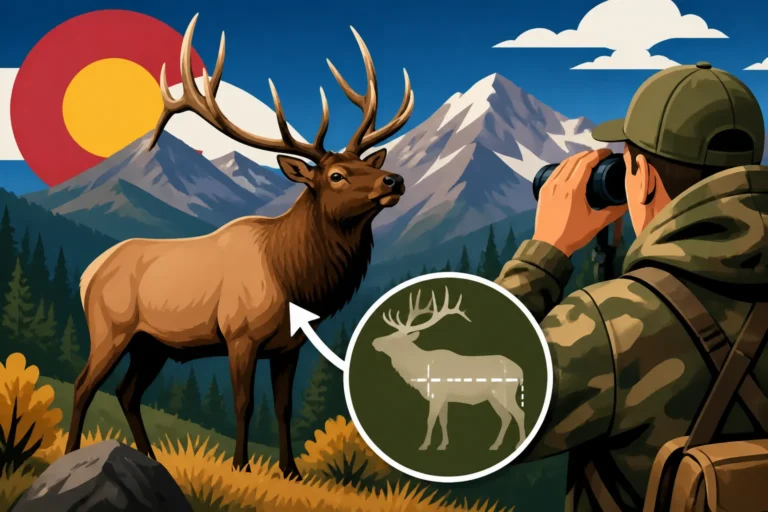
Elk are often the first animal that comes to mind when people think of Western hunting, and for good reason. A bull elk is a magnificent animal, and a successful elk hunt is an incredible achievement. Colorado has the largest elk herd in the world, which means there are more opportunities here than almost anywhere else. However, for a first Western hunt, elk come with a significant asterisk.
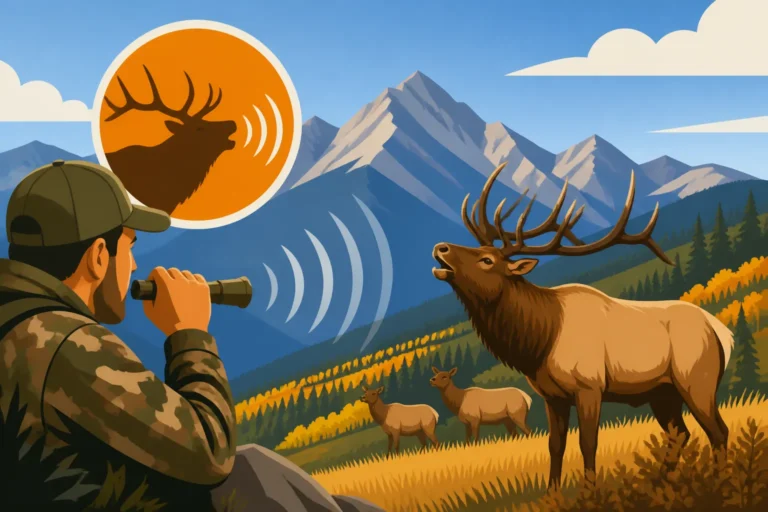
Elk hunting is physically demanding. Seriously demanding. They live in steep, rugged, high-elevation country, and they are masters of disappearing into the thickest timber when pressured. A typical elk hunt involves miles of hiking, often off-trail, at altitudes that can humble even well-conditioned individuals. The weather can change from sunshine to blizzard in hours. While Colorado offers numerous over-the-counter (OTC) elk tags, particularly for archery and second/third rifle seasons in specific units, these often mean higher hunter pressure and typically require even more effort to find unpressured animals. The draw for limited-entry units, which offer higher success rates, can require many preference points. If your heart is set on elk for your first hunt, be prepared for an intense physical and mental challenge. Make sure you understand the nuances of the "Colorado OTC Elk Tags Explained" before committing. If you’re incredibly fit and mentally tough, an OTC archery or rifle elk hunt can be an unforgettable, if grueling, first experience. Just remember to manage your expectations – it's often more about the journey than punching a tag on your first try. Our "Colorado Elk Hunting Guide" offers a deeper look into what to expect.
Black Bear: An Underrated Opportunity
Don't overlook black bears for your first Western hunt! Colorado has a healthy black bear population, and they often present a unique opportunity, especially as an add-on to a deer or elk hunt, or as a dedicated pursuit. Bear tags are often available over-the-counter or through a draw with very few preference points, making them highly accessible for first-timers.
Colorado's bear hunting seasons typically run in the spring (limited), and then coincide with archery, muzzleloader, and rifle seasons for deer and elk in the fall. Hunting techniques vary; you can spot-and-stalk in open areas, still-hunt timber, or sit over natural food sources like oak brush for acorns. While finding a bear can be challenging, the physical demands are usually tied to whatever terrain the bears are in, which can range from lower elevations to high mountains. Many hunters combine a bear tag with an elk or deer tag, essentially getting two hunts for the price of one trip. This significantly increases your chances of success on something and adds an exciting dimension to your Western experience. It's a great way to experience a Western hunt without the extreme physical toll of some dedicated elk pursuits. You can explore "Colorado Black Bear Hunting Guide" for more insights.
Key Factors to Consider When Choosing Your First Species
Making the right choice for your first Western hunt involves weighing several personal factors against the characteristics of each game species. It's about finding the sweet spot where challenge meets opportunity, and where your personal resources align with the demands of the hunt.
Physical Demands and Altitude
This is often the biggest hurdle for new Western hunters. The Rocky Mountains are breathtaking but unforgiving. Hunting at 8,000 to 12,000 feet above sea level is vastly different from hunting at lower elevations. The air is thinner, exertion is harder, and recovery takes longer. Altitude sickness can derail an entire trip if you're not prepared.
- Pronghorn: Generally the least demanding physically, as they inhabit flatter plains and rolling hills, typically at lower elevations (5,000-8,000 feet). You'll still walk, crawl, and carry equipment, but the extreme ascents and descents are usually absent.
- Mule Deer: Moderate to high physical demand. Mule deer thrive in mountainous terrain, often from 7,000 to 10,000 feet. You'll be climbing steep hills, navigating rocky slopes, and covering significant distances.
- Elk: High to extreme physical demand. Elk country is typically rugged and high, often 8,000 to 12,000+ feet. Expect strenuous hiking, steep climbs, and potentially packing out hundreds of pounds of meat over difficult terrain. This is where "How to Physically Prepare for Colorado Elk" becomes crucial.
- Black Bear: Varies greatly. Bear physical demands are usually contingent on the terrain they are in and often overlap with deer or elk hunting areas. If hunting as a primary species, you might focus on areas with less intense terrain.
Be honest about your fitness level. If you're coming from sea level and haven't trained specifically for high-altitude exertion, starting with pronghorn or a less demanding mule deer hunt might be a wiser, more enjoyable introduction to Western hunting.
Tag Availability and Draw Odds
Colorado operates on a preference point system for most limited-entry big game tags. This means it can take years to draw a coveted tag for a trophy unit or certain species. For a first Western hunt, waiting years isn't ideal.
- Pronghorn: Relatively good draw odds, especially for archery. Many units can be drawn with 0-2 preference points. Some archery tags are OTC.
- Mule Deer: Draw odds vary significantly. Quality buck tags can take several points, but there are options for antlerless tags or specific units that can be drawn with 0-3 points.
- Elk: This is where it gets complex. Colorado is famous for its OTC elk tags (archery, 2nd rifle, 3rd rifle in specific units). These are a great option for first-timers, but they come with increased hunter pressure and often require more effort. Limited-entry bull tags usually require significant preference points (5+). Cow elk tags often have better draw odds. Understanding "Colorado Draw System and Preference Points" is essential.
- Black Bear: Often OTC or very few points required for limited-entry tags. Excellent accessibility.
If you want to hunt this year or next, focusing on OTC options or species with high draw odds (like pronghorn or bear) is your best bet. Tools like GoHunt's Insider platform are incredibly helpful for researching "Colorado Draw Odds by Unit" and figuring out what’s achievable.
Financial Investment and Logistics
Hunting out West can be expensive, especially for non-residents. Consider the costs of licenses, tags, travel, gear, and potentially lodging or guide services.
- Licenses & Tags: Non-resident fees are substantial. A Colorado big game license, habitat stamp, and tag for elk or deer can run well over $700-$1000. Pronghorn and bear tags are usually less. Understanding "Colorado Hunting License Costs" is key for budgeting.
- Travel: Getting to Colorado, especially to specific hunting units, involves gas, potentially flights, and vehicle rental.
- Gear: Western hunting often requires specialized gear: high-quality optics (binoculars, spotting scope), a capable backpack, durable boots, appropriate layering clothing for extreme weather, and potentially a good shelter system if backpacking. You don’t need the most expensive gear, but reliable equipment is a must.
- Logistics: Are you planning a DIY hunt, or considering a drop camp or fully guided experience? DIY is cheaper but requires more planning. Drop camps offer a balance. Guided hunts are the most expensive but provide expertise and logistical support.
Pronghorn hunts typically involve less specialized gear and easier access, potentially keeping costs down. Elk and high-country mule deer hunts often demand more robust gear and can incur higher travel and logistical expenses.
Personal Goals and Preferred Hunting Style
What do you want out of your first Western hunt? Are you focused on meat, a trophy, learning new skills, or simply enjoying the outdoors?
- Meat Hunter: Elk and mule deer provide substantial amounts of meat. Pronghorn, while smaller, offer delicious, lean table fare. Bear meat, if properly handled, is also excellent.
- Skill Development: Pronghorn are fantastic for learning spot-and-stalk tactics and glassing. Mule deer offer a step up in mountain hunting skills. Elk challenge your endurance, navigation, and calling abilities.
- Outdoor Experience: All species offer an incredible immersion in Colorado's wilderness. Consider if you prefer open plains, rolling foothills, or rugged high mountains.
- Solo vs. Group: Some hunts are better suited for groups (like elk, for packing out meat), while others can be done solo.
Choosing a species that aligns with your primary goal will make your first Western hunt much more satisfying, regardless of whether you punch a tag.
Planning Your First Western Hunt: Practical Steps
Once you've narrowed down your species, the real planning begins. Western hunting requires meticulous preparation, especially for a first-timer.
Researching Units and Access
Colorado is divided into Game Management Units (GMUs), and understanding these units is paramount. Each unit has unique terrain, habitat, animal populations, and specific regulations.
Start by researching potential units for your chosen species. Websites like GoHunt and the Colorado Parks and Wildlife (CPW) website are invaluable resources. Look at public land percentages, road access, and past success rates. For a first-time hunt, consider units with:
- High Public Land Access: This makes scouting and hunting simpler.
- Manageable Terrain: Avoid the most rugged, remote wilderness areas for your first time out.
- Decent Road Systems: Easier access means less time packing in and more time hunting.
- Accessible Water Sources: Knowing where animals will be watering is crucial.
Utilize digital mapping tools like onX Hunt or GoHunt maps to e-scout. This allows you to identify potential bedding areas, feeding zones, water sources, and travel corridors from the comfort of your home. Learning "How to E-Scout Before a Colorado Hunt" will save you countless hours and give you a significant advantage. Don't be afraid to call CPW biologists or local field offices for general information – they can often provide insights on herd health or areas to avoid. Choosing a suitable unit is half the battle, and our "How to Choose a Colorado Hunting Unit" guide can help simplify this process.
Gear Preparation and Physical Training
Your gear needs to be up to the task, and so does your body. Don't underestimate either.
- Gear: Invest in quality boots, a comfortable backpack, and a layering system for clothing. Weather in Colorado can change dramatically. Expect cold mornings, warm afternoons, and sudden storms. Optics are crucial for Western hunting; a good pair of 10x binoculars is a minimum, and a spotting scope is highly recommended for pronghorn and mule deer. Don't forget navigation tools (GPS or mapping app on your phone, plus a physical map and compass backup).
- Physical Training: Regardless of the species, you will be walking, often uphill, with a pack. Start a dedicated fitness routine months before your hunt. Focus on cardiovascular endurance, leg strength, and core stability. Incorporate weighted hikes, stair climbing, and general strength training. If you’re targeting elk or high-country mule deer, consider specific altitude training if possible, or arrive several days early to acclimate. Our guide, "How to Prepare for High-Altitude Hunting," offers more specific tips.
Comparison of First Western Hunt Species in Colorado
| Feature | Pronghorn | Mule Deer | Elk | Black Bear (Fall) |
|---|---|---|---|---|
| Physical Demands | Low to Moderate (walking, crawling) | Moderate to High (mountain hiking) | High to Extreme (strenuous mountain) | Moderate (depends on terrain) |
| Tag Availability | Good (often 0-2 pts, some OTC archery) | Varies (0-5+ pts for quality bucks) | Fair (OTC archery/rifle, high pressure) | Good (often OTC or 0 pts) |
| Hunting Style | Primarily Spot-and-Stalk | Spot-and-Stalk, Still-hunt | Spot-and-Stalk, Calling, Still-hunt | Spot-and-Stalk, Still-hunt, Sit |
| Typical Terrain | Open plains, sagebrush flats | Mountains, foothills, timber, basins | Rugged mountains, dark timber, high alt | Varied (forests, oakbrush, riparian) |
| Success Rate | Generally Higher | Moderate | Lower (especially OTC) | Moderate |
| Meat Yield | ~50-70 lbs (boned) | ~70-120 lbs (boned) | ~150-250 lbs (boned) | ~60-150 lbs (boned) |
| Ideal For | Learning glassing & stalking, less intense | Mountain experience, moderate challenge | Ultimate challenge, high reward, demanding | Accessible, unique, good add-on |
Choosing your first Western hunt in Colorado is a deeply personal decision, but by carefully considering your physical capabilities, financial resources, and hunting goals, you can set yourself up for an incredibly rewarding experience. Whether you chase the speedy pronghorn, the elusive mule deer, the majestic elk, or the opportunistic black bear, the mountains and plains of Colorado await, promising an adventure you won't soon forget.
Disclaimer
Hunting is an inherently dangerous activity. This guide provides general information and recommendations; however, specific regulations, conditions, and risks can vary. Always consult the most current Colorado Parks and Wildlife (CPW) regulations, obtain appropriate licenses, and prioritize safety above all else. Hunt ethically, responsibly, and within all legal frameworks.