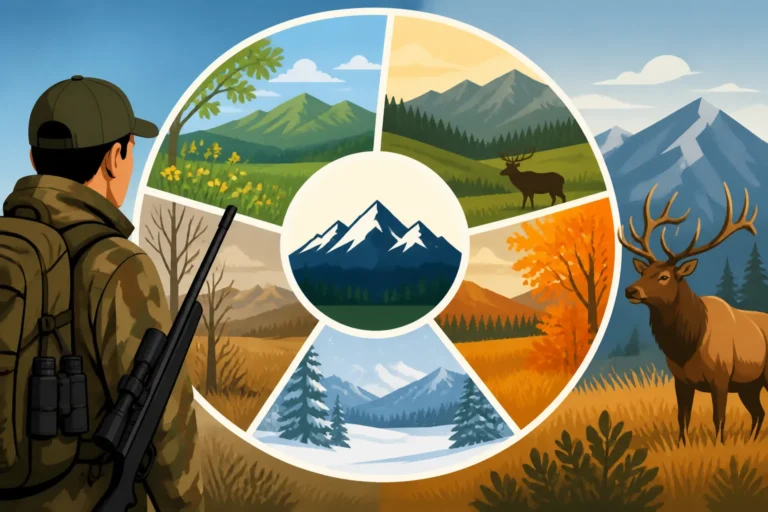
Colorado Elk Season Dates Guide
Trying to make sense of Colorado's elk hunting season dates can feel like deciphering an ancient scroll, especially with all the different weapon types, draw deadlines, and over-the-counter (OTC) versus limited opportunities. It’s enough to make even a seasoned hunter's head spin! This comprehensive guide is here to untangle that knot, breaking down every season, what to expect, and how to navigate the complex Colorado Parks and Wildlife (CPW) system so you can plan your next elk adventure with confidence.
Understanding Colorado's Elk Hunting Season Structure
Colorado boasts the largest elk herd in North America, making it a dream destination for many hunters. However, managing such a massive resource requires a thoughtful and, at times, intricate system of regulations. The state utilizes a tiered season structure designed to balance hunting pressure, provide diverse opportunities, and ensure the long-term health of the elk population. It's not just about setting a few dates; it's about optimizing the hunt for everyone, from the archery purist to the muzzleloader enthusiast and the rifle hunter.
The Rationale Behind Colorado's Tiered System
The primary goal of Colorado's hunting season structure is conservation, plain and simple. By staggering seasons for different weapon types and often separating them into distinct periods, the CPW aims to spread out hunter impacts, reduce overcrowding, and allow different elk populations to be managed effectively. For instance, early archery seasons often coincide with the beginning of the rut, providing unique calling opportunities, while later rifle seasons target migrating herds moving to lower elevations. This strategic timing helps regulate harvest numbers and ensures that hunters have a fair shot while preventing undue stress on the animals. It’s a delicate balance, and the system is constantly reviewed and adjusted based on herd health, habitat conditions, and hunter success rates.
Think of it like this: if everyone could hunt elk with any weapon they wanted, all at the same time, the mountains would be shoulder-to-shoulder with hunters, and the elk would quickly vanish into the thickest timber, never to be seen. By creating separate windows, CPW minimizes this chaos, offering a more spread-out and often more enjoyable experience for those who know how to read the schedule. This also allows for specific management objectives, such as targeting cow elk populations in certain areas during late seasons or providing trophy opportunities in limited draw units during specific prime times. You can dive deeper into the overall framework by reading our guide on Colorado Hunting Seasons Explained
Key Season Terminology to Know
Before we dive into specific dates, let's clarify some terms that are crucial for understanding Colorado's system. Knowing these will save you a lot of headaches when you're pouring over the CPW Big Game Brochure or using online resources like GoHunt.
- OTC (Over-the-Counter) Tags: These are licenses that you can purchase directly without going through the draw system. For elk, these are primarily available for archery seasons (either-sex in many units) and second and third rifle seasons (bulls only, in specific units). They are first-come, first-served.
- Limited/Draw Tags: These tags are allocated through a lottery system (the primary or secondary draw) based on preference points. They are for specific Game Management Units (GMUs) and often offer higher success rates or opportunities to hunt specific animals (e.g., antlered elk) in units with lower hunter pressure or higher trophy potential.
- Preference Points: These are accumulated points that increase your odds of drawing a limited license in future years. You earn one point for each year you apply for a limited license but are unsuccessful. They are critical for drawing highly sought-after units. To learn more, check out our piece on Colorado Preference Points Explained
- GMU (Game Management Unit): Colorado is divided into numerous geographic areas called GMUs, each with its own specific regulations, tag allocations, and draw odds. Understanding these units is paramount to planning your hunt.
- Either-Sex (ES) Tag: A license that allows the harvest of either a bull or a cow elk. These are common in archery seasons and some late-season cow hunts.
- Antlered (Bull) Tag: A license specifically for harvesting a bull elk.
- Antlerless (Cow) Tag: A license specifically for harvesting a cow elk. These are often used for herd management purposes and can be easier to draw or even available OTC in some late seasons.
Familiarizing yourself with these terms will make navigating the CPW website and various hunting forums much easier. It's the language of the Colorado elk hunter, and mastering it is your first step to a successful hunt.
Archery Elk Season Dates in Colorado
Archery hunting in Colorado is a truly immersive experience, often coinciding with the early stages of the elk rut. It demands patience, skill, and an intimate understanding of elk behavior, but the rewards—a close encounter with a bugling bull—are unparalleled. Colorado's archery elk season typically spans a generous period, usually from late August through late September, providing ample opportunity. However, within this window, there are distinct phases that offer different experiences and present unique challenges.
Early Archery Opportunities and Considerations
The very beginning of archery season, usually starting around the last weekend of August, is a fantastic time to be in the elk woods. While the full-blown bugling rut might not be in swing yet, you'll often encounter "pre-rut" activity. Bulls are beginning to separate from bachelor groups, establish dominance, and vocalize more frequently. The weather can still be quite warm at lower elevations, so hunters need to be prepared for fluctuating temperatures, from cool mornings to hot afternoons. This early period is excellent for covering ground, finding fresh sign, and potentially calling in a bull that's curious but not yet completely committed to a herd of cows. Water sources are key, as elk will be actively seeking them out in warmer weather. Many public land units offer over-the-counter archery elk tags, allowing non-residents and residents alike to pursue an either-sex elk. However, always double-check the specific GMU regulations, as some units may have limited tags even for archery. Remember, early season means less pressure than rifle seasons, but also requires a more subtle approach as bulls aren't as aggressive. You might find elk still in their summer patterns, transitioning between feeding grounds and bedding areas. Understanding how to find elk when they go quiet can be incredibly beneficial during this time.
Archery Rut Hunting: Peak Action and Challenges
This is what most archery elk hunters dream about: the heart of the rut, typically mid-September. The mountains come alive with the sounds of bugling bulls, cow calls, and antler clashing. Bulls are actively herding cows, challenging rivals, and are often more susceptible to aggressive calling tactics. If you've ever dreamed of a bull screaming in your face, this is your best chance. However, with this heightened activity comes increased hunter pressure, especially in easily accessible areas. You'll need to be prepared for competition from other hunters, and sometimes, even other archers calling in the same basin. Elk behavior can be unpredictable during the rut; a bull might charge in, or he might hang up just out of range, completely focused on his cows. The weather during this period can be glorious, with crisp mornings and comfortable days, but it can also turn quickly, bringing early snowstorms to higher elevations. Success during the rut hinges on your ability to locate and communicate with bulls, often requiring a combination of cow calling and bugling. Our comprehensive Colorado Archery Elk Hunting Guide provides a deeper dive into these tactics.
Late Archery Strategies and Conditions
As September draws to a close, the archery season typically wraps up. The tail end of the rut can still offer opportunities, but bulls may be "rut-weary" and less responsive to calls. They've been expending massive amounts of energy, often losing significant body weight, and might be more interested in feeding and recovering than fighting. Hunters during this phase need to adjust their tactics, focusing more on ambush points near bedding and feeding areas, or still-hunting through timber. The weather can become more unpredictable, with colder temperatures and the real possibility of snow, especially at higher altitudes. While the peak excitement of the rut might be fading, patient hunters can still find success by understanding this shift in elk behavior. Late season success often comes down to meticulous scouting and finding those hidden pockets where elk seek refuge from both weather and pressure.
Muzzleloader Elk Season Dates in Colorado
Muzzleloader season in Colorado offers a unique and often challenging experience, bridging the gap between archery and the general rifle seasons. This short, exclusive window typically falls in mid-September, right in the heart of the elk rut. For hunters who appreciate traditional firearms and a more primitive hunting style, it's an incredible opportunity. However, it comes with its own set of rules, equipment requirements, and strategic considerations.
The Unique Muzzleloader Window
Colorado's muzzleloader elk season is usually a brief, concentrated period, often about a week long, landing between the archery and first rifle seasons. This timing is strategic: it allows muzzleloader hunters to be in the woods during a prime time for elk activity, often catching the tail end of the peak rut or just as bulls are settling back into a routine after intense breeding. Unlike archery, where many units are OTC, muzzleloader tags are always limited-draw. This means you need to apply through the draw system and often accumulate preference points to secure a tag in a desirable GMU. The limited nature of these tags means significantly less hunter pressure compared to the later rifle seasons, offering a more tranquil and focused hunting experience. However, securing a tag can be challenging, particularly in high-demand units known for trophy bulls. Using data from resources like GoHunt can help you determine the draw odds for specific GMUs and strategize your application.
Advantages and Disadvantages of Muzzleloader Season
Hunting during the muzzleloader season comes with distinct pros and cons:
Advantages:
- Rut Activity: As mentioned, the timing often places muzzleloader hunters directly in the rut or immediately post-rut, providing opportunities to locate vocal bulls or intercept them as they recover.
- Reduced Pressure: Being a limited draw season, the woods are far less crowded than during the general rifle seasons. This can lead to more relaxed elk and a more peaceful hunt.
- Primitive Challenge: For many, the appeal lies in the traditional nature of muzzleloading. It requires greater discipline, closer stalking, and often a higher degree of hunting skill compared to modern rifle hunting.
- Weather: Mid-September usually offers pleasant weather, though mountain conditions can change rapidly. Crisp mornings and mild days are common, making for comfortable hunting.
Disadvantages:
- Limited Tags: Muzzleloader tags are highly sought after and always require a draw. This means you might need preference points, and there's no guarantee of drawing a tag every year.
- Equipment Restrictions: Colorado has specific regulations for muzzleloaders, including bullet type (no sabots in some areas), ignition type (exposed percussion caps or flintlock), and minimum caliber. You must ensure your setup is compliant. This is covered in more detail in our Colorado Muzzleloader Hunting Guide
- Single Shot: The inherent limitation of a single shot demands extreme shot placement accuracy and calm under pressure. There's no quick follow-up shot.
- Shorter Season: The season is typically quite short, usually only a week, meaning you have a tight window to find success.
- Powder and Primer Sensitivity: Black powder and percussion caps can be sensitive to moisture, requiring careful attention to gear in changing weather conditions.
Despite the challenges, the muzzleloader season remains a favorite for many dedicated hunters seeking a unique Colorado elk experience that combines the excitement of the rut with the satisfaction of a more traditional pursuit.
Colorado Rifle Elk Season Dates: The Four Main Seasons
When most people think of elk hunting in Colorado, they often envision the general rifle seasons. These four distinct seasons, spanning from mid-October through November, offer the most widely available opportunities for elk hunters, including over-the-counter (OTC) options in specific units. However, each rifle season presents its own set of conditions, hunter pressure levels, and elk behaviors, making strategic planning essential. Understanding the nuances of each season is key to maximizing your chances of success.
First Rifle Season: Early Opportunities and Draw Odds
The First Rifle Season typically kicks off in mid-October. This season is exclusively for limited draw tags, meaning you must apply through the CPW draw system and usually need preference points to secure a tag. The upside? Significantly less hunter pressure compared to the later OTC seasons. Elk are generally still in their fall patterns, often at higher elevations, and haven't yet faced significant hunting pressure. The rut is over, and bulls are starting to recover, feeding heavily. This can be a fantastic time to catch elk in their pre-migration ranges. Weather can be variable, from mild autumn days to early snowstorms, but it's generally more stable than later in the year. Hunters often find success by glassing large basins, still-hunting timbered slopes, or targeting water sources. The challenge lies in drawing a tag, as some of the most desirable units with high bull-to-cow ratios require a substantial number of preference points. For those who draw, the first rifle season offers a high-quality hunt with potentially less disturbance.
Second Rifle Season: Over-the-Counter Options and Pressure
The Second Rifle Season, usually starting in late October, is arguably the most popular and the season where many hunters find their opportunity, especially non-residents. This is because certain Game Management Units (GMUs) offer over-the-counter (OTC) bull tags. This means you don't need to apply in the draw for these specific units; you can simply purchase a tag. The trade-off for this accessibility is significantly higher hunter pressure. The mountains can feel crowded, particularly in popular OTC units. Elk, having experienced pressure during archery, muzzleloader, and now the first rifle season, will be warier and often retreat into thick timber or inaccessible terrain. They might also begin their migration to lower winter ranges, especially if significant snow falls. Hunters often adapt by focusing on areas with difficult access, hunting thick cover, and using still-hunting or ambush tactics around known travel corridors. Weather can be a major factor, with the increasing likelihood of cold temperatures and snow. While more challenging due to pressure, the OTC aspect makes this a viable option for many. Our Colorado Rifle Elk Hunting Guide offers specific strategies for these conditions.
Third Rifle Season: Continued Opportunities and Weather Shifts
Following closely behind, the Third Rifle Season typically runs in early November. Like the second season, it also offers over-the-counter (OTC) bull tags in many of the same units. Hunter pressure often mirrors that of the second season, though it might dip slightly as some hunters have gone home, or severe weather deters others. Elk will be even warier and more accustomed to pressure. This season can coincide with significant weather changes, including heavy snowstorms that push elk into their winter ranges. These migration patterns can be a double-edged sword: they can concentrate elk, making them easier to locate, but also make travel and hunting more difficult. Hunters who are willing to brave the colder conditions and pursue elk in deeper snow often find success. Tactics shift further towards understanding migration corridors, hunting north-facing slopes, and targeting lower-elevation winter range if snow forces elk down. Having the right cold-weather gear and being prepared for adverse conditions is paramount. You might also consider our specific advice on How to Hunt Elk in the Snow if you plan for this season.
Fourth Rifle Season: Late-Season Challenges and Migrations
The Fourth Rifle Season, usually the last general big game rifle season of the year, typically occurs in mid to late November. This season is entirely limited-draw, meaning no OTC options exist. Tags for the fourth season are generally harder to draw than for the first season, often requiring more preference points, especially for prime units. The upside is significantly reduced hunter pressure. By this time, severe winter weather is almost a certainty at higher elevations, and elk are often in full migration mode, or already settled into their lower winter range. Success in the fourth season often hinges on knowing these migration routes and wintering areas. Elk are typically grouped in larger herds, and spotting these herds from a distance can be very productive. However, the harsh weather, short daylight hours, and often slick or snowy conditions demand robust physical preparation and appropriate gear. It's a tough hunt, but for those who draw a tag and are prepared for the elements, it can offer incredible opportunities on unpressured, sometimes larger, herds of elk. Late-season hunting tactics are distinct and well worth researching, particularly how to hunt Late-Season Elk Hunting Tactics
| Season Type | Typical Dates | Tag Availability | Primary Hunter Pressure | Key Factors |
|---|---|---|---|---|
| Archery | Late Aug – Late Sep | Mostly OTC (Either-Sex) | Low-Moderate | Rut activity, warmer weather, stealth required |
| Muzzleloader | Mid Sep (approx. 7 days) | Limited Draw (Antlered/ES) | Low | Peak rut, primitive weapon, weather variability |
| First Rifle | Mid Oct (approx. 5 days) | Limited Draw (Antlered/ES) | Moderate | Post-rut, higher elevation, drawing a tag |
| Second Rifle | Late Oct (approx. 9 days) | OTC (Antlered), Limited Draw | High | Pressure, migration begins, first major snowfalls |
| Third Rifle | Early Nov (approx. 9 days) | OTC (Antlered), Limited Draw | High-Moderate | Weather shifts, migration, warier elk |
| Fourth Rifle | Mid-Late Nov (approx. 5 days) | Limited Draw (Antlered/ES) | Low | Harsh weather, deep snow, migration completed |
Specialty and Late-Season Elk Hunting Opportunities
Beyond the main archery, muzzleloader, and general rifle seasons, Colorado offers a few other specific opportunities for elk hunters. These often cater to unique situations, such as hunting on private land, targeting specific population segments like cow elk, or providing entry points for youth hunters. While not as widely known or accessible as the primary seasons, they can offer excellent, sometimes less pressured, hunting experiences for those who qualify.
Private Land Only Seasons and Landowner Vouchers
Colorado has specific hunting seasons designated as "Private Land Only." These seasons are often designed to help manage elk populations on private ranches or in areas where public access is limited. For hunters, this means gaining permission from a landowner or booking a hunt with an outfitter who has private land access. Tags for these seasons are typically limited draw, and while they might still require preference points, the draw odds can sometimes be better than for equivalent public land tags, simply because fewer hunters apply for "private land only" options.
Another unique avenue is through Landowner Vouchers. Colorado Parks and Wildlife allocates a certain number of vouchers to landowners whose property provides significant habitat for big game. These vouchers essentially guarantee a license for a specific GMU and season, bypassing the public draw system. Landowners can then sell these vouchers to hunters. While often expensive, a landowner voucher can be a golden ticket for a non-resident or a hunter without many preference points to hunt a highly desirable unit during a prime season. These hunts offer guaranteed access and often less competition, leading to a high-quality experience. The specifics of Colorado Landowner Vouchers Explained provides more detailed information on this topic.
Late-Season Cow Elk Tags for Meat Hunters
For hunters primarily focused on filling the freezer with delicious elk meat, late-season cow elk tags are a fantastic opportunity. These seasons typically occur in December and sometimes into January, after all the general bull seasons have concluded. They are specifically designed to manage cow elk populations, particularly in areas where herds are over objective or causing agricultural damage.
Tags for late-season cow elk hunts are usually easier to draw and in some units can even be available over-the-counter (OTC) or as leftover tags after the main draw. The hunting conditions are often challenging, with deep snow and very cold temperatures, pushing elk to lower elevations and into larger herds. This can make them easier to locate, but also warier. Success hinges on being prepared for extreme winter weather and having the optics to spot herds at a distance. For hunters seeking to stock up on lean, organic protein without the pressure of a trophy hunt, these late seasons are invaluable. Many resident hunters prioritize these hunts for their consistent success rates and the quality of the meat. If you're looking for strategies to hunt after the main rut, our guide on How to Hunt Elk After the Rut is an excellent resource.
Youth and Mentored Hunting Seasons
Colorado is committed to fostering the next generation of hunters, and as such, offers special provisions for youth and mentored hunting. While not entirely separate seasons, there are often specific youth-only or mentored opportunities tied into existing season structures. For instance, youth hunters may have extended seasons, lower age requirements, or special draw preferences.
These programs are designed to provide a supportive and educational environment for young hunters, allowing them to learn from experienced mentors. The tags for youth hunts are often easier to draw or are available through specific youth-only draws. It’s a wonderful way to introduce children to ethical hunting practices, wildlife conservation, and the outdoors. Families looking to start a hunting tradition should thoroughly investigate the CPW's youth hunting regulations and available opportunities, as they can be an excellent way to secure a valuable tag without needing years of preference points.
Navigating the Colorado Parks and Wildlife (CPW) Draw System
For many hunters, especially non-residents, understanding and successfully navigating the Colorado Parks and Wildlife (CPW) draw system is the most daunting part of planning an elk hunt. It’s a multi-stage process involving applications, preference points, and specific deadlines. Getting it right is crucial, as a mistake can mean missing out on a tag for an entire year. Knowing how to play the game is just as important as knowing how to hunt the game.
Understanding Preference Points for Colorado Elk
Preference points are the currency of the Colorado draw system. They are designed to reward loyalty and persistence. For every year you apply for a limited license in the primary draw and are unsuccessful, you earn one preference point for that species. These points then accumulate and improve your odds of drawing a tag in subsequent years. The more points you have, the better your chances of drawing a tag for a highly desired unit or season.
It’s important to understand that preference points do not guarantee a tag; they simply put you ahead of hunters with fewer points. When CPW conducts the draw, it allocates a certain percentage of tags to the highest point holders, then moves down the list. If you're a non-resident, there's also a cap on how many tags can be allocated to non-residents (typically around 25-35% for specific hunts), which adds another layer of complexity. Strategic point management is key: deciding when to apply for a "point guard" tag (a unit requiring few points to maintain your streak) versus when to "burn" your accumulated points on a premier unit is a critical decision. Websites like GoHunt provide detailed draw odds and point requirements for every GMU, making it an invaluable tool for planning your preference point strategy.
Applying for the Primary Draw: Key Dates and Strategies
The primary draw is where the vast majority of limited elk tags are allocated. The application period typically runs from early March through early April, with a strict deadline that cannot be missed. This is the crucial window where you submit your choices for GMUs and seasons.
Here are some strategies and key considerations for the primary draw:
- Research, Research, Research: Before applying, you absolutely must research GMUs, draw odds, success rates, and the number of points required. CPW publishes historical data, and resources like GoHunt compile this information in an easily digestible format.
- Know Your Point Total: Understand how many preference points you currently have for elk. This will inform which units you can realistically draw.
- First Choice is Critical: Your first choice on the application is the most important, as this is where your preference points are primarily used. Subsequent choices are usually filled only if there are leftover tags after all first choices are processed.
- Consider Group Applications: If hunting with friends or family, you can apply as a group. Your group's application will be processed using the lowest number of preference points among all members, ensuring everyone draws (or doesn't draw) together.
- Non-Resident Considerations: Non-residents often need more points than residents for the same tags due to allocation limits. It's crucial to understand Colorado Non-Resident Hunting License Guide and how it impacts your odds.
- Payment: You typically pay the full license fee upfront when you apply, but your money is refunded if you are unsuccessful in the draw.
Missing the primary draw deadline means missing out on the majority of limited tags for the entire year, so mark your calendar!
The Secondary Draw and Leftover Tag Process
What happens if you don't draw in the primary lottery? Don't despair! Colorado offers a secondary draw and a leftover tag process, providing additional opportunities to secure an elk tag.
- Secondary Draw: This draw takes place in late summer (usually July) and is for any limited licenses that were not allocated in the primary draw. These are often tags for less popular units, antlerless tags, or tags for seasons with specific restrictions. No preference points are used in the secondary draw; it's a true random lottery. This can be a great way to pick up a tag for a specific unit if you're flexible on the season or animal.
- Leftover Tags: After the secondary draw, any remaining limited licenses become "leftover" tags. These are then sold on a first-come, first-served basis, usually starting in early August. Many of these are cow tags, private land only tags, or tags in challenging-to-hunt units. However, sometimes a hidden gem can pop up. Hunters must be ready to purchase these tags immediately when they become available online or at licensed vendors, as popular ones can sell out in minutes. This is where knowing how to navigate the Colorado Leftover Tags Explained process becomes invaluable, and being quick on the trigger with your computer and internet connection is a must.
Even if you don't draw your dream tag, these subsequent opportunities can often salvage a hunting season, providing a chance to experience Colorado's elk country.
Planning Your Colorado Elk Hunt Around Season Dates
Successfully planning a Colorado elk hunt isn't just about picking a date on a calendar; it's about aligning the season dates with your personal hunting style, physical capabilities, and expectations. Each season offers a distinct experience, from the vocal challenges of the rut to the physical demands of a late-season snow hunt. A well-thought-out plan, factoring in both the natural rhythm of the elk and the human element of hunting pressure, can significantly increase your chances of success and enjoyment.
Matching Season Dates to Your Hunting Style
Your preferred hunting style should heavily influence which season you target.
- For the Archery Enthusiast: If you live for the thrill of calling a bull close, the challenge of stealthy stalks, and being in the mountains during the height of the rut, then the Archery Season (late August to late September) is undoubtedly for you. Be prepared for variable weather, intense physical activity, and potentially sharing the woods with other callers. Success here often depends on your ability to How to Call Elk in Colorado effectively.
- For the Primitive Weapon Advocate: If you cherish the challenge of a single-shot muzzleloader, value reduced hunter pressure, and enjoy hunting during the peak or immediate post-rut, the Muzzleloader Season (mid-September) is a prime choice. This requires a drawn tag and adherence to specific weapon regulations.
- For the First-Time Rifle Hunter or Trophy Seeker (Draw Tag): If you're looking for a rifle hunt with less competition and are willing to accumulate preference points, First Rifle Season (mid-October) or Fourth Rifle Season (mid-to-late November) are excellent options. These are limited draw only, but offer a more serene experience. The first season is milder, while the fourth can be brutally cold but often finds elk concentrated.
- For the Accessible Rifle Hunter (OTC): If you prioritize accessibility and don't want to deal with the draw, Second Rifle Season (late October) or Third Rifle Season (early November) offer over-the-counter bull tags in many units. Be ready for significant hunter pressure and wary elk, requiring different tactics, such as focusing on dense timber or remote areas. These seasons are often ideal for hunters who prefer a base camp approach, rather than deep backcountry excursions.
No matter your style, understanding the specific conditions and elk behavior for each season is paramount. Researching topics like How to Hunt the Colorado Rut or How to Hunt Elk at High Elevation can help you refine your choice.
Weather Considerations for Each Season
Colorado's mountain weather is notoriously unpredictable, and it plays a huge role in elk behavior and your hunting experience. Ignoring it can lead to a miserable, and potentially dangerous, hunt.
- Early Archery (Late Aug – Early Sep): Expect warm to hot days, especially at lower elevations, and cool nights. Hydration is key. Afternoon thunderstorms are common. Elk will be active early and late, seeking shade during the day.
- Mid-Archery / Muzzleloader (Mid Sep): Often the most pleasant weather, with crisp mornings and mild, sunny days. However, early snowfalls are always a possibility at higher altitudes. This weather can trigger increased elk activity.
- First Rifle (Mid Oct): Typically cool to cold, with the first significant snows often arriving. Expect freezing nights. This weather can start to push elk down from the highest basins.
- Second and Third Rifle (Late Oct – Early Nov): This period is highly variable. You could have mild, sunny days or be hit with a full-blown blizzard. Deep snow becomes a real possibility. Elk will be actively migrating, and hunting success often correlates directly with cold fronts and snow pushing elk.
- Fourth Rifle / Late Seasons (Mid Nov – Jan): Prepare for extreme cold, deep snow, and strong winds. This is winter hunting. Proper layering, insulated boots, and extreme weather gear are non-negotiable. Elk will be concentrated on winter range, but accessing them can be very challenging. For comprehensive guidance on preparing for the climate, refer to How to Handle Cold-Weather Gear for Colorado
Always check the forecast closer to your hunt date, and pack layers for all possibilities. The right gear can turn a challenging hunt into a successful one.
E-Scouting and Pre-Season Planning for Specific Dates
Modern hunting begins long before you set foot in the field, especially in Colorado. Effective e-scouting and pre-season planning are critical for maximizing your limited time in the mountains.
- Utilize Mapping Software: Platforms like onX Hunt, BaseMap, and Google Earth are invaluable. Identify potential bedding areas, feeding zones, water sources, travel corridors, and escape routes. Look for north-facing slopes, dark timber, and isolated pockets that might hold elk during specific seasons. For instance, in early seasons, identify wallows and water holes. In later seasons, pinpoint lower elevation migration routes. You can find detailed instructions on How to E-Scout Before a Colorado Hunt in our other guides.
- Study Past Data: Review historical draw odds, harvest statistics, and weather patterns for your chosen GMU and season. This data, often found on the CPW website or through services like GoHunt, can provide insights into elk distribution and hunter success.
- Understand Elk Behavior by Season: Elk behavior changes dramatically throughout the fall. In early archery, they might be scattered. During the rut, they're vocal and focused on breeding. Post-rut and into rifle seasons, they become more concerned with feeding, recovering, and eventually migrating. Tailor your e-scouting to these behavioral shifts.
- Plan for Access and Pressure: For OTC rifle seasons, specifically identify remote public land access points or areas away from roads to escape pressure. For draw units, research potential camping spots, trailheads, and areas that might hold elk given the specific season's conditions.
- Physical Preparation: Don't underestimate the physical demands of hunting Colorado elk, especially in higher elevations or late seasons. Start your fitness regimen months in advance. Our guide on How to Physically Prepare for Colorado Elk offers great tips.
By investing time in e-scouting and planning before your boots hit the ground, you'll arrive in Colorado with a solid strategy, a deeper understanding of your chosen GMU, and a much better chance of turning those season dates into a successful hunt.
Disclaimer
The information provided in this guide is for general informational purposes only and is not a substitute for the official regulations published by Colorado Parks and Wildlife (CPW). Hunting regulations, season dates, and tag availability can change annually. Always consult the current year's CPW Big Game Hunting Brochure and any relevant updates before planning or embarking on a hunt. It is the hunter's responsibility to know and abide by all applicable laws and regulations.