Colorado Elk Hunting: Ground Blind Tactics
It’s a common frustration, isn't it? You spend hours stalking through dense timber, navigating steep terrain, or trying to close the distance on a bugling bull, only for the elk to vanish like ghosts. The traditional spot-and-stalk or aggressive calling approaches don’t always work, especially when elk are pressured or seeking refuge. This guide is all about exploring an often-underestimated tactic for Colorado elk hunting: using a ground blind to ambush these magnificent animals, providing you with a different approach to increase your odds.
Why Ground Blinds Can Be a Game-Changer for Colorado Elk
When most people picture elk hunting in Colorado, they envision vast landscapes, intense hikes, and bugling duels. And while that's certainly a huge part of it, sometimes the most effective strategy involves sitting still and letting the elk come to you. This is where ground blinds shine, offering a unique set of advantages that can turn a tough hunt into a successful one, particularly in areas with heavy hunting pressure or specific terrain features.
Concealment and Comfort Advantages
One of the biggest struggles for any hunter is remaining truly hidden and still for extended periods. Elk have incredible senses – their eyesight, hearing, and especially their nose are highly tuned to detect danger. A well-placed ground blind offers unparalleled concealment. It breaks up your human outline, shields subtle movements, and contains scent far more effectively than merely sitting against a tree.
Think about it: in a blind, you can shift positions, stretch a little, or even quietly grab a snack without alarming nearby elk. This comfort translates directly into increased patience and longer sits, which are often the keys to success when targeting elusive animals like elk. It also provides a significant advantage when you're hunting with kids or new hunters, allowing them to move a bit more without giving away your position. The simple fact that you can endure longer periods of waiting in comfort means you’re present for more of the elk’s natural movement patterns, upping your chances of encountering that bull or cow you're after.
Versatility in Diverse Colorado Terrain
Colorado’s diverse landscape isn't always conducive to spot-and-stalk. There are plenty of areas with thick lodgepole pine forests, dense aspens, or riparian zones where visibility is extremely limited. Trying to move silently through crunchy leaves or thick underbrush can feel impossible, especially when you’re trying to get close to a wary elk.
Ground blinds allow you to capitalize on these areas by setting up along known travel corridors, near wallows, waterholes, or feeding areas where elk frequently pass through but are difficult to approach. Imagine a hidden spring in a deep canyon or a secluded wallow tucked into dark timber; these are prime spots for a blind. You simply can’t stalk into every situation, and sometimes letting the animals come to you is the most logical and least intrusive method. This versatility also extends to varying weather conditions. A blind can provide much-needed shelter from rain, snow, or biting wind, allowing you to stay in the field longer when others are retreating.
Selecting and Setting Up Your Ground Blind for Elk
The success of your ground blind hunt hinges heavily on thoughtful selection and meticulous setup. It’s not just about popping a blind up anywhere; it's about making it disappear into the landscape and placing it where elk naturally want to be. This takes pre-season scouting, understanding elk behavior, and a good dose of camouflage common sense.
Choosing the Right Blind and Location
When it comes to ground blinds for elk, you want something robust, quiet, and large enough to comfortably accommodate you and your gear, especially if you’re using a bow. Brands like Barronett Blinds or Primos often offer larger models that are well-suited for rifle or archery hunting, with ample shooting windows. Camouflage patterns should match the local vegetation as closely as possible. More important than the brand, however, is the placement.
Start your scouting by identifying key elk sign: fresh tracks, droppings, rubs, and wallows. Look for natural funnels like saddles between ridges, creek bottoms, or narrow strips of timber connecting feeding and bedding areas. Water sources, especially during early archery or warmer rifle seasons, are magnets for elk. Use mapping tools like GoHunt to analyze terrain, public land boundaries, and potential travel routes from your home. This digital scouting can save you countless miles on the ground. Once you've identified a promising area, visit it in person to confirm active sign and pinpoint the exact setup location. You’ll want a spot that offers natural cover around the blind to help it blend in, and consider the prevailing wind direction to keep your scent from blowing towards the expected approach of elk.
| Blind Type | Key Features | Ideal Elk Hunting Scenario | Pros | Cons |
|---|---|---|---|---|
| Pop-Up Blind | Portable, quick setup, multiple window options | Near wallows, waterholes, or travel corridors; adaptable to various terrains | Excellent concealment, mobile, relatively affordable | Can be noisy during setup, less wind-resistant, scent containment varies |
| Hub Style Blind | Sturdier frame, more interior space | Longer sits in high-traffic areas, accommodating multiple hunters or extra gear | More stable, better comfort, often quieter materials | Heavier, takes slightly longer to set up, generally more expensive |
| Ghillie Blind/Suit | Fabric draped over a frame or hunter | Highly mobile ambush points, spot-and-stalk hybrid, quick concealment in diverse cover | Extremely adaptable, mimics natural vegetation, lightweight | Less structural, minimal scent containment, requires excellent stillness |
| Natural Blind | Built from logs, branches, rocks | Permanent or semi-permanent setups in high-confidence areas (e.g., private land food plots) | Blends seamlessly, excellent long-term concealment, zero cost | Time-consuming to build, fixed location, subject to weather degradation |
Scent Control and Blending In
Elk possess an olfactory sense that is many times superior to a human's. They can detect a hunter's scent from hundreds of yards away, even after you've been gone for hours. This makes rigorous scent control absolutely critical when hunting from a ground blind. Shower with scent-free soap, use scent-eliminating sprays on your clothes, and store your hunting gear in scent-free containers. Even better, dress in your hunting clothes only when you reach the blind site.
Beyond personal scent, the blind itself needs to disappear. When you set up your blind, immediately brush it in with local vegetation: branches, logs, tall grass, or anything else that helps it blend into its surroundings. The goal is to make it look like a natural part of the environment, not a foreign object. If possible, set the blind up a week or two before your hunt, allowing elk to become accustomed to its presence. This "conditioning" can dramatically reduce their wariness. Ensure your entry and exit paths to the blind are discreet and don't disturb the area you plan to hunt. Walking through the very funnel you expect elk to use will only blow them out.
Effective Ground Blind Tactics for Elk
Once your blind is perfectly positioned and blended, the real game begins: the art of hunting from within. This isn't passive hunting; it requires patience, strategic calling, and constant awareness to capitalize on opportunities.
Mastering the Sit and Strategic Calling
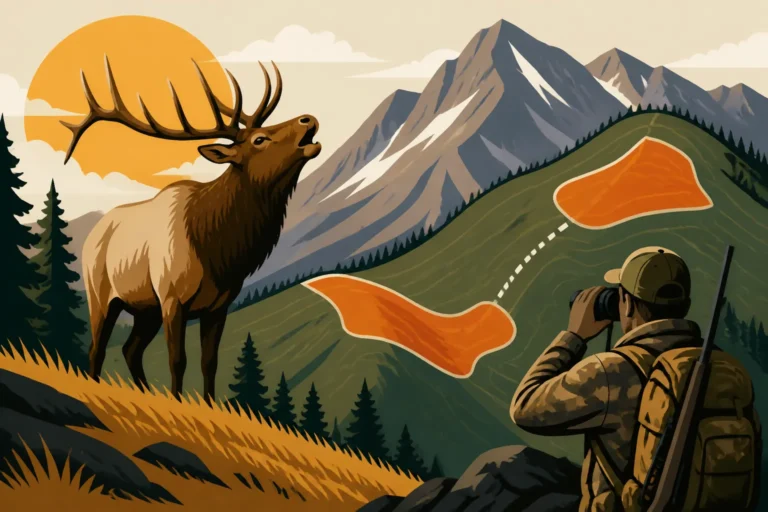
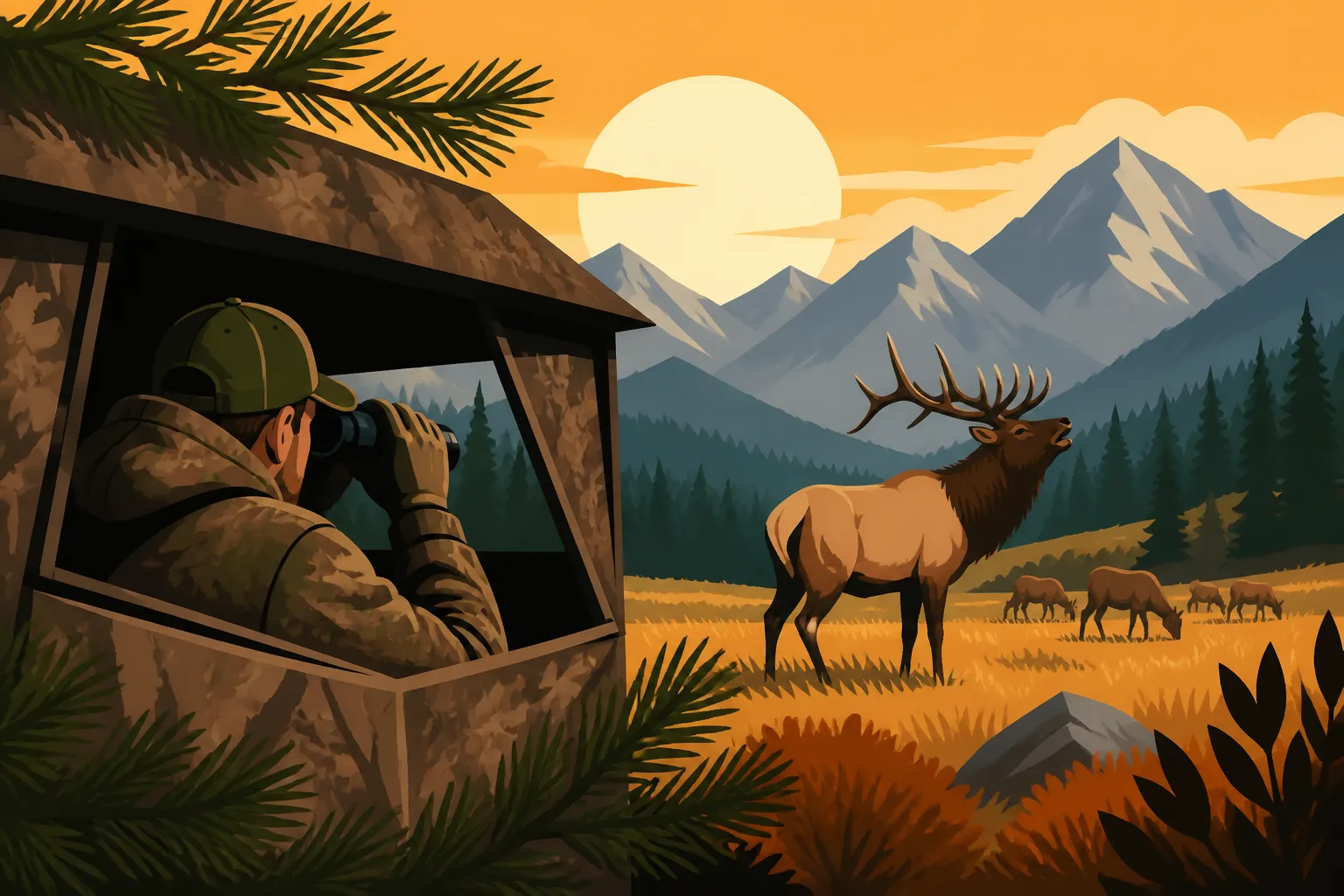
Hunting from a ground blind demands a different kind of patience. It’s not about covering ground; it's about being absolutely ready when an elk appears. Sit quietly, minimizing movement. Keep your primary weapon ready and your shooting lanes clear. Use your binoculars regularly, scanning your surroundings for any sign of movement or flick of an ear. Remember to avoid looking directly out of the shooting windows for too long, as the dark interior can create a "black hole" effect that elk might notice. Instead, scan slowly and methodically.
Calling from a ground blind can be incredibly effective because your movement is hidden. You can use cow calls or soft bugles to pique their curiosity without giving away your exact position. If you hear a distant bugle, a series of soft cow calls might be enough to draw that bull in for a closer look. For more aggressive bulls, you might employ a combination of cow calls and a challenging chuckle or even rake a tree limb to simulate a bull working a tree, all while remaining perfectly concealed. Remember that the goal is to make the elk think the sounds are coming from another elk, not a human hiding in a blind. When hunting during the rut, consider How to Call Elk in Colorado effectively to bring them within range.
Understanding Wind and Shot Angles
Wind direction is paramount in elk hunting, perhaps even more so when stationary in a blind. Your carefully chosen spot needs to account for the prevailing wind, ensuring your scent is carried away from where you expect elk to approach. Even with the best scent control, a slight shift in wind can betray your position. Many hunters will bring a small wind checker bottle or milkweed seeds to constantly monitor the wind throughout the day, especially during thermals shifts in the mornings and evenings. For effective elk movement prediction, understanding How to Use the Wind Hunting Colorado Elk and How to Use Thermals in Colorado Elk Country is crucial.
When setting up your blind, visualize potential shot opportunities from each window. Clear shooting lanes are essential. For archery hunters, this means having obstacles removed or trimmed for 20-40 yards. For rifle hunters, it's ensuring a clean line of sight to key areas where an elk might pause. Practice shooting from your blind before the hunt. Kneel, sit, and practice drawing your bow or shouldering your rifle from various positions to ensure you know your limitations. Pay attention to the angle of your shot; a slightly elevated blind position, or one on a hillside, can change the trajectory. Always aim for a clean, ethical shot, ensuring you have a clear understanding of the vitals from various angles.
Maximizing Your Ground Blind Success and Safety
Hunting from a ground blind offers a unique perspective and often a more relaxed pace than other methods. However, it still comes with its own set of challenges and considerations that, if addressed, can significantly improve your chances of success and ensure a safe, enjoyable hunt.
Dealing with Wary Elk and Pressure
Elk in Colorado, especially on public land, are savvy animals. They know what hunting pressure feels like. If you're setting up a blind in a high-pressure unit, you'll need to be extra diligent. One common mistake is placing blinds too close to roads or well-used trails. Instead, focus on those overlooked pockets: the deep canyons, the north-facing slopes with dense cover, or remote water sources that require a bit more effort to reach. Places where elk feel safe.
Consider hunting during non-peak times of the day when other hunters might be moving, or during adverse weather when many have left the field. A ground blind allows you to ride out a snowstorm or heavy rain, giving you an advantage when the weather breaks and elk become more active. If you find elk are consistently skirting your blind, re-evaluate your setup. Is your scent betraying you? Is the blind too obvious? Did you set it up too late? Sometimes, relocating the blind even a few dozen yards can make all the difference. Tools like GoHunt can help identify potential low-pressure areas by showing public land access points and road systems, guiding you towards less trafficked zones. For those dealing with crowded areas, learning How to Hunt Elk on Public Land Pressure is vital.
Essential Gear and Patience for Long Sits
Sitting for hours on end, especially in varied Colorado weather, requires the right gear. Beyond your weapon and scent control, a comfortable chair is non-negotiable. Look for a lightweight, quiet chair that supports your back. Good quality optics – binoculars and a rangefinder – are essential for identifying animals and judging distances accurately. A good insulated mug for coffee or hot chocolate, and plenty of water, will keep you hydrated and focused. Layers of clothing are crucial to adapt to the fluctuating mountain temperatures; what starts as a chilly morning can quickly turn into a warm afternoon.
Most importantly, bring patience. Ground blind hunting is often a waiting game. There will be hours of silence, perhaps even days without seeing an elk. Don't let this discourage you. The payoff comes when that bull or cow finally steps into your shooting lane, completely unaware of your presence. Every rustle in the leaves, every distant call, keeps you engaged. Embrace the quiet and the immersion in the elk's world. This method is a marathon, not a sprint, and sometimes the best reward is simply being out there, deeply connected to the wild.
Final Considerations for Your Ground Blind Hunt
Successfully harvesting an elk from a ground blind in Colorado means paying attention to the details, from the moment you decide to use this tactic to the moment you pack out your meat. Every step counts.
Entry and Exit Strategies
One of the most overlooked aspects of ground blind hunting is how you get in and out of your blind without alerting elk. This is particularly critical in the low light of dawn and dusk, when elk are most active. Plan your approach and departure routes carefully, avoiding areas where you expect elk to be present. Use terrain features like ridges, drainages, or dense timber to mask your movement.
If possible, set up your blind so that your entry path is downwind of the target area, allowing your scent to be carried away from where elk might be. When leaving, use the same care and stealth. You want to leave the area undisturbed so that elk continue to use it, maintaining your blind’s effectiveness for subsequent hunts. A quiet, methodical approach and departure can mean the difference between seeing elk and consistently spooking them before you even settle in or stand up to leave.
Legalities and Public Land Regulations
Before you even think about setting up a ground blind, be sure you understand Colorado Parks and Wildlife (CPW) regulations for the unit you'll be hunting. This includes specific hunting season dates, licensing requirements, and any restrictions on blind placement. For instance, some wilderness areas might have rules about leaving structures overnight. Always ensure your blind is clearly marked with your customer identification number (CID) if left unattended, as per CPW regulations.
Moreover, if you're hunting on public land (National Forest, BLM), be aware of any site-specific rules. While ground blinds are generally permitted, it's always a good idea to check with the local land management office if you have any doubts. Respect the land, pack out everything you pack in, and minimize your impact. The goal is to hunt ethically and legally, ensuring this amazing resource remains available for generations to come. Understanding Colorado Public Land Hunting Guide is paramount before heading out.
Disclaimer
Please be aware that hunting regulations and conditions can change. Always consult the official Colorado Parks and Wildlife (CPW) regulations and local land management offices before planning your hunt. Safety should always be your top priority in the field.