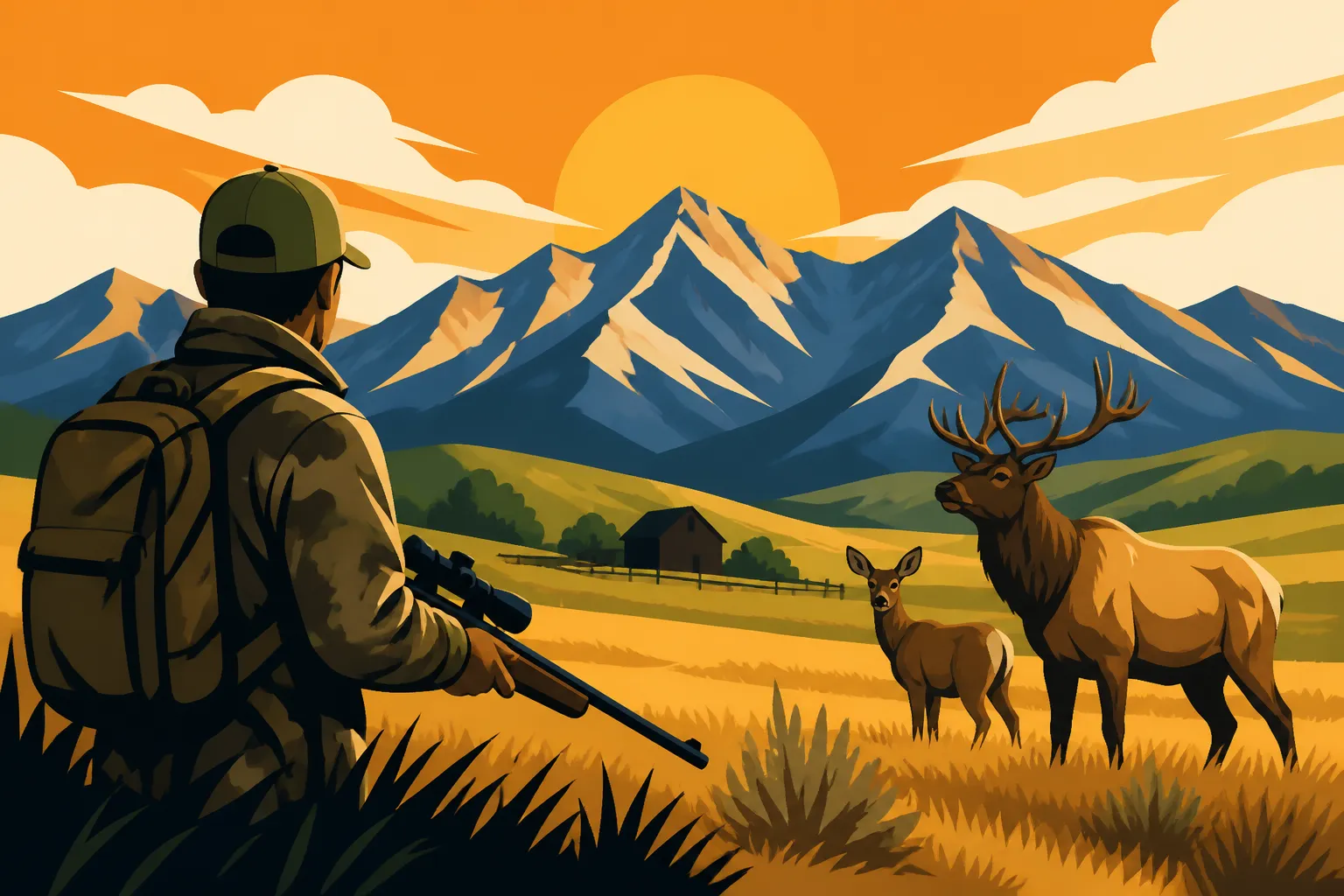
Colorado Ranching for Wildlife Explained
The dream of hunting big game in Colorado is alive for so many of us, but let's be honest, drawing those coveted tags for prime public land units can feel like winning the lottery, and finding quality, low-pressure opportunities is a constant challenge. This guide dives deep into Colorado's Ranching for Wildlife (RFW) program, breaking down exactly what it is, how it works, and whether it's the right pathway for you to access some incredible hunting experiences without needing a decade's worth of preference points.
Understanding Colorado's Ranching for Wildlife Program
Colorado’s Ranching for Wildlife (RFW) program is one of those unique initiatives that tries to bridge the gap between private land, public access, and wildlife management. It’s not just a fancy name; it’s a detailed, regulated system designed by Colorado Parks and Wildlife (CPW) to benefit both the state’s wildlife populations, private landowners, and ultimately, you, the hunter. It’s a pretty clever concept when you dig into it, aiming to provide quality hunting experiences while promoting good land stewardship.
The Philosophy Behind RFW
At its heart, the RFW program is a partnership. Imagine a large private ranch with thousands of acres, potentially holding incredible habitat for elk, mule deer, or pronghorn. Left entirely private, this land is inaccessible to the general public. CPW recognized the immense value these private lands hold for wildlife, especially during crucial times like winter range or migration corridors. So, the philosophy was born: in exchange for certain benefits, private landowners would agree to manage their land for wildlife habitat and, crucially, provide public hunting access.
This isn't about giving away private property; it's a symbiotic relationship. Landowners receive financial incentives, help with wildlife management, and the ability to sell a limited number of "private" vouchers to hunters outside the public draw. In return, they commit to enhancing habitat and offering designated public hunting opportunities. It's a testament to how creative solutions can be found to ensure wildlife thrives across all land types, while still providing avenues for public participation in hunting.
Key Characteristics and Rules
The RFW program isn't a free-for-all. It operates under strict guidelines set by CPW. The most defining characteristic for hunters is the opportunity to draw special "R-codes" (Ranching for Wildlife hunt codes) that grant access to these private ranches. These are generally limited-quota draw tags, meaning you apply through the regular Colorado big game draw process, but for specific RFW units and species. Unlike most general limited draw units, RFW hunts often come with extended season dates, sometimes spanning several weeks or even months, offering incredible flexibility.
Another crucial aspect is the type of access. While you're on private land, it's not always a completely open ranch. Each RFW ranch has a detailed management plan, outlining designated public hunting areas, specific access points, and rules for how and where hunters can operate. It's not uncommon for these ranches to be large, encompassing various terrain from open sagebrush flats to dark timber, allowing for diverse hunting styles. However, you'll need to respect the boundaries and rules of the specific ranch you draw, as these are private properties first and foremost.
Types of Ranches Involved
Colorado is a diverse state, and its RFW program reflects that. You'll find a wide variety of ranches participating, each offering different landscapes and hunting opportunities. Some RFW ranches are expansive mountain properties, nestled deep within elk country, providing prime habitat for Colorado Elk Hunting Guide and Colorado Mule Deer Hunting Guide. These might be located in areas like the Flat Tops, near Steamboat Springs, or down in the San Juan Mountains. Here, you could be hunting steep timber, open parks, or high alpine basins.
Then there are RFW ranches on the Eastern Plains, specifically managing for Colorado Pronghorn Hunting Guide or even whitetail deer. These properties offer a completely different hunting experience, often involving long-range glassing and strategic stalks across flatter, more open terrain. The size of these ranches can vary dramatically, from several thousand acres to tens of thousands, providing ample room for hunters to spread out and pursue game. Each participating ranch has its own unique character, offering specific species, terrain, and challenges, making research vital before applying.
How Ranching for Wildlife Benefits Hunters and Landowners
The RFW program is designed to create a win-win situation, though the scale of "winning" might feel a bit different depending on which side of the fence you're on. For hunters, it offers a tangible pathway to quality experiences often elusive on crowded public lands. For landowners, it's a robust program that helps them manage their properties, wildlife, and provides significant economic incentives.
Advantages for Hunters
Let's face it, one of the biggest frustrations for hunters in Colorado is the sheer pressure on public lands, especially during the rifle seasons. You might spend days How to E-Scout Colorado Units and then find your prime spot is already occupied by another camp. RFW hunts often significantly reduce this pressure. Because a limited number of tags are issued for each ranch, and public access is restricted to specific areas and dates, you'll generally find far fewer hunters competing for the same animals. This can translate to a much more peaceful and productive hunt.
Furthermore, RFW ranches are typically managed with wildlife in mind. This means better habitat, which often leads to higher animal densities and the potential for encountering quality animals. You might find elk that haven't been pushed relentlessly by hunters since opening day, or mule deer bucks that are more patterned and less wary. The extended season dates also provide a huge advantage. Instead of a short 5-day rifle season, you might have several weeks to hunt, allowing you to adapt to weather changes, animal movements, and truly immerse yourself in the experience. While it's not a guaranteed harvest, your odds of success on an RFW ranch are often notably higher than on a typical over-the-counter (OTC) public land hunt. You'll still need to put in the work, but the environment is often more forgiving. Utilizing mapping tools like onX Hunt becomes even more critical on RFW properties to understand the designated public access areas versus the private "voucher" hunting zones, ensuring you stay within regulations.
Benefits for Landowners
For the private landowners who open their gates to the RFW program, the benefits are substantial and diverse. Foremost is the financial incentive. CPW provides payments to participating landowners, recognizing the value of the habitat they provide and the public access they facilitate. This financial support can be crucial for ranch operations, helping to offset costs and ensure the viability of large tracts of undeveloped land that are so vital for wildlife.
Beyond direct payments, the program offers significant support for habitat management. CPW often provides technical assistance and resources to help landowners implement practices that benefit wildlife, such as improving water sources, managing forage, or restoring riparian areas. This collaboration ensures that the land isn't just a place for hunting, but a thriving ecosystem. Landowners also gain assistance with herd management. CPW biologists work with ranches to set appropriate harvest quotas, helping to balance wildlife populations with the carrying capacity of the land, which can mitigate issues like overgrazing or disease spread. Finally, for some landowners, participation can also deter poaching, as increased authorized presence on the property means more eyes on the land.
Conservation and Management Goals
From CPW's perspective, the RFW program is a critical component of its broader conservation and management strategy. Colorado has a significant amount of private land, and much of it holds essential wildlife habitat, particularly for species like elk, deer, and pronghorn. The program incentivizes the conservation of these habitats, ensuring that critical wintering grounds, fawning areas, and migration corridors remain viable for wildlife. Without these partnerships, many of these lands might be subdivided or developed, leading to habitat loss and fragmentation.
The program also provides valuable data for wildlife managers. By working closely with landowners and monitoring harvest on RFW ranches, CPW can gather important information on herd health, population dynamics, and the effectiveness of various management strategies. This data helps CPW make informed decisions that benefit statewide wildlife populations, ensuring sustainable hunting opportunities for future generations. It's a pragmatic approach to conservation, recognizing that private lands are an indispensable part of the overall wildlife picture in Colorado.
Navigating the Ranching for Wildlife Draw System
Applying for a Ranching for Wildlife tag isn't quite like applying for a standard unit tag, but it flows through the same general Colorado Draw System and Preference Points that we're all familiar with. However, there are some unique twists and turns that you need to understand to give yourself the best shot. It's a separate category within the primary draw, and if you're not paying attention, you might miss some fantastic opportunities.
The RFW Application Process
When you head to the Colorado Parks and Wildlife website to apply for your big game licenses, you'll find the RFW options listed alongside the general limited draw units. The key difference is in the hunt codes. RFW codes typically start with an "R" (e.g., E-R-012-R1-R). These codes are specific to a particular ranch, species, and season. You apply for an RFW tag just as you would any other limited draw tag during the primary draw period, usually in April.
A critical point about RFW tags is that they are generally not preference point driven. This means everyone starts on a level playing field, regardless of how many preference points you've accumulated. While some RFW hunts may factor in points if there's a tie-breaker, the initial draw is typically random. This is a huge advantage for new hunters or those who haven't been building points for years, as it opens up access to high-quality hunts without a massive upfront investment in time. You still need to buy your qualifying license and pay the application fee, just like any other draw. If you're wondering How to Apply for a Colorado Hunting License, the RFW application process integrates seamlessly into the standard online portal.
Understanding RFW Hunt Codes and Seasons
The hunt codes for RFW tags are incredibly specific, much more so than a standard unit code. They'll designate the species, the specific RFW ranch number, the weapon type (archery, muzzleloader, rifle), and the unique RFW season. These RFW seasons are often significantly longer than conventional hunting seasons. For example, a regular second rifle season might be a mere five days, but an RFW rifle tag could grant you access for several weeks in October or November. This extended window provides a tremendous advantage, allowing you to pick your hunting days based on weather, animal movement, or your own schedule.
It's absolutely essential to consult the most current Colorado Big Game Brochure each year for the specific RFW hunt codes, available ranches, and season dates. These can change annually, and misinterpreting a code could lead to applying for the wrong hunt or missing a critical deadline. Paying close attention to the details in the brochure is paramount. Knowing your Colorado Hunt Codes Explained is vital to avoid mistakes during the application process.
Draw Odds and Expectations
While RFW hunts offer reduced hunter pressure on the ground, the draw odds for these tags can still be challenging. Many RFW hunts for desirable species like trophy bull elk or large mule deer bucks will have low draw odds, sometimes in the single digits, simply because there are so few tags available and many people apply. However, because they are not preference point driven, you always have a chance, even with zero points. This is where tools like GoHunt become invaluable. Their Insiders Club often provides detailed draw odds data, helping you identify which RFW hunts might have slightly better odds based on past application numbers and tag allocations.
It's also worth noting that some RFW cow elk or antlerless deer hunts might have significantly better odds, sometimes even remaining as leftover tags or being available in the secondary draw. These can be fantastic opportunities for meat hunters or those looking for an excellent general experience without the intense competition for a bull or buck tag. Don't go into the RFW draw expecting a guaranteed tag, but understand that your chances, even for premium hunts, exist every year, which is more than you can say for many 15+ point limited draw units.
Hunting on Ranching for Wildlife Properties: What to Expect
Once you've beaten the odds and drawn that coveted RFW tag, the real planning begins. Hunting on these private ranches is a unique experience that blends elements of public land DIY with the controlled access of private property. It's not a guided hunt where everything is done for you, but it's also not a free-for-all like some of the more congested public land areas.
Public vs. Private Access on RFW Ranches
This is perhaps the most critical distinction to understand. While you have a public RFW tag, you are hunting on private property. Each ranch has a CPW-approved management plan that delineates specific public access areas and rules. These areas might be certain drainages, sections of timber, or open fields that are designated for RFW public tag holders. Other parts of the ranch are strictly reserved for the landowner's private use, which often includes their paying voucher hunters. It's crucial to obtain a detailed map of the specific ranch you'll be hunting, typically provided by CPW or the ranch itself, clearly marking these boundaries. Using a GPS mapping app like onX Hunt is absolutely essential here. You can download the ranch boundaries, identify legal access points, and ensure you stay within the designated public hunting areas at all times. Trespassing, even accidentally, on private sections of the RFW ranch can lead to severe consequences, including fines and revocation of your hunting license. While you may be on what feels like private land, the experience is still much closer to a Colorado Public Land Hunting Guide in terms of self-reliance and responsibility for navigation.
Unique Hunting Experiences
Hunting on an RFW ranch offers a different dynamic than much of Colorado's public land. With limited public tags, the hunter density is significantly lower. This often means less wary animals, more natural movement patterns, and a quieter, more intimate hunting experience. You might encounter elk herds that haven't been relentlessly pushed by other hunters, making them more predictable and callable. The extended seasons also play a huge role; you’re not as rushed, giving you the luxury of waiting for ideal weather conditions or patiently patterning animal movements over several days or weeks.
RFW ranches can encompass incredibly diverse terrain, from high-elevation forests to rolling sagebrush hills. This variety allows for different hunting tactics. You might find success with How to Call Elk in Colorado in the timber, or choose to spend days How to Glass Big Colorado Basins on the open slopes. While it's not a fully guided experience, many RFW ranches have caretaker staff who can provide general information about current conditions or recent animal sightings, which can be a valuable starting point. The overall atmosphere tends to be more relaxed, allowing you to focus on the hunt itself rather than constantly contending with other hunters.
Rules, Regulations, and Etiquette
When hunting an RFW ranch, you're a guest on private land. This means going beyond standard CPW regulations and adhering to specific ranch rules. These rules are usually outlined in detail when you draw your tag or are provided by the ranch manager. Common rules include:
- Designated Access Points: You might only be allowed to enter and exit the property at specific locations.
- Vehicle Restrictions: Some ranches may restrict vehicle use to main roads or parking areas, requiring extensive foot travel for hunting.
- Respect for Infrastructure: Gates must be closed, fences not cut, and ranch equipment left undisturbed.
- Livestock: Most RFW ranches are working ranches, so you'll need to be aware of and respect any livestock present.
- Camping: Camping may be restricted to specific areas or entirely prohibited, meaning you'll need to find lodging off-site.
- Check-in/Check-out: Some ranches require you to check in and out daily or at the beginning and end of your hunt.
It's crucial to familiarize yourself with these rules before your hunt and follow them to the letter. A positive relationship between hunters and landowners is vital for the continued success of the RFW program. Being a respectful and responsible hunter ensures future opportunities for yourself and others. Think of it as an opportunity to demonstrate the best of our hunting community.
Comparing Ranching for Wildlife to Other Colorado Hunting Options
When you're trying to figure out your Colorado hunting strategy, the RFW program sits in an interesting spot. It's not a pure DIY public land hunt, nor is it a fully outfitted, private ranch experience. Understanding how it stacks up against other options can help you decide if it's the right path for your next adventure.
RFW vs. Over-the-Counter (OTC) Tags
For many nonresident and resident hunters, Colorado OTC Elk Tags Explained are the bread and butter of Colorado hunting. They offer guaranteed access to general units, primarily for archery, second, and third rifle seasons for elk.
Pros of OTC:
- Guaranteed Tag: You don't have to worry about drawing; you just buy your license and go.
- Flexibility: You can choose your unit and hunt almost any public land within it.
- Lower Initial Cost: No application fees beyond the license itself.
Cons of OTC:
- High Pressure: These units are often heavily hunted, leading to pressured animals and crowded areas.
- Lower Success Rates: Due to pressure and often less prime habitat, success rates are typically lower.
- Limited Season Length: Seasons are generally short and fixed.
RFW's Edge: RFW tags, while requiring a draw, offer significantly reduced pressure, often better habitat, and extended seasons. While an OTC tag is "guaranteed," an RFW tag, if drawn, provides a much higher quality hunting experience that feels less like a competition and more like a true hunt.
RFW vs. General Limited Draw Units
Most of Colorado's quality hunting units require you to enter the primary draw and build up preference points. This is where hunters might spend years, or even decades, accumulating enough points to draw a tag for a specific, highly coveted unit known for trophy animals or high success rates.
Pros of Limited Draw:
- High-Quality Units: Access to units with excellent habitat, high animal densities, and trophy potential.
- Reduced Pressure: Often fewer hunters than OTC units, though still more than RFW.
- Better Success Rates: Generally higher success rates than OTC, especially in high-point units.
Cons of Limited Draw:
- Preference Point Accumulation: Can take many years to draw a desirable tag, especially for non-residents.
- Uncertainty: No guarantee you'll draw, even with many points, due to point creep.
- Fixed Season Dates: Typically adhere to the statewide season structure.
RFW's Edge: RFW tags offer a unique advantage by largely bypassing the preference point system. You don't need years of waiting to have a shot at a quality hunt. While the draw odds for RFW can be low, they are annual lottery tickets with a chance at an excellent hunting experience this year, rather than waiting potentially a decade or more for a Colorado Primary Draw Explained tag in a top unit. For hunters looking for a high-quality experience without the long point commitment, RFW is a compelling alternative.
RFW vs. Fully Guided/Private Ranch Hunts
At the other end of the spectrum are fully guided hunts or hunts on entirely private ranches where you purchase a landowner voucher. These are often considered the premium experience, coming with a premium price tag.
Pros of Guided/Private Ranch:
- Highest Success Rates: Guides know the land and animals, dramatically increasing your chances.
- Luxury and Comfort: Often includes lodging, meals, and animal recovery.
- Minimal Planning: Guides handle most logistics.
- Guaranteed Tag (Voucher): With landowner vouchers, you often bypass the draw entirely.
Cons of Guided/Private Ranch:
- High Cost: Can range from several thousand to tens of thousands of dollars. Colorado guided hunt cost can be steep.
- Less DIY Aspect: Some hunters prefer the challenge and satisfaction of a self-reliant hunt.
- Fixed Dates: Often pre-set by the outfitter.
RFW's Edge: RFW offers a middle ground. It provides access to managed private land with less pressure, similar to what you might find on a guided hunt, but at a fraction of the cost. You retain the self-reliance and challenge of a DIY hunt, making it a highly attractive option for hunters who want a quality experience without the hefty price tag of a full-service outfitter or a private landowner voucher. It’s a great way to experience hunting on private land that you couldn’t otherwise afford or access.
Here's a quick comparison table to summarize:
| Feature | OTC Public Land Hunt | Limited Draw Public Land Hunt | Ranching for Wildlife (RFW) Hunt | Guided/Private Ranch Hunt |
|---|---|---|---|---|
| Tag Access | Guaranteed (buy and go) | Draw only, often requires many preference points | Draw only (special R-codes), usually no preference points | Purchase landowner voucher or book with outfitter; bypass draw |
| Hunter Pressure | High | Moderate to low (depending on unit/points) | Low | Very Low to None (exclusive access) |
| Habitat/Animal Quality | Variable, often pressured animals | Good to excellent, depending on unit | Excellent, managed for wildlife | Excellent, managed for wildlife |
| Success Rates | Lower | Moderate to High | Moderate to High (often better than public draw for similar quality) | Very High |
| Season Length | Standard, usually 5-7 days | Standard, usually 5-7 days | Extended (weeks to months) | Variable, often extended |
| Cost | License + minimal application fee | License + application fee (plus cost of preference points) | License + application fee | $$$$ (Thousands to tens of thousands) |
| Planning Required | High (Scouting, logistics, animal finding) | High (Scouting, logistics, animal finding) | High (Ranch rules, specific access, animal finding) | Low (Outfitter handles most logistics) |
Tips for a Successful Ranching for Wildlife Hunt
Drawing an RFW tag is a fantastic achievement, but it's only the first step. To make the most of this unique opportunity, you need to approach your hunt with thorough preparation and a strong sense of respect for the land and the program. Don't just show up; plan to succeed.
Researching Ranches and Hunt Codes
Even though RFW tags aren't preference point driven, smart research is still your best friend. Start by meticulously going through the current Colorado Big Game Brochure. Pay close attention to the RFW section, noting which ranches participate, the species offered (elk, mule deer, pronghorn, etc.), the specific hunt codes, and the season dates. These details are critical, as they dictate your application choice.
Once you have a list of potential RFW hunts, dive deeper. Use online mapping tools like onX Hunt to virtually scout the ranches. Look for the designated public hunting areas, identify terrain features, water sources, bedding areas, and potential travel corridors. Pay attention to how the ranch is situated in relation to adjacent public land; sometimes, animals move between them. Historical data from resources like GoHunt can also give you insights into past draw odds and harvest success rates for specific RFW units. Don't be afraid to contact CPW or the ranch manager (if contact info is provided) with specific, well-researched questions about access, terrain, or typical animal behavior before you apply. Understanding How to Choose a Colorado Hunting Unit applies just as much to RFW as it does to public land units.
Preparing for Your Hunt
Physical fitness is non-negotiable for most Colorado hunting, and RFW properties are no exception. While some ranches might have easier access, many are large and rugged, requiring significant hiking, often at high elevations. Start an Colorado Elk Hunt Fitness Plan months in advance. Your gear list will be similar to any backcountry hunt, focusing on layering systems for varied weather, quality optics, and a reliable backpack. Consider what you’ll need to pack out an animal; even if you’re close to a road, you might still have a substantial pack-out.
Beyond physical preparation, ensure you understand the specific rules of the ranch you've drawn. This means having the ranch's map downloaded to your GPS or phone, knowing designated parking areas, and understanding any vehicle restrictions. Familiarize yourself with the season dates and specific weapon restrictions for your tag. Since these seasons are often extended, you might encounter very different weather conditions from early to late season, so plan your clothing and gear accordingly. A great resource to consult for gear is the Colorado Backcountry Hunting Guide which covers many items that are useful on extensive RFW properties.
Ethical Considerations and Respect
Drawing an RFW tag is a privilege. You are hunting on private property, and the success and continuation of this program rely heavily on hunters demonstrating impeccable ethics and respect. Treat the landowner's property as if it were your own, or better. This means:
- Leave No Trace: Pack out everything you pack in, and then some. Don't leave trash, spent casings, or any signs of your presence.
- Respect Boundaries: Strictly adhere to the public hunting areas and access points. Never trespass into private zones.
- Follow All Rules: Obey all ranch-specific rules regarding gates, vehicles, camping, and interactions with livestock or ranch staff.
- Report Issues: If you notice poaching, fence damage, or other issues, report them immediately to the ranch manager or CPW.
- Thank the Landowner: If you have the opportunity, express your gratitude to the ranch for participating in the program. A simple thank you can go a long way.
Your conduct directly impacts the landowner's willingness to continue participating in the RFW program, and thus affects future opportunities for all hunters. Be an ambassador for hunting, and you'll contribute to the long-term health of this valuable program.
Disclaimer
Please note that hunting regulations, season dates, and program specifics for Colorado's Ranching for Wildlife program can change annually. Always consult the most current Colorado Parks and Wildlife (CPW) big game regulations brochure and directly verify information with CPW before planning and executing any hunt. This guide is for informational purposes only and does not constitute legal advice or official hunting regulations.