Public vs Private Land Hunting in Colorado
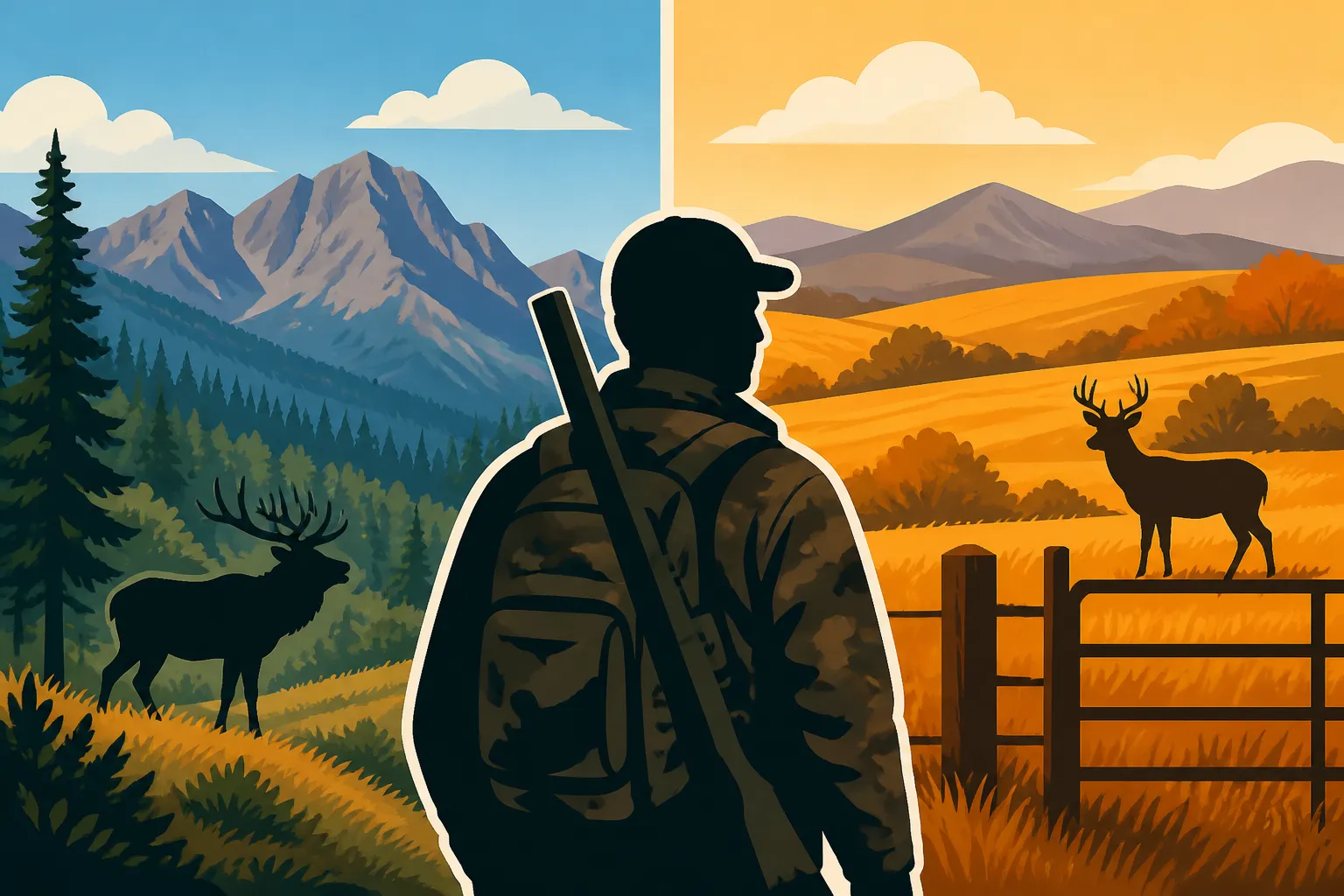
One of the biggest head-scratchers for anyone planning a hunt in Colorado is figuring out where to even begin: do you dive into the vast, often crowded, public lands, or try to crack the code of elusive private property access? It’s a classic dilemma, leaving many hunters feeling overwhelmed before they even pack their boots. This comprehensive guide will peel back the layers of both public and private land hunting in the Centennial State, helping you understand the unique challenges and opportunities each presents so you can plan your next adventure with confidence.
The Fundamental Divide: Public Versus Private Lands
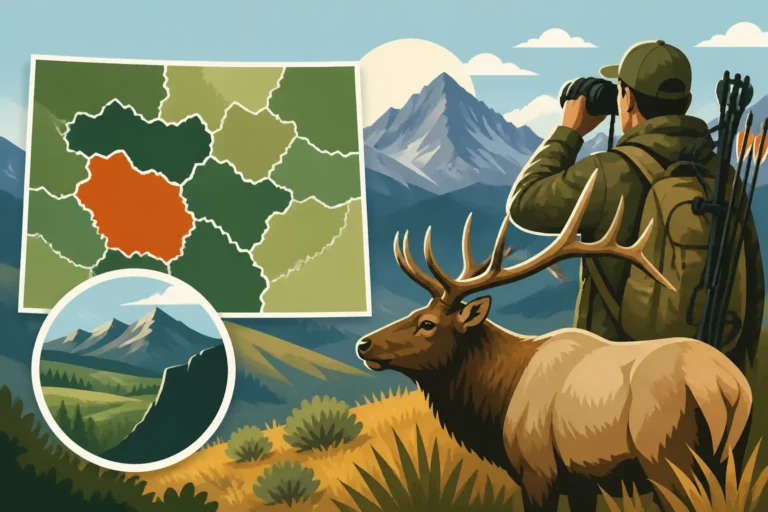
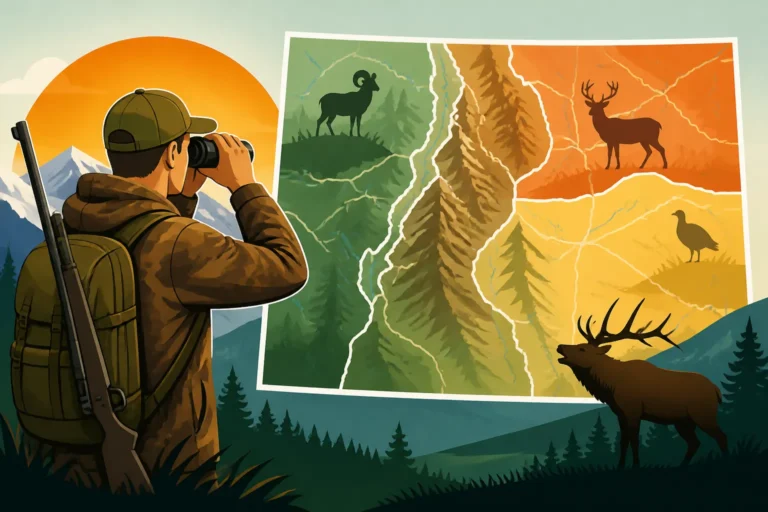
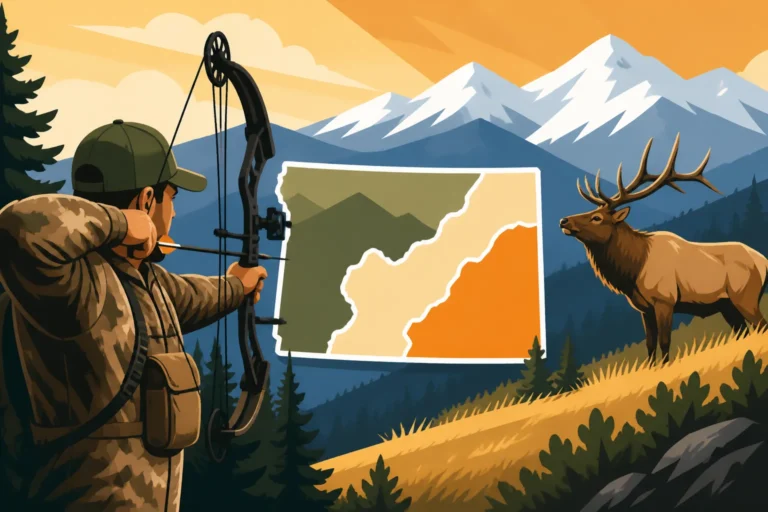
When you’re looking at a Colorado hunting map, whether it’s a physical one or a digital overlay, you'll immediately notice the intricate patchwork of colors. Each color represents a different land ownership status, and understanding these distinctions is the absolute bedrock of planning a successful hunt here. It's not just about finding game; it's about legally accessing where the game lives.
Defining Public Land Access
Colorado boasts an incredible amount of public land, a resource that is the envy of many other states. We're talking millions of acres managed by various agencies, all theoretically open to you, the hunter. These include the massive tracts of National Forests, the Bureau of Land Management (BLM) lands, State Trust Lands, and various State Wildlife Areas (SWAs) managed by Colorado Parks and Wildlife (CPW). The sheer scale is both a blessing and a curse. On one hand, you have boundless opportunities for a true wilderness experience, often with nothing but your boots and a pack to carry you deep into elk country. On the other hand, this vastness also means navigating complex regulations, understanding specific closures, and dealing with significant hunter pressure in easily accessible areas.
For many, the allure of a Colorado DIY Elk Hunting Guide is the freedom and lower cost associated with public land. You can literally walk for miles and not see another soul, but you have to earn that solitude. It often means going where others won't – deeper into wilderness areas, higher up rugged peaks, or into dense, dark timber that most hunters avoid. Access to these lands is generally unrestricted beyond normal hunting regulations and any specific land management rules, such as motorized vehicle restrictions or camping guidelines.
Understanding Private Land Boundaries
Private land, on the other hand, is a whole different ballgame. These are properties owned by individuals, corporations, or even hunting ranches, and access is strictly controlled. The appeal here often lies in the promise of less hunter pressure, potentially higher game populations, and sometimes, better trophy quality due to less disturbance. However, gaining access isn't as simple as just showing up. You're typically looking at three main avenues: outright permission from the landowner (often rare and requires a pre-existing relationship), purchasing a hunting lease, or booking a guided hunt through an outfitter who has secured private land access.
Securing private land access can offer a completely different experience. Imagine rolling hills of sagebrush and ponderosa pines, or vast agricultural fields bordering prime bedding areas, all without another hunter's truck in sight. This exclusivity is a huge draw, especially during high-pressure rifle seasons. But it comes with a cost – both literally and in terms of the effort required to forge those connections or save up the funds. The rules on private land are also dictated by the landowner, in addition to state hunting regulations, so what's permissible can vary greatly from one property to the next.
The "Checkerboard" Reality in Colorado
Perhaps the most challenging aspect of land ownership in Colorado is the "checkerboard" pattern, especially prevalent in many western states. This refers to the historical land grants that created an alternating pattern of public and private sections, often one square mile each. Picture a chessboard laid out over the mountains and plains. You might find a section of public land completely surrounded by private land, making it effectively landlocked and inaccessible without crossing private property.
Understanding this checkerboard is absolutely critical to avoid trespassing, which can lead to hefty fines, loss of hunting privileges, and even confiscation of game. This is where tools like onX Hunt become indispensable, clearly delineating public and private boundaries right on your phone or GPS device. Without a detailed map, it's incredibly easy to inadvertently step onto private property, even if you thought you were following a well-worn game trail. This complex intermingling means every hunter, regardless of whether they prefer public or private, needs to be hyper-aware of where they are at all times.
Navigating the Public Land Landscape
For many, public land hunting in Colorado represents the ultimate adventure. It's often where dreams are made, and sometimes, broken. But with the right mindset and tools, it can be an incredibly rewarding experience.
Embracing the Challenge and Rewards of DIY
Hunting public land in Colorado is, for most, a true do-it-yourself endeavor. You're responsible for everything: scouting, navigation, gear, packing out an animal, and making all the strategic decisions. This can be intimidating, especially for those new to western hunting. The mountains are rugged, the weather can be unpredictable, and the sheer effort required to get away from other hunters can be immense. However, the rewards are equally grand. There's an unparalleled sense of accomplishment when you successfully harvest an animal after days or weeks of planning and physical exertion, knowing you did it all on your own terms.
The primary challenge on public land, especially in readily accessible areas or during popular seasons like the first rifle season, is hunter pressure. You'll likely see other trucks at trailheads, hear distant shots, and maybe even bump into other hunters in the field. This pressure can push elk and deer into thicker cover, higher elevations, or completely change their daily patterns. Successful public land hunters learn to adapt to this reality. They understand that the easiest spots often hold the fewest animals, and that putting in the extra miles or climbing the extra ridge often pays off significantly. Think of it as a chess match against both the animals and other hunters.
Essential Tools for Public Land Success
To truly excel on public land, you need more than just a rifle and some camo; you need an arsenal of information and navigation tools. At the top of that list are mapping applications. Programs like onX Hunt have revolutionized how we interact with public lands. They show you land ownership boundaries, roads, trails, wilderness areas, topographical features, and even recent satellite imagery. This level of detail allows you to effectively E-Scout Colorado Units from your living room, identifying potential travel corridors, bedding areas, and water sources long before you ever set foot in the field.
Beyond digital maps, physical maps are still vital as a backup, especially in areas with no cell service. Colorado Parks and Wildlife also provides an excellent Colorado Hunting Atlas Explained, which is an interactive online map that shows game management unit (GMU) boundaries, land ownership, and specific regulations. Utilizing these tools allows you to go into your hunt with a solid plan, understand where you can and cannot go, and make informed decisions on the fly when you're tracking an animal or dealing with unexpected pressure. Remember, preparation is not just about physical fitness; it's about intellectual readiness.
Strategies for Finding Unpressured Areas
The holy grail of public land hunting is finding those pockets of unpressured animals. It’s not always about finding a secret honey hole, but often about working harder and smarter than the average hunter. One of the most effective strategies is simply to go deeper. Most hunters will only venture a mile or two from the road or trailhead. Push past that. If you can cover 3-5 miles into a wilderness area, you’ll likely leave 90% of the competition behind. This often requires significant physical conditioning and proper gear, especially if you anticipate having to How to Pack Out an Elk in Colorado from a remote location.
Another strategy is to hunt during less popular times. Mid-week hunts often see fewer hunters than weekends. If you have the flexibility, try to schedule your hunt to avoid peak weekend pressure, especially during the rifle seasons. Additionally, focusing on less accessible terrain, such as steep canyons, dense timber, or areas that require river crossings, can pay huge dividends. Elk and deer are masters at finding refuge, and they’ll often gravitate to areas that humans find difficult or unpleasant to traverse. Learning How to Hunt Elk in the Dark Timber can be a game-changer when others are focusing on open parks. Lastly, understanding game movements and how they react to pressure is key. If hunters are pushing elk from one side of a ridge, position yourself on the other side of their likely escape route.
Unlocking the Gates to Private Land Hunting
While public land offers unparalleled access, private land presents its own unique set of opportunities and challenges. The investment is often higher, but the potential for a more controlled, less pressured hunt can be incredibly appealing.
The Different Avenues for Access
Gaining access to private land for hunting in Colorado primarily revolves around a few key avenues. The most straightforward, but often hardest to secure, is direct permission from a landowner. This usually means knocking on doors, making phone calls, and, ideally, having a personal connection or a referral. Many landowners are wary of granting access due to past negative experiences, so building trust and demonstrating respect is paramount. Often, offering to help with chores like mending fences or checking cattle can be a fantastic way to start building that relationship.
Another common method is leasing hunting rights. This involves paying a fee to a landowner for exclusive or semi-exclusive hunting access to their property for a specific season or period. Leases can range from small parcels to vast ranches and vary wildly in price. Finally, booking a guided hunt through an outfitter is a popular choice, especially for non-residents. Outfitters often lease or own vast tracts of private land, offering hunters a premium experience that includes guides, lodging, and often higher success rates due to controlled access and expert knowledge of the terrain and game. Additionally, Colorado has a Colorado Ranching for Wildlife Explained program, where landowners manage their property for wildlife in exchange for antlered and antlerless tags, some of which are sold to the public or provided to outfitters. These hunts often occur on premier private ranches.
Building Relationships with Landowners
Successfully hunting private land often boils down to relationships. Many hunters dream of simply driving up to a ranch and getting permission, but the reality is more nuanced. Landowners are often inundated with requests, and they want to know who they are entrusting their property to. When you approach a landowner, whether in person or by phone, be polite, respectful, and clear about your intentions. Dress presentably. Offer references. Offer to help them out – maybe you’re a skilled mechanic, or you can help with fence repairs, or perhaps you can just offer to help them clean up their property after the season.
It’s crucial to present yourself as a responsible, ethical hunter. Emphasize that you will respect their property, close all gates, pack out all your trash, and be mindful of livestock. If you get permission, leave the property better than you found it, and consider sending a thank-you note or a small gift at the end of the season. A positive relationship today can mean continued access for years to come. Remember, the goal is to be a guest, not just a hunter. This approach is fundamental to How to Get Landowner Permission in Colorado.
The Financial Investment in Private Land
While public land hunting is often seen as the more budget-friendly option, private land access typically comes with a steeper price tag. Direct permission from a landowner might be free, but as mentioned, it’s rare. Hunting leases can range from a few hundred dollars to tens of thousands, depending on the acreage, location, game potential, and exclusivity. For example, a prime mule deer lease on the Eastern Plains might cost significantly less than an elk lease in the Western Slope mountains with guaranteed bull opportunities.
Guided hunts are usually the most expensive option, often ranging from $4,000 to $10,000+ for a multi-day elk hunt, not including tags, travel, or taxidermy. These packages usually include lodging, meals, guides, and game retrieval, taking much of the logistical burden off the hunter. While costly, this investment can increase your odds of success, particularly for non-residents or those new to the challenging Colorado terrain. Landowner tags, often associated with Ranching for Wildlife properties or direct sales from landowners, also carry a premium, sometimes well above the standard CPW license fees. Weighing this financial investment against your budget and desired experience is a critical step in planning your hunt.
Key Considerations When Making Your Choice
Deciding between public and private land isn't just a matter of checking your bank account. It’s about understanding what kind of experience you're truly seeking and what trade-offs you're willing to make.
Hunter Pressure and Solitude
The level of hunter pressure is arguably the biggest differentiator between public and private land hunting in Colorado. On public lands, especially during popular rifle seasons, you can expect company. Trailheads fill up, ATVs buzz down forest roads, and you might hear distant shots or see other hunters glassing the same basins. While strategies exist to mitigate this, such as hunting wilderness areas or focusing on weekdays, true solitude can be elusive unless you're willing to push deep into remote areas or hunt less popular units.
Private land, by its very nature, offers a much higher degree of solitude. If you've leased exclusive hunting rights, or you're on a guided ranch hunt, you might be the only hunters for miles. This means less disturbance for the animals, potentially leading to more predictable patterns and less wary behavior. For many, the peace and quiet, combined with the feeling of having the woods to themselves, is worth the extra cost. This reduced pressure often allows animals to follow more natural routines, making them potentially easier to pattern and locate.
Cost Versus Experience
Cost is a major factor for most hunters. Public land hunting is generally the most economical option. Aside from your Colorado hunting license and specific tags, you're primarily paying for gear, travel, and food. You can tailor your expenses to your budget, opting for a tent camp over a cabin, or bringing your own meals instead of eating out. This DIY approach embodies the spirit of self-reliance for many, and the lower financial barrier makes it accessible to a wider range of hunters.
Private land hunting, as discussed, usually involves a higher financial outlay. Whether it's a lease, a landowner tag, or a guided hunt, you're paying for exclusivity and, often, a higher chance of success. For some, this investment is completely justified. A guided hunt can be a bucket-list experience, providing invaluable knowledge, high-quality accommodations, and professional assistance with everything from scouting to meat retrieval. For others, the raw, independent experience of public land, despite its challenges, is priceless. It truly boils down to what you value most: the freedom of the wilderness and a lower price tag, or the comfort, exclusivity, and higher success potential that private land often affords.
Game Quality and Opportunity
There's a common perception that "all the big animals are on private land." While private lands, especially those managed for wildlife or participating in programs like Colorado Ranching for Wildlife Explained, can certainly hold impressive game, this isn't universally true. Colorado has a robust elk and deer population across much of its public lands, and trophy animals are harvested on public ground every year. The difference often lies in the opportunity and consistency.
On private land, with reduced pressure and often supplemental feeding or habitat management, animals may indeed grow larger and be less wary. Your chances of encountering a mature animal on a well-managed private ranch might be higher than in a heavily hunted public unit. However, skilled public land hunters who put in the effort to get away from the crowds consistently find and harvest excellent animals. It’s often a matter of finding those overlooked public land honey holes, putting in the physical effort, and possessing the tracking and hunting skills to succeed where others fail. For someone just starting, considering Best Colorado Elk Hunting Areas for Beginners on public land might be a great way to gain experience before investing heavily in private access.
| Feature | Public Land Hunting | Private Land Hunting |
|---|---|---|
| Access | Generally open; requires self-navigation & e-scouting | Restricted; requires permission, lease, or guided hunt |
| Cost | Lower (license, gear, travel) | Higher (leases, landowner tags, guided hunt fees) |
| Hunter Pressure | High in accessible areas; low in remote backcountry | Generally low; often exclusive access |
| Solitude | Earned through effort and remoteness | High degree of solitude |
| Game Quality | Excellent potential, but requires more skill/effort | Often perceived as higher due to less pressure/management |
| Opportunity | Vast, but can be competitive; requires adaptability | Controlled, potentially higher success rates |
| Logistics | All DIY; challenging | Often handled by outfitter/guide; less logistical burden |
| Flexibility | High; choose your unit, camp, and pace | Limited by landowner rules/outfitter schedule |
| Tools Needed | onX Hunt, physical maps, CPW Atlas | Lease agreements, outfitter contracts, trust-building |
Leveraging Technology for Both Public and Private Access
In today's hunting world, technology isn't just a convenience; it's a necessity. Regardless of whether you’re pounding public dirt or walking private pastures, digital tools can dramatically enhance your planning, navigation, and ultimately, your success.
Mapping Applications as Your Digital Guide
Mapping applications like onX Hunt are absolute game-changers for any hunter in Colorado. Think of it as having an incredibly detailed, always-updated map of the entire state right in your pocket. For public land hunters, this means knowing exactly which parcels are National Forest, BLM, or State Trust Land, and more importantly, which are private and to be avoided. You can mark waypoints for game sightings, water sources, rubs, scrapes, or potential bedding areas. You can also track your movements, measure distances, and even identify steepness of terrain, which is critical when you're trying to figure out How to Pack Into the Colorado Backcountry.
Beyond just land ownership, these apps provide topo maps, satellite imagery (including historical views that can show changes over seasons), and even features like wildfire boundaries or roadless areas. When you're trying to plan a deep dive into an area to escape pressure, knowing exactly where the wilderness boundaries are or where motorized access ends is invaluable. For hunters navigating the complexities of the Colorado checkerboard, onX Hunt’s color-coded property boundaries provide real-time assurance that you are on the right side of the fence, preventing costly trespassing mistakes.
E-Scouting Platforms for Pre-Hunt Intelligence
Before you even tie your boots, e-scouting can give you a significant advantage. Platforms like GoHunt take mapping and public data to the next level, offering detailed unit information, draw odds, harvest statistics, and a wealth of community-sourced intelligence. This is where you can dive deep into a specific Game Management Unit (GMU) and understand its history, success rates, and even recent changes that might impact your hunt. For example, knowing that a particular unit had a higher success rate for archery elk last year, or that a specific area saw a recent wildfire, can profoundly influence your planning.
GoHunt also often integrates with mapping data, allowing you to not just see where the public land is, but what kind of public land it is, its characteristics, and how game might behave within it. For hunters looking to build preference points or draw a specific tag, these platforms offer crucial insights into tag numbers, historical draw data, and predictions for future seasons. It’s like having an advanced intelligence briefing before you even apply for your tag, allowing you to make smarter choices about where to hunt and which tags to pursue. This is a powerful complement to traditional scouting and understanding Colorado Hunting Access Maps Explained.
Real-World Application: Planning Your Hunt
The true power of these technologies comes when you integrate them into your overall hunt planning, whether on public or private ground. Let's say you're planning a Colorado Backcountry Hunting Guide trip into a wilderness area. You might use GoHunt to research the best GMUs with good elk populations and relatively low draw odds for an Over-The-Counter (OTC) tag. Once you've identified a unit, you'll then switch to onX Hunt to meticulously scout the area from home. You'd look for:
- Access points: Where can you legally park and start your hike?
- Terrain: Identify steep slopes, saddles, benches, and potential bedding areas at different elevations.
- Water sources: Essential for elk, and can indicate game trails.
- Travel corridors: How might elk move between bedding and feeding areas, especially under pressure?
- Escape routes: Where would elk go if pressured in a certain basin?
Then, you overlay public land data, noting any private inholdings that might create a funnel or block access. You mark potential camp spots, glassing knobs, and areas to avoid. This pre-hunt diligence, informed by technology, means that when you finally hit the ground, you're not starting from scratch. You have a detailed plan, multiple contingencies, and the confidence that you're hunting legally and strategically. Even on private land, these tools are useful for understanding the property's topography, identifying key game features, and ensuring you stay within the agreed-upon boundaries.
Disclaimer
Hunting is an inherently risky activity. This article provides general information and recommendations but does not guarantee success or safety. Always consult the most current Colorado Parks and Wildlife regulations, understand local weather conditions, and be aware of your physical limitations. Personal safety and ethical hunting practices are paramount.