Colorado State Trust Land Hunting
Finding decent hunting ground in Colorado can feel like a relentless treasure hunt, especially when public land seems overrun or locked up behind private gates. It’s a common frustration to scout a promising area only to find it’s inaccessible or requires navigating a maze of land ownership. This guide is dedicated to shedding light on Colorado State Trust Lands, a sometimes overlooked and often misunderstood resource that can offer incredible hunting opportunities if you know how to find them and, crucially, how to access them properly.
Understanding Colorado State Trust Lands and Their Purpose
Colorado State Trust Lands (STLs) are distinct from other public lands like National Forests or Bureau of Land Management (BLM) areas, and understanding this distinction is key to successful and legal hunting. These lands, totaling around 2.8 million acres across the state, were granted to Colorado at statehood in 1876 by the federal government. Their sole purpose is to generate revenue to support public education throughout the state, from K-12 schools to colleges. This fundamental mission shapes how these lands are managed and how public access is granted.
The Origin and Management of State Trust Lands
Unlike federal lands which are managed for multiple uses including recreation, STLs operate under a fiduciary responsibility to maximize income for schools. This means the State Land Board (CSLB) manages these properties much like a private landlord, leasing them out for various economic activities such as grazing, timber harvesting, mineral extraction, and, yes, even recreation. Because their primary goal isn't public recreation, access to STLs isn't automatic or universal; it's often a privilege granted under specific conditions, and sometimes it's simply not available. They are a unique beast in the Colorado hunting landscape, offering both challenges and rewards to those willing to learn the ropes.
How State Trust Lands Differ from Federal Public Lands
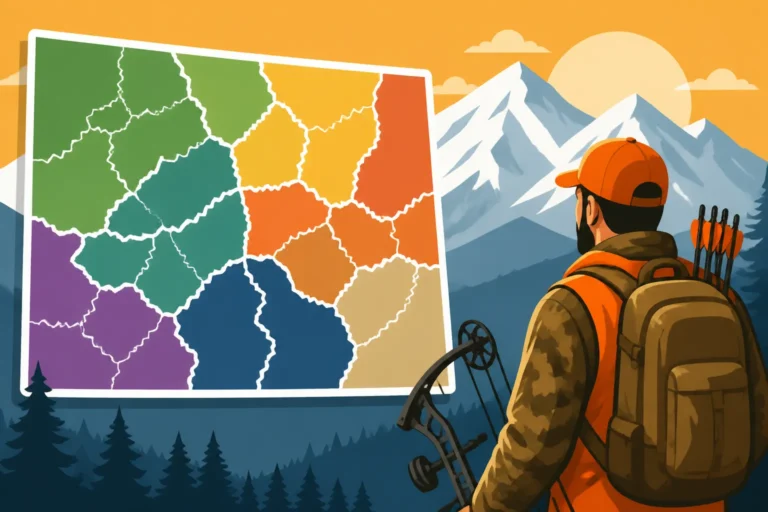
The differences between State Trust Lands and federal public lands like National Forests or BLM acreage are more than just bureaucratic; they impact every aspect of how you can hunt them. On federal lands, you generally have broad access for hunting, camping, and other recreational activities, often without specific permits beyond your standard hunting license. With STLs, however, the underlying principle is revenue generation, which means public access is often contingent on a specific lease agreement or program. You might find a parcel of State Trust Land completely surrounded by private property with no public access, or you might find one where public access is granted, but with very specific rules about what you can and can't do. These lands are interwoven throughout Colorado, often appearing as checkerboard patterns on maps, making it crucial to use reliable mapping tools to discern their boundaries and access points.
Navigating Public Access to State Trust Lands for Hunting
One of the biggest hurdles for hunters looking at State Trust Lands is understanding the rules for access. It’s not as simple as pulling off the highway and walking in. The Colorado State Land Board, in conjunction with Colorado Parks and Wildlife (CPW), manages various programs to allow public access for hunting, but each program has its own set of guidelines, and not all STLs are part of these programs. Diligence in research before you ever leave home is paramount.
Understanding the Different Access Programs
The most common way hunters gain access to Colorado State Trust Lands is through the Public Access Program, often facilitated by CPW. These agreements allow hunters, anglers, and other recreationists onto specific STL parcels that have been identified as suitable for public use, often for a fee or as part of a general hunting license requirement. Some STLs are also leased for agriculture or ranching, and sometimes, the private lessees might offer public hunting access directly, although this is less common and usually comes with its own set of rules and possibly fees. It’s vital to distinguish between general access and specific hunting access, as not all public-accessible STLs permit hunting, or they might have seasonal restrictions. Always check the current CPW regulations and the State Land Board’s website for the most up-to-date information on specific parcels.
Permits, Fees, and Specific Regulations
For those STLs enrolled in public access programs, a valid hunting license is almost always required, and in some cases, a separate public access permit or fee might apply. For example, some parcels might be part of the Colorado Walk-In Access Program, which allows foot access on private lands and some STLs without additional fees, but only during specific seasons and for designated species. Other parcels may require purchasing a special permit directly from the State Land Board or CPW.
Beyond permits, general regulations on STLs often prohibit certain activities common on federal lands:
- Camping: Generally not allowed.
- Fires: Open fires are typically prohibited.
- Motorized Vehicles: Access is almost exclusively foot or horseback only; vehicles usually restricted to established roads and parking areas, if allowed at all.
- Target Shooting: Often restricted or prohibited to prevent conflicts with other uses or users.
- Weapon Discharge: Generally, discharge is only allowed for the purpose of hunting specific game during legal seasons.
It's a lot to keep track of, but ignoring these rules can lead to citations, fines, or even the loss of public access to these valuable hunting areas. Always consult the specific regulations for the GMU (Game Management Unit) and the particular STL parcel you intend to hunt. This due diligence ensures a responsible and enjoyable experience, protecting these lands for future use.
Finding State Trust Lands and Planning Your Hunt
The old adage "you can't hunt 'em if you can't find 'em" holds particularly true for Colorado State Trust Lands. These parcels are often small, dispersed, and can be easily confused with private or other public lands. Effectively locating and scouting these areas requires modern mapping tools and a keen eye for detail.
Utilizing Modern Mapping Tools
The best way to identify and navigate State Trust Lands is by using digital mapping applications like onX Hunt or GoHunt. These apps overlay various land ownership types, including STLs, onto detailed topographic maps. With onX Hunt, for example, you can toggle layers to clearly see the boundaries of State Trust Lands, often color-coded, allowing you to discern them from private land, National Forest, or BLM. This is absolutely critical because many STL parcels are intermingled with private property, and trespassing is a serious offense.
When e-scouting with these tools, look for:
- Access Points: Are there established roads, trails, or easements leading to the STL parcel?
- Surrounding Land: Is it bordered by private land that might restrict access, or by other public lands where access is more straightforward?
- Topography and Habitat: Does the terrain look promising for the species you're pursuing?
Don't just look at the colors on a map; zoom in, check satellite imagery, and identify potential entry points, water sources, and bedding areas. Many experienced hunters will tell you that a thorough e-scout using these applications can save days of fruitless in-person scouting, especially when trying to hunt Colorado Public Land Hunting Guide.
E-Scouting Strategies for STLs
E-scouting for State Trust Lands requires a slightly different approach than for vast tracts of National Forest. Since many STLs are smaller, isolated parcels, you'll want to focus on:
- Connectivity: Do these parcels connect to larger blocks of other public land, creating continuous habitat? Or are they stand-alone islands surrounded by private land? The latter might have unique challenges but also less pressure.
- Topographical Features: Look for drainages, saddles, benches, and south-facing slopes. These are key areas where game animals, especially elk and deer, will feed, bed, and travel.
- Water Sources: Identify any ponds, streams, or springs. Water is often a limiting factor in many Colorado ecosystems, and game animals will congregate around reliable sources.
- Cover and Feed: Use satellite imagery to identify different vegetation types. Dense timber or north-facing slopes might offer bedding cover, while open parks or aspen groves could provide foraging opportunities.
When planning your hunt, always cross-reference your digital map findings with the official Colorado State Land Board and CPW websites. Some access agreements are seasonal, or specific to certain species. For instance, a parcel open for deer hunting might not be open for bear, or it might be closed during a specific season. This detailed research is part of the planning process and falls under understanding How Colorado GMUs Work.
Hunting Strategies and Considerations for State Trust Lands
Successfully hunting Colorado State Trust Lands isn't just about finding them and knowing the rules; it's about adapting your hunting strategy to their unique characteristics. These lands can hold significant game, but often present different challenges compared to the sprawling federal lands.
Common Game Species and Their Behaviors
You can find a variety of big game on Colorado State Trust Lands, depending on their location and habitat.
- Elk: Many STLs in western Colorado’s mountainous regions provide critical habitat for elk, especially during archery and early rifle seasons. Look for STLs that offer a mix of timber for cover and open meadows for grazing. Elk might use these parcels as travel corridors between larger public land blocks or as isolated pockets of refuge. Learning How to Find Elk When They Go Quiet on pressured lands can be a valuable skill here.
- Mule Deer: Mule deer are also common, particularly in areas with good browse and rugged terrain. They often thrive in the transitional zones between sagebrush flats and timbered slopes. Consider STLs that are adjacent to agricultural fields or private lands, as deer will often move between these areas.
- Pronghorn: On the eastern plains, many STLs are prime pronghorn habitat, characterized by vast grasslands and rolling hills. Access to these plains parcels is typically easier, but finding pronghorn often means covering a lot of ground and utilizing optics effectively.
- Black Bear: Bear populations can be found in timbered STLs, especially those with oak brush or berry-producing plants. Fall bear hunts often coincide with other big game seasons.
- Small Game & Upland Birds: Don't overlook the potential for rabbits, coyotes, and various upland birds like grouse or pheasants, depending on the specific habitat of the STL.
Because many STLs are smaller and often bordered by private land, game animals using them might be more patternable. They might move onto STLs during low-light hours to feed and then retreat to private land or denser cover during the day, or vice versa. Identifying these patterns is key.
Hunter Pressure and Ethical Considerations
While State Trust Lands offer great opportunities, they can also experience high hunter pressure, especially those parcels easily accessible from major roads. Hunters might concentrate on these smaller, more manageable blocks, leading to crowded conditions. If you're looking to avoid crowds, you'll need to seek out STLs that require a longer hike or are more difficult to reach. Using e-scouting tools to identify roadless areas or parcels with limited access points can lead you to less pressured spots.
Ethical behavior is paramount on STLs. Remember, these are working lands that often have livestock, active agricultural operations, or mineral leases.
- Respect Private Property: Stay strictly within the STL boundaries and do not trespass onto adjacent private lands, even if it's just for retrieving game or spotting.
- Leave No Trace: Pack out everything you pack in. This includes spent casings, food wrappers, and any other trash.
- Know Your Backstop: Be extremely conscious of your shooting lanes and what lies beyond your target. There might be livestock, equipment, or even residences on adjacent private land.
- Communicate: If you encounter agricultural workers or other users, be courteous and respectful. They are often part of the reason public access is allowed.
By acting as responsible stewards of these lands, we help ensure that public access for hunting continues for generations to come. This also aligns with principles often discussed in a Colorado DIY Elk Hunting Guide where self-reliance and responsibility are key.
Pros and Cons of Hunting Colorado State Trust Lands
Every type of hunting ground has its advantages and disadvantages, and Colorado State Trust Lands are no exception. Weighing these factors can help you decide if STLs are the right choice for your next hunt.
Advantages of Hunting State Trust Lands
For many hunters, STLs represent a valuable, albeit sometimes challenging, opportunity.
- Less Hunter Pressure (in some areas): While some easily accessible STLs can be crowded, many smaller, harder-to-reach parcels are overlooked by the general hunting populace. Hunters willing to put in the effort to find these hidden gems, often requiring significant hiking or navigating complex land ownership, can be rewarded with a more solitary experience. These areas can sometimes act as de facto refuges for game animals escaping pressure on larger federal lands, especially after opening day.
- Diverse Habitat Potential: State Trust Lands are incredibly varied in their terrain and ecosystem. You can find them in high-elevation timber, sagebrush flats, aspen groves, and open plains. This diversity means they can hold a wide array of game species, from elk and deer in the mountains to pronghorn and even some pheasants on the eastern plains. A specific parcel might offer exactly the type of habitat you're looking for, potentially providing a localized hunt for a specific species like those covered in a Colorado Pronghorn Hunting Guide.
- Proximity to Urban Areas: Some STLs are located closer to population centers than large national forests or wilderness areas, making them accessible for day hunts or shorter trips without extensive travel. This can be a huge benefit for hunters with limited time or resources. While not always true, discovering a productive STL parcel within a reasonable drive can be a game-changer for regular outings.
- Part of a Larger Strategy: For those hunting larger GMUs that include a mix of public land types, STLs can be critical pieces of the puzzle. They might connect larger federal blocks, provide key travel corridors, or offer unique foraging opportunities adjacent to private agricultural lands, allowing you to intercept game moving between different cover types.
Disadvantages and Challenges
It's not all sunshine and big bulls when it comes to State Trust Lands. Hunters need to be aware of the potential downsides.
- Complex Access Rules: As discussed, access isn't automatic. Hunters must meticulously research each parcel for specific permits, restrictions, and legal entry points. This requires significant pre-hunt planning and often involves checking multiple sources like CPW and CSLB websites. Failing to do so can lead to trespassing charges or frustrating dead ends in the field.
- Dispersed and Fragmented Parcels: STLs are not typically vast, contiguous blocks of land. Instead, they are often scattered across the landscape, intermingled with private properties. This fragmentation makes navigation challenging and can limit the scope of a hunt. You might find a promising 160-acre block, but it might be completely surrounded by "No Trespassing" signs, rendering it effectively unhuntable without landowner permission.
- Primary Use Not Recreation: Remember, the primary purpose of STLs is revenue generation. This means you might encounter active ranching operations, oil and gas drilling, timber harvesting, or other industrial activities during your hunt. These activities can disturb game, create noise, or require you to alter your hunting plans significantly. Hunters need to be flexible and understand that they are guests on these working lands.
- Potential for High Pressure on Accessible Parcels: The flip side of "less hunter pressure" on remote STLs is that easily accessible parcels, especially those enrolled in general public access programs, can be extremely popular. This can lead to crowded conditions, increased game spookiness, and a less enjoyable experience, particularly during opening weekends of rifle seasons.
To help visualize these differences, here's a quick comparison of common public land types in Colorado:
| Feature | State Trust Land (STL) | National Forest (NF) | Bureau of Land Management (BLM) |
|---|---|---|---|
| Primary Purpose | Fund public education (revenue) | Multiple use (recreation, timber, etc.) | Multiple use (grazing, recreation, etc.) |
| Access Rules | Highly specific, often permit-based | Generally open, fewer restrictions | Generally open, moderate restrictions |
| Permits/Fees | May require specific STL permit/fee | Standard hunting license only | Standard hunting license only |
| Camping | Generally prohibited | Usually allowed (dispersed/designated) | Usually allowed (dispersed/designated) |
| Vehicle Access | Foot/horse only, strict road limits | More liberal, designated roads/trails | More liberal, designated roads/trails |
| Pressure | Varies wildly (low to very high) | Moderate to high | Moderate to high |
| Size/Continuity | Fragmented, small to moderate parcels | Large, contiguous blocks | Large, often contiguous blocks |
| Management | Colorado State Land Board | U.S. Forest Service | U.S. Department of Interior |
By understanding these nuances, you can better plan your approach to hunting Colorado's diverse public land offerings and increase your chances of a successful and responsible hunt. For further exploration of options, consider delving into a Colorado National Forest Hunting Guide or Colorado BLM Land Hunting.
Maximizing Your Success on State Trust Lands
Hunting State Trust Lands successfully means being prepared, adaptable, and respectful. It’s an approach that combines meticulous planning with on-the-ground awareness.
Pre-Hunt Research and Contingency Planning
Your success on STLs begins long before you set foot in the field. The detailed research we've discussed isn't just a suggestion; it's a necessity. Start by identifying potential STL parcels within your desired GMU and research each one individually using the Colorado State Land Board's interactive map and CPW's public access programs. This will tell you if the land is even open for public hunting and under what conditions.
Beyond just identifying access, truly dive into the details:
- Verify Access Dates: Some access agreements are only valid for specific months or seasons.
- Check Species-Specific Rules: A parcel might be open for deer but not elk, or only for archery season.
- Parking & Entry Points: Confirm where you can legally park and if there are designated access trails. This is where How to E-Scout Before a Colorado Hunt becomes invaluable, helping you spot these details from your computer.
- Contingency Plans: Have backup STLs or other public land options in mind. If you arrive at your primary spot and find it overcrowded, or discover an unforeseen restriction, you'll want alternative plans ready to go. Don't put all your eggs in one basket with these smaller, often more volatile, access parcels.
Being informed means being prepared for anything. This might mean having a Colorado Backcountry Hunting Gear List ready, even for what seems like a simple day hunt, as conditions can change rapidly.
Respecting the Resource and Other Users
The continued public access to State Trust Lands depends heavily on how hunters and other recreationists conduct themselves. Think of yourself as an ambassador for the hunting community.
- Be a Good Neighbor: Many STLs are intermingled with private properties where people live, work, and recreate. Be mindful of noise, especially early in the morning or late in the evening. Avoid shining lights onto private residences or engaging in any behavior that could be perceived as disruptive.
- Follow All Regulations: This seems obvious, but it extends beyond hunting regulations. Adhere to trash policies, fire bans, and vehicle restrictions. If the sign says "Foot Traffic Only," leave your ATV at home. These rules are in place for a reason and often relate to the land's primary revenue-generating purpose.
- Communicate and Share: If you encounter other hunters or land users, a friendly nod or brief, respectful conversation goes a long way. Remember, everyone is out there to enjoy Colorado's wild spaces.
- Report Violations: If you witness illegal activities or clear violations of land use rules, report them to CPW or the local authorities. This helps protect the resource for everyone and maintains the integrity of public access programs.
By showing respect for the land, the rules, and other users, you contribute to a positive relationship between the public and the Colorado State Land Board, helping to preserve these unique hunting opportunities for generations to come. It’s a core principle whether you’re hunting in a wilderness area or simply trying to figure out Public vs Private Land Hunting in Colorado.
Disclaimer
Always consult the official Colorado Parks and Wildlife (CPW) regulations and the Colorado State Land Board websites for the most current and specific information regarding hunting seasons, license requirements, and land access rules. Regulations can change, and it is the hunter's responsibility to know and follow all applicable laws. This guide is for informational purposes only and should not be considered a substitute for official resources.