Best Wheelchair-Accessible Hunting in Colorado
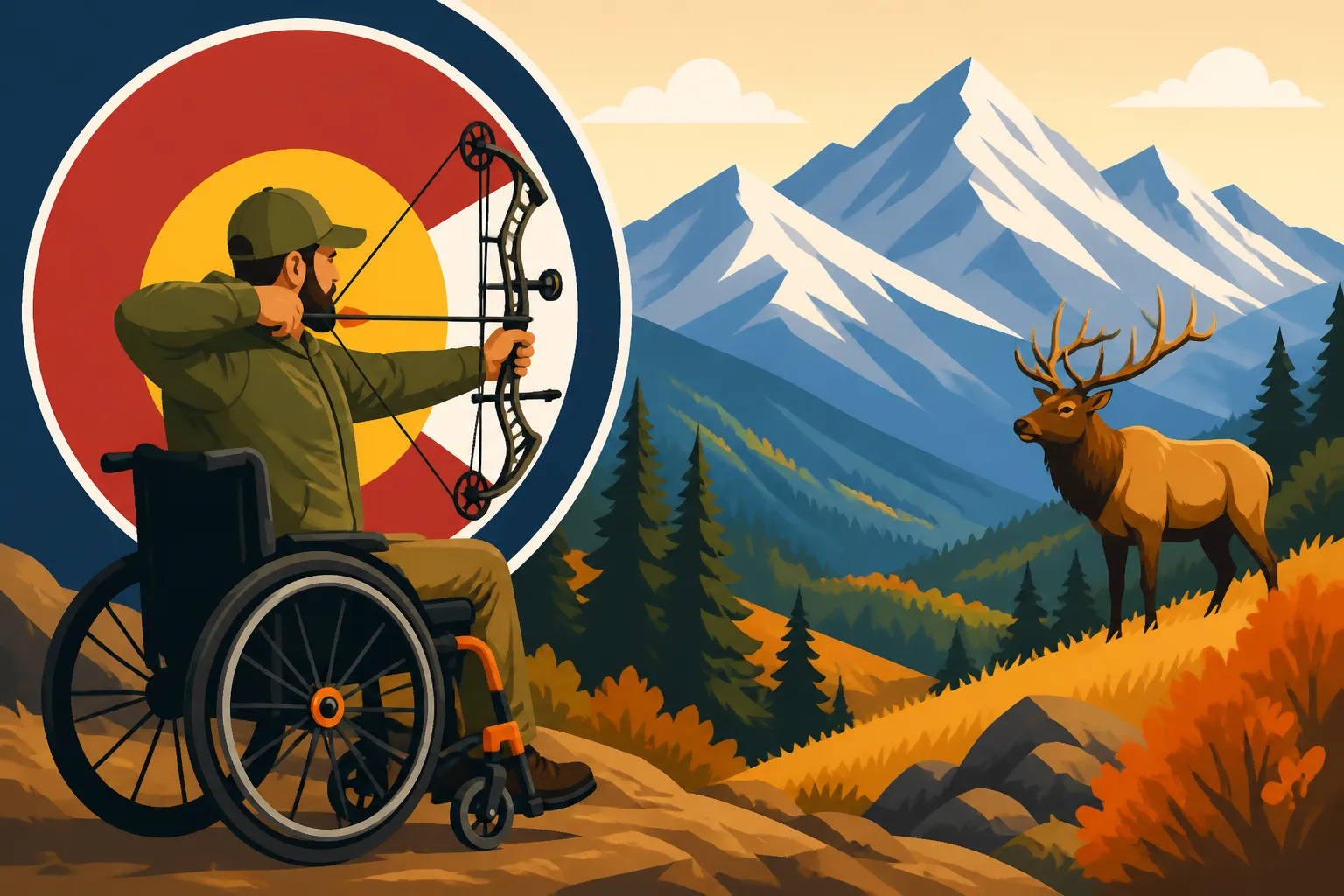
For hunters who face mobility challenges, particularly those who rely on wheelchairs, the rugged, beautiful terrain of Colorado can feel like an impossible dream. The thought of navigating steep slopes, dense timber, or rocky creek beds might seem to immediately disqualify a Western big game hunt. But I'm here to tell you that with the right preparation, knowledge of accessible areas, and strategic planning, the dream of hunting in Colorado from a wheelchair is absolutely within reach. This guide will walk you through how to identify suitable hunting grounds, what gear can make a difference, and how to maximize your opportunities for a successful and fulfilling experience.
Understanding "Accessible" Hunting in Colorado
When we talk about "accessible" hunting in Colorado, it's easy to picture a perfectly paved trail leading to a blind. While some areas do offer that, the reality of hunting in the West means we need to broaden our definition. For wheelchair users, accessibility extends far beyond basic ADA compliance to encompass the practicalities of navigating, setting up, and executing a hunt in often wilder environments.
More Than Just a Paved Trail
Let's be realistic: a truly "accessible" hunting spot in the Colorado mountains isn't always going to be a smooth, paved path. The challenge for wheelchair hunters isn't just getting to a general area, but being able to effectively hunt within it. This means looking for terrain that, while perhaps not perfectly flat, allows for stable movement, good sightlines, and practical game retrieval. It might mean areas with well-maintained gravel roads that allow a vehicle to get within reasonable proximity of a hunting spot, or open sagebrush flats where the ground is firm and relatively free of large obstacles.
Imagine trying to maneuver a wheelchair through dense, downed timber or across a boulder-strewn creek bed; it's simply not feasible for most. Instead, we're looking for subtle contours, open park-like areas within the timber, or large, expansive basins that can be glassed effectively from a stationary position or a modified vehicle. It's about finding that sweet spot where the natural environment presents opportunities rather than insurmountable barriers. You'll want to think about ingress and egress, potential shooting lanes from a seated position, and how you would manage game recovery if you were successful. Sometimes, "accessible" means being able to drive a UTV or track chair further into an area than a standard wheelchair could go, opening up a whole new world of possibilities.
Colorado Parks and Wildlife (CPW) Initiatives
The Colorado Parks and Wildlife (CPW) understands that hunting should be for everyone, and they do have programs and resources aimed at hunters with disabilities. While it's not always explicitly labeled "wheelchair accessible," many of their programs for hunters with mobility impairments can be incredibly beneficial. These often involve specific permits or special considerations for accessing areas typically restricted to vehicles, or provide opportunities for hunting from designated blinds or areas with enhanced accessibility features.
It's highly recommended to reach out to CPW directly, specifically their accessibility coordinator or your local Area Wildlife Manager. They can provide up-to-date information on specific opportunities, regulations, and even offer guidance on drawing licenses or finding suitable hunt codes. Sometimes, they'll have insights into specific State Wildlife Areas or parts of National Forests where accessibility has been a consideration. Don't be shy about asking questions about special draw codes or permits that might offer a higher chance of success in units that better suit your needs. Their website is a great starting point, but a direct phone call can often yield invaluable, personalized advice that you won't find in a general guide.
Identifying Promising Accessible Hunting Areas
Finding the right hunting area is critical for any hunter, but especially so for those with mobility impairments. You're not just looking for game-rich units; you're looking for game-rich units that also offer the logistical practicality of wheelchair access.
Leveraging Roads and Designated Routes
One of the most effective strategies for wheelchair-accessible hunting in Colorado is to focus on areas with extensive public road systems. These include a vast network of U.S. Forest Service roads (FS roads) and Bureau of Land Management (BLM) roads. Many of these are maintained gravel or dirt roads that allow for vehicle access deep into public lands. The beauty of these roads is that they often follow ridge lines, valley floors, or generally flatter contours, providing a relatively stable base for operations.
From a vehicle parked safely on a pull-out or from the side of a less-traveled road, you can often glass large areas, listen for elk bugles, or spot mule deer moving through the timber. These roads also frequently open up clear shooting lanes, something that can be a major challenge in dense, uneven terrain. However, always be mindful of signage: some roads may be closed seasonally or permanently to motorized vehicles, or they might transition from public to private land. This is where tools like onX Hunt become absolutely indispensable. You can clearly see public and private land boundaries, road networks, and topographic features right from your phone or tablet, allowing you to plan your movements and identify potential hunting spots before you even leave home. Utilizing these roads effectively means understanding the local regulations, being aware of other users, and ensuring you have a safe, legal spot to operate from.
National Forests and State Wildlife Areas
Colorado's National Forests are vast, but not all of them are a jumble of steep, impassable mountainsides. Certain areas, particularly within larger National Forests like the White River National Forest or the Grand Mesa National Forest, feature extensive road networks and expansive, relatively flat mesa tops or wide river valleys. For instance, the Grand Mesa is known for its high-elevation flat tops crisscrossed with roads and dotted with aspen groves, which can be much more forgiving than the jagged San Juan Mountains. Similarly, parts of the Routt National Forest near Steamboat Springs or Walden can offer more gentle terrain. When you're considering a Colorado National Forest Hunting Guide, prioritize units known for their more rolling topography or those with designated motor vehicle use maps (MVUMs) that show accessible routes.
Another excellent resource is Colorado's State Wildlife Areas (SWAs). Many SWAs are specifically designed with public access in mind, and some even feature accessible hunting blinds, paved parking, or relatively flat trails suitable for wheelchairs or track chairs. These areas might offer opportunities for waterfowl, small game, or even deer and elk depending on the SWA. For example, some SWAs on the Eastern Plains or along river corridors could provide great Colorado Whitetail Deer Hunting opportunities from accessible locations. Always check the specific regulations for each SWA, as some may have unique rules regarding vehicle access or hunting methods.
Lower Elevation and Plains Hunting Opportunities
When people think of hunting in Colorado, they often picture high-country elk. However, for wheelchair-accessible hunting, turning your attention to the lower elevations and especially the vast Eastern Plains can unlock fantastic opportunities. The plains offer incredibly flat terrain, which is naturally far more conducive to wheelchair mobility. This environment is prime for species like pronghorn and plains mule deer or whitetail deer.
Hunting pronghorn, for example, often involves extensive glassing from a vehicle or a stationary position, then making a strategic stalk. While the stalk itself might require a track chair or a strong partner to assist in moving across the prairie, the initial spotting and planning phases are very wheelchair-friendly. Decoying pronghorn is another method that can be adapted for wheelchair hunters, allowing you to set up in a predetermined, accessible location and wait for the game to come to you. You can learn more about Colorado Pronghorn Hunting Guide tactics to see if this type of hunt aligns with your capabilities. Furthermore, many small game species, like rabbits and certain upland birds, can be found in these flatter areas, providing additional hunting experiences without the extreme topographical challenges of the mountains.
| Hunting Area Type | General Accessibility | Species Often Found | Pros for Wheelchair Users | Cons for Wheelchair Users |
|---|---|---|---|---|
| Forest Service Roads | Good: Vehicle access often deep into public land. | Elk, Mule Deer, Bear | Stable surfaces for movement, good glassing points, clear shooting lanes. | Can be rough, seasonally closed, potential for heavy hunter traffic. |
| BLM Roads | Good: Similar to FS roads, often in sagebrush country. | Elk, Mule Deer, Pronghorn | Expansive views, relatively gentle terrain. | Roads can be less maintained, dusty, private land intermixed. |
| State Wildlife Areas | Variable: Some excellent, designated accessible features. | Deer, Waterfowl, Small Game | Good infrastructure, specific accessible blinds/routes, managed game. | Smaller areas, specific regulations, can be popular. |
| Eastern Plains (Private/Public) | Excellent: Very flat terrain, wide open spaces. | Pronghorn, Whitetail Deer, Mule Deer | Easy mobility, extensive glassing from vehicle, decoying opportunities. | Limited public land, different hunting style than mountains. |
| High Elevation Mesas (e.g., Grand Mesa) | Moderate: Roads on top, but edges can be steep. | Elk, Mule Deer | High country experience without extreme climbs, good road network. | Snow can be an issue, some areas still very rugged. |
Strategies and Resources for Wheelchair Hunters
Successful wheelchair hunting in Colorado isn't just about finding the right spot; it's about employing smart strategies and utilizing the right tools to overcome inherent challenges. With careful planning and perhaps a little help, you can turn seemingly impossible scenarios into rewarding hunting experiences.
Essential Gear and Equipment Adaptations
The right equipment can truly revolutionize a hunting experience for someone in a wheelchair. While a standard wheelchair works for very specific, groomed situations, the backcountry often demands more robust solutions. Specialized hunting chairs, often with larger, more rugged tires or even track systems, like those from Action Trackchair, can handle uneven terrain, mud, and even light snow, extending your navigable range significantly. These "track chairs" essentially turn your wheelchair into a personal, off-road tank, capable of traversing areas that would be impassable for traditional wheelchairs.
Beyond the chair itself, consider other adaptations. A sturdy shooting rest that can attach to your chair or a stable bipod for a rifle is critical for accuracy from a seated position. High-quality optics, such as powerful binoculars and a spotting scope, become even more important when your mobility is limited. Being able to effectively glass distant hillsides and open meadows from a stationary vantage point allows you to locate game without having to cover ground. You might also look into specialized clothing for warmth and weather protection, as sitting stationary for extended periods can make you colder than if you were actively hiking. Investing in a good Best Backpack for a Colorado Elk Hunt that can be mounted to your chair or easily accessed can keep essentials within reach. Finally, reliable communication devices, like satellite messengers, are crucial for safety when hunting in remote areas, especially if you're venturing further from established roads.
E-Scouting and On-the-Ground Reconnaissance
Before you even think about hitting the road, extensive e-scouting is your best friend. Tools like onX Hunt and GoHunt (often used in conjunction with CPW's online resources) allow you to meticulously research potential hunting areas from the comfort of your home. You can zoom in on satellite imagery to identify terrain features, road networks, potential water sources, and even subtle changes in vegetation that might indicate game trails or bedding areas. Look for flat benches, gentle saddles, or wide-open parks nestled within the timber that might offer easier access. Pay close attention to public land boundaries to avoid trespassing and identify where designated motor vehicle routes are located.
Once you have a few promising locations identified, a pre-season, on-the-ground reconnaissance trip is invaluable. This doesn't have to be a full-blown hunting trip; it could simply be a drive through the unit to confirm what you saw on the maps. Drive the accessible roads, identify potential parking spots, check for recent road closures, and evaluate the actual ground conditions. Is that "flat" area truly navigable, or is it riddled with gopher holes? Are the shooting lanes clear, or is the brush too thick? This scouting phase helps you refine your strategy, understand the limitations of the terrain, and gain confidence in your chosen spots. You can also get a feel for How to Glass Big Colorado Basins from various accessible points, identifying key areas that game might use.
Partnering Up: The Power of a Hunting Buddy
While solo hunting offers a unique sense of accomplishment, for wheelchair hunters, having a reliable hunting partner or a small team significantly enhances both safety and success. A partner can assist with navigating challenging sections of terrain, carrying additional gear, and, crucially, helping with game retrieval. Imagine downing a large bull elk; packing out an elk in Colorado is a monumental task for any hunter, let alone one with mobility limitations. A partner can help quarter the animal, pack out the meat, and generally lighten the load. Learning How to Pack Out an Elk in Colorado solo is tough, but with assistance, it becomes manageable.
Beyond the practicalities, a hunting buddy brings camaraderie and an extra set of eyes and ears. They can spot game you might miss, help with calling, or even push game towards your accessible setup. If you're utilizing methods like still-hunting, a partner can move ahead slightly to scout, then return to guide you. When considering Colorado DIY Elk Hunting Guide options, incorporating a trusted partner into your plan is often the best approach for a wheelchair hunter. Communication, shared responsibilities, and mutual support turn a challenging endeavor into a shared, rewarding adventure.
Disclaimer
Hunting is an inherently dangerous activity. This guide provides general information and recommendations but does not guarantee safety or success. Always prioritize safety, understand and follow all Colorado Parks and Wildlife regulations, and obtain appropriate licenses and permits. Be aware of your physical limitations and environmental conditions, and consider consulting with experienced local hunters or guides.