Roan Plateau Hunting Guide
Stepping into the vast, wild expanse of Colorado's Roan Plateau for a hunt can feel both exhilarating and daunting. Many hunters, especially those new to this unique region, face the challenge of deciphering its complex mix of public and private lands, understanding its diverse ecosystems, and anticipating the movements of its often-elusive big game. This comprehensive guide is designed to cut through that uncertainty, offering you the detailed insights and practical strategies you'll need to successfully plan and execute a memorable hunting adventure on the Roan Plateau.
Understanding the Unique Landscape of the Roan Plateau
The Roan Plateau, located in western Colorado, is a truly distinctive geological and ecological marvel. It's not just another mountain range; it's a high-desert mesa rising dramatically from the Colorado River Valley, characterized by steep, rugged cliffs that give way to sprawling, relatively flat topographies above. This unique structure creates a diverse tapestry of habitats, from the sagebrush flats and pinyon-juniper woodlands at lower elevations to the aspen groves and dark timber pockets found on the mesa top.
Geographical Features and Habitat Types
Imagine driving west on I-70 through Rifle or Parachute; you can't miss the imposing, sheer cliffs of the Roan Plateau towering to your north. These cliffs, often hundreds of feet high, act as natural barriers, funneling wildlife and creating distinct ecological zones. As you gain elevation, typically via specific access roads, the landscape transitions. You'll find expansive sagebrush flats, perfect for mule deer in certain seasons, intermixed with more dense pinyon and juniper stands that provide crucial cover. Higher up, on the mesa's broad top, you encounter islands of aspen and dark timber, particularly on north-facing slopes and in drainages, which are prime habitat for elk. Water sources, though sometimes scattered, are critical focal points, ranging from natural springs and seeps to man-made guzzlers. The sheer size and varied terrain mean that understanding these micro-habitats is paramount. You can't just hunt "the Roan Plateau"; you have to hunt within its specific environmental niches.
Historical Context and Conservation Efforts
The Roan Plateau has a rich history, not just for wildlife but for human activity as well. For generations, it has been a significant winter range for elk and mule deer, drawing animals down from higher elevations in the White River National Forest as snows deepen. In more recent decades, the Plateau became a focal point for energy development, particularly natural gas extraction. This led to significant debate and conservation efforts to balance resource development with wildlife habitat preservation. Agreements were reached to protect critical wildlife corridors and limit development in key areas, especially on the top of the Plateau, ensuring that it remains a viable and important hunting ground. Understanding this history helps explain some of the existing road networks and designated wildlife closures you might encounter. It's a testament to the ongoing efforts to maintain this vital ecosystem, making the hunting opportunities here truly special.
Target Species and Their Behavior on the Roan Plateau
The Roan Plateau is primarily known for its incredible populations of elk and mule deer, making it a dream destination for many Western hunters. However, it also offers opportunities for black bear and other small game. Each species has its own preferred habitats and behavioral patterns that change with the seasons and pressure.
Elk Hunting Strategies on the Plateau
Elk are the undisputed kings of the Roan Plateau, especially during archery and early rifle seasons. You'll often find them utilizing the denser timber and aspen groves on the mesa top, particularly on north-facing slopes where cover and moisture are more abundant. During the rut, the sound of bugling bulls can echo across the basins, creating an electrifying atmosphere. Learning to call elk, understanding their responses, and knowing when to be aggressive or subtle is key. Many hunters focus on drainages and saddle systems that connect feeding and bedding areas. Early season, before significant snow, they might be higher, but as fall progresses, they'll often move to lower, more sheltered areas, though still typically on the mesa. Understanding how weather moves Colorado elk and how to hunt elk at high elevation are skills that will serve you well here. For those considering the rifle seasons, remember that the Plateau can hold significant numbers of animals, but they quickly become educated. Being able to move quietly through Colorado timber and use the wind effectively are crucial.
Mule Deer Tactics in Roan Country
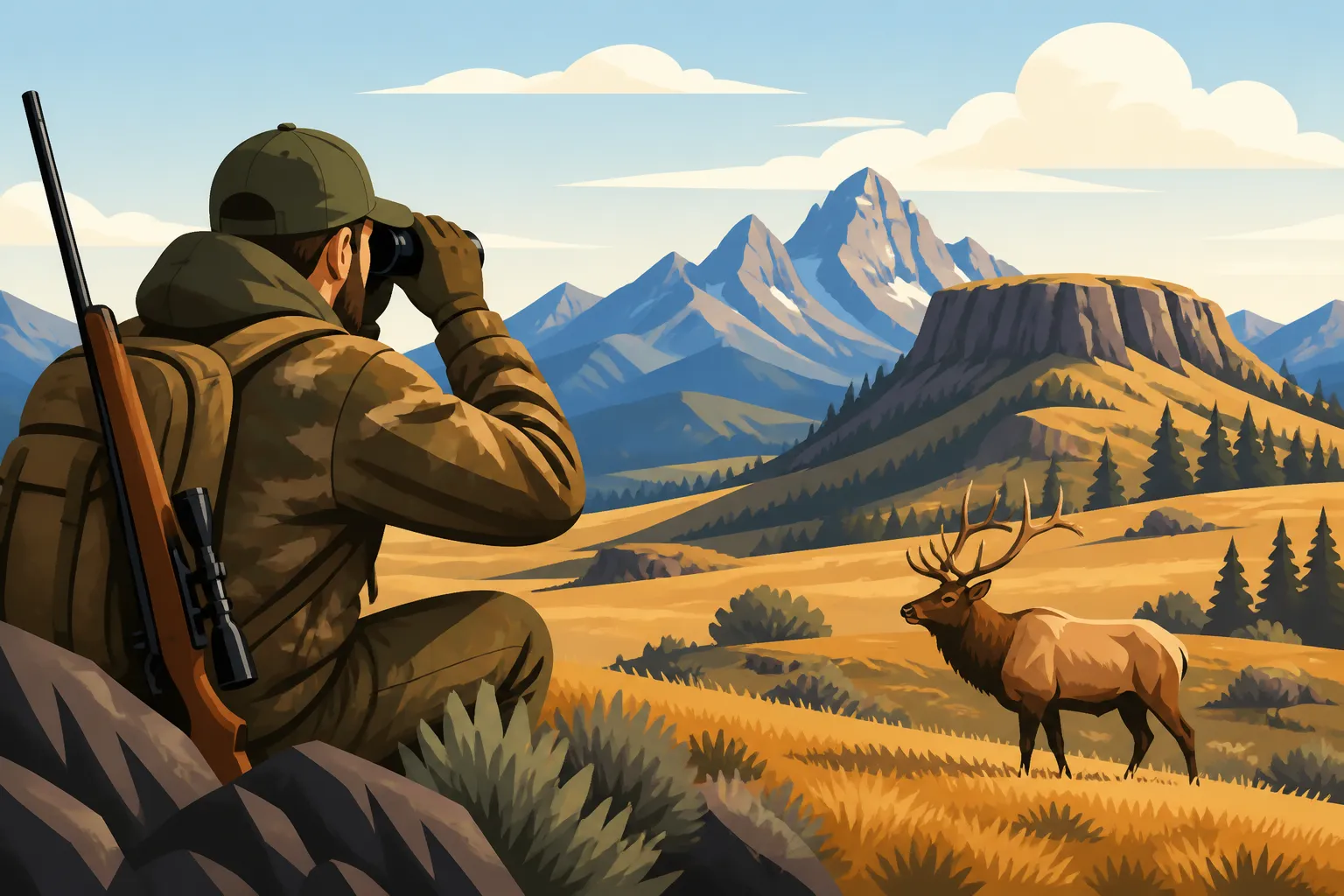
Mule deer are another highly sought-after species on the Roan. Unlike elk, which prefer thicker cover, mule deer are often found in the more open sagebrush and pinyon-juniper areas, especially along the breaks and steep slopes leading up to the mesa. They are masters of using broken terrain and sparse cover to their advantage. Spot-and-stalk hunting is often the most effective method for mule deer here. You'll want to spend a lot of time glassing big Colorado basins and slopes with high-quality optics, patiently picking apart the landscape for a flick of an ear or a patch of hide. During the later rifle seasons, as rut approaches and snow pushes them down from higher ground, these deer can be found concentrating in lower elevation winter ranges, often closer to the private lands at the base of the Plateau. This makes understanding Colorado Mule Deer Season Dates and Tags vital for planning your hunt. A good pair of binoculars and a spotting scope are indispensable tools for spotting these often-ghostly creatures.
Other Game Species Opportunities
While elk and mule deer steal the spotlight, don't overlook other hunting opportunities on the Roan Plateau. Black bears are present, especially in the denser timbered areas and around oak brush pockets. They often follow the elk herds, scavenging or preying on calves. For those interested, understanding Colorado Black Bear Hunting Guide can provide deeper insights. Small game, such as cottontail rabbits and various grouse species, also inhabit the Plateau, offering additional recreational hunting during appropriate seasons. Always check the Colorado Big Game Species Guide for the most up-to-date information on seasons, bag limits, and specific regulations for each species you plan to pursue.
Navigating Access and Overcoming Terrain Challenges
Accessing the Roan Plateau can be a puzzle in itself. A significant portion of the Plateau is public land managed by the Bureau of Land Management (BLM) and the Forest Service, but this public land is often interspersed with private holdings, particularly at lower elevations and around historical ranching operations. Knowing where you can and cannot go is critical, not just for legal reasons but for safety and ethical hunting practices.
Public vs. Private Land and Access Points
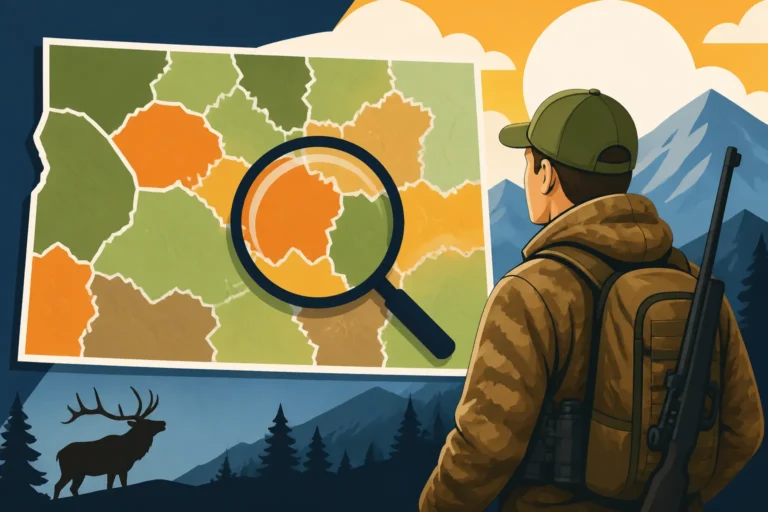
The checkerboard nature of public and private land ownership is one of the biggest challenges hunters face on the Roan Plateau. You might find excellent public land that is effectively landlocked by private property with no legal access. This is where tools like onX Hunt become absolutely invaluable. I can't stress enough how much a good mapping app can save you grief. It clearly delineates property boundaries, showing you public land, private land, and various easements or public access routes. Before you even set foot on the Plateau, spend hours E-scouting before a Colorado hunt. Identify all potential access roads, parking areas, and public land boundaries. Some popular access points include the main road from Rifle (often referred to as the "JQS Road" or "Anvil Points Road" depending on who you ask) that climbs directly onto the mesa, and other less-traveled routes from the Parachute side. Be aware that many of these roads can be rough, requiring a high-clearance 4×4, and some close seasonally due to snow or mud, so always check local conditions with the BLM or CPW.
Road Systems, Trails, and Foot Travel
Once you're on top of the Roan Plateau, you'll encounter a network of two-track roads, old logging trails, and even some well-maintained gravel roads. These roads are often remnants of energy development or historical ranching. While they provide access to vast areas, they also mean potential for other hunters, especially during rifle seasons. To truly get away from the crowds and find undisturbed animals, you'll need to leave the roads behind and embrace foot travel. This is where the physical and mental demands of hunting the Roan really kick in. The terrain, though appearing flat on top, is still broken by countless small drainages, draws, and steep pitches. If you're planning to hunt deeper into the wilderness, consider a detailed packing strategy using a Best Backpack for a Colorado Elk Hunt. Learning how to move quietly through Colorado timber is not just a tactic; it's a necessity when you're trying to outsmart an elk in these quiet pockets. Always carry plenty of water, navigation tools, and be prepared for rapidly changing weather conditions.
Planning Your Hunt: Seasons, Tools, and Mindset
A successful hunt on the Roan Plateau, like anywhere in Colorado, boils down to meticulous planning, using the right tools, and having the right mindset. This isn't a place where you just show up and expect animals to jump in front of your truck.
Key Hunting Seasons and Considerations
Colorado offers a variety of seasons on the Roan Plateau, each with its own benefits and challenges.
- Archery Season: This is often the quietest time to hunt the Plateau, especially for elk. The rut activity can be intense, offering thrilling calling opportunities. However, warm weather can be a factor, requiring careful meat care. You'll need to be physically ready for intense hiking. See Colorado Archery Elk Hunting Guide for more specific tactics.
- Muzzleloader Season: A short, often intense season that falls between archery and the first rifle season. It can coincide with residual rut activity. Hunters often find less pressure than rifle seasons but more than archery.
- Rifle Seasons: Colorado's rifle seasons are typically broken into four distinct periods. The Roan Plateau generally sees significant pressure during these times, especially during the popular 2nd and 3rd rifle seasons. During early rifle seasons, elk might still be higher up, while later seasons can push them lower due to snow. Knowing the Colorado Elk Season Dates Guide and the Colorado Hunting Seasons Explained will be your primary resources for planning.
Roan Plateau Hunting Season Overview
| Species | Primary Method | Typical Season Dates (Check CPW for exact) | Common Habitat | Key Challenge |
|---|---|---|---|---|
| Elk | Archery, Rifle | Aug-Sept (Archery), Oct-Nov (Rifle) | Aspen, Dark Timber, Draws | Pressure, Thick Cover, Wide Ranging Animals |
| Mule Deer | Rifle, Archery | Aug-Sept (Archery), Oct-Nov (Rifle) | Sagebrush, Pinyon-Juniper, Breaks | Spotting, Patient Glassing, Broken Terrain |
| Black Bear | Rifle, Archery | Sept-Nov | Oak Brush, Dense Timber, Berry Patches | Low Density, Requires Patience |
| Small Game | Shotgun, Rifle | Year-Round (check specific rules) | Varies by Species | Locating, Specific Regulations |
Essential E-Scouting and Navigational Tools
As mentioned before, e-scouting is non-negotiable for the Roan Plateau. Platforms like onX Hunt are indispensable for understanding public and private land boundaries, identifying potential bedding and feeding areas, marking water sources, and mapping out travel routes. You can spend weeks virtually scouting the Plateau before you ever arrive, saving precious hunting time. Another excellent resource for planning is GoHunt, which offers detailed draw odds, unit information, and articles that can further refine your strategy for specific units within the Roan Plateau area. Don't forget traditional map and compass skills; electronics can fail. Having a downloaded map on your phone for offline use is a good backup. Familiarize yourself with the Colorado Hunting Atlas explained on the CPW website for regulatory boundaries and public access points.
Physical and Mental Preparation
Hunting the Roan Plateau, even if you're not planning an extreme backcountry trip, still demands a reasonable level of physical fitness. The elevation, while not as high as some of Colorado's fourteeners, is still significant (often 8,000-9,000+ feet on top), and the terrain can be deceptively challenging. You'll be doing a lot of hiking, often off-trail, through sagebrush, over downed timber, and up and down drainages. Start a fitness plan months in advance, focusing on cardio and leg strength. Equally important is mental toughness. There will be frustrating days, long walks, and encounters with pressured animals. Maintaining a positive attitude, staying persistent, and being prepared for all types of weather will make a significant difference in your success and overall enjoyment. If you're coming from lower elevations, read up on how to prepare for high-altitude hunting and consider arriving a few days early to allow yourself to acclimate to Colorado elevation.
Hunting the Roan Plateau offers a truly unique and rewarding Colorado experience. With thorough preparation, the right tools, and a deep respect for its rugged beauty and abundant wildlife, you can have a hunting adventure that will stay with you for a lifetime.
Disclaimer
Please note that hunting regulations, season dates, and land access rules can change. Always consult the official Colorado Parks and Wildlife (CPW) regulations and maps before planning any hunt on the Roan Plateau or elsewhere in Colorado. This guide provides general information and recommendations, but it is the hunter's responsibility to adhere to all current laws and regulations.