Is Colorado GMU 2 Good for Elk
For many elk hunters dreaming of a Colorado trophy, the idea of a specific, highly-touted Game Management Unit (GMU) like GMU 2 can be both alluring and incredibly frustrating. You hear whispers of giant bulls, but then you dig a little deeper and realize the reality might be a lot more complex than just showing up. This guide aims to peel back those layers, giving you a comprehensive, realistic look at GMU 2's potential for elk hunting, helping you decide if it aligns with your hunting goals and resources.
Understanding GMU 2's Unique Elk Hunting Landscape
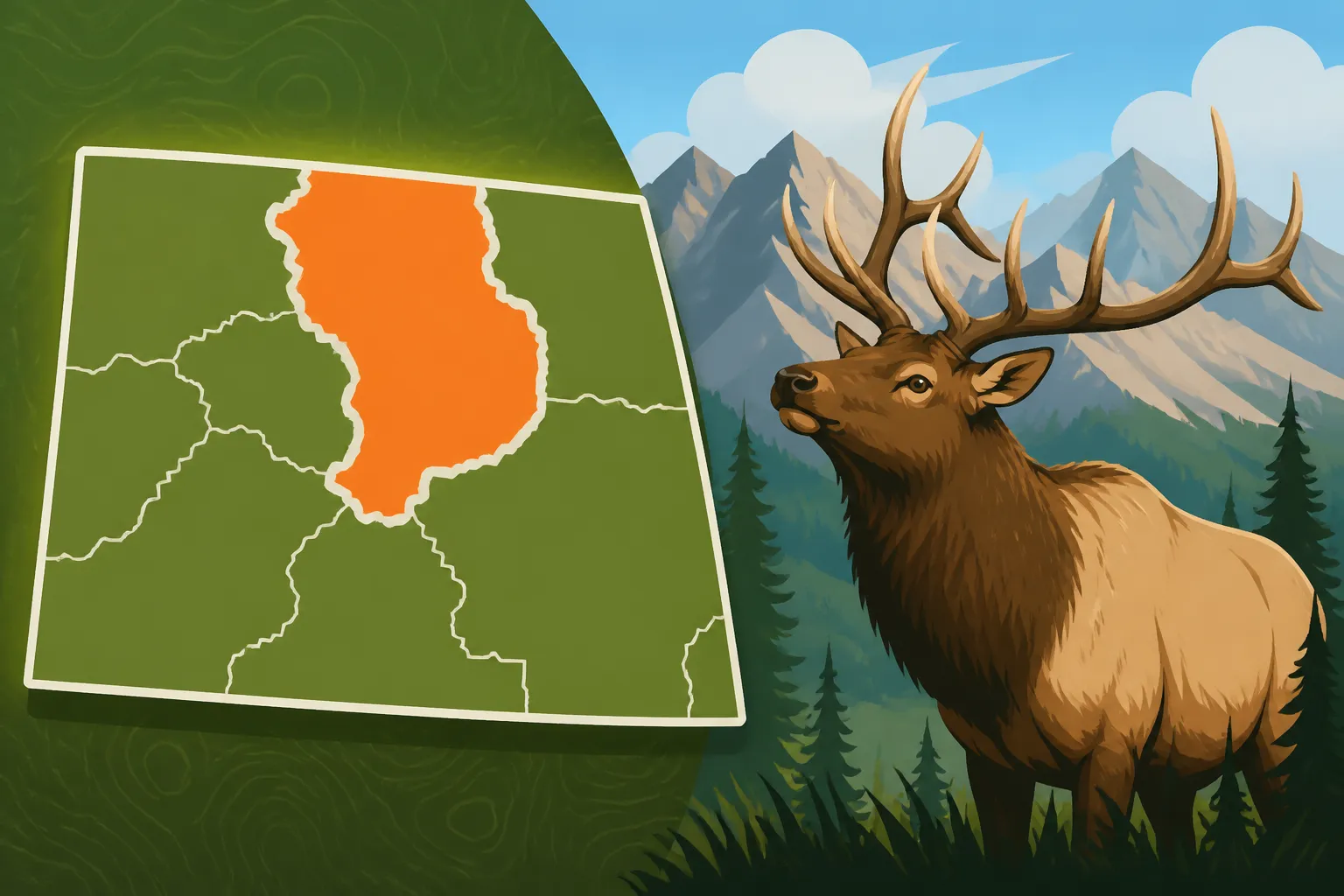
GMU 2 sits in Colorado's rugged northwestern corner, sharing borders with Wyoming and Utah. It's an area steeped in hunting legend, primarily known for its potential to produce truly enormous elk. However, this reputation comes with a significant caveat: much of this GMU is dominated by private land, making public access a genuine challenge. This unique landscape means that "good for elk" isn't a simple yes or no answer; it depends heavily on your access strategy and expectations.
Geographic and Habitat Features
Geographically, GMU 2 presents a diverse, yet often harsh, environment. You'll find a mix of high-desert sagebrush, aspen groves, dark timber, and rugged canyon country. Elevations can range significantly, from lower-lying plains to higher plateaus and mountain slopes. This varied terrain offers pockets of ideal elk habitat, providing feed, cover, and bedding areas. The famous trophy potential often comes from specific, well-managed private ranches that hold prime habitat and limit hunting pressure.
When elk aren't pushed, they thrive in these diverse areas, moving between cover and feed throughout the day. Water sources, especially in the drier sagebrush country, become critical attractors. Hunters often find elk using the transition zones between different habitat types, such as the edges of timber blocks bordering open sage, or along riparian corridors that weave through arid landscapes. Understanding these nuanced habitat preferences is key, but gaining access to them is the bigger hurdle.
The Public vs. Private Land Dynamic
This is where GMU 2 truly distinguishes itself and where most hunters encounter their primary challenge. A vast majority of the prime elk habitat, especially the winter range and migration corridors, falls within private land boundaries. While there is public land scattered throughout GMU 2, much of it can be difficult to access, fragmented, or less productive in terms of holding high concentrations of elk, particularly during hunting seasons.
Navigating this mosaic of ownership is critical. Even with cutting-edge mapping tools like onX Hunt, which clearly delineate public and private land, you'll quickly see how limited contiguous public access can be in many of the most desirable areas. This situation often funnels public land hunters into smaller, less accessible pockets, or forces them to contend with elk that are constantly being pushed onto private ground. For those without the means to secure private access, it can feel like you're always on the outside looking in, observing trophy animals from afar as they graze on private pastures.
Elk Population and Success Rates in GMU 2
When discussing if GMU 2 is "good for elk," we're really asking about opportunity and potential. The area is renowned for its low hunter density and high potential for mature bulls, thanks in large part to those sprawling private ranches. However, this prestige comes at a cost, reflected in the draw odds and the types of tags available.
Population Health and Trophy Potential
Colorado Parks and Wildlife (CPW) manages elk herds across the state, and GMU 2 is part of a management unit specifically tailored for quality, not necessarily quantity of public land animals. The elk population within GMU 2 and its adjacent units is healthy, with a strong bull-to-cow ratio, which is a key indicator of trophy potential. Because hunting pressure is managed closely, especially on private lands, bulls often have the chance to mature into impressive animals. This is why GMU 2 frequently shows up on lists of units with high trophy potential in Colorado.
However, it's important to differentiate between the overall health of the herd and your personal odds of encountering a trophy on public land. While the herd has high trophy potential, much of that potential resides on lands where public hunting is restricted. Hunters often use resources like GoHunt to analyze draw odds and harvest statistics, which will quickly reveal that while the potential for a massive bull is there, the opportunity for a public land hunter is slim without significant preference points or luck in the draw.
Draw Odds and Tag Availability
Securing an elk tag for GMU 2 is notoriously difficult, primarily due to its popularity as a trophy unit and the limited number of tags issued. For non-residents, and even many residents, drawing a coveted rifle bull tag in GMU 2 can take a decade or more of accumulating preference points. The system is designed to provide quality hunting experiences by limiting overall hunter numbers, but this means incredibly challenging draw odds for most applicants.
Let's look at a hypothetical scenario: a non-resident hunter with zero preference points applying for a GMU 2 bull tag would have virtually no chance. Even with 10+ points, the odds might still be low. Many successful applicants for these units are either long-time point accumulators, or they secure landowner tags directly from private landowners, which can be very expensive. Over-the-counter (OTC) options are non-existent for rifle elk in GMU 2. Archery tags might be slightly more accessible in some adjacent units, but the "trophy" reputation often still applies to specific private holdings. This preference point system is a critical aspect of Colorado Draw System and Preference Points. If you're planning a hunt, understanding Colorado Hunting Seasons Explained is also vital.
GMU 2 Elk Tag General Overview
| Tag Type | Draw Difficulty (Preference Points) | Public Land Access | Trophy Potential | Typical Hunter Profile |
|---|---|---|---|---|
| Rifle Bull | Extremely High (15+ points typical) | Very Limited | Excellent | Dedicated point builder, private land lease/voucher holder |
| Muzzleloader Bull | Extremely High (10-15+ points typical) | Very Limited | Excellent | Dedicated point builder, private land lease/voucher holder |
| Archery Bull | High (5-10+ points typical) | Limited/Challenging | Very Good | Dedicated point builder, patient archer |
| Cow Tags | Moderate to High | Limited/Specific | N/A | Locals, point burners, private land access |
Note: This table provides a general overview. Actual draw odds and point requirements fluctuate annually. Always check the current CPW Big Game Brochure.
Navigating Public and Private Land in GMU 2
The single biggest factor determining whether GMU 2 is "good for elk" for you is access. Without a clear plan for navigating its complex land ownership, even the healthiest elk population won't translate into a successful hunt. This is where advanced scouting, mapping, and a realistic understanding of your options come into play.
E-Scouting and Physical Reconnaissance
Effective e-scouting is absolutely non-negotiable for GMU 2. Tools like onX Hunt are indispensable. You'll need to meticulously pore over satellite imagery, topo maps, and land ownership overlays to identify any contiguous blocks of public land, walk-in access areas, or State Trust Lands. Look for areas adjacent to private parcels that might serve as bedding cover or travel corridors for elk moving between feed. Pay close attention to water sources, north-facing slopes with timber cover, and natural pinch points.
However, e-scouting can only tell you so much. If you're serious about hunting GMU 2 on public land, physical reconnaissance is highly recommended, if not essential. Driving or hiking accessible public roads and trails to understand the terrain, verify access points, and identify pressure points can save you invaluable time during your actual hunt. Remember, what looks like a promising public land finger on a map might be an impenetrable mess of thick sagebrush or feature unexpected topographical challenges in person. For more detailed e-scouting tips, consider reading about How to E-Scout Before a Colorado Hunt.
Accessing Public Land Opportunities
Finding public land that consistently holds elk in GMU 2, and that is actually huntable, can feel like searching for a needle in a haystack. Many public parcels are small, isolated, and surrounded by private property, creating "landlocked" situations where physical access is impossible without trespassing. Colorado's "corner crossing" laws are also complex, and it's always best to err on the side of caution and ensure clear, legal access.
Colorado does have a Walk-In Access (WIA) program, which leases private land for public hunting. While these opportunities exist, they are often for specific game species and may not always include prime elk habitat in GMU 2, or they might be highly competitive. Always check the current CPW Walk-In Access Atlas. Beyond WIA, some Bureau of Land Management (BLM) and National Forest lands exist, but these are often the areas that receive the most pressure from the limited public hunters who draw a tag. Understanding Colorado Public Land Hunting Guide will provide broader context. If you are determined to hunt the challenging public land, knowing How to Find Elk When They Go Quiet can be beneficial.
The Role of Private Land and Outfitters
For many, the most straightforward path to hunting GMU 2 and its trophy elk potential is through private land access. This can involve leasing hunting rights from a landowner, booking a hunt with an outfitter who has private land access, or purchasing a landowner voucher. These options come with a significant financial investment but bypass the arduous draw system for many rifle and muzzleloader tags.
Outfitters in this unit often manage properties specifically for trophy elk, controlling pressure and ensuring a quality experience. While expensive, a guided hunt or private land lease drastically increases your odds of encountering mature bulls. This is often the reality behind those impressive harvest photos from GMU 2. If you're exploring this route, understanding How to Choose a Colorado Hunting Outfitter is a good next step.
Tactics and Considerations for Hunting GMU 2 Elk
Assuming you've managed to draw a tag or secure private access in GMU 2, your next challenge is actually hunting these smart, often pressured, high-desert and timber elk. The tactics you employ will need to be sharp and adaptable to the specific conditions of this unique GMU.
Hunting Strategies for GMU 2
Given the mix of open country and pockets of timber, a versatile approach is often best. Spot-and-stalk tactics are highly effective, especially in the sagebrush flats and rolling hills, where long-range glassing can turn up elk moving between bedding and feeding areas. High-quality optics are not just recommended, they're essential for covering vast expanses of terrain. If you do find yourself in the timber, silent still-hunting or methodical tracking can pay off, as can understanding How to Hunt Elk in the Dark Timber.
Calling can be effective during the rut, particularly for archery season hunters, but often requires patience and good woodsmanship. Elk in GMU 2, especially on public land, can be wary and might not respond aggressively to calls if they've been pressured. Early season archery might see elk still in higher country before they are pushed lower by pressure or weather. If you're an archery hunter, gaining insight from Colorado Archery Elk Hunting Guide could prove useful.
Seasonal Nuances and Elk Movement
The specific season you hunt will dictate elk behavior and location. Early archery season (late August to mid-September) might find bulls still relatively high, preparing for the rut. As the rut progresses into late September and early October, bulls become more vocal and less cautious, offering prime opportunities for archery hunters. Rifle seasons, especially the later ones, often coincide with colder weather and snow, which can push elk from higher elevations to their winter range, much of which is on private land in GMU 2.
Later seasons (3rd and 4th rifle) can also bring migration, which means elk could be moving through specific corridors. Understanding these migration patterns, and ideally having access to these corridors, can be crucial. However, this also means elk can be here today, gone tomorrow. Weather fronts, especially early snowfalls, can significantly impact elk movement, pushing them from exposed areas into thicker cover or onto lower, private wintering grounds. Learning How to Use the Wind Hunting Colorado Elk is also always important, regardless of season.
Physical Demands and Gear
While not always as high-altitude as some of Colorado's central or southern GMUs, GMU 2 still presents its own physical challenges. The terrain can be steep, rocky, and often involves long hikes across broken country or through dense brush. Prepare for significant elevation changes and long days of walking. Good physical conditioning is paramount, as is having the right gear.
Invest in comfortable, sturdy boots, quality layered clothing for varying weather conditions, and a reliable backpack to carry your essentials and, hopefully, pack out meat. Optics are key – a good pair of binoculars (10x-15x) and a spotting scope are highly recommended for glassing expansive areas. For a comprehensive list, check out Best Colorado Elk Hunting Gear. Don't underestimate the need for proper navigation tools, including a GPS device or a robust app like onX Hunt on your phone, coupled with physical maps and a compass as backup.
Conclusion: Is GMU 2 Good for Elk?
So, is Colorado GMU 2 good for elk? The honest answer is: yes, it holds phenomenal elk, including trophy-class animals, but access and draw odds are extremely challenging for the average public land hunter.
If you have accumulated a significant number of preference points (10+ for rifle, 5+ for archery) and are willing to play the long game in the draw, or if you have the resources to pay for private land access or an outfitted hunt, then GMU 2 absolutely offers a legitimate chance at a truly memorable, trophy elk experience. The herd is healthy, the bull-to-cow ratio is strong, and the potential for a mature animal is real.
However, for most DIY public land hunters without a pile of preference points, GMU 2 can be a source of frustration. The limited and often fragmented public access means you'll be competing for scraps, often hunting elk that are wise to pressure and prone to seeking refuge on private property. There are many other excellent elk hunting opportunities in Colorado, some with much more accessible public land, more favorable draw odds, or over-the-counter options, especially for less points. It’s important to research other areas and weigh your goals and resources carefully before setting your sights solely on this legendary, yet highly exclusive, unit.
Disclaimer
Hunting is an inherently dangerous activity. This guide provides general information and recommendations for hunting in Colorado GMU 2. All hunters are responsible for understanding and adhering to all current Colorado Parks and Wildlife (CPW) regulations, seasons, and licensing requirements. Always prioritize safety, ethical hunting practices, and respect for wildlife and landowners. Conditions in the field can change rapidly, and personal preparation and judgment are paramount.