Is Colorado GMU 10 Good for Elk
For many hopeful elk hunters dreaming of a Colorado trophy, the quest often begins with pouring over unit maps and draw odds, only to be met with the stark reality that prime units are incredibly tough to draw. GMU 10 in Colorado is one of those units that consistently captures the imagination, but it begs the question: is it truly as good for elk as its reputation suggests, and what does it really take to hunt there? This guide will dive deep into GMU 10, giving you a realistic look at its elk hunting potential, challenges, and what you need to know if you ever manage to draw that coveted tag.
Unpacking GMU 10's Elk Hunting Reputation
GMU 10, nestled in Colorado's northwest corner bordering Utah and Wyoming, holds a legendary status among elk hunters, often whispered about in the same breath as "trophy potential." It’s known for producing some truly massive bulls, and that's precisely why drawing a tag here feels like winning the lottery. But let's be realistic: while the potential for a big bull is certainly there, it's not a cakewalk, and you're going to earn every single step.
Location and General Characteristics
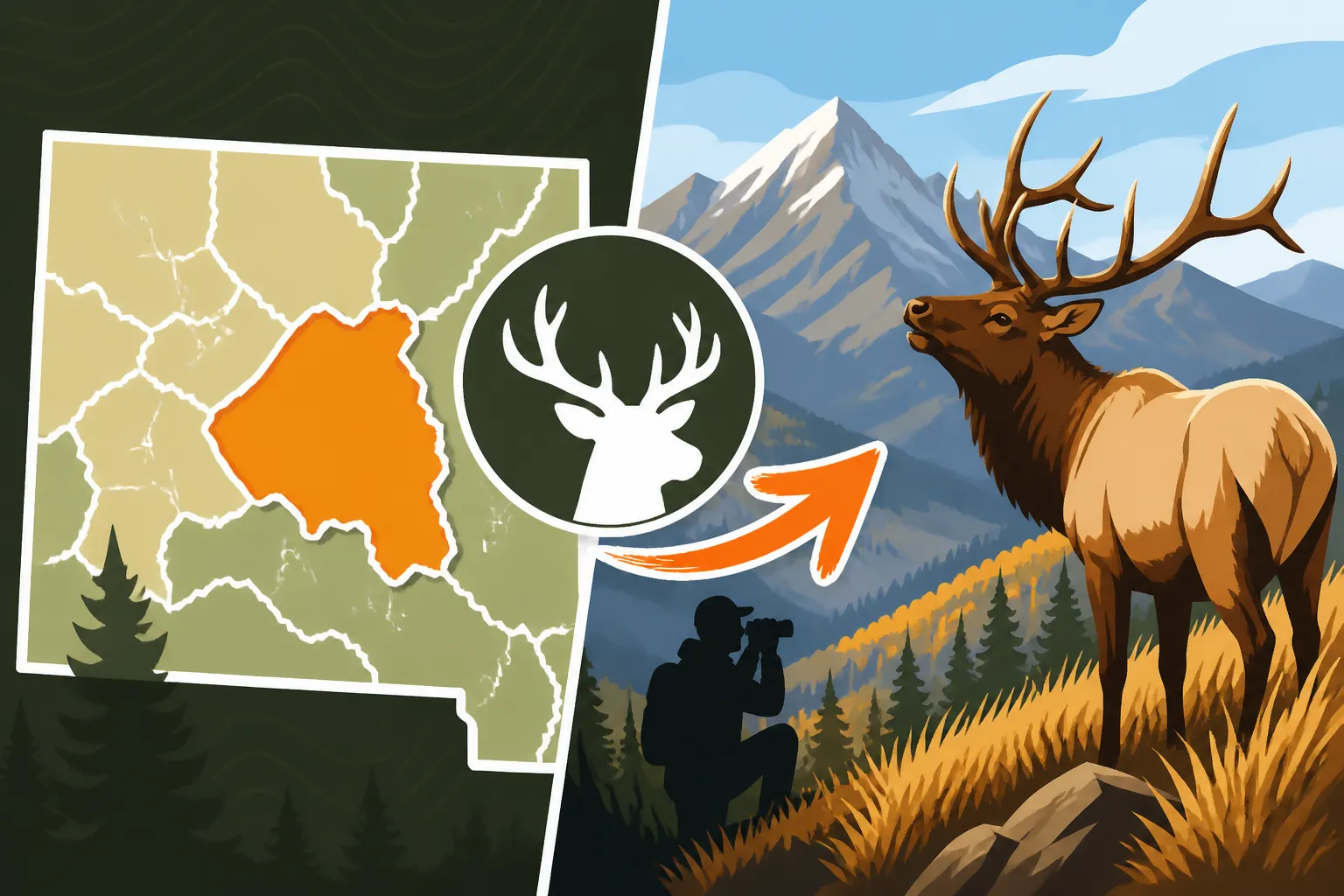
GMU 10 is a vast and varied landscape. It covers a significant chunk of northwestern Moffat County, extending west into Rio Blanco County. Geographically, it's characterized by an interesting mix of terrain. You'll find sprawling sagebrush flats, deep canyon systems carved by the Yampa and Little Snake rivers, juniper and pinyon forests, and occasional pockets of aspen and conifers at higher elevations, though these are less prevalent than in the central mountain ranges. The elevations here range from about 5,000 feet along the river bottoms up to over 8,000 feet in some of the isolated plateaus. This diverse landscape means elk have a wide variety of habitats to choose from, often moving between them based on pressure, forage, and water availability.
For non-residents, and even many residents, the main challenge with GMU 10 isn't the terrain itself, but simply getting the opportunity to hunt it. This unit typically requires a significant number of preference points to draw a bull elk tag. We're talking years, if not a decade or more, of faithfully accumulating points. This makes it a destination hunt, something you plan for well in advance, rather than a spur-of-the-moment trip. If you're looking into applying, understanding the nuances of the Colorado draw system and preference points is critical. Websites like GoHunt provide excellent tools for analyzing draw odds and harvest success, giving you a clearer picture of what it takes.
Trophy Potential and Herd Dynamics
The reputation of GMU 10 for trophy bulls isn't just a myth; it's rooted in the numbers. The limited number of tags issued annually, combined with excellent genetics and varied habitat, allows a percentage of bulls to reach maturity and express their full antler potential. This isn't a unit where you'll see elk behind every bush, but when you do find them, there's a good chance they'll be mature animals.
Colorado Parks and Wildlife (CPW) manages herd objectives for each GMU, and GMU 10 is often managed for quality rather than sheer quantity of elk, especially for bulls. The goal is to provide exceptional hunting experiences for a smaller number of hunters. While it’s not exclusively a trophy unit, it certainly leans that way due to the management strategies and the draw difficulty. If your primary goal is to put meat in the freezer, there are many other units that offer much better draw odds for cow tags or even OTC opportunities, though these are increasingly rare in Colorado.
Terrain, Habitat, and Elk Movement in GMU 10
Understanding the landscape and how elk utilize it is paramount to success in GMU 10. This isn't your typical dark timber, high-elevation elk hunt, although you'll find elements of that in certain areas. Instead, it's often a game of glassing, covering ground, and knowing where to find water and cover in a more arid environment.
Diverse Landscapes and Their Influence
GMU 10 truly offers a mosaic of ecological zones. Along the river bottoms of the Yampa and Little Snake, you'll encounter riparian areas that provide crucial water and denser vegetation, especially in drier years. Moving up from the river, the landscape transitions into vast expanses of sagebrush and grass, which are important feeding grounds for elk, particularly during cooler parts of the day or year. Higher up, on mesas and within the numerous canyons, you'll find pinyon-juniper woodlands. These areas offer excellent thermal and escape cover, especially the thicker stands in the canyon country, which can be brutal to navigate but often hold hidden pockets of elk.
The geology of the area also plays a significant role, with numerous sandstone and shale formations creating a labyrinth of broken country. This rugged topography makes travel difficult for both hunters and elk, creating natural sanctuaries. Learning how to move quietly through Colorado timber, even sparse pinyon-juniper, is a skill that will serve you well here. Knowing where these different habitat types converge, especially near reliable water sources, is key to locating elk.
Seasonal Elk Behavior and Patterns
Elk in GMU 10, like anywhere else, adapt their behavior to the season and hunting pressure. During the archery and muzzleloader seasons, which coincide with the early to peak rut, bulls can be vocal and active. However, don't expect them to be screaming across open basins every morning. The broken country and dense pinyon-juniper offer plenty of places for them to hide, and they'll often go quiet if pressured. Locating a bugling elk is one thing, but figuring out how to set up on a bugling elk in this terrain requires skill and patience.
As rifle seasons progress, especially with increasing hunter pressure, elk tend to become much more reclusive. They'll often seek refuge in the deepest, thickest canyons or move onto private land if available. Winter range in GMU 10 often consists of lower elevation sagebrush and juniper areas, but during the hunting seasons, they might be scattered across various elevations depending on weather, forage, and pressure. Expect them to be utilizing north-facing slopes for thermal cover and feeding, especially in the sun-drenched, arid environment. The importance of reliable water sources cannot be overstated; elk will frequent springs, seeps, and river access points, especially in the early and late hours.
Access, Hunter Pressure, and Planning Your Hunt
Drawing a GMU 10 tag is only half the battle; successfully hunting it requires meticulous planning, an understanding of access points, and strategies to mitigate hunter pressure. This unit, despite its difficulty to draw, isn't immune to other hunters.
Public Land Access and Challenges
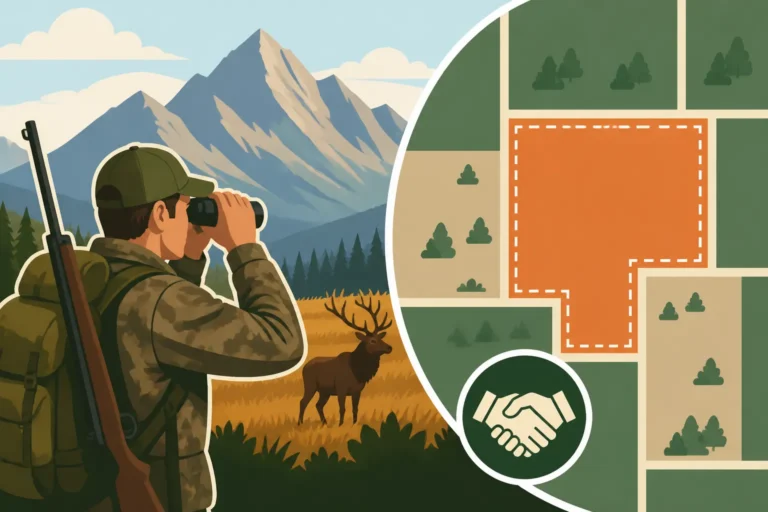
While there's a good amount of public land within GMU 10, including Bureau of Land Management (BLM) and State Trust Lands, it's often fragmented by private parcels. This can create "landlocked" public areas that are difficult to access without crossing private property, which requires permission. Tools like onX Hunt are absolutely indispensable here. You need to identify public land boundaries, potential access roads, and areas where private land might block your way. A detailed mapping application like onX Hunt will show you property ownership, helping you navigate the complex land status.
The relatively low number of tags issued means that overall hunter density is much lower than in many Over-the-Counter (OTC) units. However, "low pressure" is a relative term. Even with fewer hunters, those who have invested years in preference points are often dedicated and experienced. They will be out there, and they will be putting in the effort. Expect to encounter other hunters, especially around easily accessible public land areas or known elk concentrations. The key is to find those overlooked pockets or be willing to put in the effort to get further away from roads and popular trailheads.
E-Scouting and Boots-on-the-Ground Reconnaissance
Given the draw difficulty and the significant investment of time and money, thorough scouting for GMU 10 is non-negotiable. Begin with extensive e-scouting using satellite imagery on platforms like onX Hunt. Look for:
- Water Sources: Identify springs, seeps, stock ponds, and river access.
- Cover: Locate dense pinyon-juniper stands, canyon systems, and north-facing slopes with good thermal cover.
- Travel Corridors: Identify saddles, benches, and ridges that connect feeding areas to bedding areas.
- Access Roads: Pinpoint legal access points and potential routes to get away from roads.
After initial e-scouting, if possible, a boots-on-the-ground scouting trip before the season is invaluable. Nothing replaces actually seeing the terrain, checking water sources, and looking for fresh sign. If a pre-season trip isn't feasible, dedicate several days before your hunt to scouting. Get into the unit, hike around, glass from high points, and learn the lay of the land. This is where you'll find those hidden gems and understand the scale of the country.
Hunting Methods and Gear Considerations
For GMU 10, a spot-and-stalk hunting approach is often the most effective, especially during rifle seasons. The open country, broken mesas, and sparse timber lend themselves well to extensive glassing. High-quality optics are essential – a good pair of 10x binoculars, a spotting scope (20-60x or 15-45x), and a sturdy tripod will be your best friends. Spend hours on high points, systematically glassing big Colorado basins and slopes, especially during the early mornings and late evenings. Once an elk is spotted, the real work begins, planning an approach through the broken terrain to get within shooting range.
Here's a quick overview of considerations:
| Feature/Aspect | GMU 10 Hunting Considerations |
|---|---|
| Terrain | Mix of sagebrush flats, pinyon-juniper canyons, river bottoms, isolated mesas. Rugged, broken country. |
| Elk Behavior | Responsive during early rut (archery/muzzleloader), reclusive and pressured during rifle seasons. Water-dependent. |
| Access | Mix of public (BLM, State Trust Land) and private. Public land can be fragmented/landlocked. onX Hunt is crucial for navigation. |
| Hunter Pressure | Lower hunter density due to draw difficulty, but hunters are dedicated. Pressure points exist near access roads. |
| Primary Method | Spot-and-stalk is highly effective, requiring excellent optics and patience. |
| Physical Demands | Moderate to high. Requires good physical conditioning for hiking steep, broken country and covering long distances. |
| Water | Critical resource. Identify and prioritize springs, seeps, and riparian areas. |
| Scouting | Extensive e-scouting (GoHunt, onX Hunt) and on-the-ground reconnaissance are essential. |
Given the challenging terrain and the potential for long stalks or retrieves, physical preparation for Colorado elk hunting is crucial. You'll likely be hiking significant distances over uneven ground, often at moderate elevations. If you're a non-resident, consider altitude training for Colorado hunting to prepare for the thinner air, though GMU 10 isn't as high elevation as some central Colorado units.
Advanced Strategies and Long-Term Outlook for GMU 10
Hunting GMU 10 is often a once-in-a-lifetime opportunity for many, so maximizing your chances requires thinking beyond the basics. This unit demands a high level of dedication, both in terms of research and on-the-ground effort.
Dealing with Pressure and Finding Seclusion
Even with fewer tags, elk in GMU 10 are still susceptible to hunter pressure. They learn quickly and will adapt their movements to avoid areas with human activity. One of the best strategies for dealing with pressure is simply to go where others aren't willing to go. This often means:
- Hiking Deeper: Identify roadless areas or public land parcels that require significant effort to reach. This might involve longer packing distances, even contemplating how to pack out an elk in Colorado solo if you're venturing far from roads.
- Hunting Mid-Day: Many hunters are active at dawn and dusk. Elk might bed down in dense cover during the day, but they still move, especially if they haven't been overly disturbed. Still-hunting through thick pinyon-juniper during the quiet hours of midday can surprise a bedded bull.
- Utilizing Thermals and Wind: The wind in this open, broken country can be tricky. Understanding how to use the wind hunting Colorado elk, particularly the daily thermal shifts, is paramount to a successful stalk. Early mornings, air often flows downhill; evenings, it flows uphill. Elk will use this to their advantage, so you must too.
Consider adapting your hunting style to the conditions. While calling can be effective during the rut, especially for How to Bugle-Locate a Colorado Bull, silent bulls require different approaches. Learning to How to Call in a Silent Bull often involves patience, strategic setup near escape routes, and sometimes, a bit of luck.
Long-Term Management and Future Opportunities
Colorado Parks and Wildlife continuously monitors elk populations and habitat in units like GMU 10. The management goals typically balance hunter opportunity with maintaining herd health and trophy quality. Given its reputation, it's unlikely that GMU 10 will become an easily accessible unit anytime soon. The preference point system ensures that tags are awarded to those who have consistently invested in the draw.
For those accumulating points, it’s wise to stay informed about potential changes to Colorado's draw system or OTC elk changes. CPW sometimes adjusts season structures, point requirements, or even unit boundaries based on biological data and public input. Websites like GoHunt and CPW's own resources are invaluable for keeping up-to-date. While GMU 10 remains a high-point unit, understanding the overall Colorado elk hunting methods explained, from archery to rifle, will prepare you for when you finally draw that coveted tag, no matter the season.
Ultimately, is Colorado GMU 10 good for elk? Absolutely. It offers the potential for a truly memorable hunt and a chance at a magnificent bull. But it's also a challenging unit that demands thorough preparation, physical conditioning, and a good dose of perseverance. If you're willing to put in the time and effort, and have the patience to accumulate the necessary preference points, it can certainly be a rewarding experience.
Disclaimer
The information provided in this guide is for general informational purposes only and is subject to change. Hunting regulations, season dates, and unit boundaries are set by Colorado Parks and Wildlife and can be modified annually. Always consult the most current Colorado Big Game Hunting Brochure and official CPW resources before planning any hunt. Obtaining the necessary licenses, understanding private vs. public land designations, and adhering to all local, state, and federal laws are the sole responsibility of the hunter.