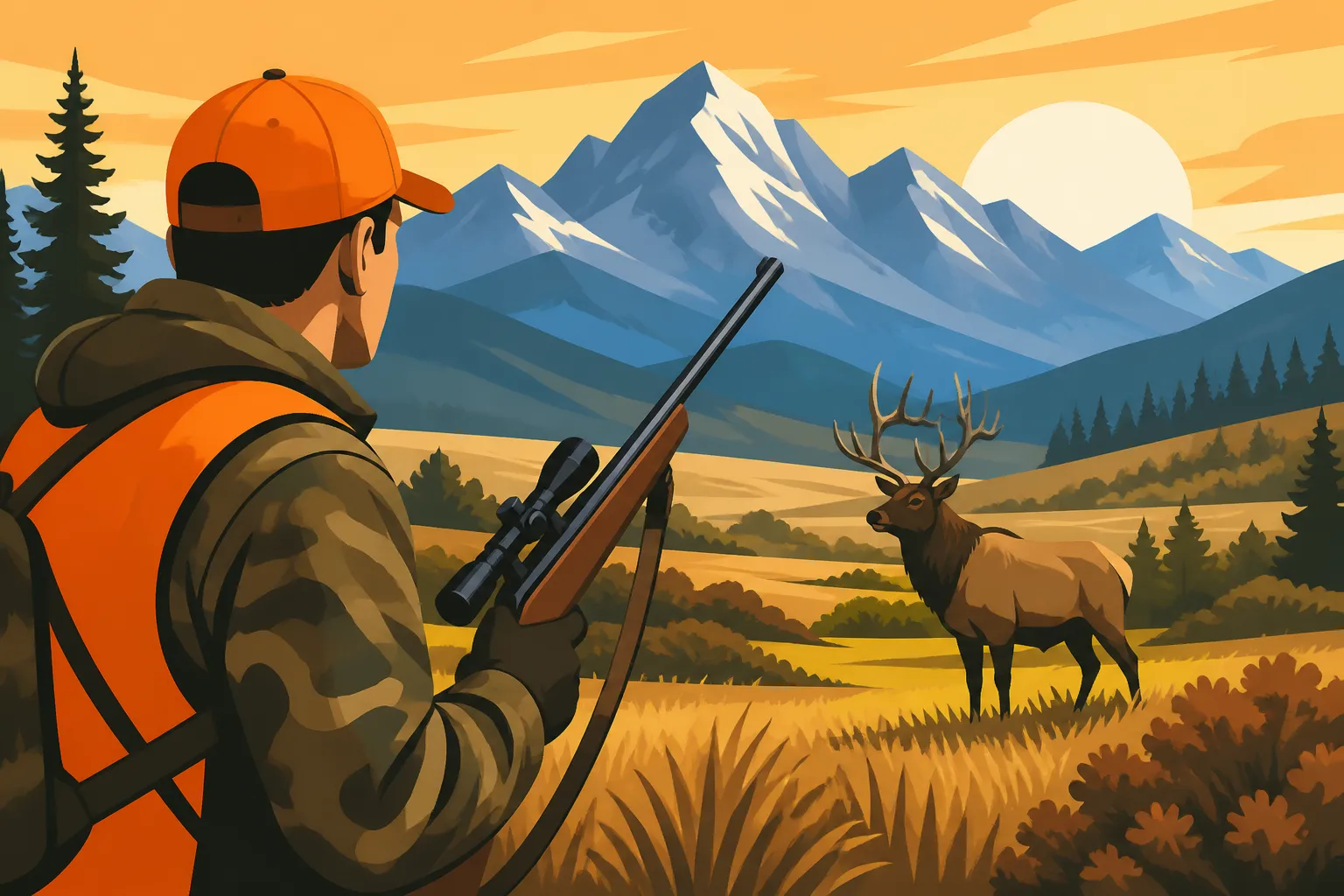
Colorado State Wildlife Areas Hunting
Hunting public land in Colorado can feel like deciphering an ancient scroll, especially when you start looking into the nuances of State Wildlife Areas. It’s easy to get overwhelmed by the specific rules, limited access, and the sheer number of other hunters vying for the same spots. This guide is here to break down everything you need to know about hunting in Colorado's State Wildlife Areas, helping you understand their unique challenges and how to successfully navigate them for a rewarding experience.
Understanding Colorado State Wildlife Areas (SWAs)
Colorado's State Wildlife Areas are incredibly valuable resources for hunters, anglers, and wildlife enthusiasts, but they operate a little differently than your typical National Forest or BLM land. They often represent some of the best habitat for specific species, managed intensively by Colorado Parks and Wildlife (CPW) to enhance wildlife populations and provide public recreation.
What are SWAs?
State Wildlife Areas are parcels of land and water specifically acquired and managed by Colorado Parks and Wildlife. Think of them as dedicated pockets of prime habitat. These areas are funded primarily through hunting and fishing license sales, as well as federal excise taxes on hunting and fishing equipment (thanks to the Pittman-Robertson and Dingell-Johnson Acts). Unlike vast tracts of federal public land, SWAs are usually smaller, often fragmented, and frequently established around critical wildlife areas like winter range, migration corridors, or vital wetlands. For instance, you might find an SWA dedicated to protecting crucial elk calving grounds or a particular waterfowl staging area. This targeted management makes them hotspots for game but also means they come with their own set of access rules and regulations.
The Purpose and Management of SWAs
The core purpose of Colorado's SWAs is wildlife conservation and public recreation. CPW manages these areas to ensure healthy populations of various species, from big game like elk and deer to waterfowl, upland birds, and even smaller furbearers. This management can involve habitat restoration, controlled burns, food plot plantings, and even specialized water management for aquatic species. Because of this focused management, SWAs often boast higher concentrations of game animals than surrounding, less intensively managed public lands. However, this also means that hunter density can be higher, particularly during peak seasons. They are not just "open space"; they are intentionally stewarded ecosystems designed to thrive, and that stewardship includes carefully regulated hunting opportunities.
Who Can Hunt SWAs?
Generally speaking, anyone with a valid Colorado hunting license and the appropriate tags for the species they are pursuing can hunt in State Wildlife Areas. However, this is where the specific SWA regulations really come into play. Some SWAs might have additional restrictions, such as requiring a free or paid SWA pass, specific parking permits, or even mandatory check-in/check-out procedures. It's not uncommon for certain SWAs to be restricted to archery only during particular seasons, or to have limited access hours. For example, popular SWAs near population centers or those with sensitive wildlife populations might implement strict rules to manage human impact. Always double-check the individual SWA's regulations on the CPW website or through the Colorado Hunting Atlas explained before you plan your trip. Non-residents are absolutely welcome, but they must adhere to all the same rules, and sometimes face additional license costs as outlined in the Colorado Non-Resident Hunting License Guide.
Navigating Regulations and Access for SWA Hunting
Hunting in a State Wildlife Area demands careful attention to detail. The general rules for Colorado hunting apply, but each SWA can have its own quirks, which can be a source of frustration if you don't do your homework. These specific rules are in place for a reason – to protect wildlife and manage hunter impact – so understanding them is key to a successful and legal hunt.
Specific SWA Regulations
Unlike the broad rules governing national forests, each SWA often has its own set of particular regulations. These might include restrictions on hunting specific species (e.g., an SWA managed primarily for waterfowl might not allow deer hunting), limitations on weapon types (e.g., shotgun-only for upland birds, or archery-only for big game), or even specific hours of operation. Some SWAs require you to purchase an SWA annual pass, which is separate from your hunting license and Habitat Stamp. Others might mandate a free, printable daily permit to help CPW track usage and hunter success. You might also encounter areas within an SWA that are designated as "safety zones" or "no hunting zones," often around residences, parking areas, or wildlife viewing blinds. It’s crucial to consult the CPW's annual Big Game Supplement and the specific SWA fact sheets available online, which detail these unique rules. A tool like onX Hunt can be incredibly useful here, often showing SWA boundaries and, in many cases, marking specific SWA rules directly on the map, saving you a headache in the field.
Access Points and Parking
One of the biggest differences you'll notice with SWAs compared to vast federal lands is the often limited and designated access. You can't just drive off-road wherever you please. Most SWAs have specific parking areas and designated entry points, which might be walk-in only, or allow ATV/UTV access only on designated routes. For example, the Basalt SWA, popular for archery deer and elk, has very clear parking and trail access points to minimize impact on sensitive river ecosystems and private land. Unauthorized parking or entry can lead to trespassing charges, even if you are technically on public land within the SWA. Sometimes, a gate may be closed to vehicle traffic during certain seasons to protect wildlife habitat or during the Colorado Elk Migration Patterns, but foot access is still permitted. It's always a good idea to scout these access points beforehand, whether virtually using tools like GoHunt or by physically driving by, to avoid surprises on opening morning when you're fumbling in the dark.
Permit Requirements and Fees
Beyond your standard Colorado hunting license and big game tags, some State Wildlife Areas come with additional permit requirements. As mentioned, an SWA pass might be needed, either an annual pass or a daily pass, which can sometimes be purchased online or at certain vendors. These fees directly support the maintenance and management of the SWAs, contributing to better habitat and improved hunting opportunities. Occasionally, there are even limited draw permits specifically for certain SWAs, especially for highly sought-after species or during the Colorado Elk Rut. For instance, some of the most popular waterfowl SWAs require a special reservation system during peak duck and goose seasons. Always check the CPW regulations for the specific SWA you intend to hunt. Overlooking a simple permit can lead to fines, losing your hunting privileges, or worse, having your hunt cut short before it even truly begins.
Here's a quick overview of common SWA restrictions:
| Restriction Type | Description | Example Scenario | How to Verify |
|---|---|---|---|
| Specific Game Species | Only certain species may be hunted (e.g., waterfowl only, no big game). | Waterfowl-focused SWA might prohibit deer hunting. | CPW SWA Fact Sheet, Big Game Supplement, Colorado Hunting Atlas Explained |
| Weapon Restrictions | Limitations on firearm types, archery only, or shotgun-only for certain game. | Archery-only SWA during deer season, or no centerfire rifles. | CPW SWA Fact Sheet, Big Game Supplement |
| Access Limitations | Walk-in only, designated parking, seasonal road closures, specific entry/exit points. | Gate closed to vehicles from Dec-May; must walk in. | CPW website, onX Hunt, physical scouting |
| Special Permits/Fees | Requirement for a separate SWA pass (daily or annual) or a drawn SWA-specific permit. | Mandatory SWA pass purchase, or a drawn permit for a limited hunt. | CPW website, SWA kiosks, "Colorado Leftover Tags Explained" for SWA draws |
| Hunting Hours | Restricted hunting hours, often tied to sunrise/sunset, or specific closures for wildlife viewing. | Hunting only from 30 min before sunrise to 30 min after sunset. | CPW SWA Fact Sheet, Big Game Supplement |
| No Hunting Zones | Areas within the SWA where hunting is prohibited for safety or wildlife sanctuary. | Areas around campgrounds, observation decks, or sensitive habitat. | CPW SWA maps, onX Hunt, signage at SWA entrance |
Strategies for Successful Hunting in Colorado SWAs
Hunting in State Wildlife Areas often requires a more refined approach than simply heading into a vast wilderness area. These spots, while teeming with wildlife, also tend to attract more hunters. Success often comes down to preparation, understanding pressure, and adapting your tactics.
Scouting and E-Scouting SWAs
Thorough scouting is paramount for SWA hunting. Because these areas are typically smaller and have more specific boundaries, you can often gain a significant advantage by understanding every nook and cranny. Start with intensive e-scouting using satellite imagery and topographic maps. Tools like onX Hunt are invaluable for delineating SWA boundaries, identifying access points, and pinpointing potential bottlenecks, bedding areas, and food sources. Look for terrain features that might concentrate animals or offer natural barriers to other hunters, such as dense timber blocks, steep canyons, or small, overlooked benches. Combine this with traditional ground scouting well before the season. Walk the boundaries, find game trails, locate water sources, and identify pinch points. Many SWAs are adjacent to private land, and understanding these boundaries is critical to avoid accidental trespassing. When considering how to E-Scout Before a Colorado Hunt, remember that SWAs require even more precision due to their defined nature.
Managing Hunter Pressure
One of the biggest realities of SWA hunting is the pressure. Especially during peak seasons like the Colorado 2nd Rifle Season or Colorado Archery Season Dates, you can expect company. It’s not uncommon to pull into a parking lot before dawn and see several other vehicles. Your strategy needs to account for this. Don't be afraid to walk further than others are willing to go. Many hunters will stick to within a mile or two of the road. If you can push deeper into the SWA, especially into rougher terrain, you'll likely find more undisturbed game. Consider hunting during weekdays instead of weekends if your schedule allows, or targeting lesser-known SWAs.
Another effective tactic is to leverage the pressure. Understand that other hunters will be moving animals. Instead of viewing them as competition, anticipate how they might push elk or deer into your vicinity. Set up on escape routes, natural funnels, or thick cover where animals might seek refuge. You might find success by still-hunting Colorado timber that others walk past quickly, or setting up a ground blind along a known travel corridor. Reading the wind and thermals becomes even more crucial when dealing with high hunter density, as animals will be on high alert.
Species-Specific Tactics in SWAs
Different species will require different tactics within an SWA context. For big game like elk and mule deer, focus on finding secluded pockets within the SWA that offer security cover and food, especially if it's surrounded by open country or private land. Pay attention to how to Hunt North-Facing Slopes for Elk, as these often hold cooler temperatures and denser cover. For pronghorn, many SWAs on the Eastern Plains offer unique opportunities, often around water sources or specific agricultural fields. You'll need to understand how to Hunt Colorado Pronghorn Water Holes or utilize Decoying tactics if allowed.
For waterfowl, SWAs are often specifically designed with ponds, marshes, and agricultural fields. This means you'll need blinds, decoys, and a keen understanding of flight patterns. Upland birds like pheasants or quail often thrive in the managed grasslands and brushy edges of SWAs. Using a good bird dog can be incredibly effective here, covering ground more efficiently and finding birds that might be holding tight due to pressure. Always check the specific species regulations for each SWA, as some might have special seasons or bag limits for certain game animals.
Common Challenges and Tips for SWA Hunters
Even with the best planning, hunting State Wildlife Areas can throw a few curveballs your way. It’s a game of adapting to pressure, respecting fellow hunters, and knowing how to make the most of what you've got.
Dealing with Crowds and Limited Space
The biggest challenge in many popular SWAs is undoubtedly the crowd. It can be demoralizing to arrive at your chosen spot only to find another hunter already there, or hear shooting coming from multiple directions. This is where patience and flexibility become your best friends. Have backup plans. If your primary spot is occupied, know where your secondary and tertiary options are. Sometimes, simply waiting an hour or two for other hunters to move on, or choosing to hunt during non-peak times like midday, can make a huge difference.
Furthermore, recognize that while you're hunting public land, that doesn't mean you own it. You'll need to be courteous and mindful of other hunters. If you see someone already working an area, move on and find another spot. A friendly wave or a quiet acknowledgment goes a long way. This is particularly true in smaller SWAs where sound carries, and one hunter’s actions can easily impact another's hunt. This proactive approach helps reduce conflicts and ensures a better experience for everyone.
Ethical Considerations and Respect for Fellow Hunters
Hunting in State Wildlife Areas, with their often higher hunter density, places a strong emphasis on ethical behavior and respect. This isn't just about legality; it's about sportsmanship and being a good steward of the resource and a good neighbor in the field. Here are some key points:
- Know Your Backstop: Always be acutely aware of what's beyond your target. In areas with more hunters, stray bullets are a serious concern. Confirm you have a safe and clear shot, free from other hunters, roads, or private property.
- Give Space: If you encounter another hunter, give them plenty of room. Don't crowd their setup or walk directly into an area they are actively working. A general rule of thumb is to maintain at least 400-600 yards of separation, especially for big game.
- Noise Discipline: Keep noise to a minimum, especially during early morning or late evening. Slamming car doors, loud talking, or excessive ATV use can spook game and disturb other hunters.
- Respect Private Land Boundaries: SWAs are often bordered by private land. Pay extreme attention to where these lines are, using your onX Hunt app or physical maps, and avoid trespassing at all costs. An animal might cross onto private land, but you cannot pursue it without explicit permission.
- Leave No Trace: Pack out everything you pack in, and then some. This includes spent shell casings, trash, and any gut piles should be placed off trails and out of sight. Keep the SWAs clean for future hunters and other users.
Maximizing Your Chances
To truly maximize your chances in Colorado SWAs, a multi-faceted approach is best. First, consider hunting during less popular times or seasons if possible. Late-season elk hunting tactics, for example, might see reduced pressure compared to the peak rut. Second, dedicate significant time to pre-season scouting, both physically and using e-scouting tools. The more you know about the terrain and game patterns, the better equipped you'll be. Consider how to Plan a Colorado Backpack Hunt into a more remote part of an SWA if allowed, to escape the road hunters.
Third, be adaptable. Conditions change, and so does game behavior. If you’re not seeing animals where you expect them, be willing to move and try a new tactic. Maybe the elk have gone quiet, and you need to switch from calling to still-hunting. Fourth, consider utilizing a variety of methods. An SWA might offer opportunities for archery tactics in one area and then rifle tactics in another, depending on the regulations. Finally, physical fitness can be a huge advantage. The ability to hike further, climb steeper, and stay out longer than other hunters can often be the difference between success and going home empty-handed. Remember to check out the Colorado Elk Hunt Fitness Plan to get yourself ready.
Disclaimer
Please remember that hunting regulations in Colorado can change, and it is always the hunter's responsibility to verify the most current rules and regulations with Colorado Parks and Wildlife (CPW) before heading into the field. This guide provides general information and should not be considered a substitute for official CPW publications. Ensure you have all necessary licenses, tags, and permits for your chosen hunting area and species.