Is Colorado GMU 23 Good for Elk
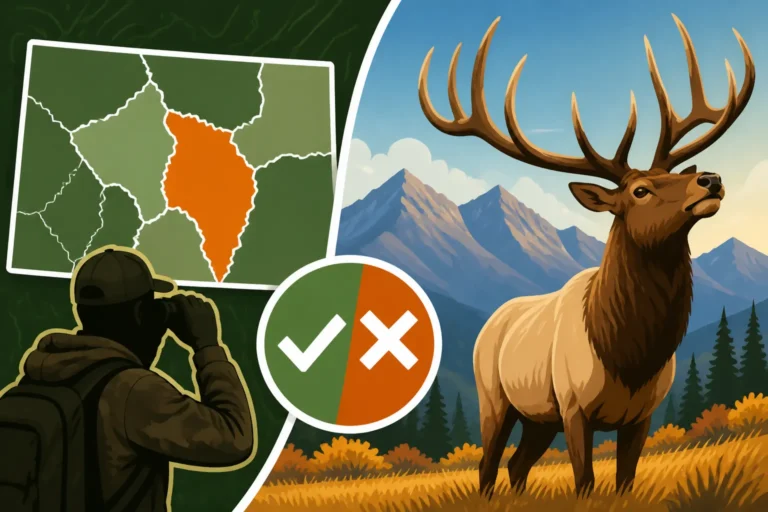
Heading out to hunt elk in Colorado can feel like a daunting task, especially when you're staring at a map filled with countless GMUs, each with its own reputation and set of challenges. It’s easy to get overwhelmed trying to figure out which unit offers the best chance at success, and whether it aligns with your hunting style and physical abilities. This comprehensive guide is here to cut through the confusion and give you an in-depth look at Colorado GMU 23, helping you decide if it’s the right place for your next elk adventure.
Understanding Colorado GMU 23's Landscape and Terrain
GMU 23, located in the northwestern part of Colorado, is a fascinating and often challenging area for elk hunters. It's a vast expanse, known for its diverse landscapes that transition from sagebrush flats and pinyon-juniper foothills to dense timber and high mountain peaks. Understanding these geographical nuances is crucial for any hunter hoping to navigate its complexities and find success.
Geographic Overview and Key Features
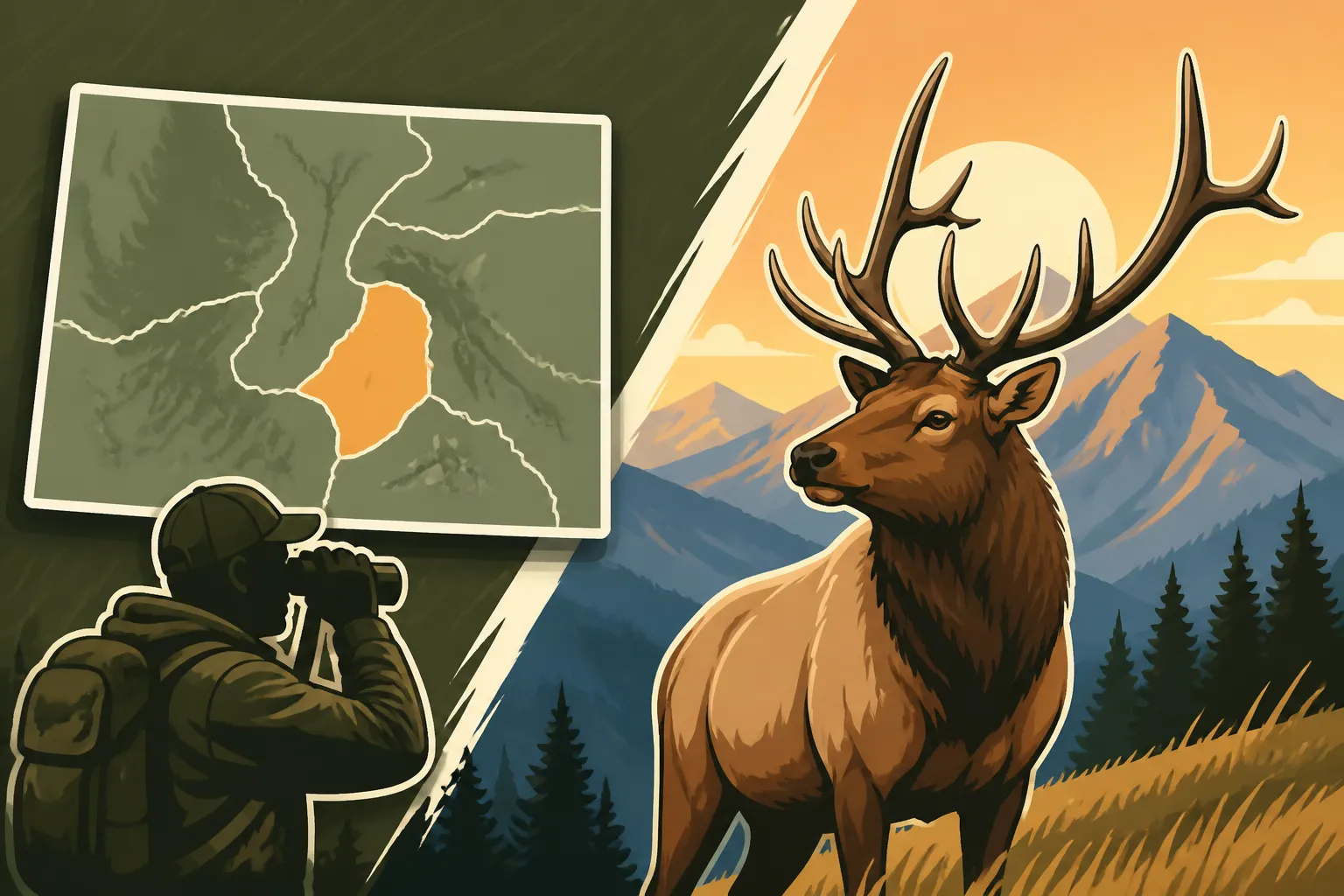
GMU 23 is primarily situated in Moffat and Rio Blanco counties, encompassing significant portions of public land, including sections of the Routt National Forest and Bureau of Land Management (BLM) acreage. This unit is characterized by rolling hills, deep canyons, and expansive plateaus, dissected by numerous drainages and creeks. You'll find elevations varying widely, from around 6,000 feet in the lower valleys up to over 10,000 feet on some of the higher ridges. This varied topography means elk can utilize a wide range of habitats throughout the year, often dictating their movements based on season, weather, and hunting pressure.
One of the most notable features of GMU 23 is the sheer amount of rugged, roadless country. While some areas have decent road access, venturing deeper into the unit often requires a solid plan for backcountry travel. Hunters need to be prepared for everything from steep climbs and rocky descents to navigating dense stands of timber. Understanding the road systems, wilderness boundaries, and private land inholdings is absolutely critical. Tools like onX Hunt become invaluable here, allowing you to identify public access points, locate critical water sources, and plan your routes efficiently, especially in areas like the Little Snake River drainage or the vast expanses north of Maybell.
Habitat and Ecosystem for Elk
The habitat in GMU 23 is quintessential elk country, offering a mix of feed, cover, and water sources that are vital for sustaining healthy herds. The lower elevations typically feature sagebrush and pinyon-juniper woodlands, which provide crucial winter range and early season forage. As you ascend, these transition into aspen groves, dark timber (spruce and fir), and open parklands. The aspen stands are particularly important during the early archery and muzzleloader seasons, often holding elk that are feeding on lush forbs and seeking shade.
The dense dark timber, while challenging to hunt, offers elk excellent thermal cover and security, especially as hunting pressure increases. During the rifle seasons, you'll often find elk retreating to these thick havens. Water sources, whether they are natural springs, small creeks, or stock ponds, are also key attractants, particularly during dry periods. Being able to identify these habitat types and understand how elk use them throughout different times of the year is fundamental to effective scouting and hunting in GMU 23. This unit experiences significant snow accumulation at higher elevations, which plays a major role in pushing elk down to lower wintering grounds as the seasons progress into late fall.
Elk Hunting Opportunities in GMU 23
Now, let's get down to the brass tacks: what kind of elk hunting opportunities does GMU 23 actually offer? This isn't a trophy unit known for guaranteed giants, but it consistently produces opportunities for hunters willing to put in the work. It's a unit that often appeals to the DIY hunter looking for a true Western experience on public land.
Draw Odds and OTC Status
When considering GMU 23, one of the first things you'll encounter is its Over-The-Counter (OTC) status for archery and some rifle seasons. This is a huge draw for many hunters, especially non-residents who might find it challenging to accumulate the preference points needed for limited draw units. For archery elk, GMU 23 generally falls within the OTC guidelines, meaning you can purchase a tag without going through the draw, provided you secure the necessary Colorado hunting license and habitat stamp. For specific rifle seasons, particularly the second and third rifle seasons, portions of GMU 23 have historically offered OTC tags for antlered elk. Always double-check the current year's Colorado Parks and Wildlife (CPW) regulations, as these can change.
For those aiming for specific antlerless or private-land only tags, or units with better draw odds for bulls, GoHunt can be an invaluable resource, providing detailed draw odds and harvest data for specific hunt codes within GMU 23. This data helps you understand what it might take to draw a limited tag, which often requires a few preference points even in a unit like 23, especially if you're targeting a more specific season or animal. Understanding the Colorado Draw System and Preference Points is crucial for maximizing your chances.
Here's a general overview of common tag types you might find in GMU 23:
| Season Type | Tag Type | Availability (General) | Notes |
|---|---|---|---|
| Archery Season | Either-Sex | OTC | Requires proper licensing, good for rut hunting. |
| Muzzleloader Season | Bull (Limited) | Draw Only | Often requires preference points, specific dates. |
| 1st Rifle Season | Bull (Limited) | Draw Only | High success rates for those who draw, but very competitive. |
| 2nd Rifle Season | Bull (Limited) | OTC in some areas | Historically a popular OTC option, often significant hunter pressure. |
| 3rd Rifle Season | Bull (Limited) | OTC in some areas | Similar to 2nd rifle, can offer good opportunities. |
| 4th Rifle Season | Bull (Limited) | Draw Only | Later season, often requires snow to concentrate elk. |
| Late Seasons | Cow Elk | Often OTC/Draw | Focus on meat hunting, good for managing herd populations. |
Note: Always verify current year regulations from CPW directly, as availability and regulations can change.
Seasonal Dynamics and Elk Behavior
Elk behavior in GMU 23, much like anywhere else in Colorado, is heavily influenced by the season and prevailing weather conditions. During the early archery and muzzleloader seasons (late August through September), the elk are often at higher elevations, feeding in aspen pockets and dark timber. This is when the rut begins, and the sound of bugling bulls can echo through the canyons, making for an exhilarating experience. Learning How to Call Elk in Colorado effectively can be a game-changer during this time.
As the rifle seasons kick in during October and November, pressure from hunters pushes elk into thicker cover and more remote areas. Early rifle seasons might still catch some residual rut activity, but by the later seasons, elk are typically focused on feeding and conserving energy. Snowfall becomes a major factor in the later seasons, often driving elk down from the higher country to lower, more accessible wintering grounds. This migration can create incredible hunting opportunities, especially in the transitional zones between summer and winter range. Understanding Colorado Elk Migration Patterns can help you predict these movements. Without significant snow, however, elk might remain spread out, making them harder to locate.
Challenges and Considerations for Hunting GMU 23
While GMU 23 offers accessible elk hunting, it’s not without its hurdles. Being realistic about these challenges is part of a successful hunting plan. Hunters often underestimate the impact of other hunters and the demands of the high country.
Hunter Pressure and Access Points
Given its OTC opportunities, GMU 23 can experience significant hunter pressure, especially during the popular second and third rifle seasons. Expect to encounter other hunters, particularly near accessible roads and trailheads. This pressure often pushes elk into the nastiest, most remote terrain, or onto private land. Don't be surprised if the elk you scouted pre-season suddenly vanish once opening day arrives; they've simply moved to evade pressure.
Effective strategies for dealing with this include going deeper into roadless areas, hunting midweek when crowds thin, or targeting overlooked pockets of public land. Learning How to Hunt Elk on Public Land Pressure is an essential skill here. Identifying specific access points and understanding land ownership, again, becomes paramount. Using mapping tools to find isolated public land parcels, or areas that require significant hiking to reach, can give you an edge. Many hunters opt for an early start, hiking miles in the dark to be in position before legal shooting light, trying to beat the competition to prime spots.
Navigating the Terrain and Physical Demands
The rugged terrain of GMU 23 should not be underestimated. Even seemingly gentle slopes can become challenging when you're gaining thousands of feet of elevation with a heavy pack. Hunters need to be in good physical condition to tackle the steep climbs, dense timber, and potential snowfields. This isn't a "truck hunting" unit for most; success often hinges on your ability to cover ground silently and efficiently.
Planning for an elk hunt in this area means dedicating time to How to Physically Prepare for Colorado Elk. This includes cardio workouts, strength training, and practicing with your hunting pack. The varied landscape also means you'll encounter different ground conditions – from loose shale and rocky outcrops to muddy trails and slippery pine needles. Quality footwear is non-negotiable; your Best Boots for Colorado Elk Hunting can make or break your hunt. Furthermore, if you're lucky enough to harvest an elk, the challenge truly begins. Packing out an animal from a remote canyon in GMU 23 is a monumental task that requires physical stamina, proper gear, and often, a dedicated team. Understanding How to Pack Out an Elk in Colorado before you even head out is incredibly important.
Strategies for Success in GMU 23
While GMU 23 presents its fair share of challenges, it absolutely offers rewarding opportunities for hunters who are prepared and strategic. Success here isn't about luck; it's about preparation, persistence, and a willingness to adapt.
E-Scouting and Boots-on-the-Ground Reconnaissance
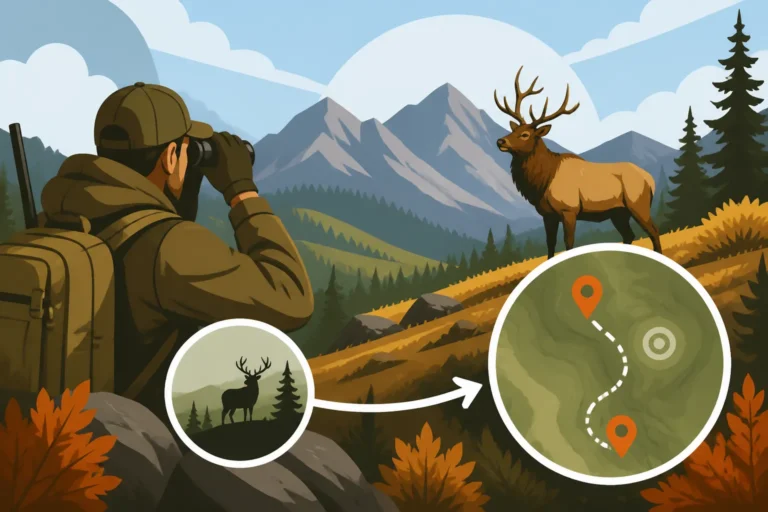
Modern hunting begins long before you set foot in the field, and GMU 23 is a prime example of a unit where detailed e-scouting can make a significant difference. Utilize tools like onX Hunt and Google Earth to pour over topographic maps, identifying potential bedding areas, feeding zones, water sources, and travel corridors. Look for north-facing slopes with dark timber for security cover, south-facing slopes for early morning feeding, and benches or saddles that elk might use as travel routes. Pay close attention to changes in vegetation, terrain features that funnel animals, and areas with limited human access. Learning How to E-Scout Before a Colorado Hunt is one of the most valuable preparation steps you can take.
Once you've narrowed down potential areas, a boots-on-the-ground scouting trip, if feasible, is invaluable. Physically walking the terrain allows you to confirm your e-scouting theories, discover fresh sign, locate water, and assess true access difficulty. You can identify specific game trails, wallows, and rubs that aren't visible on a map. This firsthand knowledge will boost your confidence and allow you to make more informed decisions when the season opens. Even if you can't scout the unit physically, relying on detailed topo maps and recent satellite imagery can give you a significant advantage.
Essential Gear and Fitness for the Field
Hunting GMU 23 means being self-sufficient and prepared for whatever the Colorado mountains throw at you. Your gear needs to be up to the task, and your body needs to be able to carry it. Beyond your weapon of choice, a high-quality backpack is crucial, not just for carrying your daily essentials but also for packing out meat. Look for packs with good weight distribution and sturdy frames; many hunters swear by brands like KUIU or Stone Glacier for this demanding type of hunting. Best Backpack for a Colorado Elk Hunt guides will highlight models designed for heavy loads and rugged use.
Optics are another non-negotiable. Good binoculars (10x or 12x) and a spotting scope (if you plan on glassing large basins) can save you countless miles by allowing you to spot elk from a distance. Investing in quality layering clothing, including moisture-wicking base layers, insulating mid-layers, and a waterproof/windproof outer shell, is essential for adapting to rapidly changing mountain weather, from warm midday sun to freezing rain or snow. Navigation tools, whether a GPS device or a reliable smartphone app with downloaded maps, are non-negotiable for staying found in remote terrain. And don't forget a well-stocked first-aid kit; accidents happen, and you'll often be a long way from help. Finally, remember that your physical conditioning is as much a part of your gear as anything else. Altitude Training for Colorado Hunting is often overlooked but can significantly impact your comfort and effectiveness in the field.
Hunting Tactics for GMU 23
Given the unit's characteristics, a combination of tactics tends to be most effective. Spot-and-stalk hunting, especially during the archery and early rifle seasons when elk are still relatively visible, can be highly productive. This involves using your optics to locate elk from a distance and then carefully planning an approach. Learning Spot-and-Stalk Hunting in Colorado principles will serve you well. For bowhunters, integrating calling strategies during the rut can draw in curious bulls. How to Bugle-Locate a Colorado Bull can help you find them, and then knowing How to Set Up on a Bugling Elk is key to closing the distance.
As hunter pressure increases, still-hunting through dense timber and focusing on travel corridors or water sources becomes more effective. Elk will often seek refuge in the thickest cover, and moving slowly and deliberately through these areas can lead to close-range encounters. Hunting benches, saddles, and drainages that connect bedding to feeding areas can also yield results, especially during the middle of the day when elk are moving between resting and foraging. During later seasons, once snow pushes elk to lower elevations, finding pinch points and migration routes can offer excellent ambush opportunities. Regardless of your chosen method, always pay attention to the wind and thermals; elk rely heavily on their sense of smell, and a shifting breeze can instantly give away your position.
Disclaimer
Hunting is an inherently dangerous activity. This guide provides general information and recommendations. Always consult the official Colorado Parks and Wildlife (CPW) regulations for the most current rules, season dates, and unit-specific requirements. Safety should always be your top priority.