Colorado GMU 78 Hunting Guide
Choosing the right hunting unit in Colorado can feel like deciphering an ancient scroll, especially when you're looking at specific areas like Game Management Unit (GMU) 78. Many hunters get overwhelmed by the vastness of the state and the sheer amount of data, wondering if a unit truly holds the potential they're hoping for. This guide is here to cut through the confusion and give you a comprehensive breakdown of what to expect when planning your hunt in Colorado GMU 78.
Understanding Colorado GMU 78: Location, Terrain, and Species
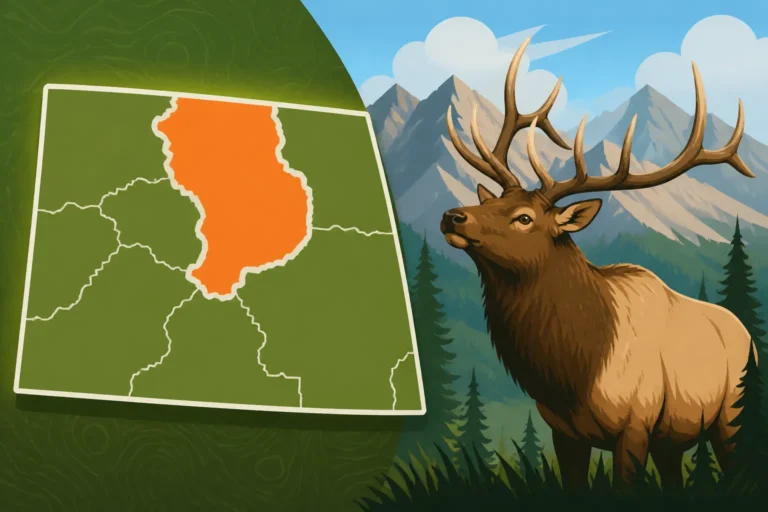
GMU 78 is nestled deep in the southwestern part of Colorado, a region renowned for its rugged beauty and challenging hunting opportunities. This unit is part of the San Juan Mountains, meaning you're going to encounter some serious elevation changes and remote country. If you've been dreaming of a true high-country adventure, this unit might just be calling your name. It's a place where preparation meets opportunity, and simply showing up won't cut it.
Geographical Landscape and Access Points
GMU 78 is characterized by its dramatic mountain peaks, deep canyons, expansive alpine basins, and dense timber stands. Elevations can range from around 8,000 feet in the lower river valleys up to well over 13,000 feet in the higher reaches of the San Juan Wilderness Area, which makes up a significant portion of this unit. Think jagged peaks, scree fields, and cirque basins carved by ancient glaciers. You'll also find numerous creeks and rivers, like parts of the Animas River and its tributaries, providing crucial water sources for wildlife and defining travel corridors. The terrain itself can be incredibly steep and demanding, requiring physical fitness and reliable gear.
Access into GMU 78 is primarily off highways like US-550 and US-160, particularly near towns such as Durango and Silverton. From these main arteries, numerous county roads and forest service roads branch off, leading to various trailheads. However, many of the prime hunting areas are deep within the backcountry, often requiring extensive hiking or packing in via horseback. This means less road hunting pressure but demands more effort and planning on your part. For instance, areas accessible by vehicles will see higher hunter concentrations, especially during rifle seasons. To truly get away from the crowds and find undisturbed animals, you'll need to put boots on the ground and venture into the roadless areas. Using detailed mapping tools like onX Hunt is absolutely essential here to identify public land, private parcels, and all those small access roads and trails that might not be obvious on a paper map.
Primary Game Species and Their Habitat
GMU 78 is a multi-species unit, but it's most famous for its elk and mule deer populations. Elk here are primarily resident herds, migrating up to high alpine meadows in summer and descending to lower, more protected timbered slopes and drainages as winter approaches. You'll find them scattered throughout the unit, often preferring the north-facing slopes with denser cover during the day and moving to feed in open parks or aspen stands during dawn and dusk. This unit also holds a healthy population of mule deer, which often share the same general habitat as elk but can be found at slightly lower elevations or in more open, broken country compared to the dense elk timber. You might also encounter black bears, often following the elk and deer herds, especially during berry season or when they're feasting on carrion.
For elk, the high-elevation basins and dark timber pockets are key. During the early archery seasons or the pre-rut, finding wallows and bedding areas near timbered benches can be productive. As the rut heats up, bulls will be vocal, and learning How to Call Elk in Colorado becomes a critical skill. Mule deer, on the other hand, often prefer the fringes of the timber, the rocky outcroppings, and the areas with a mix of aspen and conifers. Their cautious nature means glassing vast areas thoroughly is often more effective than still-hunting. The diversity of terrain means that an adaptive approach, ready to switch between different hunting methods, will serve you best.
Trophy Potential and Herd Health
GMU 78 generally offers good hunting for both elk and mule deer, with decent trophy potential for hunters willing to work hard. For elk, it's not typically known as a "trophy unit" like some of the highly-drawn units further north, but it consistently produces mature bulls for diligent hunters. The sheer ruggedness of the terrain helps some bulls reach older age classes by making them harder to access. Hunters here often report seeing good numbers of 5-point and 6-point bulls. Mule deer also have solid potential, though large bucks can be elusive. The herd health for both species is generally considered stable, with Colorado Parks and Wildlife (CPW) managing for sustainable populations.
However, hunting pressure can impact animal behavior, especially in areas closer to roads or popular trailheads. Animals become more nocturnal and hold tighter to cover. This is where getting deep into the backcountry, far from the nearest road, really pays off. While you might not draw a 350-inch bull tag here, your chances of a respectable animal are good if you put in the effort. Always check the current harvest statistics and draw odds on resources like GoHunt to get the most up-to-date picture of success rates and trophy quality for the most recent seasons. This data-driven approach is invaluable for setting realistic expectations.
Navigating Regulations and Tagging for GMU 78
Understanding the rules and securing the right tag for GMU 78 can be one of the most challenging aspects of planning your hunt. Colorado's draw system and over-the-counter (OTC) options are notoriously complex, and missteps can cost you a season or preference points.
Draw Odds and Over-the-Counter Opportunities
For elk, GMU 78 offers both limited draw tags and over-the-counter (OTC) opportunities, depending on the weapon and season. Historically, archery elk tags for GMU 78 have been available OTC for either-sex elk, which is a huge draw for many hunters. This means you don't need to go through the draw system or accumulate preference points to hunt elk with a bow in this unit during archery season. However, this also means more hunters, so expect company. Muzzleloader and rifle seasons, on the other hand, are typically limited draw units for bull elk tags, requiring preference points. Cow elk tags are often available through a limited draw as well, sometimes requiring fewer points or even available as leftover tags.
Mule deer in GMU 78 are almost exclusively a limited draw. Drawing a good mule deer tag usually requires several preference points, especially for rifle seasons. This reflects the intense demand for quality mule deer hunting in Colorado. The number of points needed can fluctuate year to year, so keeping an eye on the Colorado Draw System and Preference Points is crucial. For non-residents, drawing any limited tag can be even more challenging due to allocation quotas, making OTC archery elk a particularly attractive option for many. Always verify the most current regulations and draw codes through the CPW website or annual big game brochure before applying.
Key Regulations and Season Dates
Colorado hunting seasons are structured around specific dates and weapon types, which vary by GMU. For GMU 78, you'll generally find:
- Archery Elk Season: Typically runs from late August through late September, often available OTC for either-sex elk. This is prime time for the rut and often has warmer weather.
- Muzzleloader Elk Season: A shorter, limited draw season usually in mid-September, overlapping with part of the archery rut. Tags are harder to come by.
- Rifle Elk Seasons: Colorado has multiple rifle seasons, often referred to as 1st, 2nd, 3rd, and 4th rifle seasons. In GMU 78, bull elk tags for these are typically limited draw. The 2nd and 3rd rifle seasons often see the highest hunter pressure due to generally better weather and increased animal movement as temperatures drop.
- Deer Seasons: Mule deer seasons generally align with elk seasons but are almost always limited draw for bucks.
It's vital to check the Colorado Hunting Seasons Explained document annually, as dates and specific regulations (like antler point restrictions) can change. For example, some units have 4-point antler restrictions for bulls, meaning a bull must have at least four points on one antler to be legal. Always confirm the specific hunt code for GMU 78 to ensure you understand the legal requirements for your chosen species and season. You'll also need a valid Colorado hunting license and a Habitat Stamp.
Effective Hunting Strategies for GMU 78
Hunting in GMU 78 is not for the faint of heart. The rugged landscape, variable weather, and the sheer challenge of finding and approaching animals require a blend of physical prowess and strategic thinking.
Public Land Pressure and Finding Seclusion
GMU 78 contains a substantial amount of public land, including significant portions of the Weminuche Wilderness and other National Forest lands. This public access is fantastic, but it also means you'll likely encounter other hunters, especially during the more popular rifle seasons. The key to success often lies in being willing to go where others aren't. While the main trailheads and easily accessible areas will see heavy pressure, a short distance off the beaten path can make a huge difference.
One common strategy is to target areas that require a longer hike in. For example, if a popular trailhead leads to a basin that's a 3-mile hike, consider going another 3-5 miles beyond that, or choose a lesser-known trailhead that might require more elevation gain but offers more seclusion. This often means embracing a Colorado Backcountry Hunting Guide approach. Animals quickly learn to avoid areas with high human activity, pushing them deeper into the timber, higher onto the ridges, or into overlooked pockets of cover. Patience and a good pair of binoculars are your allies in locating these pressured animals that might only move during the security of darkness. Remember that elk in particular are very sensitive to pressure and will quickly vanish into the thickest timber when disturbed.
Leveraging Terrain for Success
The varied terrain of GMU 78 offers both challenges and opportunities. Elk and deer use the landscape to their advantage, and you should too.
- North-Facing Slopes and Dark Timber: These areas often hold elk during the day, providing cooler temperatures and dense cover. They are difficult to hunt, but approaching them slowly and quietly, perhaps employing How to Still-Hunt Colorado Timber tactics, can be effective.
- Alpine Basins and High Ridges: In the early morning and late evening, especially during early archery or prior to heavy snow, elk and mule deer will feed in open alpine basins or travel along high ridges. This is where glassing becomes paramount. Find a vantage point, settle in, and meticulously pick apart the landscape. Learning How to Glass Big Colorado Basins can literally make or break your hunt.
- Drainages and Water Sources: All animals need water. Identifying wallows (for elk) or natural springs and seeps can lead you to active areas. Hunting Elk Wallows in Colorado can be especially productive during the rut. Travel corridors in drainages are also natural pathways for animals moving between bedding and feeding areas.
- Saddles and Benches: These geological features often serve as natural travel routes and bedding areas. A saddle connecting two ridges, or a bench on a steep mountainside, can funnel animals and offer excellent ambush points.
Understanding how to use the wind and thermals is also non-negotiable in this mountainous environment. Thermals typically rise in the morning and fall in the evening, dictating how scent moves through the landscape. Always approach from downwind, anticipating how the air currents will carry your scent.
Calling and Spot-and-Stalk Tactics
GMU 78 lends itself well to both calling and spot-and-stalk techniques, often used in combination.
- Calling for Elk: During the archery and muzzleloader seasons, especially when the rut is in full swing, elk calling can be incredibly effective. Learning to mimic cow calls, bugles, and even calf calls can draw in inquisitive bulls or locate silent ones. However, be mindful of hunter pressure; over-calling or calling in easily accessible areas can sometimes educate animals or attract other hunters. Knowing How to Call in a Silent Bull is a game-changer when elk go quiet.
- Spot-and-Stalk for Mule Deer: For mule deer, spot-and-stalk is often the most productive method. This involves finding animals from a distance, then carefully planning and executing a stalk to get within shooting range. The broken, rocky terrain of GMU 78 provides excellent cover for stalking. Patience, stealth, and a keen understanding of the wind are essential. This method is also highly effective for elk, particularly for solo hunters or in areas where calling isn't producing results. Learning Spot-and-Stalk Hunting in Colorado is a fundamental skill for this terrain.
| Strategy Component | Elk Hunting Application | Mule Deer Hunting Application | Key Considerations |
|---|---|---|---|
| Terrain Focus | North slopes, dark timber, wallows, alpine basins | Rocky outcroppings, aspen fringes, open slopes, ridges | Utilize elevation and cover; anticipate animal movement patterns. |
| Hunter Pressure | Go deep into wilderness areas, focus on lesser-used trails | Hunt thickets near pressured areas, focus on nocturnal movement | Be willing to hike farther; animals will be wary near roads. |
| Calling | Very effective during rut (archery, muzzleloader), use cow/bugle calls | Limited use, often more for locating than decoying | Practice calling techniques; be aware of other hunters. |
| Spot-and-Stalk | Effective in open basins, after locating animals via calling | Primary method, glassing is crucial, slow and deliberate | Use optics effectively; understand wind and thermals for approach. |
| Patience | Essential for waiting out animals in timber and enduring long hikes | Critical for glassing large areas and waiting for stalk opportunities | Don't rush; good things come to those who wait and work hard. |
Pre-Hunt Preparation and E-Scouting GMU 78
Your success in GMU 78 starts long before you ever set foot in Colorado. The right preparation can mean the difference between a memorable hunt and a frustrating struggle.
E-Scouting with Modern Tools
Before you even think about packing your boots, you should be deep into "e-scouting." This involves using digital mapping tools and online resources to gain an intimate understanding of the unit from your couch. Platforms like onX Hunt are indispensable for this. You can overlay public/private land boundaries, identify potential access roads and trails, mark water sources, pinpoint historical burn areas, and locate potential bedding and feeding areas based on terrain features. Look for areas with a mix of dark timber, open parks, and steep, broken country that might offer refuge for animals.
Another excellent resource is the Colorado Parks and Wildlife (CPW) online mapping system and their interactive hunt atlas, which provides detailed habitat information, game distribution data, and historical harvest success rates. Combining this with satellite imagery from Google Earth can help you visualize the terrain and identify potential glassing points or ambush locations. Researching draw odds and harvest success rates on platforms like GoHunt can give you a crucial edge, helping you understand the realistic chances of drawing a tag and what other hunters have experienced in the unit. By studying contour lines, drainages, and vegetation patterns, you can develop a solid game plan and identify backup areas long before your hunt begins. This early work helps you hit the ground running, rather than spending precious hunting days blindly searching.
Physical Conditioning and Altitude Acclimation
GMU 78 is not a place for the out-of-shape hunter. The average elevation for prime elk and deer habitat is between 9,000 and 12,000 feet, where the air is significantly thinner than at sea level. If you're coming from lower elevations, you're going to feel it. Symptoms of altitude sickness can range from headaches and nausea to more severe, debilitating conditions. This means physical preparation isn't just about being able to hike; it's about being able to perform under physiological stress. A dedicated Colorado Elk Hunt Fitness Plan that includes cardiovascular training, strength training (especially legs and core), and hiking with a weighted pack for several months leading up to your hunt is absolutely essential.
Beyond general fitness, considering How to Acclimate to Colorado Elevation is crucial. Ideally, arrive in Colorado a few days before your hunt starts to allow your body to adjust to the thinner air. Stay hydrated, avoid excessive alcohol, and take it easy for the first 24-48 hours. Many experienced hunters will base their camp at a lower elevation and make daily forays higher, gradually increasing their exertion. Even with good physical conditioning, hunting at high altitude is taxing, and you'll tire more quickly. Ensure you have the right gear, including quality boots like those found in the Best Boots for Colorado Elk Hunting guide, sturdy trekking poles, and a reliable backpack to carry your essentials and, hopefully, meat.
Disclaimer
Hunting is a challenging and potentially dangerous activity. This guide provides general information and recommendations based on publicly available data and common hunting practices. Regulations, unit boundaries, and wildlife populations can change. Always consult the most current Colorado Parks and Wildlife (CPW) regulations and official resources before planning any hunt. Hunter safety is paramount; always know your target and what is beyond it, and hunt ethically and responsibly.