Colorado GMU 43 Hunting Guide
Choosing a hunting unit in Colorado can feel like deciphering a secret code, especially when you're dreaming of big game opportunities but are overwhelmed by the sheer scale and complexity of the state's diverse landscapes. GMU 43 stands out as one of those units that hunters often hear about, a place known for its rugged beauty and challenging but potentially rewarding hunting. This guide aims to pull back the curtain on hunting GMU 43, offering a realistic look at its terrain, wildlife, and the strategies you'll need to find success.
Understanding Colorado's GMU 43 Terrain and Habitat
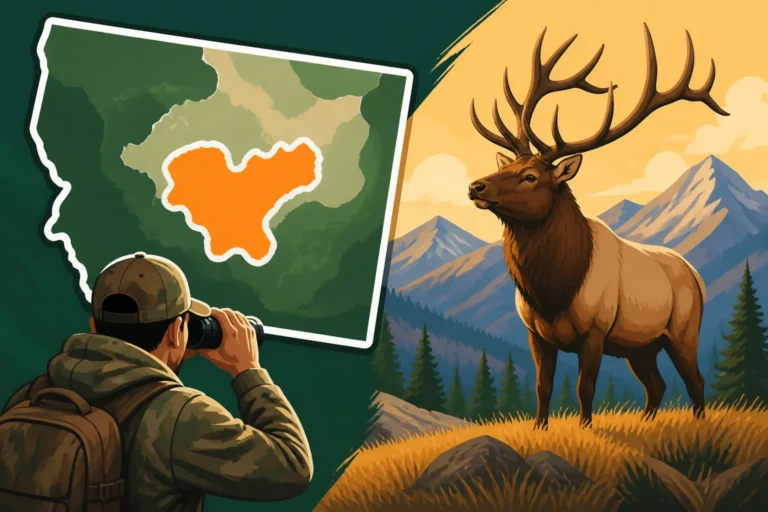
GMU 43 is a sprawling and incredibly diverse unit nestled in the heart of the West Elk Mountains. When you look at a map, it covers a significant chunk of mountainous terrain, making it both beautiful and physically demanding. Understanding its unique geographical features and the types of habitat it offers is crucial for any hunter planning a trip here.
Geographic Overview and Accessibility
Geographically, GMU 43 is dominated by the majestic West Elk Mountains, including large portions of the West Elk Wilderness and even parts of the Fossil Ridge Wilderness Area. This means you're dealing with high altitudes, steep climbs, deep drainages, and vast expanses of roadless country. Elevations can range dramatically, from around 7,000 feet in the lower river bottoms to over 13,000 feet on some of the peaks.
Access into GMU 43 can be varied. You'll find paved roads like State Highway 133 and parts of State Highway 92 on its fringes, but once you start heading into the core of the unit, roads quickly turn to rough dirt tracks, and many areas are only accessible by foot or horseback. Towns like Gunnison and Crested Butte are within a reasonable distance, offering services, but the actual hunting areas are remote. For instance, the area around Marble, or the access points off the Kebler Pass Road (CR 12) between Crested Butte and Paonia, often serve as jumping-off points into some seriously wild country. Navigating these vast areas requires careful planning, and tools like onX Hunt become indispensable for identifying public land, private land boundaries, and potential access routes. Don't underestimate the sheer size and vertical gain you'll encounter here. It's not uncommon to spend a full day hiking in just to get to prime hunting ground.
Key Habitat Types for Big Game
The habitat in GMU 43 is a mosaic of different ecosystems, each attracting specific game at different times of the year. Understanding these transitions is key to locating animals.
- Dark Timber Basins: Higher elevations are often characterized by dense stands of spruce and fir. These dark timber basins are critical thermal cover for elk, especially during periods of high hunting pressure or inclement weather. Bulls will often seek refuge here, making it a prime spot for still-hunting or calling. You can learn more about this by reading our guide on How to Hunt Elk in the Dark Timber.
- Aspen Groves: Interspersed throughout the conifer forests are beautiful, dense aspen groves. These areas are vital for forage, offering tender new growth and shelter. Elk and mule deer both frequent aspen stands, particularly during the early archery seasons and the rut, when the changing leaves provide incredible camouflage.
- Open Parks and Meadows: High-alpine parks and lower-elevation meadows provide crucial feeding grounds. These open areas are often glassed at dawn and dusk, looking for feeding animals. During the rut, these parks can become stages for bugling bulls, but they also expose animals to greater visibility, making them challenging to approach.
- Oak Brush and Sagebrush: At lower to mid-elevations, especially on south-facing slopes, you'll find extensive oak brush and sagebrush. Mule deer, in particular, will utilize these areas for both browse and cover, especially as temperatures drop later in the seasons. These can be prime areas for late-season deer hunts when snow pushes animals down.
- River Bottoms and Riparian Zones: Along the major drainages and rivers, you'll find lush riparian habitat. While not the primary habitat for elk and mule deer in the high country, these areas can be migration corridors or staging areas, especially for deer, as they move between summer and winter ranges.
This diversity means animals can shift their locations dramatically based on pressure, weather, and food availability. A successful hunter in GMU 43 is constantly reading the land and adapting their strategy to the prevailing conditions.
Big Game Hunting Opportunities in GMU 43
GMU 43 is renowned for its robust elk populations and offers decent mule deer hunting, along with opportunities for other species. However, like many popular Colorado units, it comes with its own set of challenges, particularly concerning hunting pressure and tag availability.
Elk Hunting in GMU 43
GMU 43 is a favorite among elk hunters, and for good reason—it boasts a healthy elk herd. This unit often has over-the-counter (OTC) elk tags available for archery and some rifle seasons, making it a magnet for both resident and non-resident hunters.
- OTC Archery Season: Archery elk hunting in GMU 43 can be phenomenal, especially during the rut. The sounds of bugling bulls echoing through the vast basins are truly unforgettable. However, OTC access means significant hunter numbers, so getting away from roads and other hunters is paramount. Deep backcountry pockets, often requiring a multi-day pack-in, are where you'll find less pressured elk. Tactics like calling, spot-and-stalk, and even setting up on wallows or water holes are effective, but stealth and endurance are your best friends. Check out our detailed guide on Archery Elk Tactics for the Rut for more insights.
- Muzzleloader Season: This season typically offers excellent opportunities as it falls right in the middle of the rut, similar to archery. Tags are typically limited draw, meaning less pressure than OTC rifle seasons. The challenging nature of muzzleloaders combines with the physical demands of GMU 43, making it a true test of a hunter's skill and resolve.
- Rifle Seasons (1st, 2nd, 3rd, 4th): The first rifle season in GMU 43 is limited draw, offering good success odds and lower pressure. The 2nd and 3rd rifle seasons, which often have OTC bull tags or easily drawn tags, see a significant spike in hunter density. This can push elk into the darkest timber, the steepest canyons, and the most remote wilderness areas. During these seasons, focusing on areas far from roads, utilizing thermals, and moving quietly are crucial. Learning How to Hunt Elk in Rifle Season Pressure will be invaluable here. The 4th rifle season is typically a draw-only, late-season hunt, often influenced by snow, which can push elk to lower elevations and specific migration corridors, offering unique opportunities for those willing to brave the colder conditions.
Remember, even with good elk numbers, success in GMU 43 is rarely easy. This is classic Colorado elk hunting, demanding physical fitness, mental toughness, and a willingness to go where others won't.
Mule Deer Hunting in GMU 43
While elk often steal the spotlight, GMU 43 also offers good mule deer hunting, particularly for those willing to scout and put in the effort. Mule deer populations here tend to be scattered, favoring pockets of diverse habitat.
- Habitat Preferences: Mule deer in GMU 43 often prefer areas with a mix of timber and open sagebrush or oak brush, especially on south-facing slopes which warm up faster. They'll use steep, broken country for escape cover. During early seasons, you might find them in high-country basins and timberlines, while later seasons often see them migrating to lower, more protected slopes. Learning How to Glass for Colorado Mule Deer is an essential skill here, as is understanding their movements throughout the season.
- Tactics: Spot-and-stalk is the name of the game for mule deer. High-quality optics are non-negotiable for picking apart distant hillsides. Many mule deer tags in GMU 43 are draw-only, requiring preference points, but successful applicants often have a better chance at unpressured animals. Focus on transition zones, saddles, and benches where deer might be moving between bedding and feeding areas.
- Rifle vs. Archery: Both archery and rifle seasons can be productive for mule deer. Archery hunters will need to be extremely patient and proficient at stalking in open terrain. Rifle hunters benefit from longer range capabilities, which can be advantageous in the vast, open country found in parts of GMU 43.
Other Species
Beyond elk and mule deer, GMU 43 also presents opportunities for other species. Black bear tags are often available as an add-on during deer and elk seasons, and the dense timber and berry patches provide excellent bear habitat. Grouse hunting can also be a fun diversion, with dusky grouse often found in the higher conifer forests. While not typically a primary target, it's worth being aware of these additional opportunities.
Navigating Regulations and Resources for GMU 43
Colorado's hunting regulations can be complex, and understanding the nuances of tag availability and utilizing modern resources is paramount for a successful hunt in GMU 43.
Tag Availability and Draw Odds
The process of obtaining a tag for GMU 43 can vary significantly depending on the species and season.
- Draw System: Many of the coveted bull elk rifle tags, as well as most mule deer tags, are allocated through Colorado's primary draw system. This means applying for a specific hunt code (which designates species, sex, unit, and season) and potentially accumulating preference points. For instance, securing a quality limited-draw rifle elk tag or a mule deer buck tag often requires several preference points. Understanding How Many Preference Points for Colorado Elk and Colorado Draw System and Preference Points is critical to planning a future hunt in this unit.
- Over-the-Counter (OTC) Opportunities: GMU 43 has historically offered OTC archery elk tags for either-sex elk, and sometimes OTC bull elk tags for 2nd and 3rd rifle seasons. These tags are a fantastic opportunity for hunters who don't have enough preference points or want more flexibility, but they also mean higher hunter density in accessible areas. It's crucial to check the most current regulations from Colorado Parks and Wildlife (CPW) as OTC options can change, as seen with recent shifts in 2020. Our guide on Colorado OTC Elk Tags Explained can offer more insight.
- Cow Tags and Late Seasons: Often, late-season cow elk tags become available in GMU 43, sometimes as leftover tags or through the secondary draw. These hunts can be excellent for filling the freezer, but they often occur during challenging weather conditions and might require different tactics, such as focusing on lower elevations or wintering grounds.
Always consult the official Colorado Parks and Wildlife Big Game Brochure for the most up-to-date information on hunt codes, season dates, and draw odds before making any plans.
Essential Mapping and Scouting Tools
In a unit as vast and rugged as GMU 43, having the right tools for navigation and scouting isn't just helpful; it's absolutely essential.
- Digital Mapping Apps: This is where brands like onX Hunt truly shine. An app like onX is a game-changer for hunting in GMU 43. It allows you to:
- Identify public vs. private land boundaries, preventing accidental trespassing. This is particularly important around areas that mix BLM, National Forest, and private holdings.
- Download offline maps, critical for areas with no cell service (which is most of GMU 43's backcountry).
- Mark waypoints for potential game sign, water sources, natural funnels, and your camp.
- Track your movements, helping you navigate in dense timber or fog.
- Scout from home, identifying potential access points, terrain features, and likely bedding or feeding areas.
- E-Scouting Platforms: Complementing onX Hunt, platforms like GoHunt provide invaluable data for pre-hunt research. GoHunt's Insider service, for example, offers detailed draw odds, harvest statistics, and unit analyses that can help you understand the potential of GMU 43 for specific species and seasons. This kind of platform helps you strategize whether to apply for a draw tag, how many points you might need, or what to expect from an OTC hunt. You can learn more about this by reading How to E-Scout Before a Colorado Hunt.
- Topographic Maps and GPS: Even with digital tools, having a physical topo map and a dedicated GPS unit as a backup is always a good idea, especially if you're venturing deep into the wilderness where electronics can fail. Being able to read contour lines and understand the lay of the land without a screen is a skill that will serve you well in GMU 43.
Planning Your Hunt: Logistics and Preparations for GMU 43
Hunting in GMU 43 is not a spur-of-the-moment decision. It requires meticulous planning and preparation, both physically and logistically, to ensure a safe and successful experience.
Physical Demands and Altitude Acclimation
GMU 43 is physically demanding. You will be hiking at high elevations, often carrying heavy packs, navigating steep terrain, and doing so for multiple days.
- Altitude Sickness: Many hunters coming from lower elevations underestimate the impact of altitude. Symptoms like headaches, nausea, dizziness, and extreme fatigue can quickly turn a hunt dangerous. It's crucial to spend a few days at elevation (e.g., in a mountain town like Gunnison or Crested Butte) before exerting yourself. Drink plenty of water and avoid alcohol. Consider our article on Altitude Training for Colorado Hunting to help you prepare.
- Fitness Level: You don't need to be an Olympic athlete, but you do need to be in good cardiovascular shape. Regular hiking with a weighted pack, stair climbing, and general strength training are highly recommended. Imagine climbing a mountain with 50 pounds on your back, then quartering an elk, and then carrying out 100 pounds of meat over rugged terrain. That's the reality of hunting in GMU 43.
Camp Setup and Backcountry Considerations
How you choose to set up your camp will largely depend on your hunting style and target areas within GMU 43.
- Base Camp: Many hunters opt for a base camp near road access, using a wall tent, camper, or even a vehicle. From here, you can make daily forays into hunting grounds. This offers comfort and convenience but means you might be spending valuable time hiking to and from your hunting areas, especially if you're trying to get away from road hunters.
- Spike Camps: To maximize hunting time and minimize travel, many experienced hunters will set up spike camps deeper in the backcountry. This involves packing in lightweight tents, sleeping bags, and essential supplies for a few days, allowing you to hunt closer to where the animals are. This strategy is physically demanding but often yields higher success rates, especially in pressured areas. Read our Colorado Backcountry Hunting Guide for a comprehensive look at what this entails.
- Horseback Hunting: For those looking to penetrate deep into the wilderness areas, using horses or mules can be an invaluable asset for packing in gear and packing out meat. Several outfitters operate in and around GMU 43 offering drop camp services or fully guided horseback hunts.
- Gear List: Your packing list will be critical. Layering clothing is essential for Colorado's unpredictable mountain weather, which can range from warm sunshine to snowstorms in a single day. High-quality boots, a reliable backpack, and effective optics are non-negotiable. Don't forget bear spray in areas with active bear populations. Our Best Backcountry Gear for Colorado Elk guide can help you dial in your list.
Remember, GMU 43 is a unit that demands respect and thorough preparation. The rewards, however, of taking an elk or mule deer in this stunning, challenging landscape are truly unparalleled.
GMU 43 Hunting Overview Table
| Feature | Elk Hunting in GMU 43 | Mule Deer Hunting in GMU 43 | Black Bear Hunting in GMU 43 |
|---|---|---|---|
| Primary Habitat | Dark timber, aspen groves, high-alpine parks | Mixed timber, oak brush, sagebrush, steep broken country | Dense timber, berry patches, riparian zones |
| Tag Availability | OTC Archery, OTC/Draw Rifle (2nd/3rd), Draw (1st/4th) | Mostly Draw (preference points often required) | OTC add-on for deer/elk tags |
| Hunting Pressure | High in accessible areas, lower in deep backcountry | Moderate, varies by season and access | Low to moderate |
| Physical Demand | Very High (steep, high altitude, long distances) | High (glassing, stalking in broken country) | Moderate to High |
| Key Tactics | Calling, spot-and-stalk, still-hunting, wallows | Spot-and-stalk, glassing | Still-hunting, opportunistic |
| Best Seasons | Archery (rut), 1st Rifle (draw), 4th Rifle (late season) | Early Archery (high country), Late Rifle (migration) | Concurrent with deer/elk seasons |
| Approx. Success Rate | Varies widely (from 5% to 20%+ depending on season/effort) | Varies (often 10-20% for draw tags) | Low, often incidental harvest |
Disclaimer
Hunting in Colorado involves inherent risks, including but not limited to, those associated with wildlife encounters, harsh weather conditions, and rugged terrain. Always prioritize safety, adhere to all Colorado Parks and Wildlife regulations, and ensure you are adequately prepared and equipped for your chosen hunt. This guide is for informational purposes only and should not replace official regulations or professional advice.