How to Hunt Elk in Second Rifle Season
The crisp, cold air of late October in Colorado signals more than just changing leaves; it ushers in one of the most popular, and often challenging, big game seasons: Second Rifle Season for elk. Many hunters find themselves scratching their heads during this period, struggling with increased hunter pressure and elk that seem to vanish overnight. This guide is designed to cut through that frustration, offering realistic strategies and detailed insights to help you navigate the unique demands of hunting Colorado elk during this critical rifle season.
Understanding Colorado's Second Rifle Season Dynamics
Second Rifle Season often feels like a blend of the early seasons' lingering rut activity and the colder, more settled patterns of late fall. It's a time of transition, making it both exciting and unpredictable. Success hinges on a deep understanding of what's happening in the elk woods during these few precious weeks.
Key Dates and Regulations for Second Rifle
Typically falling in the last week of October, the Colorado Second Rifle Season for elk is a high-demand period. These dates are set by Colorado Parks and Wildlife (CPW) well in advance, and it's absolutely crucial to have them locked down. For specifics, always refer to the official CPW hunting regulations brochure or website, but generally, you're looking at about a nine-day window. This season is also one of the times when you'll find a higher concentration of "Over-the-Counter" (OTC) elk tags available, particularly for antlered (bull) elk, depending on the unit. However, it’s vital to understand the nuances, as OTC options can change year to year. You can dive deeper into the schedule by checking out the article on Colorado 2nd Rifle Season Dates.
Regulations for Second Rifle Season generally align with standard rifle season rules. This includes legal shooting hours, specific weapon requirements, and bag limits. Unlike archery season where either-sex tags might be more common, Second Rifle Season often sees specific antler point restrictions or "bull-only" tags in certain units, while other units might offer "either-sex" tags through the draw. Always double-check your specific hunt code and unit regulations. It's easy to make a mistake when you're caught up in the excitement, but a mistake can cost you your harvest or even your hunting privileges.
The Impact of Pressure and Public Land
Let's be real: hunting during Second Rifle Season, especially on public land in Colorado, means dealing with people. A lot of people. The woods can feel like a busy hiking trail sometimes, and this hunter pressure is arguably the biggest challenge you'll face. Elk, being smart animals, quickly adapt to this sudden influx of orange vests and gunfire. They abandon open areas, well-used trails, and easily accessible timber, retreating into the thickest, nastiest, steepest, or most remote cover they can find. This makes "easy" hunting virtually nonexistent. Understanding How to Hunt Elk on Public Land Pressure is paramount to even having a chance.
This pressure isn't just from other hunters; it also comes from vehicles, ATVs, and even horse packers. Every noise, every scent, every sign of human presence pushes elk further into their sanctuaries. This means that your best bet for success often lies in finding those overlooked pockets of public land – the spots that require extra effort, a long hike, or perhaps a difficult approach that deters most other hunters. It forces you to think like an elk, predicting their escape routes and finding where they'll feel safe from the constant intrusion.
Elk Behavior During This Period
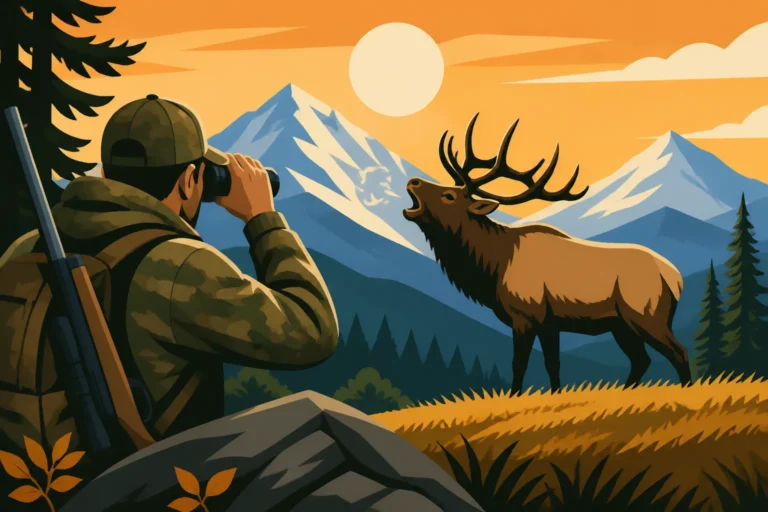
By Second Rifle Season, the intense, frenetic energy of the elk rut is largely over. Those screaming bulls you hear about in September are mostly quiet now, focusing on recovering lost weight and conserving energy. Don't expect to hear much bugling, though a few satellite bulls or older, less dominant bulls might still let out an occasional call. Instead, elk are generally shifting into their fall feeding patterns, prioritizing calories to build up reserves for winter. They will still seek out food sources, but they're doing so with extreme caution.
Daylight hours are shorter, and temperatures are dropping, sometimes significantly, especially at higher elevations. This means elk might move more during daylight hours than they would in warmer early seasons, but they're still largely nocturnal in areas with heavy pressure. They'll often feed in open areas or timbered parks during the night and then retreat into dense, north-facing timber or thick bedding cover at first light. Snow, if it arrives, can drastically change their behavior, pushing them down to lower elevations where forage is still accessible. Paying attention to these subtle shifts in weather and food availability is key to understanding where to find them.
Essential Strategies for Success in Second Rifle Season
Conquering the Second Rifle Season means adopting a different mindset than you might for the rut. It's less about calling in a bull and more about methodical hunting, stealth, and persistence.
Locating Elk in Heavily Hunted Areas
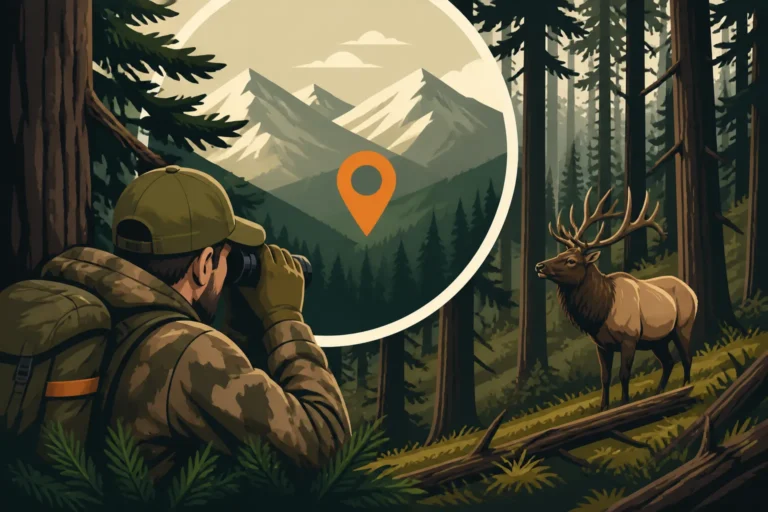
Finding elk during Second Rifle Season often means going where others won't. This typically points towards deep timber, steep canyons, and high-elevation benches that are a pain to get to. Use your maps, satellite imagery (tools like GoHunt's INSIDER mapping platform are invaluable here), and knowledge of elk behavior to identify potential sanctuary areas. Look for patches of dark timber, particularly on north-facing slopes, and remote drainage systems. These are the places elk retreat to when they feel pressured. You're not looking for the easiest path; you're looking for the path of most resistance that the elk are using as their refuge.
Scouting isn't just for pre-season anymore. Mid-season "e-scouting" can be crucial. Spend time analyzing recent satellite images for snow lines, open clearings that might offer late-season forage, or subtle benches that might hold feed or provide a safe bedding area. When you're on the ground, don't just walk the obvious trails. Look for faint game trails leading into dense cover, rubs and wallows that indicate activity (even if older), and fresh droppings. Remember, elk don't move randomly; they follow distinct patterns between feed, water, and bedding. The fresher the sign, the closer you are. Check out How to E-Scout Before a Colorado Hunt for more tactics.
Effective Hunting Tactics for Mid-Fall
Given the decreased rut activity and increased pressure, still-hunting and spot-and-stalk are your primary weapons. Still-hunting involves moving slowly and deliberately through timber, taking a few steps, then stopping for several minutes to glass and listen. Your goal is to move as quietly as possible, mimicking the movement of another animal. This tactic is especially effective in those dense timber patches where elk hide. When moving through the trees, you'll need to know How to Move Quietly Through Colorado Timber.
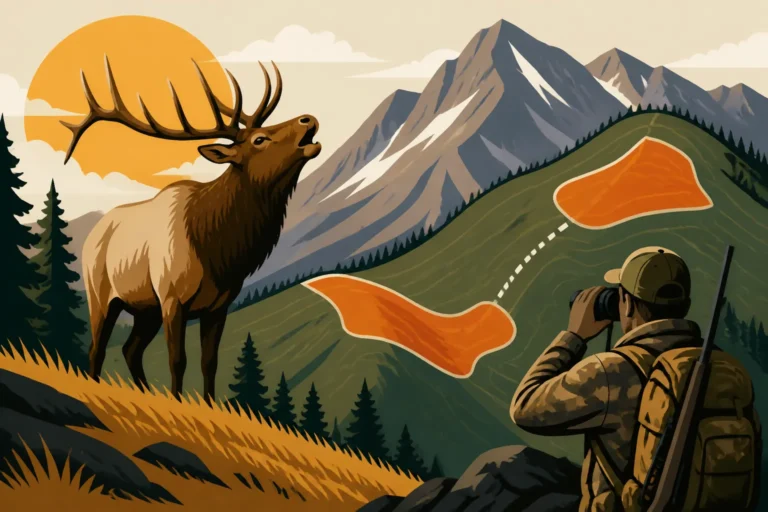
Spot-and-stalk hunting works well in more open, broken terrain where you can use optics to locate elk from a distance and then plan a careful approach. Early mornings and late evenings are prime times, as elk might be moving between bedding and feeding areas. If you spot them, pay meticulous attention to wind direction and thermals. Elk have an incredible sense of smell, and a shifting wind can blow your cover instantly. Remember How to Use the Wind Hunting Colorado Elk and How to Use Thermals in Colorado Elk Country are crucial skills. If you find elk bedded down, often in deep timber, approach slowly, using terrain features to mask your movement. Be patient; a slow, deliberate approach is always better than a rushed, noisy one.
Navigating Mountain Terrain and Weather
Colorado's mountains are beautiful but unforgiving, especially in late October. You need to be prepared for anything from sunny, mild days to heavy snowstorms and frigid temperatures. One day you might be shedding layers, the next you're post-holing through fresh powder. This unpredictability makes preparation key. Always pack extra layers, a reliable map (digital or paper), a compass or GPS, and emergency supplies.
Snow can be both a blessing and a curse. It makes elk tracks incredibly easy to follow, but it also makes travel more difficult and can push elk to unexpected lower elevations. If snow hits, focus on tracking fresh sign and looking for areas where elk might be concentrating, such as south-facing slopes that melt out faster, exposing forage. Be aware of avalanche danger in steep, high-country terrain, especially after heavy snowfall. Your physical fitness will be tested; long days of hiking at elevation, often through challenging terrain, require significant stamina.
Gear and Preparation for Second Rifle Season Hunts
Having the right gear isn't just about comfort; it's about safety and effectiveness. The Colorado mountains will expose any weaknesses in your setup.
Recommended Optics and Firearms
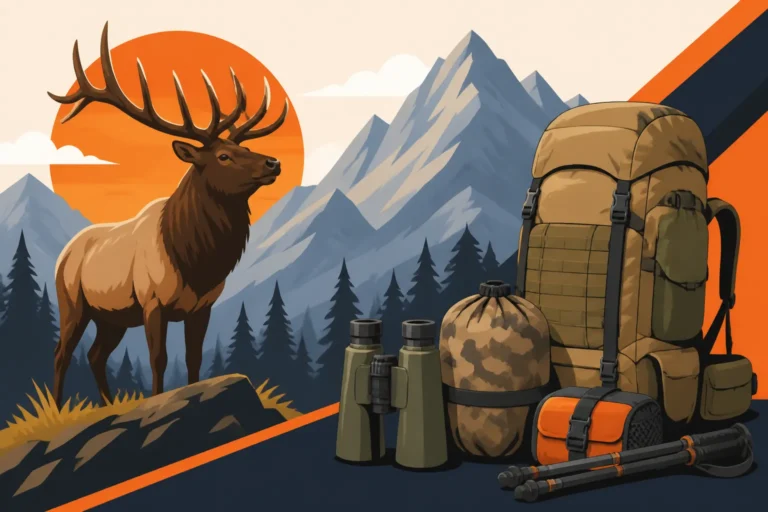
For Second Rifle Season, your optics are your eyes. High-quality binoculars (10×42 or 10×50 are great all-around choices) and a spotting scope (15-45x or 20-60x) are indispensable for picking apart distant timber, glassing open slopes, and identifying subtle movements. A rangefinder is also non-negotiable for ethical shot placement in varied terrain. Brands like Vortex, Leupold, and Swarovski are popular choices, offering durability and clarity. Using a mapping app like GoHunt alongside your optics can help you quickly identify terrain features where elk might be hiding.
When it comes to firearms, reliability and accuracy are paramount. Popular calibers for Colorado elk include .30-06, .300 Win Mag, 7mm Rem Mag, and .308 Win. Ensure your rifle is sighted in and you're comfortable shooting at varying distances and angles. Mountain hunting often involves steep uphill and downhill shots, so practice these scenarios beforehand. A quality scope with good low-light performance can make a big difference in those crucial early morning or late evening moments. Don't forget to practice shooting from different positions you might encounter in the field, like off your backpack or prone on a steep slope. Our Colorado Rifle Elk Hunting Guide offers more insight into this.
Clothing Systems and Backpack Essentials
Layering is the name of the game in Colorado's unpredictable fall weather. You need a base layer (merino wool or synthetic), a mid-layer for insulation (fleece or puffy jacket), and a waterproof/windproof outer shell. Bring warm gloves, a beanie, and gaiters, especially if snow is in the forecast. Camo patterns are less critical than in archery season; hunter orange is required outerwear during rifle seasons, so choose layers that allow for its display.
Your backpack is your lifeline. For a full day hunt or even a multi-day backcountry trip, a pack ranging from 4500-6500 cubic inches is often ideal. Fill it with essentials: water, high-energy snacks, a first-aid kit, headlamp with extra batteries, fire starter, knife, game bags, shelter (even a lightweight tarp for emergencies), and a way to purify water. Consider carrying an inReach or similar satellite communication device for emergencies, especially if you're venturing deep into the backcountry. A detailed Colorado Backcountry Hunting Gear List can help ensure you don't forget anything vital. Don't skimp on quality boots either; your feet will thank you after miles of hiking on rugged terrain. Our guide to Best Boots for Colorado Elk Hunting can point you in the right direction.
Physical Conditioning for a Successful Hunt
This cannot be stressed enough: elk hunting in Colorado, particularly during rifle season when you're often pushing into deeper, steeper country to avoid pressure, is physically demanding. You'll be climbing thousands of vertical feet, covering rugged terrain, and potentially packing out hundreds of pounds of meat at altitude. Starting a fitness regimen months before your hunt is non-negotiable. Focus on cardiovascular endurance, leg strength, and core stability.
Hiking with a weighted pack, stair climbing, and general strength training will serve you well. Simulate hunting conditions as much as possible, including training at elevation if you have access to it. Even if you don't live at altitude, you can still improve your cardio to minimize its effects. The better shape you're in, the more ground you can cover, the longer you can hunt effectively, and the safer your experience will be. Remember to check out How to Physically Prepare for Colorado Elk for more in-depth advice.
Post-Harvest Considerations and Best Practices
If you're fortunate enough to harvest an elk, the work has only just begun. Proper field care is essential to ensure your hard-earned meat doesn't go to waste.
Field Care and Meat Preservation
Once an elk is down, the clock starts ticking. Get to the animal quickly and begin the gutting or gutless quartering process immediately. This is particularly crucial in Second Rifle Season when temperatures can still be mild during the day, or you might be facing freezing nights. Cooling the meat down rapidly is key to preventing spoilage. Remove all internal organs, skin the animal, and quarter it into manageable pieces. Many hunters prefer the gutless method, especially for large animals like elk, as it often requires less effort and is cleaner in the field.
Use good quality game bags (synthetic or cotton blend) to protect the meat from dirt, insects, and drying out. Hang the quarters in the shade, allowing air to circulate around them to continue the cooling process. If you're deep in the backcountry, you might need to leave quarters hanging overnight, especially if temperatures are consistently cold. However, always be mindful of predators and take precautions to protect your meat. Knowing How to Quarter an Elk in the Field and How to Keep Elk Meat Cool in Warm Weather are invaluable skills.
Packing Out Your Elk
Packing out an elk is perhaps the most physically demanding part of the entire hunt. A mature bull can weigh over 700 pounds live, translating to hundreds of pounds of meat, hide, and antlers. Be realistic about your physical capabilities and your group's strength. If you're hunting solo, packing out an entire elk can take multiple trips and an incredible amount of effort. Investing in a sturdy, external frame pack designed for heavy loads will make the task much more manageable.
Plan your route out carefully, considering terrain, light, and potential hazards. It's often safer and more efficient to make multiple, lighter trips than one or two trips with dangerously heavy loads. Having a good buddy system is invaluable for this phase of the hunt. Make sure you know How to Pack Out an Elk in Colorado before you head into the field. This arduous task is a testament to the challenge and reward of hunting in Colorado.
Disclaimer
Hunting is an inherently dangerous activity. Always prioritize safety, adhere to all local, state, and federal regulations, and hunt ethically. The information provided in this guide is for informational purposes only and should not replace official regulations, professional instruction, or personal judgment. Be aware of your surroundings, understand your equipment, and respect wildlife.