Best Fly-In or Pack-In Colorado Hunts
The thought of chasing elk deep in the Colorado backcountry, far from roads and the crowds that come with them, is a powerful draw for many hunters. But let's be real: actually pulling off a fly-in or pack-in hunt is a whole different beast than dreaming about it from your couch. It takes meticulous planning, serious physical conditioning, and a deep understanding of what it truly means to venture into the remote wilderness. This guide is here to walk you through the ins and outs of planning the best fly-in or pack-in Colorado hunts, ensuring you're prepared for the adventure of a lifetime, not a survival saga.
The Allure and Reality of Colorado Fly-In or Pack-In Hunts
There's a special kind of quiet that settles over you when you know the nearest road is hours, or even days, away. This is the magic of a fly-in or pack-in hunt in Colorado. It's not just about escaping other hunters; it's about immersing yourself in true wilderness, where the elk are less pressured and the challenge is amplified by every step. However, this allure comes with a healthy dose of reality that needs to be respected, not romanticized. The mountains here don't care about your hunting dreams; they demand preparation and resilience.
Defining "Wilderness" Hunting and What It Entails
When we talk about "wilderness" hunting in Colorado, we're typically referring to areas designated as official Wilderness Areas by the federal government, or simply vast expanses of roadless national forest lands. These are places where motorized travel is strictly prohibited, meaning no ATVs, no trucks, and often no mountain bikes beyond certain trailheads. Your only options are to go in on foot, with horses or mules, or in very specific circumstances, via air taxi to designated airstrips. This distinction is crucial because it dictates everything from your gear choices to your exit strategy.
For many, the idea of a true wilderness hunt is the ultimate test of their skills and grit. You’re not just hunting elk; you’re navigating, camping, and living entirely self-sufficiently for days, sometimes weeks. It’s an experience that strips away the conveniences of modern life and forces you to rely on your own two feet and wits. This is often where the most memorable hunts, successful or not, truly happen. It's a fantastic way to experience the state's rugged beauty, and understanding Colorado Wilderness Area Hunting is a key first step.
Why Embrace the Remote Backcountry Challenge
So, why would anyone willingly choose to carry everything they need on their back, trek for miles, and face the unpredictable elements of the Colorado high country? The reasons are as varied as the hunters themselves. For starters, remote areas generally mean less hunter pressure. While over-the-counter (OTC) units can be packed with hunters during rifle seasons, pushing elk into thicker cover, the deep backcountry often offers a refuge for both animals and hunters seeking solitude. This can translate to less skittish elk and a more natural hunting experience.
Secondly, there’s the sheer personal challenge and reward. Successfully executing a self-supported pack-in hunt and harvesting an animal in such a demanding environment provides an unparalleled sense of accomplishment. It’s an opportunity to truly test your limits, refine your outdoor skills, and disconnect from the everyday grind. Imagine the satisfaction of calling in a bull or stalking a mule deer buck in a basin where you haven’t seen another boot print for days. It's also an excellent way to learn How to Hunt Elk at High Elevation, pushing your physical and mental boundaries.
Essential Planning Steps for Your Remote Colorado Adventure
Before you even think about buying a tag, serious preparation is required for a fly-in or pack-in hunt. This isn't your average weekend hunt; it's an expedition. Skimp on any of these steps, and you're inviting discomfort, danger, or worse, a failed hunt despite all your effort.
Scouting and Unit Selection in Untouched Areas
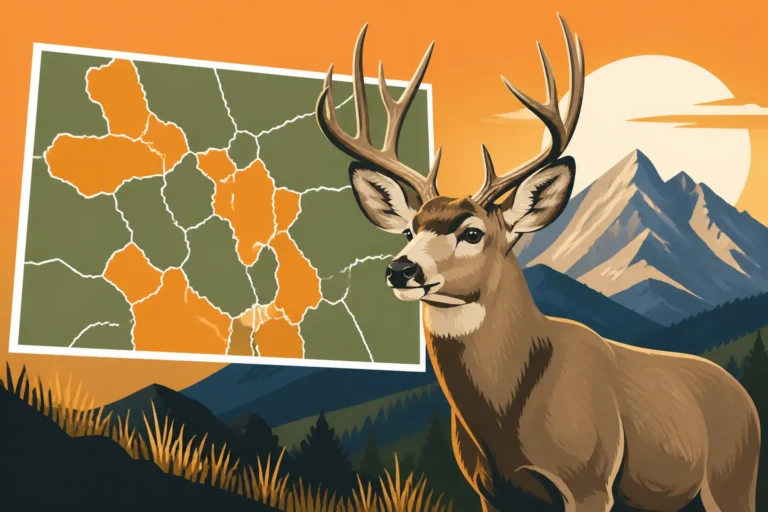
Choosing the right unit and hunting area is paramount. You need to identify Game Management Units (GMUs) that contain large wilderness areas or extensive roadless tracts. A great starting point is utilizing digital mapping tools like onX Hunt, which allows you to meticulously e-scout potential hunting grounds from your computer. You can identify public land boundaries, wilderness area designations, terrain features, water sources, and potential elk bedding or feeding areas. This level of detail is critical when you can't just drive around to scout.
When you're trying to figure out How to Choose a Colorado Hunting Unit, look for units with high elk populations and significant portions of public land, particularly those with difficult-to-access terrain. Areas like the Flat Tops Wilderness, Weminuche Wilderness, and parts of the West Elk Wilderness are legendary for their vastness and elk numbers. Don't forget to leverage resources like GoHunt, which provides detailed draw odds, unit statistics, and habitat breakdowns that can inform your decision-making. You'll want to focus on areas that are far enough from trailheads that most day hunters or even weekend warriors won't penetrate. This is where How to E-Scout Before a Colorado Hunt really pays off, allowing you to identify those hidden pockets and escape routes long before you set foot on the mountain.
Physical and Mental Preparedness
I cannot stress this enough: you must be in top physical condition. A pack-in hunt involves hiking many miles over rugged, steep terrain, often at high altitudes, carrying a heavy pack. If you're fortunate enough to harvest an animal, you'll be quartering it in the field and packing out hundreds of pounds of meat over multiple trips. This is not for the faint of heart or the out of shape. Start your training months in advance, focusing on cardio, strength, and endurance, especially for your legs and core. Training with a weighted pack is non-negotiable.
Beyond the physical, mental toughness is equally important. You'll face unpredictable weather, fatigue, discomfort, and the inevitable ups and downs of a challenging hunt. The ability to stay positive, make sound decisions under pressure, and push through when you're exhausted can be the difference between success and failure, or even safety and danger. Practicing your patience and resilience is just as vital as hitting the gym. For a more detailed regimen, consider guides on How to Physically Prepare for Colorado Elk to get started.
Logistics of Getting In and Out: Air Taxis, Horse Packers, and DIY
Once you've chosen your general hunting area, the next big hurdle is figuring out how you're actually going to get yourself and all your gear into that remote spot, and then, hopefully, get an animal back out. This is where the "fly-in" or "pack-in" part truly comes into play, each with its own benefits and challenges.
Utilizing Air Taxi Services for Deep Wilderness Access
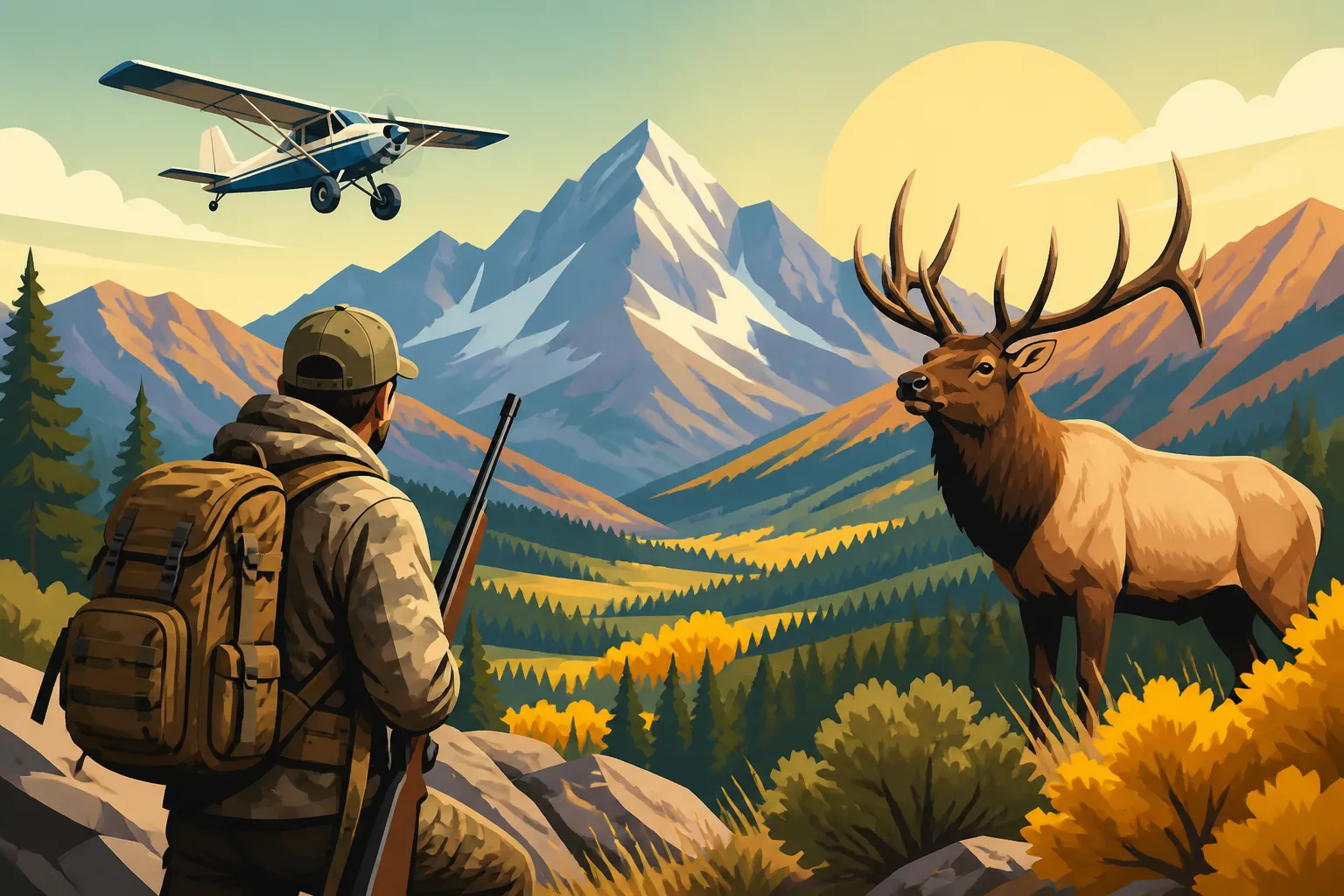
For the absolute deepest reaches of Colorado's wilderness, where even horses struggle to reach efficiently, air taxi services can be a game-changer. These services, usually operating small bush planes, can fly you and your gear into designated backcountry airstrips. Colorado has a few public airstrips located deep within national forests or adjacent to wilderness areas, making certain otherwise inaccessible regions viable for hunting. Areas in the Flat Tops Wilderness, for example, have historic airstrips that are still in use today.
The key advantages here are speed and access to truly remote terrain. You can be dropped off miles from the nearest road, giving you a significant head start into untouched country. However, air taxis come with significant costs, strict weight limits for gear, and are entirely dependent on weather conditions. You'll also need to consider your meat extraction plan carefully, as flying out an entire elk often requires multiple flights or coordinating with a separate packing service. Always research the specific regulations for air taxis in your chosen GMU, as not all areas permit this kind of access.
Horse and Mule Packing Services: A Traditional Approach
For centuries, horses and mules have been the backbone of wilderness travel, and they remain an excellent option for pack-in hunts in Colorado. Hiring an outfitter or a dedicated packing service to haul your gear, set up a drop camp, or even guide you in and out is a fantastic way to access roadless areas. These services can take you far beyond where most day hikers or backpackers venture, often hundreds of miles away from traditional trailheads. This allows you to bring more comfortable camp gear, more food, and specialized equipment that would be too heavy for a human to carry.
Many hunters choose a "drop camp" service, where the outfitter packs you and your gear into a pre-arranged spot, drops you off, and then returns on a scheduled date to pick you up and, hopefully, your harvested game. This balances the self-sufficiency of a DIY hunt with the logistical ease of using pack animals. If you're looking into Colorado Drop Camp Hunts Explained, this option can seriously extend your range and comfort. Finding a reputable packer is key; look for references and ensure they are licensed and insured. They know the terrain, the animals, and the weather better than anyone.
The Pure DIY Pack-In: Human Power Only
The purest form of a pack-in hunt is relying solely on your own two feet and the strength of your back. This is the epitome of a Colorado Backcountry Hunting Guide for many, and it often provides the deepest sense of accomplishment. It means packing everything you need for the duration of your hunt – shelter, food, water filters, cooking supplies, hunting gear – and carrying it all in. This approach demands meticulous gear selection, focusing on lightweight, multi-functional items. Every ounce counts.
Choosing this route requires exceptional physical conditioning and a high level of backcountry navigation and survival skills. You’ll be carrying heavy loads, making multiple trips to pack out an animal, and living off what you can carry. It's often the most budget-friendly option in terms of direct cash outlay, but it's the most expensive in terms of physical exertion and risk. This is where a detailed Colorado Backcountry Hunting Gear List becomes your bible, and resources like onX Hunt are invaluable for route planning and ensuring you don't waste precious energy. Think about How to Pack Into the Colorado Backcountry long before you tie your boots.
Key Colorado Hunting Areas for Remote Expeditions
Colorado is blessed with vast expanses of public land, including numerous Wilderness Areas and National Forests that are perfectly suited for fly-in or pack-in adventures. Knowing where to start looking is half the battle.
Iconic Wilderness Areas and National Forests
When considering remote hunting, certain names consistently rise to the top. The Flat Tops Wilderness Area is one of the largest wilderness areas in Colorado, encompassing nearly a quarter-million acres. Its distinctive flat-topped mesas and deep drainages make for challenging but incredibly rewarding hunting. Access is often via numerous trailheads, but penetrating deep into the wilderness requires significant effort, making it ideal for pack-in or horse-supported trips. The White River National Forest, which includes a large portion of the Flat Tops, is another prime location and often holds the largest migratory elk herd in North America. Learning Hunting the White River National Forest is a great resource.
Another incredible destination is the Weminuche Wilderness Area in the San Juan National Forest, near Durango and Pagosa Springs. This rugged, high-alpine wilderness is incredibly scenic and holds healthy populations of elk and mule deer. Its sheer vastness and challenging terrain mean that those willing to go deep will find solitude. Similarly, the West Elk Wilderness in the Gunnison National Forest offers steep, timbered slopes and high basins perfect for those looking to get away from it all. These areas are not for the faint of heart, but they offer some of the most authentic backcountry experiences available.
| Wilderness Area | Primary Game Species | Key Characteristics | Access Methods Recommended |
|---|---|---|---|
| Flat Tops Wilderness | Elk, Mule Deer | Large, high-elevation mesas, timbered canyons | Horse/Mule Pack-in, DIY Pack-in, Air Taxi (limited) |
| Weminuche Wilderness | Elk, Mule Deer | Rugged peaks, high alpine basins, dense timber | Horse/Mule Pack-in, DIY Pack-in |
| West Elk Wilderness | Elk, Mule Deer | Steep timber, dark timber, high country basins | Horse/Mule Pack-in, DIY Pack-in |
| Rawah Wilderness | Elk, Mule Deer | Northern Front Range, challenging climbs, smaller area | DIY Pack-in, Horse Pack-in |
| Maroon Bells-Snowmass | Elk, Mule Deer | Iconic peaks, very rugged, high traffic in summer | DIY Pack-in (extremely challenging) |
What to Look for in Remote GMUs
Beyond the official wilderness designations, many GMUs offer roadless tracts within national forests that provide excellent pack-in opportunities. When scrutinizing potential GMUs, use your digital mapping tools from onX Hunt or Gaia GPS to identify areas that are:
- Far from major roads: Look for sections where the nearest maintained road is several miles away.
- Rugged terrain: Steep slopes, deep canyons, and dense timber often deter casual hunters and concentrate elk.
- High elevation: Elk often seek refuge in higher altitudes, especially during warmer early seasons or when pressured. Understanding How to Hunt Colorado Alpine Basins can be very beneficial here.
- Water sources: Identify springs, small creeks, and wallows. Elk need water daily, and these can be magnets for game.
- North-facing slopes and dark timber: These areas provide critical bedding and thermal cover, especially once hunting pressure starts. Hunters should learn How to Hunt North-Facing Slopes for Elk effectively.
Some GMUs that frequently come up in discussions for remote potential include sections within GMUs 12, 23, 24, 61, 62, 76, and 78, among others. Always consult the latest Colorado Parks and Wildlife (CPW) hunting regulations and herd reports for specific units, as conditions and populations can change. Remember, the goal is to find those overlooked pockets where the effort required to reach them naturally thins out the competition, allowing for a truly wild hunting experience. Knowing Colorado Hunting Units (GMUs) Explained will help you decipher the information you find.
Disclaimer
Hunting in Colorado's backcountry involves inherent risks, including but not limited to extreme weather, rugged terrain, wildlife encounters, and the challenges of high altitude. The information provided in this guide is for informational purposes only and should not replace proper preparation, safety precautions, or professional guidance. Always hunt ethically, legally, and within your physical capabilities. Consult official Colorado Parks and Wildlife regulations before planning any hunt.