Best Colorado GMUs for Public Land Mule Deer
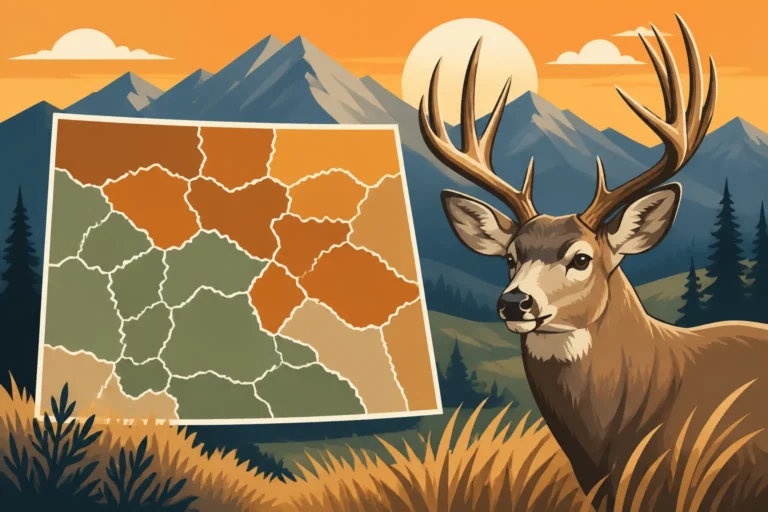
Finding a great public land unit for mule deer in Colorado can feel like trying to find a needle in a haystack, especially with so much information out there and the sheer size of the state. Many hunters feel overwhelmed trying to decipher draw odds, unit boundaries, and habitat maps, often leading to frustration and wasted time. This guide is here to cut through the confusion and help you pinpoint some of Colorado's best public land GMUs for mule deer, offering insights into what makes them special and how to approach hunting them effectively.
Understanding Colorado's Mule Deer Habitat and Behavior
Before we even dive into specific units, it's crucial to understand what makes a good mule deer unit in Colorado. Mule deer aren't just everywhere; they thrive in particular environments and behave predictably based on the seasons and available resources. Knowing their preferences is the first step to narrowing down your search.
Key Habitat Components for Mule Deer
Mule deer are creatures of the open and broken country, often preferring different terrain than their elk cousins. They thrive in areas with a mosaic of sagebrush, bitterbrush, pinyon-juniper woodlands, aspens, and open ponderosa pine forests. These habitats provide them with essential forage, thermal cover from the harsh Colorado sun and cold winds, and escape cover when predators or hunters are near. Unlike whitetails that often stick to thick timber, mule deer rely on their incredible eyesight and the ability to traverse vast, rugged landscapes. Look for areas with diverse topography – steep canyons, rimrock, plateaus, and draws – that offer both security and varied food sources throughout the year. Access to water, especially during drier periods, is also a critical factor.
Seasonal Movements and Rut Behavior
Mule deer in Colorado, particularly the mature bucks, are highly migratory animals, moving between distinct summer and winter ranges. Their summer range is typically at higher elevations in the cooler, greener mountains, while winter forces them down to lower, snow-free areas where forage is more accessible. The transitional periods, especially during the fall hunting seasons, are when these movements become critical. Understanding when and where deer are migrating can be a game-changer for your hunt. The mule deer rut in Colorado typically peaks in November, often coinciding with the later rifle seasons. During this time, bucks become less cautious as they pursue does, making them more visible and vulnerable. Knowing how to hunt the Colorado Mule Deer Rut Explained can give you a significant advantage. Even if you're hunting earlier, recognizing pre-rut behavior or post-rut patterns can guide your strategy in a chosen GMU.
Navigating Public Land Challenges in Colorado
Public land hunting in Colorado is a dream for many, but it comes with its own set of challenges. It's not just about finding the deer; it's about navigating the crowds, understanding land designations, and making the most of the vast, open spaces.
The Impact of Hunter Pressure
Colorado’s public lands draw hunters from across the nation, and for good reason—they offer incredible opportunities. However, this popularity means hunter pressure is a real factor, especially in easily accessible areas or during popular rifle seasons. Deer in high-pressure areas become incredibly wary, often moving to thicker cover or becoming largely nocturnal. This is where understanding Colorado Public Land Hunting Guide becomes vital. To beat the crowds, you often need to be willing to go deeper, higher, or farther than most other hunters. Look for roadless areas, wilderness boundaries, or tracts of public land that require significant effort to access. This strategy often pays off with more relaxed deer and a more fulfilling hunting experience.
Using E-Scouting Tools Effectively
In today's digital age, e-scouting is no longer a luxury, it's a necessity, particularly for public land mule deer hunting. Tools like onX Hunt and GoHunt have revolutionized how hunters prepare for their trips. Before you even set foot in the field, you can virtually explore a GMU, identify potential bedding areas, feeding zones, water sources, and most importantly, identify public versus private land boundaries. Using the satellite imagery, topo maps, and land ownership layers in onX Hunt allows you to trace game trails, mark potential glassing knobs, and plan your approach routes, including escape routes for packing out an animal. GoHunt offers detailed draw odds, harvest statistics, and unit profiles that can help you decide which GMUs are worth investing your preference points in or researching for over-the-counter opportunities. Learning How to E-Scout Before a Colorado Hunt is paramount to maximizing your chances of success and efficiently using your precious hunting time.
Top Colorado GMUs for Public Land Mule Deer
Colorado is home to a robust mule deer population, and while many units hold deer, some stand out for their consistent potential for quality bucks on public land. These areas typically boast extensive public access, diverse habitat, and a history of producing good animals.
Western Slope Giants
The Western Slope of Colorado is renowned for its vast expanses of prime mule deer country. GMUs like Unit 2, Unit 10, and Unit 201 are legendary, though they are often trophy units requiring significant preference points to draw. These units are characterized by rugged terrain, vast sagebrush flats, pinyon-juniper breaks, and large tracts of public land, including BLM and National Forest lands. Mule deer here can grow to impressive sizes, benefiting from ample forage and often less pressure in the most remote areas. Access can be challenging, with many areas requiring extensive hiking or horseback travel, which naturally filters out a lot of casual hunters. If you're building points for a dream hunt, these are the kind of units that offer a high reward, but you'll need patience. For a more in-depth look, understanding a Colorado Mule Deer Hunting Guide specific to these regions can be invaluable.
Southern Colorado San Juans
Moving south, the San Juan Mountains offer a completely different, yet equally productive, mule deer experience. Units such as GMU 76 and GMU 78 are steep, high-elevation units dominated by dense timber, aspen groves, and expansive alpine basins. While known for elk, these units also hold significant mule deer populations, especially in the transitional zones and lower reaches of the national forests. Hunting here requires exceptional physical fitness and a willingness to navigate challenging terrain. Mule deer in these units often utilize the broken timber and the fringes of the dark timber, making them a challenge to spot. However, the sheer amount of public land in the San Juans means that if you're willing to put in the work, you can find unpressured bucks. These units often have good over-the-counter (OTC) archery opportunities, and sometimes later rifle seasons can offer good drawn tags.
Central Mountain High Country
The central mountains of Colorado, encompassing ranges like the Sawatch and Elk Mountains, also present excellent public land mule deer opportunities in GMUs such as GMU 43 and GMU 55. These units feature a mix of high alpine terrain, dark timber, and large open parks, offering diverse habitats that mule deer utilize throughout the seasons. During the early seasons, deer will often be found high in the basins and on the steep, south-facing slopes, taking advantage of the lush summer feed. As the seasons progress and snow begins to fall, deer will start their migration to lower elevation winter ranges. Hunting these areas often involves glassing vast areas from prominent points, then planning meticulous Spot-and-Stalk Hunting in Colorado approaches. The physical demands are high, but the rewards can be incredible, with many true trophy bucks calling these rugged mountains home.
Table: Example Colorado GMUs for Public Land Mule Deer Potential
To give you a clearer picture, here's a comparative look at some representative GMUs and what they generally offer for public land mule deer hunting. Remember, draw odds and specific hunt codes change annually, so always verify with the Colorado Parks and Wildlife (CPW) regulations.
| GMU | Primary Terrain Features | Typical Mule Deer Habitat | Public Land Access | Draw Difficulty (Buck) | General Reputation |
|---|---|---|---|---|---|
| GMU 2 | Sagebrush, Pinyon-Juniper, Rimrock | Low-elevation winter range, high-elevation summer range | High | Very Difficult (High Points) | Trophy potential, large bucks |
| GMU 10 | Mesas, Canyons, Pinyon-Juniper | Diverse, transitioning elevation zones | High | Very Difficult (High Points) | Trophy potential, vast landscapes |
| GMU 43 | Aspen, Fir, Alpine Basins, Ponderosa | High country summer range, mid-elevation migration | High | Difficult | Good quality, physically demanding |
| GMU 55 | Steep Mountains, Timber, Alpine | High country summer range, steep canyons | High | Difficult | Strong genetics, rugged hunting |
| GMU 76 | San Juan Mountains, Dark Timber, Open Parks | High elevation summer, migration routes | Very High | Moderately Difficult | Good numbers, quality bucks in tough terrain |
Strategies for Successful Public Land Mule Deer Hunting
Finding the right GMU is just the beginning. Once you're in the field, having a solid strategy tailored to mule deer behavior and public land realities is crucial for success.
Spot-and-Stalk Tactics for Mule Deer
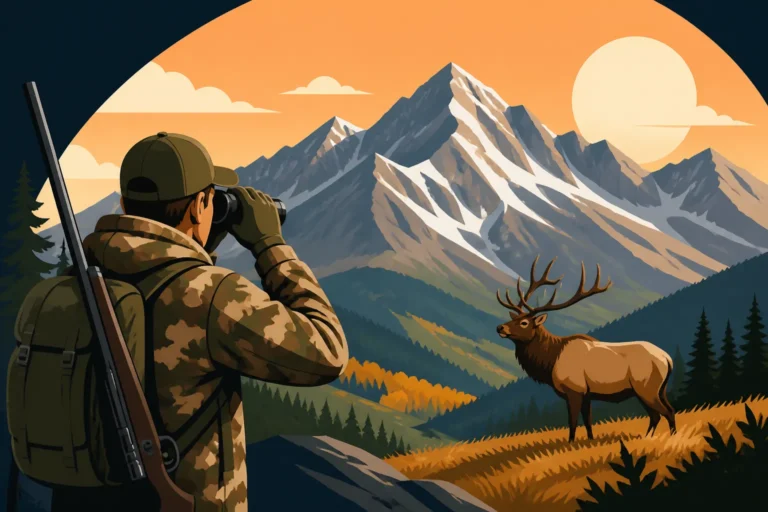
The vast, open country mule deer prefer makes them ideal candidates for spot-and-stalk hunting. This method involves using high-quality optics, like good binoculars and a spotting scope, to systematically scan large areas from vantage points, locate deer, and then plan a careful approach. For specific advice, check out How to Glass for Colorado Mule Deer. Patience is paramount. You might spend hours glassing a basin before spotting a buck. Once a buck is located, the real challenge begins: using terrain features, wind direction, and cover to close the distance without being detected. This often involves long, slow hikes, belly crawls, and waiting for the right moment to make your move. A good resource for this is Colorado Elk Hunting: Spot-and-Stalk Tactics which, while focused on elk, shares many transferable principles for silent movement and using terrain.
Importance of Physical Preparation
Hunting Colorado's public land mule deer is a physically demanding endeavor. Whether you're in the high country or traversing rugged canyon systems, you'll be covering significant distances at elevation, often carrying heavy gear. Adequate physical preparation isn't just about comfort; it's about safety and increasing your effective hunting range. Start a fitness regimen months before your hunt that includes cardio, strength training, and hiking with a weighted pack. Practice shooting uphill and downhill, as these angled shots are common in mule deer country. The better shape you're in, the further you can go, the more ground you can cover, and the stronger you'll feel when it's time to pack out that hard-earned buck. Consider exploring resources like Colorado Elk Hunt Fitness Plan, which provides excellent guidance for preparing for the rigors of mountain hunting, applicable to deer as well as elk.
Disclaimer
The information provided in this guide is for general informational purposes only and does not constitute official hunting regulations or legal advice. Hunting regulations, season dates, and unit boundaries are subject to change by Colorado Parks and Wildlife (CPW). Always consult the most current CPW regulations and hunt brochures before planning any hunting trip. It is the hunter's responsibility to know and follow all applicable laws and regulations.