Colorado Mule Deer Population Trends
For many dedicated hunters, the sight of a mule deer buck ghosting through the timber or silhouetted against a mountain ridge is what makes a Colorado hunt truly special. However, it's undeniable that concerns about mule deer numbers have been growing, leaving many feeling uneasy about the future of this iconic species. This comprehensive guide will delve into the current state of Colorado's mule deer population trends, exploring the complex factors influencing their numbers and highlighting the proactive efforts being made to ensure these magnificent animals continue to roam our wild landscapes.
Understanding Colorado's Mule Deer Population Dynamics
The story of Colorado's mule deer is one of peaks and valleys, a complex narrative influenced by everything from historical land use to modern environmental pressures. Hunters who've been coming to the Rockies for decades often reminisce about years when mule deer seemed to be around every corner, a stark contrast to what some experience today. Understanding these dynamics is crucial for anyone passionate about their survival and the future of hunting in our beautiful state.
Historical Peaks and Recent Declines
If you've spent any time talking to old-timers in dusty hunt camps, you've likely heard tales of the "good old days" for mule deer in Colorado. Indeed, the mid-20th century, roughly from the 1940s through the 1960s, saw robust mule deer populations across much of the West, including Colorado. This was often attributed to certain forestry practices, fire suppression that led to new growth, and less human development in critical habitats. These were the years when general season tags yielded incredible success rates, and big bucks felt more commonplace.
However, since then, many areas have experienced a noticeable downturn. It's not a uniform decline across the entire state, which is important to remember. Some specific Game Management Units (GMUs) have held strong or even seen localized improvements, while others have struggled significantly. This uneven trend can be incredibly frustrating for hunters who have a deep connection to specific areas and have witnessed firsthand the disappearance of once-thriving herds. The perception of fewer deer isn't just anecdotal in many places; it's backed by scientific data in a number of regions.
The Complexity of Population Metrics
Measuring wildlife populations, especially a wide-ranging species like the mule deer in rugged Colorado terrain, is far from an exact science. Colorado Parks and Wildlife (CPW) uses a combination of methods to estimate populations, monitor herd health, and set management objectives. These include aerial surveys conducted from helicopters or fixed-wing aircraft, on-the-ground spotlight surveys, extensive radio-collaring projects to track survival and movements, and analysis of hunter harvest data. They also look closely at fawn-to-doe ratios, which are a critical indicator of recruitment—how many young deer are surviving to join the breeding population.
The challenges in accurate counting are immense. Vast wilderness areas, dense timber, and fluctuating weather conditions make comprehensive surveys difficult and expensive. This means that while CPW does an incredible job with the resources they have, population figures are always estimates, not precise headcounts. A local hunter's experience in a particular drainage might feel different from the broader trend reported for an entire GMU, further highlighting the localized nature of these dynamics. It's why platforms like GoHunt that aggregate and analyze this data can be so valuable in helping hunters understand the bigger picture beyond their personal observations in the field.
Key Environmental and Anthropogenic Factors Affecting Mule Deer
Mule deer are highly adaptable, but they are also sensitive to changes in their environment. Their success hinges on a delicate balance of habitat, food sources, predator control, and climate. When any of these factors shift dramatically, populations can feel the effects. The pressures on Colorado's mule deer are multifaceted, stemming from both natural ecological processes and human activity.
Habitat Loss and Fragmentation
Perhaps the most significant long-term threat to mule deer is the continuous encroachment of human development on their traditional habitats. Colorado is a rapidly growing state, and this expansion often comes at the expense of wildlife. Urban sprawl, with new housing developments creeping into the foothills and mountain valleys, directly consumes winter ranges, fawning grounds, and migration corridors. Energy development, while crucial for our economy, can also fragment habitat with roads, pipelines, and drilling pads. Major infrastructure projects, such as the expansion of Interstate 70, often cut through vital migration routes, leading to increased vehicle collisions and behavioral changes as deer struggle to cross.
These developments don't just reduce the amount of available habitat; they also break it into smaller, isolated pieces. This "fragmentation" makes it harder for deer to move between seasonal ranges, find adequate food and cover, and avoid disturbance. The loss of crucial winter range, in particular, can be devastating, as deer rely on these lower-elevation areas to survive the harshest months, especially when deep snow forces them out of the high country.
Predation and Disease Pressures
Predation is a natural and healthy part of any ecosystem, but its impact on mule deer populations can be a concern, especially when combined with other stressors. Mountain lions are primary predators of adult mule deer, and their populations often track deer numbers. Bears, particularly black bears, can prey on fawns during the spring. Coyotes are also significant fawn predators, and in areas with high coyote densities, fawn survival rates can plummet. When deer populations are already stressed by poor habitat or harsh winters, intense predation can hinder their ability to rebound.
Beyond predators, diseases like Chronic Wasting Disease (CWD) pose a serious, long-term threat. CWD is a neurological disease found in deer, elk, and moose, and it's always fatal. It has been detected in various mule deer herds across Colorado, and its prevalence in some GMUs is a growing concern for CPW and hunters alike. While the immediate impact on overall population numbers might not be as dramatic as a severe winter, CWD can slowly erode herd health and sustainability over time. Other factors, like severe winter weather, can lead to direct mortality, particularly among fawns and older deer, and can also leave deer more susceptible to parasites or other illnesses.
Climate Change and Weather Volatility
Colorado's weather is famously unpredictable, but climate change appears to be increasing the frequency and intensity of extreme weather events, which can have profound impacts on mule deer. Prolonged droughts, for instance, severely reduce the quality and quantity of forage available, especially during the crucial summer and fall months when deer need to build fat reserves for winter. A deer that goes into winter in poor condition is much less likely to survive, and does in poor condition may not be able to successfully carry and birth fawns.
Conversely, unusually harsh winters, characterized by deep snow and prolonged cold, can lead to significant winter kill events, directly reducing populations. Young fawns and older deer are particularly vulnerable. These extreme conditions can also alter migration patterns, forcing deer to adapt to new routes or wintering areas, which can expose them to new dangers or put them in conflict with human development. CPW monitors these changes closely, often adjusting tag allocations based on winter severity to allow herds to recover after a tough year, which is why checking Colorado Mule Deer Season Dates and Tags can show annual adjustments.
Colorado Parks and Wildlife CPW Management Strategies
Managing a species as widespread and susceptible to various pressures as the mule deer is a monumental task. Colorado Parks and Wildlife (CPW) employs a variety of strategies, relying heavily on scientific research, habitat work, and careful regulation of hunting pressure to maintain healthy and sustainable mule deer populations across the state.
Data Collection and Research Initiatives
At the heart of effective wildlife management is robust data. CPW invests heavily in gathering information to understand mule deer populations. This includes aerial surveys, where biologists count deer from helicopters in specific units to estimate herd sizes and fawn-to-doe ratios. They also conduct extensive radio-collaring projects, fitting individual deer with GPS collars to track their movements, understand migration corridors, determine survival rates, and identify causes of mortality. Hunters play a crucial role in this data collection through mandatory harvest reports, which provide valuable information on hunter success, take, and even CWD testing rates.
This comprehensive data collection feeds into various research initiatives, often in partnership with universities and other conservation groups. For example, CPW frequently collaborates on mule deer migration studies, mapping out previously unknown routes and identifying critical bottlenecks. All this information is vital for crafting informed management plans, allowing CPW to make decisions based on the most current scientific understanding, rather than speculation.
Habitat Improvement Projects
Simply protecting existing habitat isn't always enough; sometimes, active restoration and improvement are necessary. CPW, often in collaboration with organizations like the Mule Deer Foundation and the Rocky Mountain Elk Foundation, undertakes numerous habitat improvement projects across public and private lands. These efforts include prescribed burns, which mimic natural fire regimes to stimulate new, nutritious forage growth and clear out old, unhealthy vegetation. Mechanical thinning projects remove dense stands of conifers that shade out desirable browse plants. Seeding projects introduce native plants that provide essential food and cover.
These projects are often strategically focused on improving critical areas such as winter range, fawning grounds, and key migration corridors. By enhancing the quality and quantity of habitat, CPW aims to provide deer with better access to food, reduce stress, and improve their overall health and reproductive success. These initiatives are long-term investments, and their benefits can take years to fully materialize, but they are absolutely essential for the sustained health of mule deer.
Regulating Harvest and Tag Allocation
One of CPW's most direct tools for managing mule deer populations is the regulation of hunting harvest. Each year, based on population objectives, survival rates, and fawn recruitment, CPW sets specific tag quotas for individual GMUs and seasons. If a particular herd is struggling, tag numbers for that unit might be reduced, or certain types of tags (e.g., antlerless tags) might be restricted to allow the population to grow. Conversely, if a herd is healthy and within its population objective, tag numbers might be increased.
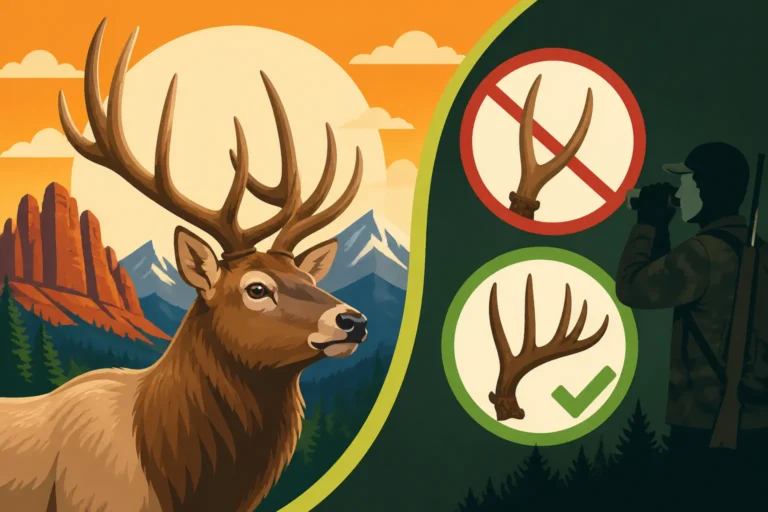
The Colorado Draw System and Preference Points play a huge role in this. Hunters apply for specific hunt codes, and tags are allocated based on a weighted preference point system designed to give loyal applicants a better chance over time. In some units, CPW implements strategies like antler point restrictions (APRs) to protect younger bucks and allow them to reach older age classes. Understanding How Many Points for a Colorado Mule Deer Tag in a given unit requires careful research, often available through resources like GoHunt, which can help hunters analyze draw odds and historic data to make informed application decisions.
Regional Spotlights: Varying Trends Across Colorado
It's a common misconception that Colorado's mule deer population trends are uniform across the entire state. In reality, the experience of a hunter in the Flat Tops Wilderness might be vastly different from someone hunting the eastern plains or the high desert of the Uncompahgre. Each region presents unique challenges and opportunities for mule deer, leading to distinct population dynamics.
Western Slope Strongholds
The Western Slope of Colorado is widely considered the heartland of the state's mule deer. Areas like the White River National Forest, home to the largest migratory mule deer herd in North America, and the vast Uncompahgre Plateau often stand out as strongholds. These regions benefit from extensive public lands, diverse habitats ranging from sagebrush draws to high alpine basins, and historically robust populations. While even these areas have faced pressures, they tend to maintain healthier overall numbers and often offer better odds for drawing quality tags.
However, "healthy" doesn't mean without challenges. Even in these robust regions, energy development, increasing recreational use, and localized habitat degradation can still impact deer. Hunters targeting these areas often find that deer are pressured, especially on easily accessible public lands, and learning How to Hunt High-Country Mule Deer or delving deep into areas like the Hunting the White River National Forest can be key to success. Still, for many, the Western Slope remains the premier destination for chasing mule deer in Colorado.
Central Mountains and High-Country Deer
The central mountain ranges, including areas like the Gunnison Basin, the San Juan Mountains, and the Sawatch Range, present a different set of challenges for mule deer. These areas are characterized by vast expanses of high-elevation summer range, but often limited and critical lower-elevation winter range. Deer here are highly susceptible to severe winters, which can lead to significant population setbacks. For instance, a particularly harsh winter can decimate fawn crops and stress adult deer, impacting their ability to reproduce in subsequent years.
The ruggedness of this terrain makes management and monitoring especially difficult. Hunters venturing into these regions are often looking for the experience of a true wilderness hunt, understanding that success might be harder to come by but deeply rewarding. Exploring areas like the Hunting the Gunnison Basin for Elk (which often includes mule deer opportunities) or knowing how to identify key terrain features are crucial skills for anyone chasing central mountain mule deer.
Eastern Plains and Foothills
While many people associate Colorado mule deer with towering peaks, a significant population thrives in the transitional zones and even some parts of the Eastern Plains. These deer often inhabit a mosaic of agricultural fields, riparian corridors, and rugged breaks or canyons. Here, the challenges are different; habitat fragmentation from farming and ranching, along with greater interaction with human infrastructure, plays a larger role. However, these deer can also benefit from abundant food sources in agricultural areas, and milder winters compared to the high country.
Hunting the Eastern Plains for mule deer often requires a different approach, focusing more on understanding how deer utilize cover in open landscapes and adapting to smaller, often fragmented pieces of public land, or securing private land access. This is a fascinating contrast to mountain hunting, and understanding how these deer differ from their mountain counterparts, as explored in discussions like Colorado Plains Whitetail vs Mountain Mule Deer, offers a unique perspective on the species' adaptability.
The Hunter's Role in Mule Deer Conservation and Management
As hunters, we are not just participants in the annual harvest; we are also vital conservationists. Our actions, from how we hunt to how we contribute financially and physically, directly impact the health and future of Colorado's mule deer herds. Understanding and embracing this responsibility is crucial for anyone who values the tradition of hunting.
Ethical Hunting and Data Reporting
At the core of hunter conservation is ethical hunting. This means respecting game laws, understanding the behavior of the animal, and striving for clean, quick kills. It also means accurately reporting your harvest to CPW, even if you weren't successful. Every piece of data, whether it's a successful kill, a specific GMU you hunted, or the age and sex of a harvested animal, helps CPW make informed management decisions about tag allocations and population objectives. Failure to report deprives biologists of critical information.
Furthermore, hunters are often on the front lines in detecting and reporting issues like Chronic Wasting Disease. If you harvest a deer in a CWD-positive area, submitting a sample for testing is not just a recommendation; it's a critical act that helps monitor the disease's spread and prevalence. This dedication to responsible hunting and data contribution is a cornerstone of wildlife management.
Supporting Conservation Initiatives
The financial contributions of hunters are the primary engine of wildlife conservation in the United States. Through the purchase of hunting licenses, tags, and stamps, as well as excise taxes on firearms, ammunition, and archery equipment (thanks to the Pittman-Robertson Act), hunters directly fund habitat restoration, wildlife research, and management programs. Every time you buy a license or a box of hunting rounds, you're directly contributing to the well-being of mule deer and countless other species.
Beyond financial contributions, many hunters actively support and volunteer with organizations dedicated to mule deer conservation. Groups like the Mule Deer Foundation work tirelessly on habitat improvement projects, advocating for mule deer issues, and funding research. Participating in these efforts, whether it's through membership, donations, or hands-on volunteering for a habitat project, is a powerful way to ensure mule deer thrive for future generations.
Utilizing E-Scouting and Planning Tools
In today's digital age, hunters have unprecedented access to information and tools that can enhance their understanding of mule deer and their habitats, thereby contributing to more responsible hunting. Platforms like GoHunt and OnX Hunt provide invaluable resources for e-scouting, allowing hunters to analyze GMU data, draw odds, historical harvest statistics, and even map out specific areas with satellite imagery and landowner information. This allows for a more informed and ethical approach to hunting. For example, understanding How to E-Scout Before a Colorado Hunt can help you pinpoint areas with good forage, water sources, or escape cover, leading to more productive and respectful hunting without disturbing deer unnecessarily.
Using these tools also helps hunters identify public and private land boundaries, preventing accidental trespass and ensuring that we are good stewards of the land, regardless of ownership. By being well-informed and thoroughly prepared, hunters can maximize their chances of success while minimizing negative impacts on wildlife and other land users. Furthermore, using tools like powerful binoculars and spotting scopes, as discussed in How to Use Optics for Colorado Mule Deer, allows hunters to glass extensively and identify legal animals without putting unnecessary pressure on the herd.
Future Outlook and Adaptations for Colorado Mule Deer Hunting
The future of mule deer in Colorado, like any complex wildlife population, is a blend of ongoing challenges and hopeful opportunities. While there are certainly hurdles to overcome, a concerted effort from wildlife managers and the hunting community can ensure sustainable populations for years to come. Hunters, too, will need to adapt their expectations and strategies.
Ongoing Challenges and Management Hurdles
The persistent threat of Chronic Wasting Disease remains one of the most significant long-term management hurdles. CPW continues to research and monitor CWD, but a definitive cure or large-scale management solution is yet to be found. Balancing the needs of mule deer with Colorado's rapid human development is another perpetual challenge. As more people move to the state, the pressure on wildlife habitat, especially critical winter range, will only increase. Finding creative solutions for coexistence, such as wildlife crossings and smart growth initiatives, will be paramount.
Furthermore, the unpredictability of future climate patterns, with potential for more frequent droughts, intense wildfires, and extreme weather events, adds another layer of complexity. Managing mule deer populations means constantly adapting to these environmental shifts, which can be a difficult and resource-intensive process for CPW.
Hunter Adaptations and Expectations
For hunters, adapting to these realities means a potential shift in expectations. While trophy hunting will always be a pursuit for some, many hunters are finding immense satisfaction in the experience itself, the challenge of the hunt, and the provision of organic, wild meat for their families. Understanding the draw system, managing preference points strategically, and being realistic about draw odds for top-tier units is becoming increasingly important. Detailed guides like Colorado Draw System and Preference Points become indispensable for long-term planning.
It might also mean exploring different GMUs, perhaps those with lower draw odds but still offering good hunting experiences, or focusing on archery and muzzleloader seasons which sometimes have different population dynamics and less pressure than general rifle seasons. This also includes thinking beyond just "trophy" animals and appreciating the opportunity to harvest a healthy cow or a younger buck for the freezer, contributing to herd management objectives. If you're looking for guidance, a great resource to start with is the comprehensive Colorado Mule Deer Hunting Guide.
Hope for Recovery and Sustainable Hunting
Despite the challenges, there is significant hope for the future of Colorado's mule deer. Mule deer are incredibly resilient animals, and when given the right conditions—healthy habitat, adequate food, and proper management—they can rebound. Successful habitat restoration projects across the state demonstrate that targeted efforts can make a real difference. Partnerships between CPW, conservation groups, landowners, and hunters are continually innovating and implementing new strategies for habitat improvement and population monitoring.
The dedication of the hunting community to conservation is unwavering, and our collective efforts are a powerful force for good. By staying informed, supporting conservation, and hunting ethically, we can ensure that future generations will also have the opportunity to pursue these magnificent animals in the stunning landscapes of Colorado. Understanding which units are performing well, as highlighted in guides like Best GMUs for Mule Deer in Colorado, can give hunters a sense of optimism and direction.
Disclaimer
Please remember that hunting regulations, season dates, and population data can change frequently. Always consult the most current Colorado Parks and Wildlife (CPW) regulations and official publications before planning any hunting trip. This guide is for informational purposes only and should not replace official CPW resources.