Colorado Hunter Education Requirement
Navigating the world of hunting regulations can feel like trying to solve a puzzle with half the pieces missing, especially when you're excited about hitting the Colorado backcountry. One of the most common stumbling blocks, and frankly, a critical safety measure, is understanding the hunter education requirement. This guide is designed to demystify Colorado's hunter safety mandates, ensuring you know exactly what you need to do to legally and safely pursue game in our beautiful state.
Understanding Colorado's Hunter Education Mandate
For many of us, the idea of heading into the mountains for an elk hunt or chasing mule deer through the sagebrush is a dream. But before you can even think about drawing a tag, you need to understand the foundational rules that keep everyone safe and preserve the tradition of hunting. In Colorado, just like in most other states, hunter education isn't just a suggestion; it's a mandatory prerequisite for most hunters, particularly those born after a certain date. It’s all about fostering responsible, knowledgeable, and ethical hunters.
Why Hunter Education is So Important
Think about it: you're out there, often in remote, challenging terrain, handling powerful firearms or archery equipment. The stakes are high, not just for the animals we pursue, but for ourselves and other recreational users of public lands. Hunter education courses are designed to instill critical knowledge about firearm safety, archery safety, wildlife identification, hunting ethics, conservation principles, and even basic survival skills. It's about more than just pulling a trigger; it's about understanding your role as a steward of the land and wildlife. Accidents happen, but proper training significantly reduces the risk, ensuring everyone comes home safely and the resource is respected.
The Philosophy Behind the Requirement
The state of Colorado, through Colorado Parks and Wildlife (CPW), doesn't just randomly impose these rules. The requirement for hunter education is deeply rooted in a commitment to safety and conservation. It reflects a proactive approach to prevent hunting incidents, reduce landowner conflicts, and maintain a positive public image for hunting. By educating hunters on everything from safe firearm handling to understanding game laws and ethical shot placement, CPW ensures that future generations of hunters are well-prepared and respectful of both wildlife and the environment. It's an investment in the future of hunting, designed to keep our cherished traditions alive and thriving for years to come. This foundation of knowledge also helps new hunters understand the broader context of wildlife management, encouraging participation in conservation efforts that benefit all Colorado Big Game Species Guide.
Who Exactly Needs Hunter Education in Colorado?
This is where things can get a little confusing, especially for new hunters or those coming from out-of-state. The basic rule is fairly straightforward, but there are nuances and specific scenarios that it's crucial to understand. Getting this wrong could mean your hard-earned tag is invalid, or worse, you could face legal issues in the field.
Age and Birthdate Requirements
The cornerstone of Colorado's hunter education mandate revolves around a specific birthdate. Generally, if you were born on or after January 1, 1949, you are required to show proof of having successfully completed an approved hunter education course before you can purchase a hunting license in Colorado. This rule applies to all hunting licenses, whether you're chasing elk, deer, pronghorn, or even small game. It's not just for big game, so don't assume you can skip it for a bird hunt.
For example, if you're a 35-year-old planning your first deer hunt, and you were born in 1989, you absolutely need that hunter education card. However, if your grandfather, born in 1945, wants to join you, he would be exempt from the requirement due to his birth year. This exemption for older hunters is common across many states, recognizing that those who started hunting before formal education programs were widespread likely learned through traditional mentorship. However, even if exempt, refreshing on safety is always a good idea!
Specific Scenarios and License Types
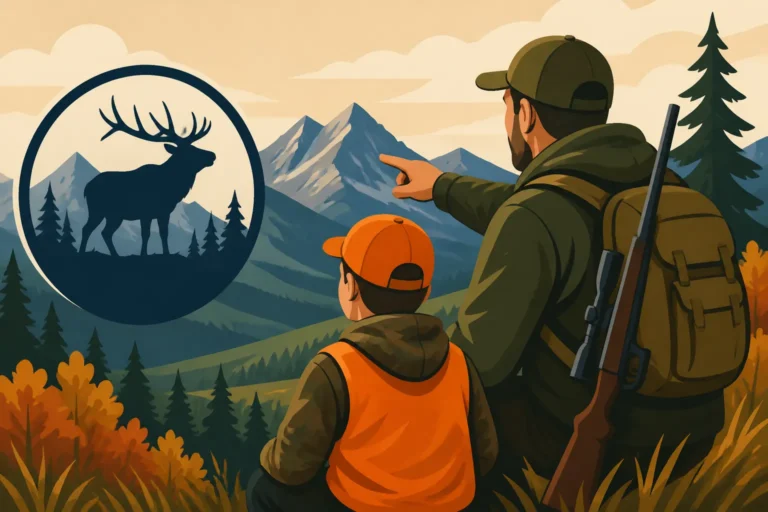
While the birthdate rule covers the majority, there are a few other situations to consider. For instance, youth hunters are often a special case. Anyone under the age of 18 typically needs to either complete hunter education or participate in a mentored hunt program. The specific rules for Colorado Youth Hunting License Rules vary slightly, so always check the latest CPW regulations. Mentored hunts allow an uncertified youth to hunt with a licensed, certified adult, providing a direct, hands-on learning experience under strict supervision. This is a fantastic way to introduce new hunters to the field safely.
What about if you're a non-resident? This is a common question. The good news is, Colorado accepts hunter education certifications from other states and provinces, provided the course was approved by that state's wildlife agency and recognized by the International Hunter Education Association (IHEA-USA). So, if you took your hunter education course in Texas or Montana, that card is usually valid here. Just make sure you can prove it! Always keep that card handy, or at least a clear photo of it on your phone, when applying for your Colorado Non-Resident Hunting License Guide or during a game check. You never know when a game warden might ask for proof.
Navigating the Hunter Education Course Options
Okay, so you've figured out you need hunter education. Now what? Colorado, like many states, offers a few different pathways to get certified, designed to accommodate various schedules and learning styles. The key is to choose the one that works best for you while ensuring you meet all the requirements.
Online Hunter Education Courses
For many busy individuals, the convenience of an online course is a huge draw. You can work through the material at your own pace, from the comfort of your home, often fitting it in around work or family commitments. These courses cover all the theoretical aspects of hunting safety, ethics, and regulations through interactive modules, videos, and quizzes. Providers like Hunter-Ed.com or IHEA-USA certified courses are widely used and accepted.
However, it's important to understand that an online course alone usually isn't enough for full certification in Colorado. Most online programs require you to complete a mandatory "in-person" field day or a practical skills session after finishing the online portion. This hands-on component is critical for learning safe firearm handling, proper shooting techniques, and other practical skills that just can't be taught effectively through a screen. You'll learn how to load, unload, and carry a firearm safely, identify proper zones of fire, and practice responsible shooting. It's a crucial step to ensure you're not just book-smart but also field-smart.
In-Person Classroom Courses
For those who prefer a more traditional learning environment, or who thrive on direct interaction, in-person classroom courses are a fantastic option. These are typically taught by certified volunteer instructors who are passionate about hunting and safety. They usually involve several hours over a few days, covering the curriculum in a structured group setting.
The main advantage of an in-person course is the direct access to experienced instructors. You can ask questions, engage in discussions, and get immediate feedback on practical skills. This direct mentorship can be invaluable, especially for new hunters who might not have a lot of experience with firearms or hunting practices. Plus, the camaraderie of learning with other aspiring hunters can be really motivating. These courses often integrate the field day elements directly into the curriculum, making it a one-stop shop for certification. You might even pick up some local knowledge or tips from your instructors who are often seasoned Colorado hunters themselves. Sometimes these courses are offered by local sporting goods stores like Gander Outdoors or community centers, so keep an eye out for schedules.
Hybrid Course Structures
A hybrid approach often offers the best of both worlds: the flexibility of online learning combined with the essential hands-on experience of an in-person field day. You complete the bulk of the academic learning online, which can be great for understanding the regulations, wildlife biology, and ethical considerations at your own pace. Then, you sign up for a shorter, in-person field day where you demonstrate your practical skills.
This structure is particularly popular because it cuts down on the overall time spent in a classroom while still ensuring you get critical hands-on training. You'll often practice things like crossing fences safely with a firearm, identifying different types of wildlife tracks, or understanding basic map and compass navigation. Many hunters find this balance ideal, allowing them to fit the requirement into their busy lives without sacrificing the vital practical components. When you're using resources like GoHunt to plan your hunt, completing your hunter education early via a hybrid course can ensure you're ready when the season opens.
The Hunter Education Card: Your Ticket to the Field
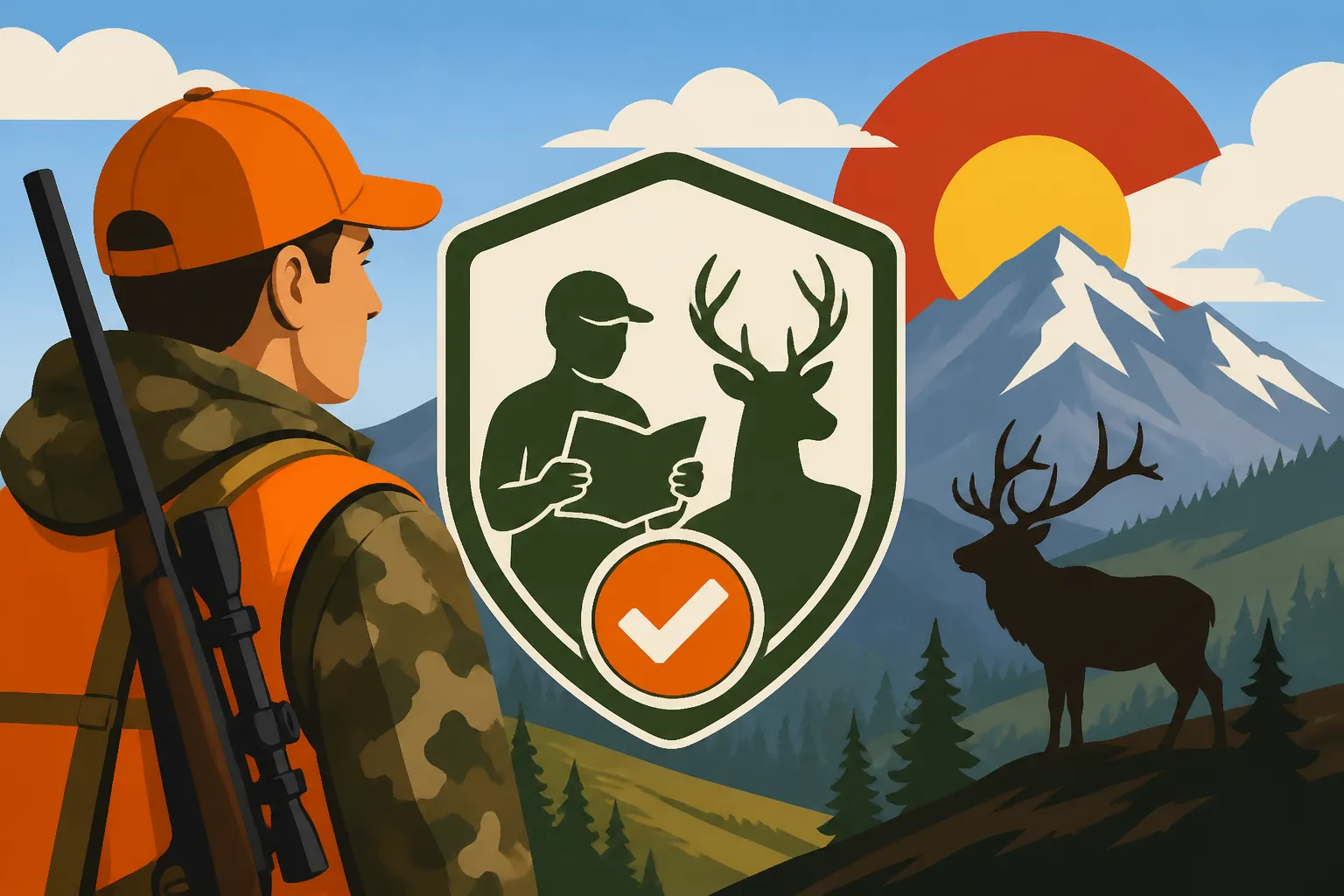
Once you’ve put in the time and effort, you'll receive your hunter education certification. This card, or proof of completion, is more than just a piece of paper; it’s your official acknowledgment that you understand the responsibilities and safety protocols of hunting. It's truly your ticket to lawfully participate in hunting seasons across Colorado and beyond.
What Your Hunter Ed Card Represents
Your hunter education card is proof that you've demonstrated competence in critical areas. It shows that you understand the four primary rules of firearm safety, how to transport firearms safely, the importance of knowing your target and what's beyond it, and the ethical responsibilities of a hunter. It also signifies that you're familiar with Colorado's specific hunting regulations, like understanding Colorado Hunt Codes Explained and season dates, which are paramount for legal hunting.
Beyond the legal aspect, it represents a commitment to safety, conservation, and ethical hunting practices. When a game warden checks your license and asks for proof of hunter education, it's not just a formality; it's confirming that you've invested in becoming a responsible member of the hunting community. This badge of honor reflects that you’re ready to contribute positively to the hunting heritage and minimize risks in the field.
Obtaining and Carrying Proof of Certification
After successfully completing your course, whether online with a field day or a traditional in-person class, the certifying agency will issue your hunter education card. This might be a physical card mailed to you, or often, you'll receive a printable certificate. It's always a good idea to have both. Keep the physical card in your wallet, and consider laminating it to protect it from the elements while you're afield. A digital copy on your phone or saved to a cloud service is also a smart backup.
When you purchase a hunting license through CPW's online system or at a license agent, you will typically be asked to enter your hunter education certification number. The system will then verify your completion. If you're new to Colorado or got your certification out of state, be prepared to present your card at a CPW office or license agent for initial verification. Don't leave for your Colorado DIY Elk Hunting Guide adventure without making sure your hunter education is on file and easily accessible.
Here’s a quick overview of how certification works:
| Course Type | Completion Method | Proof Issued | Typical Requirement for Colorado License |
|---|---|---|---|
| Traditional In-Person | Classroom instruction + Field/Range activities | Physical card or printable certificate | Full Certification |
| Online + Field Day | Online modules + Mandatory in-person field day | Certificate after online, card after field day | Full Certification |
| Online Only (Other States) | Online course accepted in some states | Printable certificate | May NOT be sufficient for CO (check state laws) |
| Mentored Hunt | Hunt under supervision of certified adult | No personal certification issued | Only valid with mentor; not for solo hunting |
Recognizing Out-of-State and Previous Certifications
As mentioned, Colorado is part of the IHEA-USA system, which means that hunter education certifications earned in other states or Canadian provinces that are also members of IHEA-USA are generally recognized and accepted. This is fantastic news for non-residents who hunt in multiple states. You don't need to retake the course every time you cross state lines.
However, you must be able to provide proof. If you completed a course years ago and can't find your card, it's your responsibility to contact the agency in the state where you originally took the course to obtain a replacement or a duplicate certificate. Most state wildlife agencies have a record of past certifications. Don't wait until the last minute before your Colorado OTC Elk Tags Explained purchase to dig out that old card! Planning ahead is key to a smooth license buying experience.
Exemptions and Special Considerations
While hunter education is a broad requirement, there are specific circumstances and programs that either exempt individuals or offer alternative pathways. It's important to know these details, as they might apply to you or someone in your hunting party.
The "Born Before 1949" Exemption
The most common exemption, as we've already touched upon, is for hunters born before January 1, 1949. If you fall into this age bracket, you are generally not required to provide proof of hunter education to purchase a Colorado hunting license. This acknowledges that many older hunters received their training informally through family and community, long before formal education programs were mandated.
However, even with this exemption, safety should always be paramount. If you haven't hunted in a long time or are feeling rusty, consider taking a refresher course. Many CPW offices or local gun clubs offer safety clinics that can update your knowledge of modern hunting practices, regulations, and equipment. A little review can go a long way in ensuring a safe and enjoyable hunt, especially if you're venturing into challenging terrain like that described in the Colorado Backcountry Hunting Guide.
Colorado's Mentored Youth Hunter Program
Colorado is big on introducing new hunters to the tradition responsibly, and the Mentored Youth Hunter Program is a testament to that. This program allows youth hunters, typically those aged 10 to 17, to participate in hunting activities without first completing a hunter education course, provided they are accompanied and directly supervised by a certified, licensed adult mentor. The mentor must be at least 18 years old, possess a valid Colorado hunting license, and have completed hunter education if required for their age.
This program is an excellent opportunity for young people to gain hands-on experience in the field, learn from an experienced hunter, and decide if hunting is for them before committing to the full hunter education course. The mentor-mentee ratio is usually one-to-one to ensure close supervision and safety. It's a fantastic way to pass on the traditions and values of hunting, building a strong foundation for future responsible hunters.
What if You Lost Your Hunter Ed Card?
It happens to the best of us. That little card can easily get misplaced over the years. If you've lost your Colorado Hunter Education card, don't panic. You can usually obtain a duplicate certificate online through the CPW website or by contacting your local CPW office. You'll typically need to provide your name, date of birth, and possibly the year you completed the course. It might take a few days or weeks to process, so don't wait until the day before the season opener.
For certifications from other states, you'll need to contact the wildlife agency in the state where you originally completed the course. They maintain records and can usually issue a duplicate. Platforms like GoHunt often have forums where hunters share tips on how to quickly replace lost certifications, which can be a valuable resource if you're in a bind. Always plan ahead to ensure you have proper documentation well before you need to purchase your Colorado Hunting Seasons Explained licenses.
Preparing for Your Colorado Hunt: Beyond Hunter Ed
Hunter education is undoubtedly a critical first step, but it's just one piece of the larger puzzle when preparing for a Colorado hunt. Our state offers incredible hunting opportunities, from towering elk in the Rockies to agile pronghorn on the plains, but these hunts require thorough preparation extending far beyond just safety certification.
Essential Licensing and Tag Application
Once your hunter education is sorted, your next big hurdle is acquiring the correct licenses and tags. Colorado operates on a complex draw system for most big game species, requiring applicants to build preference points for desirable units and species. Understanding the Colorado Draw System and Preference Points is crucial for non-residents and residents alike. You'll need to apply during specific windows, often in early spring, for the fall big game seasons.
Don't forget the general habitat stamp requirement, which is a mandatory purchase for most hunters. For specific species, you’ll need to research the appropriate Colorado Hunt Codes Explained and apply accordingly. The entire process of acquiring licenses and tags can be daunting, so start early, read the CPW brochures meticulously, and consider using online resources like GoHunt to research draw odds and unit information.
Scouting, Research, and Physical Preparation
A successful and ethical hunt is built on extensive preparation. This includes everything from e-scouting potential hunting units using tools like the Colorado Hunting Atlas Explained to physical training for the challenging Colorado terrain. Many areas, particularly for elk and high-country mule deer, are physically demanding, requiring hunters to hike at high elevations and cover significant distances. Building up your endurance and strength before the hunt is non-negotiable.
Spend time researching the areas you plan to hunt. Understand the terrain, access points, water sources, and common game movements. Tools like OnX Hunt or BaseMap can be invaluable for understanding land ownership (public versus private) and identifying potential hunting spots. Learning how to move quietly and effectively in the timber, understanding wind and thermals, and knowing How to Glass Big Colorado Basins are all skills that come from preparation and practice.
Gear, Ethics, and Conservation
Finally, selecting the right gear is paramount for comfort, safety, and success. This includes appropriate clothing layers for unpredictable mountain weather, a reliable backpack, navigation tools, first-aid supplies, and the right optics. Beyond gear, remember that hunting is a privilege. Uphold ethical standards, respect private property, follow fair chase principles, and always prioritize quick, humane kills.
Colorado's wildlife resources are managed through funds generated by hunting license sales and federal excise taxes on hunting equipment. By participating in hunting, you are directly contributing to the conservation efforts that ensure healthy wildlife populations and abundant habitat for generations to come. Your hunter education course is just the beginning of a lifelong journey of learning and contributing to this incredible legacy.
Disclaimer
The information provided in this guide is for general informational purposes only and is not intended as legal advice. Hunting regulations, season dates, and requirements in Colorado are subject to change. Always consult the official Colorado Parks and Wildlife (CPW) website and their most current hunting brochures for the most accurate and up-to-date information before planning or engaging in any hunting activities.