Colorado Elk OTC vs Draw Tags Explained
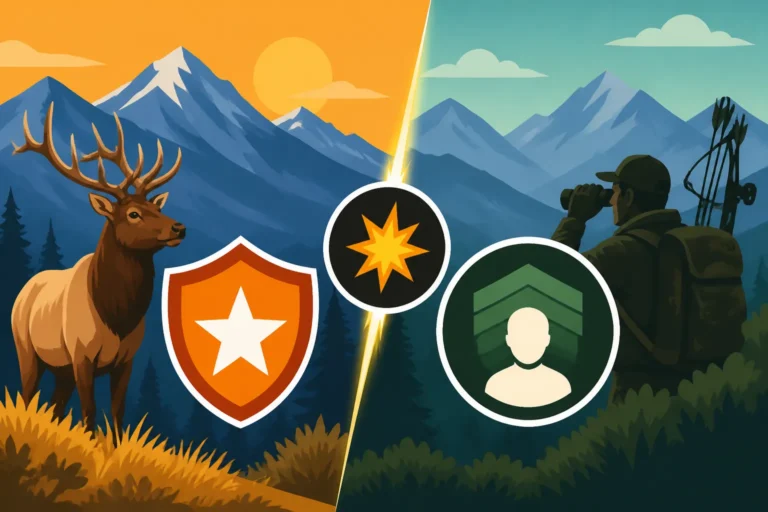
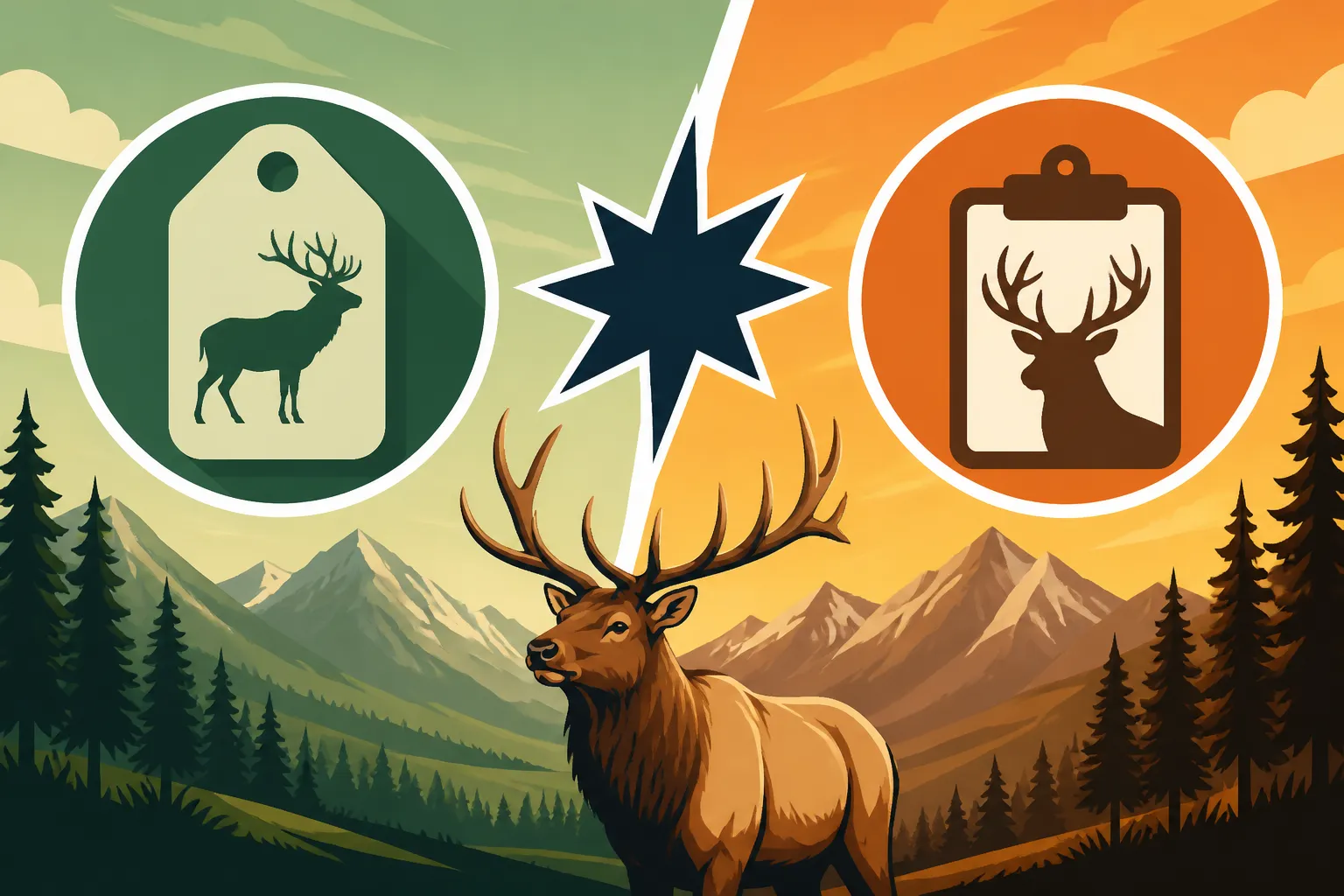
The sheer thought of planning a Colorado elk hunt can be overwhelming, especially when you start diving into the labyrinthine world of tags and seasons. One of the biggest head-scratchers for new and even experienced hunters alike is trying to understand the difference between Over-the-Counter (OTC) elk tags and those coveted draw tags. This guide is here to untangle that confusion, walking you through the ins and outs of both options so you can make an informed decision for your next, or first, Colorado elk adventure.
Understanding Colorado's Elk Tag System: A Tale of Two Paths
Colorado’s elk population is a marvel, drawing hunters from across the globe, but getting a tag isn't always as simple as walking into a sporting goods store. The state manages its herds through a dual system of "Over-the-Counter" (OTC) tags and "Limited-Entry Draw" tags, each with its own set of rules, benefits, and challenges. Understanding which path aligns with your hunting goals, experience, and timeline is crucial for a successful and enjoyable trip.
The Allure of Over-the-Counter (OTC) Elk Tags
For many hunters, the appeal of an OTC elk tag is undeniable. It represents freedom and spontaneity in a world often dominated by strict planning and long waits. An OTC tag, as the name suggests, means you can simply walk into a licensed vendor or purchase online directly from Colorado Parks and Wildlife (CPW) and secure your tag without going through a lottery system or accumulating preference points. This makes it an incredibly attractive option for hunters who decide last minute to chase elk, or for those who haven't yet built up the necessary points for a limited-entry unit.
The biggest pro here is accessibility. You don't need years of planning or a crystal ball to predict draw odds. If you've got the time, the gear, and the hunting spirit, an OTC tag can put you in elk country relatively quickly. This is especially true for non-residents who might not have had the opportunity to build preference points over many seasons. However, this accessibility comes with its own set of challenges. OTC units, by their very nature, see higher hunter pressure. More hunters in the field mean elk are often pushed into thicker, nastier country, making the hunting physically demanding and requiring keen woodsmanship. It’s a fantastic option for the DIY hunter who thrives on challenge and the pursuit, even if the odds of harvesting a trophy bull are slimmer. If you're looking for an immediate adventure and are prepared to work for your opportunity, an OTC tag might just be your golden ticket. For a deeper dive into this pathway, check out our guide on Colorado OTC Elk Tags Explained.
Navigating the Colorado Draw System for Elk Tags
On the flip side, draw tags are where long-term planning, patience, and sometimes a bit of luck come into play. These are tags for specific Game Management Units (GMUs) and seasons that have a limited number of tags available, often due to herd management goals or the desire to offer a higher-quality hunting experience. To get one of these, you have to apply through a lottery system, and for most prime elk units, this means accumulating "preference points."
The significant advantage of draw tags is access to units that typically boast higher success rates, lower hunter density, and often, the potential for truly mature, trophy-class bulls. Imagine dreaming of an unpressured basin, where the elk bugle freely, and your chances of encountering a truly magnificent animal are significantly enhanced. That's the promise of a draw tag. These units are often managed to provide a more secluded and often more rewarding experience, but the catch is the uncertainty. You might apply for years, accumulating points, before finally drawing that dream tag. This path requires foresight, dedication to the application process, and often, a willingness to plan your hunts years in advance. It's the route favored by those seeking a specific quality of hunt or a particular trophy, and it truly pays off for those who commit to the long game.
Deep Dive into Over-the-Counter (OTC) Elk Tag Realities
For many hunters, the OTC route is their first foray into Colorado elk hunting. It's the most straightforward way to get a tag in hand, but don't confuse "accessible" with "easy." OTC hunting is often some of the most challenging, yet rewarding, elk hunting you can experience.
When and Where You Can Get OTC Elk Tags
Colorado offers OTC elk tags primarily during archery season and the second and third rifle seasons. It's important to remember that these tags are generally for bull elk, though "either-sex" or specific "cow" tags can sometimes be available as OTC in certain units or late seasons, but these change frequently, so always double-check the current regulations.
- Archery Season: This is typically a fantastic OTC opportunity. The season usually runs for about a month, starting in late August and running through late September, encompassing the peak of the elk rut. While you'll still encounter other hunters, the vastness of Colorado's public lands allows for opportunities to find solitude and bugle with bulls. Many archers choose to hunt OTC units because it offers a chance to hunt during the most vocal and active period of the elk's year without needing a decade of preference points.
- Second and Third Rifle Seasons: These are the primary rifle seasons where OTC bull elk tags are available. The first and fourth rifle seasons are generally limited-entry (draw only). Second and third rifle seasons often fall when elk are still active, but weather can play a significant role. These seasons typically see a substantial increase in hunter numbers compared to archery, especially in easily accessible areas. While the general bull tags are OTC, specific cow tags or either-sex tags might require a draw, even in these seasons, depending on the GMU. It's absolutely critical to consult the most current Colorado Parks and Wildlife (CPW) big game brochure for the exact dates, units, and species available each year. Regulations can, and do, shift, so what was OTC last year might be draw only next year.
The General Management Units (GMUs) that offer OTC opportunities are typically vast, encompassing large swathes of National Forest and BLM land. Areas like those in the White River National Forest or Flat Tops Wilderness Area are often well-known for their OTC opportunities, but they also attract a large number of hunters. While the opportunity exists, finding truly unpressured elk requires significant effort and often, getting deep into the backcountry.
The Challenges and Strategies for OTC Hunting
Let's be realistic: OTC hunting in Colorado is tough. The biggest challenge is hunter pressure. You won't be alone. Other hunters, just like you, are out there, and elk react to that pressure by becoming more wary, moving into thicker cover, or relocating to less accessible areas. This means your hunting strategy needs to adapt.
- Embrace the Backcountry: To escape the crowds, you often need to go where others aren't willing or able to go. This means getting miles from roads, climbing steep elevation, and being prepared to stay out overnight. If you're serious about OTC success, learning How to Pack Into the Colorado Backcountry is essential. Look for areas with wilderness designations or large roadless tracts.
- Hunt Smart, Not Just Hard: While physical conditioning is paramount, smart hunting can mitigate some of the pressure. Focus on hunting overlooked pockets, small benches, or steep drainages that other hunters might bypass. Elk will often hide in these areas. Pay close attention to wind and thermals, as elk use these to their advantage to detect predators, including hunters.
- Timing is Everything: During rifle seasons, most hunters are back at camp by mid-morning. Use this to your advantage. Hunt hard through midday, when elk might be moving to bed, and be in prime positions during the last hour of daylight. Early mornings are crucial, but sustained effort throughout the day can often pay dividends when others are resting.
- Glassing and Calling: Even in thick timber, glassing small openings, dark timber edges, or avalanche chutes can reveal elk. Learn How to Call Elk in Colorado effectively, but be judicious. Over-calling, especially in pressured areas, can alert elk to your presence without drawing them in. Sometimes, a quiet, patient approach is best.
- Physical Preparation: This cannot be stressed enough. Colorado elk country is unforgiving. Steep climbs, high altitudes, and potentially rapidly changing weather demand peak physical condition. Don't underestimate the mountains. Our guide on How to Physically Prepare for Colorado Elk offers invaluable advice to get you ready. Without proper preparation, you'll be fighting yourself more than the elk.
Unpacking the Colorado Elk Draw: Points, Planning, and Payoffs
For many, the Colorado elk draw system is the holy grail, offering access to hunts that simply aren't available to the casual hunter. However, it requires a significant investment of time and strategy.
How the Preference Point System Works for Elk
At the heart of Colorado's draw system are preference points. Think of them like loyalty rewards. For most limited-entry big game hunts, including elk, every year you apply for a specific hunt code but don't draw it, you typically receive one preference point (as long as you apply for a point-earning option). The more points you accumulate, the better your odds of drawing a highly sought-after tag in future years. It's a system designed to reward persistence.
Let's illustrate: If a particular GMU and season requires 10 preference points to draw a bull elk tag, and you have 9 points, you won't draw it this year (unless you get lucky in a random draw portion for the last tag, which is rare). You'll gain another point, bringing you to 10, and theoretically, you'll have a much better chance next year. This system is why many hunters apply for a preference point every single year, even if they can't hunt, just to build up their "bank" for a future dream hunt.
However, there's a phenomenon called "point creep." This is when the number of points required to draw a particular unit gradually increases over time. What might have taken 5 points five years ago could now require 7 or 8 points. This happens as more hunters accumulate points and apply for the same limited tags. Keeping track of this is vital, and platforms like GoHunt provide invaluable data and analysis to help hunters understand current draw odds and predict future point requirements. They essentially crunch the numbers from past draws, giving you a clearer picture of what it takes to get that tag you're eyeing. For an exhaustive explanation of this system, refer to our article, Colorado Preference Points Explained.
Researching and Applying for Limited-Entry Units
The application process for draw tags requires thorough research. It’s not just about accumulating points; it’s about knowing when and where to apply them.
- CPW Statistics and GoHunt: The Colorado Parks and Wildlife (CPW) website publishes draw recap reports each year, showing the number of points it took to draw each hunt code. This is your starting point. However, tools like GoHunt take this data and present it in a more user-friendly, predictive format, helping you understand trends, success rates, and the true difficulty of drawing a specific unit. They offer sophisticated filters and analysis that can be a game-changer for serious draw hunters. Many successful hunters utilize such services to help make informed decisions about where to apply their hard-earned points.
- Selecting Hunt Codes: Each specific hunt (e.g., elk, bull, GMU 61, 1st Rifle Season) has a unique hunt code. You need to identify the exact code for the unit, species, and season you're targeting. This requires poring over the CPW big game brochure, which details all available hunts. Understanding the subtle differences, like "either-sex" versus "antlered-only" or "archery" versus "muzzleloader," is critical.
- Group Applications: You can apply as a group in Colorado, which pools your preference points. If your group includes a hunter with the highest number of points, the application will be considered at that highest point level. However, if successful, all members of the group will use the same number of points to draw the tag, potentially burning more points for those who had fewer. This is a common strategy for families or hunting buddies who want to ensure they hunt together.
- Timeline and Deadlines: The Colorado draw has strict deadlines. The application period typically opens in early March and closes in early April. Results are usually announced in late May or early June, with payment deadlines shortly after. Miss a deadline, and you're out of luck for the year. Mark your calendars! The entirety of this complex process is broken down further in our comprehensive guide, Colorado Draw System and Preference Points.
Choosing Your Path: OTC or Draw for Your Colorado Elk Hunt?
Deciding between an OTC and a draw tag really boils down to your personal hunting philosophy, experience, and the kind of hunt you envision. There's no single "best" option; only the best option for you.
Factors to Consider When Deciding
Think about these key elements before you commit to one path or the other:
- Experience Level: If you're a first-time elk hunter or new to Western hunting, an OTC tag can be a great entry point. It allows you to gain valuable experience in elk country without the pressure of having burned a decade's worth of points on a premium tag. You'll learn about elk behavior, terrain, and how to operate in the mountains. However, be prepared for a steep learning curve. The challenges of OTC hunting, particularly coping with How to Hunt Elk on Public Land Pressure, can be intense.
- Time Commitment: Do you plan your hunts years in advance, or are you more of a spontaneous adventurer? Draw tags demand long-term vision and commitment to the preference point system. OTC tags offer flexibility for those who can only commit a few months or weeks out.
- Trophy vs. Meat: While you can certainly kill a trophy bull in an OTC unit, draw units are generally managed for higher-quality animals and offer better odds for a truly mature bull. If your primary goal is to fill the freezer, an OTC cow tag (when available) or a general season bull tag might be perfectly suitable. If you're after that once-in-a-lifetime bull, building points for a limited-entry unit is probably your best bet.
- Budget: On the surface, the tag cost for residents and non-residents is similar for both OTC and draw tags for the same species. However, draw tags for premier units might lead you to consider hiring a guide, which significantly increases the overall cost. A DIY OTC hunt can be a more budget-friendly option, especially if you're comfortable with packing your own gear and meat. Our guide on Guided vs DIY Elk Hunting in Colorado can help you weigh these financial considerations.
- Flexibility: Life happens. An unexpected work trip or family event can derail a meticulously planned draw hunt. OTC tags offer unparalleled flexibility. If your plans fall through for one unit, you can often find another OTC opportunity, or simply postpone without losing your precious preference points.
A Comparative Look: OTC vs. Draw Tags
Here's a quick overview to help solidify the differences:
| Feature | Over-the-Counter (OTC) Elk Tags | Limited-Entry Draw Elk Tags |
|---|---|---|
| Availability | Readily available, purchased directly | Acquired through a lottery draw system |
| Planning | Minimal advance planning, flexible, last-minute trips | Requires years of planning and preference point accumulation |
| Hunter Pressure | Typically high, especially in accessible areas | Generally lower, more secluded hunting |
| Trophy Potential | Possible, but often requires extensive effort and luck | Higher potential for mature, trophy-class animals |
| Success Rates | Generally lower due to pressure and dispersion of elk | Typically higher, given unit management and lower pressure |
| Effort Required | High physical and strategic effort to find unpressured elk | High research and application effort; still physically demanding hunt |
| Seasons | Primarily archery, 2nd & 3rd rifle seasons (bulls) | Most seasons, including prime 1st & 4th rifle, specific units |
| Cost | Tag cost + DIY expenses (potentially lower overall) | Tag cost + potentially guide fees (higher overall potential) |
Maximizing Your Chances, No Matter the Tag
Whether you go the OTC route or patiently wait for a draw tag, your success in Colorado elk country will ultimately come down to preparedness and adaptability. The mountains don't care what kind of tag you hold; they demand respect and hard work.
Essential E-Scouting and Physical Preparation
Success starts long before you ever set foot in the field. This is where modern tools and old-fashioned grit meet.
- Master E-Scouting: In today's hunting world, digital mapping tools are non-negotiable. Platforms like onX Hunt, BaseMaps, or the CPW Hunting Atlas are invaluable. Use them to identify public land boundaries, evaluate terrain, pinpoint potential water sources, bedding areas, and travel corridors. Look for north-facing slopes, dark timber, and areas with difficult access – these are often elk havens, especially during hunting season. Our guide on How to E-Scout Before a Colorado Hunt will walk you through the specifics. Spend hours digitally exploring your chosen GMU, marking waypoints, and developing a game plan.
- Prioritize Physical Fitness: Colorado elk hunting is not a stroll in the park. You will climb steep inclines, navigate rugged terrain, and do so at elevations ranging from 7,000 to over 11,000 feet. The thin air will test your lungs and legs. Start your fitness regimen months in advance, focusing on cardiovascular endurance, leg strength, and carrying weight. Hiking with a loaded pack, incline training, and overall conditioning are paramount. Remember, you might have to pack out an entire elk, often miles from the nearest road. This isn't a task for the unprepared. Our detailed article on How to Physically Prepare for Colorado Elk can help you craft a training plan that will set you up for success.
Understanding Regulations and Staying Flexible
Colorado's hunting regulations can be complex and are subject to change annually. Never assume you know the rules based on previous years or other states.
- Deep Dive into the CPW Brochure: This is your bible. Read it cover to cover, paying close attention to the specific regulations for your chosen GMU, weapon type, and season. Understand legal shooting hours, antler point restrictions (APRs), and tag validation requirements. Ignorance of the law is never an excuse. You can find comprehensive details about dates and general rules in our Colorado Hunting Seasons Explained guide.
- Be Prepared to Adapt: Elk are migratory, weather-sensitive creatures. A sudden snowstorm, an early warm spell, or unexpected hunter pressure can completely alter their patterns. Be ready to adjust your game plan on the fly. If your chosen basin is full of hunters, have a backup plan. If elk aren't responding to calls, switch to still-hunting. The most successful hunters are those who can read the signs and pivot their strategy. This might mean hiking to a different drainage, changing your calling approach, or simply being patient in a new area. Whether you're hunting with an Colorado Archery Elk Hunting Guide or engaging in Colorado Rifle Elk Hunting Guide tactics, flexibility is key.
Hunting elk in Colorado, whether through the accessibility of an OTC tag or the strategic patience of the draw system, is an experience that will challenge and reward you. By understanding both options, preparing thoroughly, and staying adaptable, you'll be well on your way to a memorable hunt in the Centennial State.
Disclaimer
Hunting in Colorado involves inherent risks and is subject to strict regulations. Always consult the most current Colorado Parks and Wildlife (CPW) regulations and brochures before planning any hunt. This guide is for informational purposes only and does not supersede official state wildlife regulations. Always prioritize safety, ethical hunting practices, and respect for wildlife and the land.