Colorado Mountain Goat Season Dates and Tags
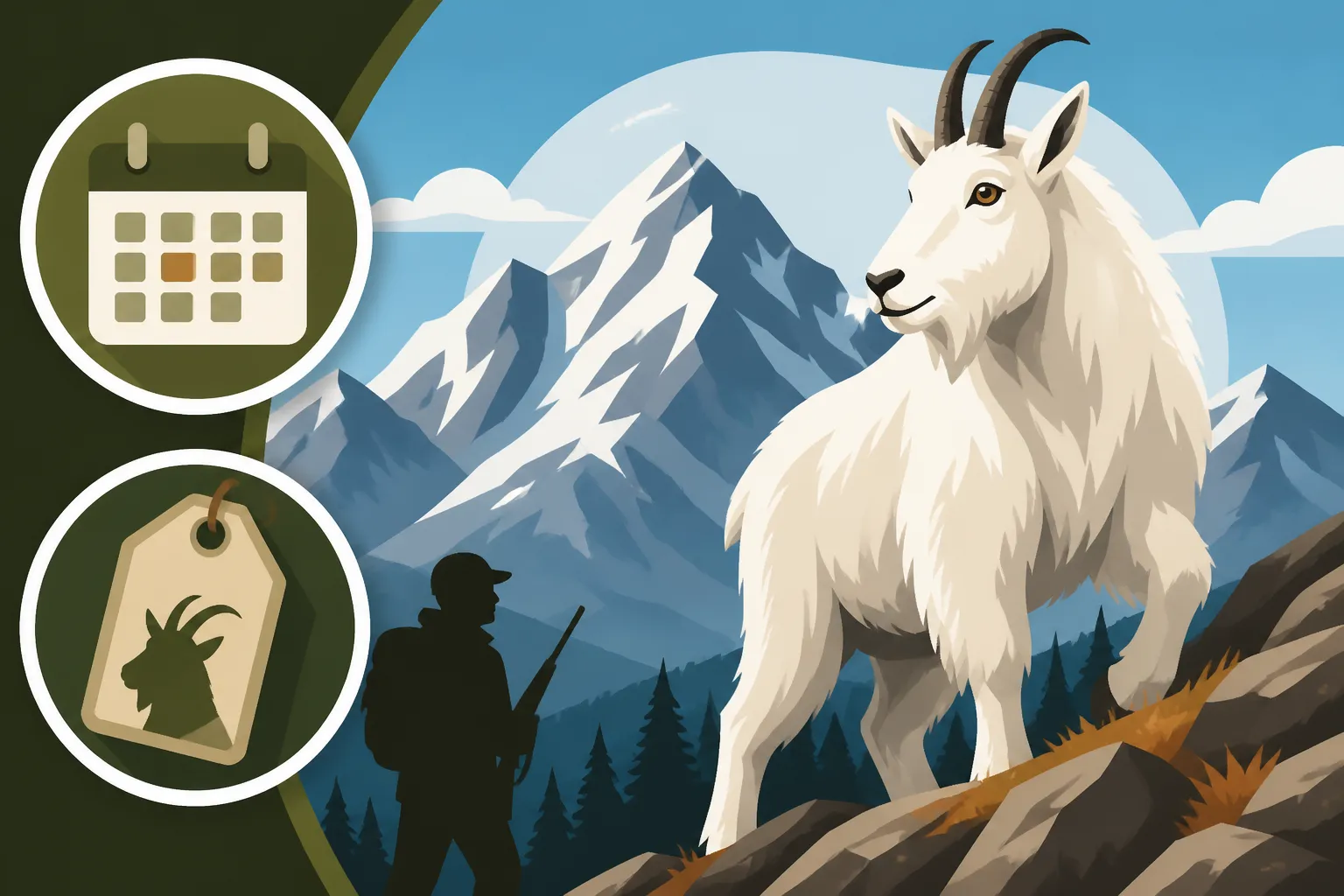
Setting your sights on a Colorado mountain goat hunt is an aspiration many hunters share, but the journey to securing one of these coveted tags can feel like trying to climb a mountain before you even leave home. The truth is, it's an incredibly challenging draw to navigate, and the limited opportunities mean every detail matters, from understanding preference points to nailing down application deadlines. This comprehensive guide will demystify the complex process of Colorado mountain goat season dates and explain exactly how to approach applying for these truly special, once-in-a-lifetime tags.
Understanding the Elusive Colorado Mountain Goat Draw System
Colorado's mountain goat hunting opportunities are among the most sought-after big game tags in the entire state, and for good reason. Mountain goats represent the pinnacle of high-country hunting, inhabiting some of the most rugged and breathtaking terrain Colorado has to offer. Unlike elk or deer tags, which have various over-the-counter options or easier draw odds, mountain goat tags are strictly controlled and incredibly limited, making the draw system paramount to your success. It’s not just about applying; it’s about understanding the nuances that can take years, even decades, to build up.
The Preference Point System Explained
Colorado employs a preference point system for its highly demanded species like moose, bighorn sheep, and mountain goats. Essentially, for every year you apply for a mountain goat tag and are unsuccessful, you earn a preference point. These points accumulate over time and directly increase your odds in subsequent draws. It's a system designed to reward persistence, meaning those who consistently apply year after year will eventually have a statistical advantage. You're not just throwing your name in a hat each year; you're actively building towards a goal.
Many hunters find themselves in a holding pattern, strategically applying for a preference point rather than a specific hunt code, especially in their early years. This allows them to accrue points without burning them on a long-shot unit. If you're serious about drawing a mountain goat tag, consider making it an annual ritual to apply for a point, even if you're not ready to hunt in the upcoming season. Think of it as investing in your future hunt. To dive deeper into how this works across all species, you can check out our comprehensive guide on Colorado Preference Points Explained.
Hunt Codes and Unit Choices
When you decide to apply for a mountain goat tag, you're not just applying for "a mountain goat tag." You're applying for a specific hunt code tied to a particular Game Management Unit (GMU), season, and sex (billy, nanny, or either-sex). Each hunt code has its own set of draw odds, typically reflecting the quality of the unit, the historical success rates, and the number of available tags. Researching these hunt codes thoroughly is absolutely critical.
Choosing the right unit can feel overwhelming. Do you go for a unit with slightly better odds but potentially tougher access, or do you stack points for a legendary unit that might take two decades to draw? This is where resources like GoHunt become incredibly valuable. Their data and insights on draw odds, success rates, and unit characteristics for various hunt codes can help you make an informed decision, aligning your point strategy with your hunting aspirations. Remember, once you draw a mountain goat tag, you are generally not eligible to draw another for the rest of your life in Colorado, so making this first draw count is huge.
Mountain Goat Season Dates in Colorado
Mountain goat seasons in Colorado are generally brief and strategically placed to align with optimal hunting conditions and minimize disturbance during critical periods for the animals. These seasons are typically held in the late summer and fall, primarily from late August through early November, taking advantage of more stable weather before deep winter snows make high-country travel nearly impossible.
Typical Season Structure and Timing
While specific dates vary slightly year to year based on Colorado Parks and Wildlife (CPW) regulations, the general framework remains consistent. Mountain goat seasons are usually broken into several short segments, often a late August/early September archery-only season, followed by one or more rifle/muzzleloader seasons in September, October, and sometimes even into early November. The objective is to distribute hunter pressure and offer different hunting styles, from the challenging solitude of an archery hunt to the often more forgiving conditions of a late-fall rifle season.
It’s important to note that specific season dates are always released by CPW well in advance of the application period. You'll want to consult the current year's big game brochure or the CPW website for the definitive schedule before applying. Planning your hunt around these dates is crucial, especially if you're a non-resident who needs to factor in travel time, work schedules, and physical preparation. We also have a general overview of Colorado Hunting Seasons Explained that can give you a broader context.
Considerations for Early vs. Late Seasons
The choice between an early or late mountain goat season can significantly impact your hunting experience. Early seasons, typically in late August or early September, often mean more favorable weather conditions, though afternoon thunderstorms are always a possibility in the high country. Goats might be higher on the peaks, offering expansive glassing opportunities, but their coats won't be as full and shaggy as they will be later in the year.
Late seasons, conversely, bring the promise of cooler temperatures, potentially snow-dusted peaks, and goats with their impressive winter coats. This is often when hunters prefer to target billies for their prime pelts. However, late-season hunts also carry increased risks of severe weather, including blizzards and extreme cold, making logistics and safety paramount. Access roads can close, and avalanche danger can increase. Your gear choices and physical fitness become even more critical during these periods. For those contemplating hunts in challenging terrain, our guide on How to Hunt Elk at High Elevation offers valuable insights that are equally applicable to goat hunting.
| Season Type | Typical Dates | Pros | Cons |
|---|---|---|---|
| Archery/Early Rifle | Late Aug – Mid Sept | Milder weather, longer daylight, accessible terrain | Goats not in full winter coat, potential for high heat |
| Mid-Season Rifle | Late Sept – Mid Oct | Cooler temps, goats starting to grow winter coats | Variable weather, potential for early snow, higher hunter pressure |
| Late-Season Rifle | Late Oct – Early Nov | Full winter coats, potential for snow to move goats down | Severe weather risk, shorter daylight, difficult access |
Applying for Your Colorado Mountain Goat Tag
The application period for Colorado big game draws, including mountain goats, is one of the most critical windows for any Western hunter. Missing the deadline means missing your shot at a tag for an entire year, which can be particularly frustrating when you've been building preference points for years. The process itself requires attention to detail, from acquiring the right licenses to selecting your hunt codes wisely.
Key Application Deadlines and Requirements
The primary draw application period for all limited licenses, including mountain goats, typically runs from early March through early April. The exact dates are published annually by CPW, and you cannot afford to miss them. Always double-check the current year's Colorado Big Game Draw Deadlines to ensure you're on schedule. Before you can even apply for a limited license, you must purchase a qualifying license (such as a small game or fishing license) and a habitat stamp. This requirement applies to both residents and non-residents and is a prerequisite to accumulating points or applying for tags.
When you apply, you'll need to select your desired hunt code(s) or opt to simply purchase a preference point. For mountain goats, you can typically apply for a first, second, third, and fourth choice, but in reality, most successful applicants draw on their first choice with a substantial number of preference points. It's often a "go big or go home" scenario where you’re hoping your points are enough for your top choice unit. Be sure to check your application thoroughly before submitting it, as mistakes can be costly and difficult to correct.
Strategic Point Management and Draw Odds
Successfully drawing a mountain goat tag hinges largely on a well-thought-out preference point strategy. Given the extreme difficulty, many hunters will build points for 15, 20, or even 25+ years before having a realistic chance at certain units. This means understanding How Many Points for a Colorado Moose Sheep Goat tags are typically required for the units you're interested in. Websites like GoHunt publish statistics on minimum and average points required to draw specific hunt codes, which are invaluable for planning.
Don't just look at the minimum points drawn; consider the "point creep" – the phenomenon where the average number of points required to draw a tag increases each year as more hunters accrue maximum points. This means a unit that took 18 points five years ago might now require 20 or 21. It's a long game, and patience is your most important virtue. Regularly reviewing draw odds and adjusting your strategy if necessary will serve you well over the years. Some hunters even consider applying with a group, though specific rules apply for Colorado Group Applications Explained.
Key Considerations for Your Mountain Goat Hunt
Drawing a mountain goat tag is just the first step. The hunt itself is a monumental undertaking that demands physical and mental fortitude, specialized gear, and a deep respect for the alpine environment. These aren't hunts for the faint of heart, but the rewards are truly unforgettable.
Physical Conditioning and Altitude Acclimation
Mountain goats thrive in extreme high-altitude environments, often above 11,000 feet, and sometimes pushing well over 13,000 feet. This means your physical condition must be top-notch. You'll be climbing steep, rocky terrain, often with a heavy pack, and every step will be harder due to the thin air. Weeks, if not months, of dedicated physical training, focusing on cardiovascular endurance, leg strength, and carrying weight, are essential.
Beyond fitness, proper altitude acclimation is critical, especially for hunters coming from sea level. Arriving a few days early to a higher elevation town like Salida, Gunnison, or Silverton can make a significant difference in preventing acute mountain sickness. Drinking plenty of water, avoiding alcohol, and taking it easy for the first 24-48 hours can help your body adjust. Failing to acclimate can quickly turn a dream hunt into a miserable, and potentially dangerous, experience. Our guide on How to Physically Prepare for Colorado Elk also contains highly relevant advice for mountain goat hunters.
Essential Gear for High-Altitude Hunting
Your gear for a mountain goat hunt needs to be robust, lightweight, and capable of performing in rapidly changing alpine conditions. Forget the cotton and denim; think layers of technical clothing that can handle everything from warm sunshine to driving snow and freezing rain. A high-quality backpack capable of carrying heavy loads is non-negotiable, as you'll likely be packing out your goat from challenging terrain.
Optics are arguably your most important tool. Top-tier binoculars, a spotting scope, and a tripod are essential for locating goats on distant cliffs and accurately judging their sex and size. Rangefinders are also critical for ethical shot placement in the vast, open spaces of the high country. Don't skimp on durable, waterproof hiking boots with excellent ankle support, as you'll be traversing rocky scree fields and steep slopes. For a deeper dive into backcountry gear, you can reference our Colorado Backcountry Hunting Gear List.
Respecting the Animal and the Landscape
A mountain goat hunt is not just about the kill; it's about the entire experience of being in these magnificent, unforgiving landscapes and connecting with a truly wild animal. These creatures are incredibly resilient and live in fragile ecosystems. Practice strict Leave No Trace principles, pack out all your trash, and minimize your impact on the environment.
Ethical hunting also means knowing your limits and making responsible decisions. Be prepared to pass on a shot if the conditions aren't right, or if you can't guarantee a clean kill and recovery. Packing out a mountain goat, especially a large billy, from remote, steep terrain is no small feat. Have a solid plan for quartering and packing out your animal, and always prioritize safety. These hunts are a privilege, and respecting the animal and the landscape ensures these opportunities will continue for future generations.
Disclaimer
Please note that hunting regulations, season dates, and draw systems are subject to change by Colorado Parks and Wildlife (CPW). Always consult the most current official CPW hunting regulations brochure and website before planning your hunt or submitting any applications. This guide is intended for informational purposes only and should not be considered a substitute for official sources.