Colorado Mountain Goat Billies and Nannies
Colorado mountain goat physical builds, horn thickness, and urination postures help hunters reliably separate billies from nannies.
Know what you’re after.
Big game, small game, upland birds, and waterfowl — identification, behavior, rut and migration timing, and how each species moves through the season.

Colorado mountain goat physical builds, horn thickness, and urination postures help hunters reliably separate billies from nannies.
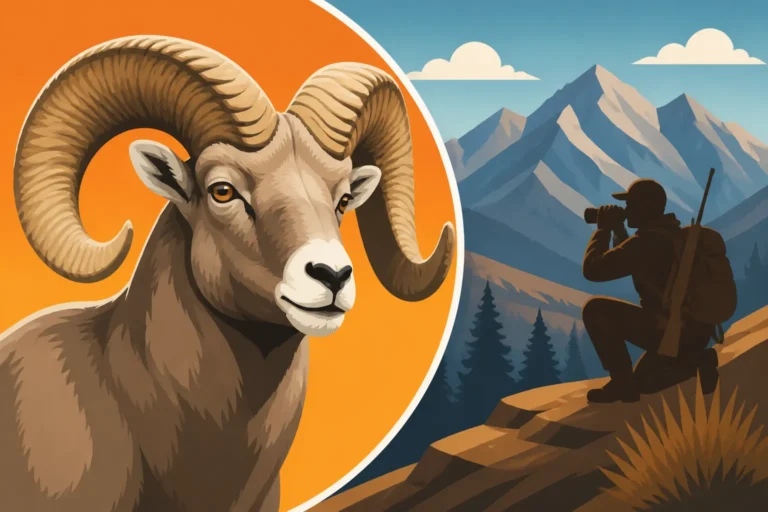
Colorado bighorn sheep hunting regulations, ram behavior, physical traits, and field judging techniques for legal harvest are detailed.
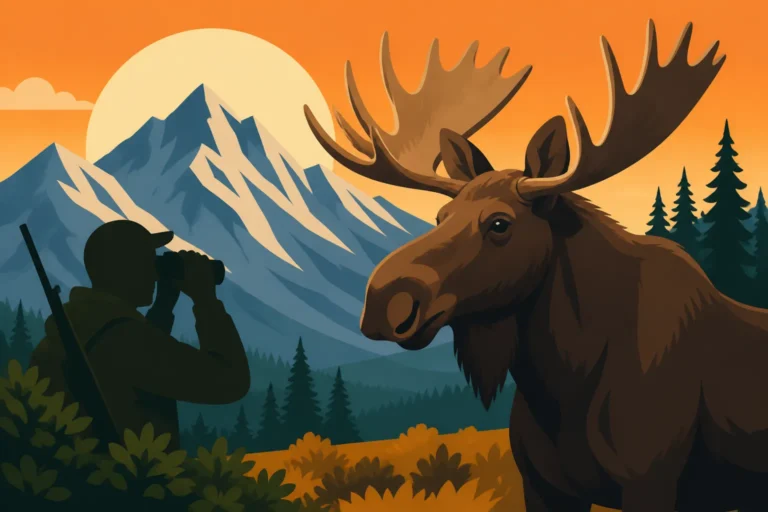
Colorado moose behavior and safety protocols explain habitats, body language cues, seasonal risks, and actions during a charge.

Colorado black bear color phases range from deep black to cinnamon, brown, and blonde, driven by genetics, environment, and regional prevalence.
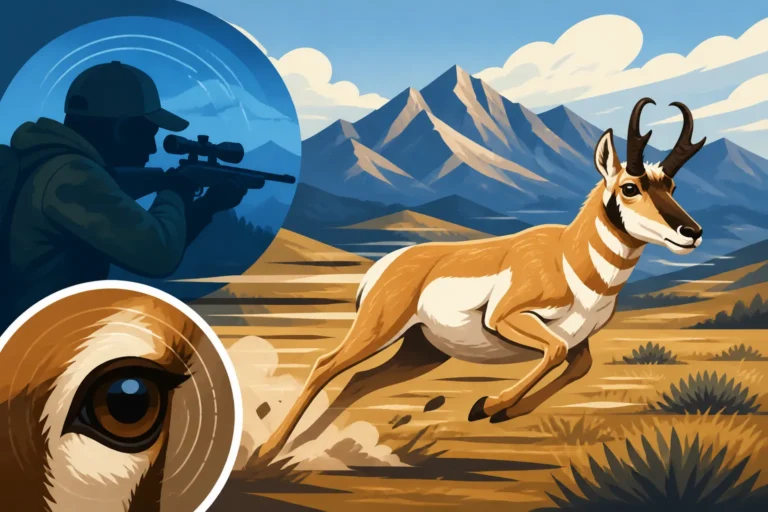
Colorado pronghorn possess incredible speed and unmatched vision, requiring hunters to utilize strategic terrain stalking and wind awareness for success.
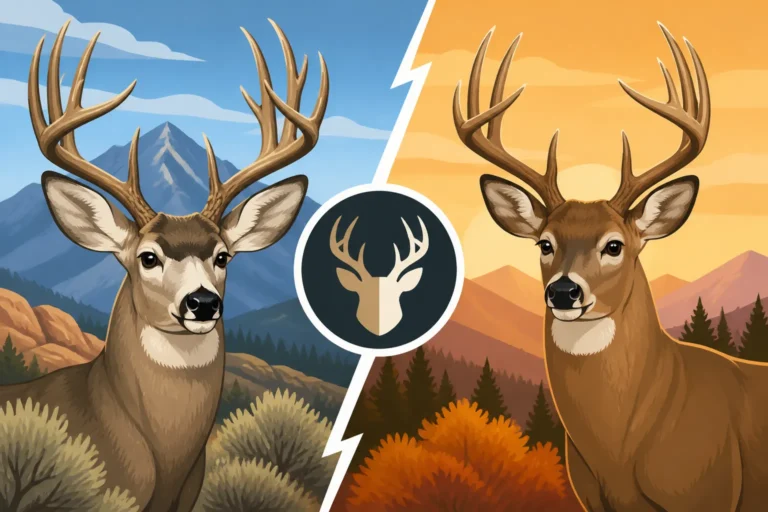
Visual distinctions and habitat preferences help hunters accurately identify mule deer and whitetail deer across Colorado landscapes.
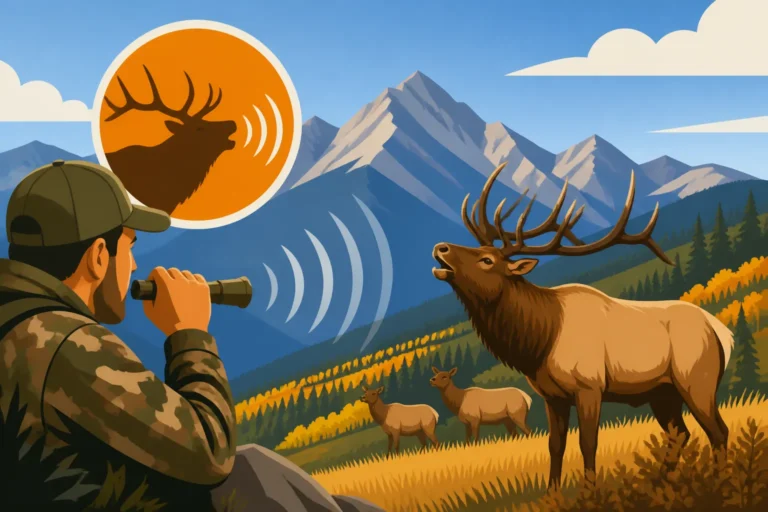
Colorado elk calling sounds and their meanings are explained, helping hunters interpret bugles, mews, and barks to locate animals.

Colorado black bear habitat spans pinyon-juniper zones, mid-elevation aspen groves, and high alpine basins, shaped by seasonal food and forest cover.
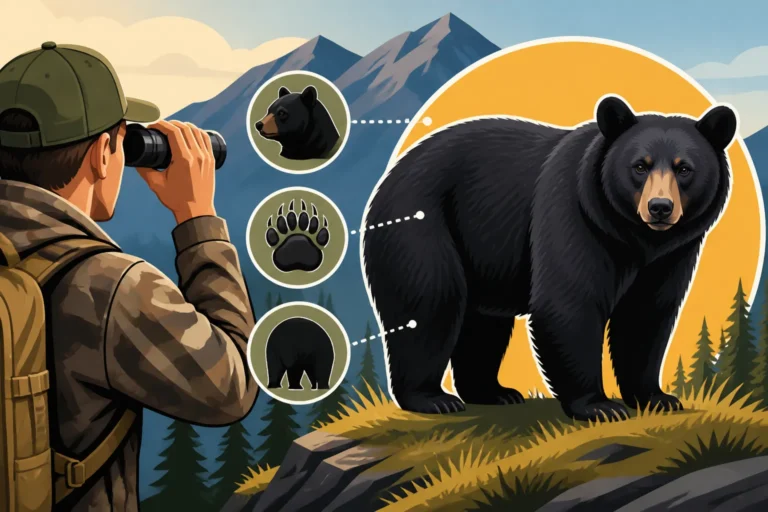
Colorado black bear field judging tips help hunters accurately estimate animal size and age using head proportions, body shape, and movement cues.
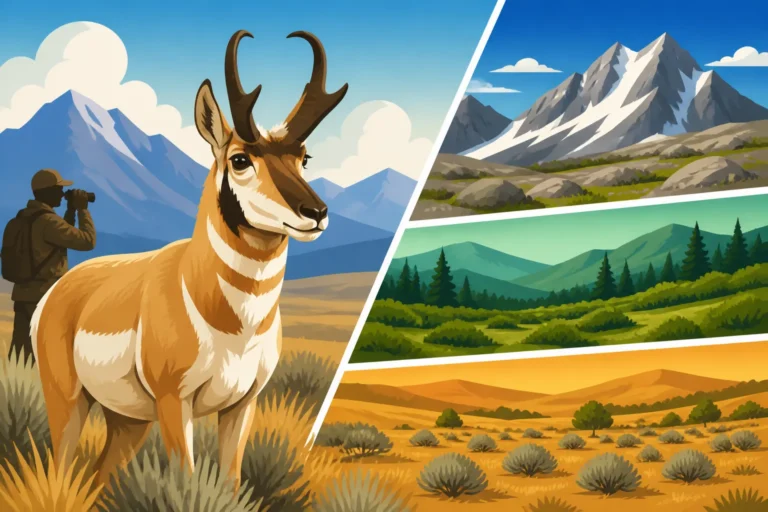
Colorado pronghorn populations range from low eastern plains to high mountain basins, requiring adaptable hunting strategies across varied terrain.