Best Beginner Species to Hunt in Colorado
Stepping into the world of hunting in Colorado can feel like trying to solve a Rubik's Cube blindfolded. With so many species, seasons, regulations, and vast public lands, it's easy to get overwhelmed and wonder, "Where on earth do I even begin?" This guide is here to cut through the confusion and highlight the best beginner-friendly species in Colorado, helping you build skills and confidence one successful hunt at a time without feeling like you need a decade of experience just to fill your freezer or enjoy the outdoors.
Why Colorado is a Premier Destination for Beginner Hunters
Colorado is a hunter's paradise, but for newcomers, its sheer size and diversity can be daunting. The good news is, beneath the towering peaks and dense timber, there are incredible opportunities for those just starting out. It's not all about drawing that trophy bull elk tag that takes 10+ preference points; there's a vibrant world of accessible hunting that many seasoned hunters often overlook.
Abundant Public Land Access
One of Colorado's biggest draws, especially for new hunters who might not have private land connections, is the sheer amount of accessible public land. We're talking millions of acres of national forests, BLM land, and State Wildlife Areas. This means you don't need to break the bank on private leases or guide fees just to get your boots on the ground. You can literally drive a couple of hours from Denver or Colorado Springs and find yourself in vast hunting grounds.
However, navigating these lands can be a challenge. It's crucial to understand how to read a map and interpret boundaries. Many new hunters get frustrated trying to figure out where public land begins and private property ends. Tools like OnX Hunt maps are invaluable for this, clearly delineating land ownership, helping you stay legal and respectful. But even with the best maps, physically scouting before your hunt is a game-changer. Learning about the various types of public lands and how to access them is a critical first step for any Colorado hunter, new or old. For a deeper dive, check out our comprehensive guide on Colorado Public Land Hunting Guide.
Diverse Species and Opportunities
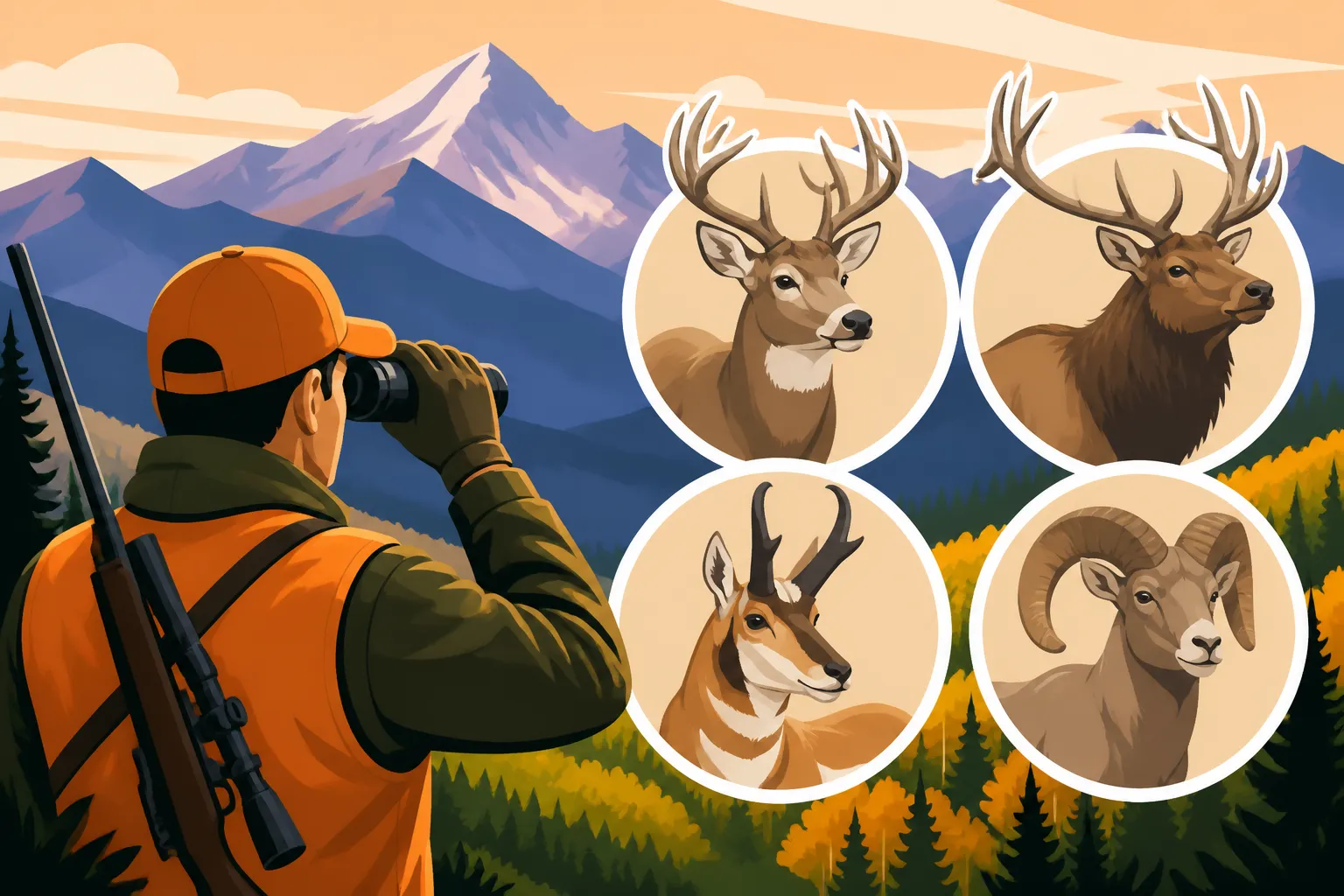
Beyond the famed elk and mule deer, Colorado boasts an incredible array of game animals, many of which are perfect for learning the ropes. From scurrying cottontails to high-altitude ptarmigan, and even some over-the-counter (OTC) big game options, the diversity means there's a season and a species for nearly every month of the year. This provides ample opportunity to hone skills like tracking, shooting, field dressing, and simply understanding animal behavior, without the intense pressure or financial investment often associated with premier big game hunts.
This variety also allows new hunters to experiment with different hunting methods. Want to try still-hunting through timber? Small game offers that. Interested in long-range glassing? Pronghorn on the plains can provide that experience. The point is, Colorado offers a graduated learning curve, allowing you to build foundational skills with less demanding hunts before tackling the more complex ones. The sheer breadth of Colorado Big Game Species Guide and small game options ensures there's always something new to learn and pursue.
Essential Considerations for New Hunters
Before you even pick a species, there are some fundamental aspects of hunting in Colorado that every beginner needs to grasp. Ignoring these can lead to frustration, wasted money, or even unsafe situations.
Understanding Colorado's License and Tag System
This is where many new hunters hit their first wall. Colorado's hunting license and tag system can seem like a bureaucratic maze, especially compared to some other states. First off, you'll need a valid hunting license. For big game, most tags are acquired through a draw system, where you apply for specific units and seasons with your preference points. However, many small game and bird opportunities are over-the-counter (OTC), meaning you can just walk into a license agent or buy online.
You'll also need to purchase a Habitat Stamp, which contributes to wildlife conservation efforts. For non-residents, the costs are significantly higher, so budgeting is key. It's important to know the difference between a license (your permission to hunt) and a tag (permission to harvest a specific animal). Don't forget, if you're under 18, there are specific Colorado Youth Hunting License Rules that can make getting started even easier with reduced fees and specific youth seasons. I've seen too many excited new hunters show up in the field only to realize they didn't have the correct tag for the species or unit they were hunting, so double-check everything well in advance!
Gear Essentials and Budgeting
Hunting in Colorado, regardless of the species, often involves varied terrain and rapidly changing weather conditions. While you don't need the most expensive gear to start, having reliable basics is non-negotiable for safety and comfort. Think good quality boots, appropriate layering for clothing, a decent backpack, and basic navigation tools. For small game, a .22 rifle or a shotgun are common choices and often less expensive than a big game rifle setup.
For optics, even a pair of decent 10×42 binoculars can make a huge difference in spotting game, whether it's a rabbit blending into brush or a grouse perched on a branch. Don't feel pressured to buy everything at once. Start with the essentials, borrow what you can, and upgrade as you gain experience. Many experienced hunters will tell you that the most important "gear" is often just common sense and preparation. Remember, cheaping out on footwear can quickly ruin a hunt if your feet are sore and wet. A good pair of boots, like those from Schnee's or Crispi, can make all the difference when you're covering miles of varied terrain.
Safety First: Hunter Education and Field Practices
Every hunter born on or after January 1, 1949, must complete a hunter education course to purchase a hunting license in Colorado. This course covers firearm safety, wildlife identification, ethics, and regulations – vital knowledge for any beginner. Beyond the certificate, always practice safe firearm handling, know your target and what's beyond it, and hunt with a partner if possible, especially when new.
Understanding basic first aid, how to use a compass and map (and a GPS or smartphone app like GoHunt for backup), and what to do in case of an emergency are also critical. The Colorado mountains can be unforgiving, and even a simple twisted ankle can become serious if you're alone and unprepared. Always let someone know where you're going and when you expect to return. Never compromise on safety; it's the foundation of responsible hunting.
Top Beginner Species: Small Game Opportunities
When it comes to building confidence, learning terrain, and understanding animal behavior without the steep learning curve or high costs of big game, small game is king in Colorado.
Cottontail Rabbits and Snowshoe Hares
These furry dynamos are perhaps the ultimate beginner species. They're abundant, widespread across the state, and generally have long seasons, often running from early fall well into winter. Cottontails thrive in brushy areas, sagebrush flats, and riparian zones at lower to mid-elevations. Snowshoe hares prefer higher elevations and timbered areas, especially lodgepole pine and spruce-fir forests, often turning white in winter to blend with the snow.
Hunting rabbits and hares teaches you patience, how to move quietly, and how to spot camouflaged animals. You can hunt them with a .22 rifle, a shotgun (perfect for moving targets), or even a small game bow. The tags are cheap and over-the-counter, and the daily bag limits are generous, meaning you can often fill your freezer. It’s a fantastic way to learn field dressing and meat care on a smaller scale before you’re staring down a quartered elk. I've spent countless hours hunting cottontails and snowshoe hares, and it's a fantastic way to get kids involved too! For more specifics, check out our detailed guide on Colorado Cottontail and Jackrabbit Hunting.
Squirrels: Tree Squirrels (Abert's and Fox)
Colorado offers both Abert's squirrels (primarily in ponderosa pine forests, famous for their tufted ears) and Fox squirrels (more common in urban parks and riparian areas). These are another excellent choice for beginners, especially those wanting to hone their marksmanship with a .22 rifle or air rifle. Hunting squirrels requires stealth and sharp eyes, teaching you how to slow down and really observe the forest.
The seasons for squirrels are generally long and overlap with many big game seasons, making them a great secondary target if your big game hunt is slow. Like rabbits, tags are OTC and inexpensive. Plus, squirrel meat, when prepared correctly, is delicious! It's also a great way to scout new areas for bigger game, as deer and elk often inhabit the same forests where squirrels thrive. Learning to be quiet and observant for squirrels will directly translate to better success when you eventually pursue bigger game.
Top Beginner Species: Upland Birds for the New Hunter
Upland bird hunting offers a different, often more active, challenge than small game, requiring good boots and a willingness to cover ground. It's a fantastic way to learn about specific habitats and dog work if you have a canine companion.
Dusky Grouse (Blue Grouse)
The dusky grouse, often called the "blue grouse," is a classic Colorado upland bird and an ideal target for beginners. They typically inhabit ponderosa pine, spruce, and fir forests at mid to high elevations. During the early season (September), they are often found feeding on berries and insects along forest edges or roadsides, making them relatively accessible. Later in the season, they move into denser timber.
What makes them beginner-friendly? They are often less wary than other game birds, sometimes holding tight and allowing for a closer approach, giving you more time for a shot with a shotgun or even a .22 pistol if legal in your area. You don't need a dog, though a good bird dog certainly helps. It's an excellent way to explore the national forests and learn to identify prime game bird habitat. Plus, they offer fantastic table fare. Learning about these birds provides a great education on high-country ecology. Find out more about Colorado Dusky Grouse Hunting here.
Ptarmigan
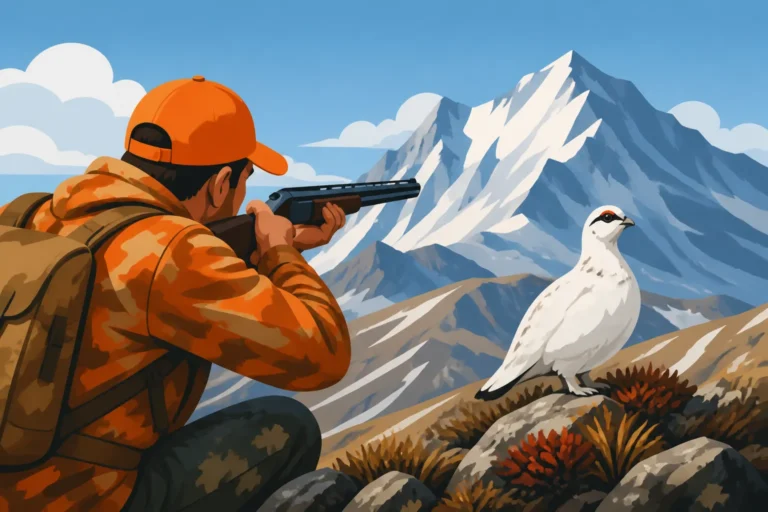
If you're looking for a unique high-country experience without the immense pressure of big game, ptarmigan are a fantastic challenge. These birds live exclusively in the alpine tundra above treeline, typically 11,000 feet and higher. They are famous for their seasonal camouflage, changing from mottled brown in summer to pure white in winter.
Hunting ptarmigan involves physical exertion, as you'll be hiking at high altitudes, often in challenging weather. This makes it an excellent way to get in shape for future elk hunts and learn how to navigate rugged mountain terrain. While they can be elusive, during certain times of the year, they hold well for hunters. Again, a shotgun is ideal, but a .22 can also work for closer shots. The sheer beauty of the alpine environment and the unique challenge of finding these birds make ptarmigan hunting a truly memorable experience for any new hunter. Just be prepared for the altitude; it's no joke up there.
Ring-necked Pheasants
For those looking for a classic bird hunting experience, particularly on Colorado's eastern plains, ring-necked pheasants are a thrilling option. These birds prefer agricultural areas, dense cover, and riparian strips. While many prime pheasant areas are on private land, Colorado Parks and Wildlife (CPW) offers numerous Walk-In Access (WIA) properties and State Wildlife Areas that provide public hunting opportunities.
Pheasant hunting often involves more walking and can be physically demanding. It's a fast-paced hunt, requiring quick reflexes with a shotgun. While a good bird dog is a huge asset, groups of hunters can effectively "push" fields and flush birds, making it a social and exciting hunt. Pheasant tags are OTC and relatively inexpensive. This hunt teaches you how to work cover, understand bird escape patterns, and improve your wing shooting – skills that transfer to other bird species. Hunting pheasants can also be a good way to see some of the less-traveled parts of Colorado beyond the mountains.
Top Beginner Species: Accessible Big Game
While big game hunting in Colorado is often associated with challenging draws and extensive planning, there are indeed entry points for new hunters to pursue larger animals without decades of experience.
Pronghorn (Antelope)
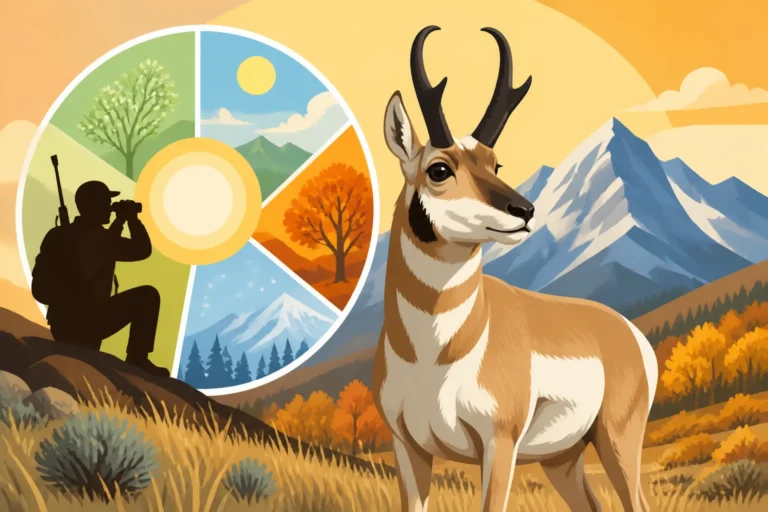
Often overlooked by mountain-focused hunters, pronghorn are arguably the most accessible big game species in Colorado, especially for those new to western hunting. They primarily inhabit the eastern plains, which means less drastic elevation changes and often more open terrain than hunting elk or mule deer. Most pronghorn tags are draw-only, but the number of points required can be relatively low in certain units, and leftover tags for does (antlerless) are sometimes available.
Hunting pronghorn is an excellent way to learn glassing techniques, judging distance in open country, and using terrain to stalk. Their incredible eyesight makes them a challenge, forcing hunters to master stealth and patience. A rifle is the most common weapon, offering longer shot opportunities. The flatter terrain means less physical exertion than mountain hunting, making it a great option for hunters who aren't yet in peak physical condition. Plus, pronghorn meat is incredibly lean and delicious if cared for properly in the field. To learn how to find and hunt these unique animals, refer to our guide on Colorado Pronghorn Hunting Guide.
Cow Elk (Antlerless Elk)
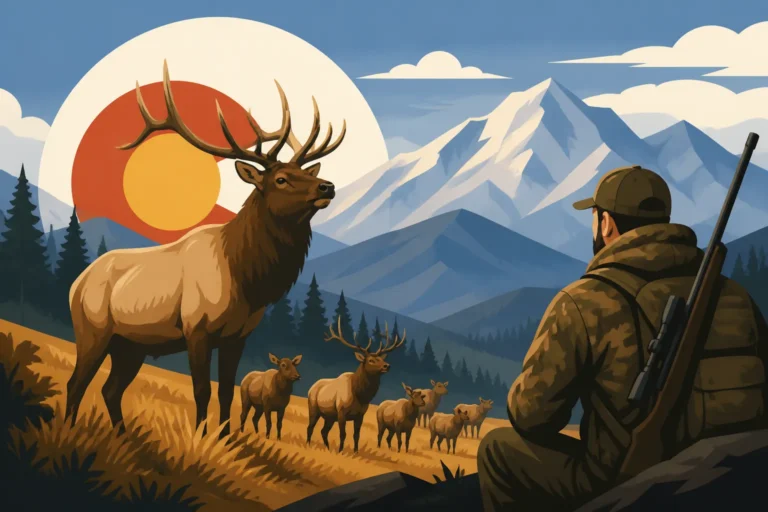
Now, this might surprise some, as elk are often seen as the pinnacle of Western hunting. However, pursuing a cow elk can be a much more beginner-friendly experience than chasing a trophy bull. Cow elk tags are often easier to draw, require fewer preference points, and sometimes even become available over-the-counter (OTC) in specific units for late seasons, especially if populations need management. Many leftover cow tags are designed to help CPW manage herd sizes.
Hunting cow elk allows you to experience the thrill of elk hunting, learn their habits, and understand their movements in the mountainous terrain, all with less pressure than trying to locate and call in a bull during the rut. The focus shifts from trophy hunting to meat hunting, which for many beginners, is the primary goal anyway. It's still physically demanding, so proper preparation like that discussed in How to Physically Prepare for Colorado Elk is essential. Learning to track, field dress, and pack out an elk is an invaluable experience, and doing it with a cow tag allows for a more relaxed learning environment. Look for units with a good history of offering leftover cow tags or those requiring fewer points, often found on the GoHunt Insider page.
Planning Your First Colorado Hunt: Steps for Success
Once you've identified a species that excites you, it's time to put a solid plan into action. A well-planned hunt, even for small game, is often a successful and enjoyable one.
E-Scouting and Physical Scouting
Modern technology has revolutionized hunting preparation. Tools like GoHunt's mapping features and the CPW Hunting Atlas allow you to "e-scout" from your couch, identifying public land, potential habitat, water sources, and access points. This is crucial for narrowing down which of Colorado's many hunting units (GMUs) might be best for your chosen species. For an in-depth look at this, our article on How to E-Scout Before a Colorado Hunt is an excellent resource.
However, e-scouting is only half the battle. Nothing beats boots-on-the-ground physical scouting. If possible, visit your chosen hunting area a few weeks or months before the season. Look for fresh sign, identify travel corridors, bedding areas, and feeding grounds. Pay attention to terrain features and potential ambush points. Even if it's just a day trip, physical scouting gives you invaluable intel and helps you familiarize yourself with the area, reducing uncertainty on opening day. This also helps you understand how challenging the terrain truly is, which impacts your gear choices and physical preparation.
Understanding Seasons and Regulations
Colorado has a complex calendar of hunting seasons that varies by species, weapon choice, and even specific game management units (GMUs). For beginners, sticking to species with longer, more flexible seasons, like small game and upland birds, simplifies things. For big game, research the draw odds and application timelines well in advance, especially with platforms like GoHunt that provide detailed draw odds for various Colorado Hunting Seasons Explained.
Always, and I mean always, read the current year's Colorado Big Game Brochure and Small Game & Waterfowl Brochure. These documents are your bible. They detail season dates, legal methods of take, bag limits, licensing requirements, and specific regulations for each GMU. Pay close attention to any unit-specific restrictions or antler point restrictions (APRs). Ignorance of the law is not an excuse, and violating regulations can lead to hefty fines and loss of hunting privileges.
Field Preparation and Meat Care
The hunt doesn't end when the animal is on the ground. For beginners, proper field preparation and meat care are crucial. Small game and birds are relatively straightforward: gut them quickly to cool the meat, and get them on ice if temperatures are warm. For larger animals like pronghorn or elk, this process becomes much more involved and time-sensitive.
You'll need a sharp knife, game bags, and a plan for how to cool and transport the meat. Learning how to quarter an animal in the field is a vital skill. Rapid cooling is paramount to prevent spoilage, especially in warmer early-season hunts. Practicing these skills on a smaller animal or watching numerous instructional videos before your hunt will save you a lot of stress and ensure you don't waste any precious meat. Never underestimate the work involved in getting an animal from the field to your freezer, especially for bigger game like elk. Our article on How to Pack Out an Elk in Colorado offers valuable insights.
Learning and Growing as a Hunter
Hunting is a journey, not a destination. Your first few hunts might not result in a harvest, and that's perfectly okay. The real value for a beginner lies in the experience, the lessons learned, and the connection to the outdoors.
Embrace the Process
Don't go into your first hunts with the sole expectation of harvesting an animal. Instead, focus on learning. Learn to identify different tracks, understand thermal winds, move quietly through the woods, and interpret the sounds of the forest. Every time you step foot on public land, you're gaining valuable experience. Think of it as an ongoing education. The failures often teach more profound lessons than the successes.
The camaraderie with fellow hunters, the solitude of the backcountry, and the satisfaction of harvesting your own food are all part of the process. Even a slow day in the woods is better than a good day at work, right? Embrace the challenge, enjoy the beauty of Colorado, and celebrate every small victory, whether it's spotting a new species, navigating confidently, or simply making it back to the truck tired but happy.
Join a Community or Find a Mentor
One of the best ways to accelerate your learning as a beginner hunter is to connect with experienced hunters. Join online forums, local conservation groups like the Rocky Mountain Elk Foundation or Backcountry Hunters & Anglers, or attend local hunting seminars. Many seasoned hunters are more than willing to share their knowledge and even take a newcomer under their wing.
A good mentor can provide invaluable advice, share tips and tricks, and even accompany you on hunts, guiding you through the practicalities of fieldcraft, ethics, and regulations. They can also help you understand the nuances of specific game units, like those best for Colorado OTC Archery Elk Units for Non-Residents, if that's a direction you're considering. Don't be afraid to ask questions; most hunters are passionate about their sport and eager to foster the next generation. Websites like GoHunt also foster communities where you can ask questions and learn from others' experiences.
Continued Education and Skill Development
Hunting skills are perishable if not practiced. Continue to educate yourself by reading books, watching reputable videos, and attending workshops. Practice your shooting regularly, whether it's at a range or safely in the field. Work on your physical fitness, as even small game hunting in Colorado can involve significant hiking and elevation changes.
Learning basic survival skills, advanced navigation, and more intricate calling techniques (if you pursue species like elk or turkeys) will only enhance your future hunts. The more you invest in your knowledge and skills, the more confident and successful you'll become. Remember, every master was once a beginner. The path to becoming a proficient Colorado hunter is an exciting one, filled with endless opportunities to learn and grow.
Colorado Beginner Species Hunting Table
To help you visualize some of the best beginner species and their key characteristics, here's a handy table:
| Species | Typical Habitat | Tag Type (Beginner Focus) | Physical Exertion | Learning Value | Common Weapon | Season Length (General) |
|---|---|---|---|---|---|---|
| Cottontail Rabbits | Brushy areas, sage, riparian | OTC Small Game License | Low-Medium | Tracking, stealth, field dressing, marksmanship | .22 Rifle, Shotgun | Long (Fall-Winter) |
| Snowshoe Hares | High elevation timber | OTC Small Game License | Medium-High | Tracking in snow, adapting to elevation | .22 Rifle, Shotgun | Long (Fall-Winter) |
| Tree Squirrels | Ponderosa & other forests | OTC Small Game License | Low-Medium | Observation, quiet movement, precise shooting | .22 Rifle, Air Rifle | Long (Fall-Winter) |
| Dusky Grouse | Mid-High elevation forests | OTC Small Game License | Medium | Habitat identification, quiet approach, wing shooting | Shotgun, .22 Rifle | Medium (Early Fall) |
| Ptarmigan | Alpine tundra (above treeline) | OTC Small Game License | High | High-altitude hiking, extreme weather prep, glassing | Shotgun, .22 Rifle | Medium (Fall) |
| Ring-necked Pheasants | Agricultural, dense cover | OTC Small Game License | Medium-High | Cover work, dog handling (optional), wing shooting | Shotgun | Medium (Late Fall) |
| Pronghorn (Antlerless) | Eastern Plains (open country) | Draw (lower points/leftovers) | Low-Medium | Glassing, long-range stalking, judging distance | Rifle | Short (Late Summer/Fall) |
| Cow Elk | Mountain forests, meadows | Draw (lower points/leftovers) | High | Tracking, scent/wind, field dressing, meat care | Rifle, Archery, Muzzleloader | Short (Fall) |
Remember, this table provides a general overview. Always consult the current Colorado Parks and Wildlife regulations for specific dates, units, and rules before heading afield.
Disclaimer
Hunting is an inherently dangerous activity. This guide is for informational purposes only and does not substitute for proper hunter education, safety training, or adherence to all local, state, and federal hunting laws and regulations. Always prioritize safety, respect wildlife, and obtain all necessary licenses and permits before hunting. The author and publisher are not responsible for any accidents, injuries, or legal issues that may arise from hunting activities.