Colorado Big Game Species by Region
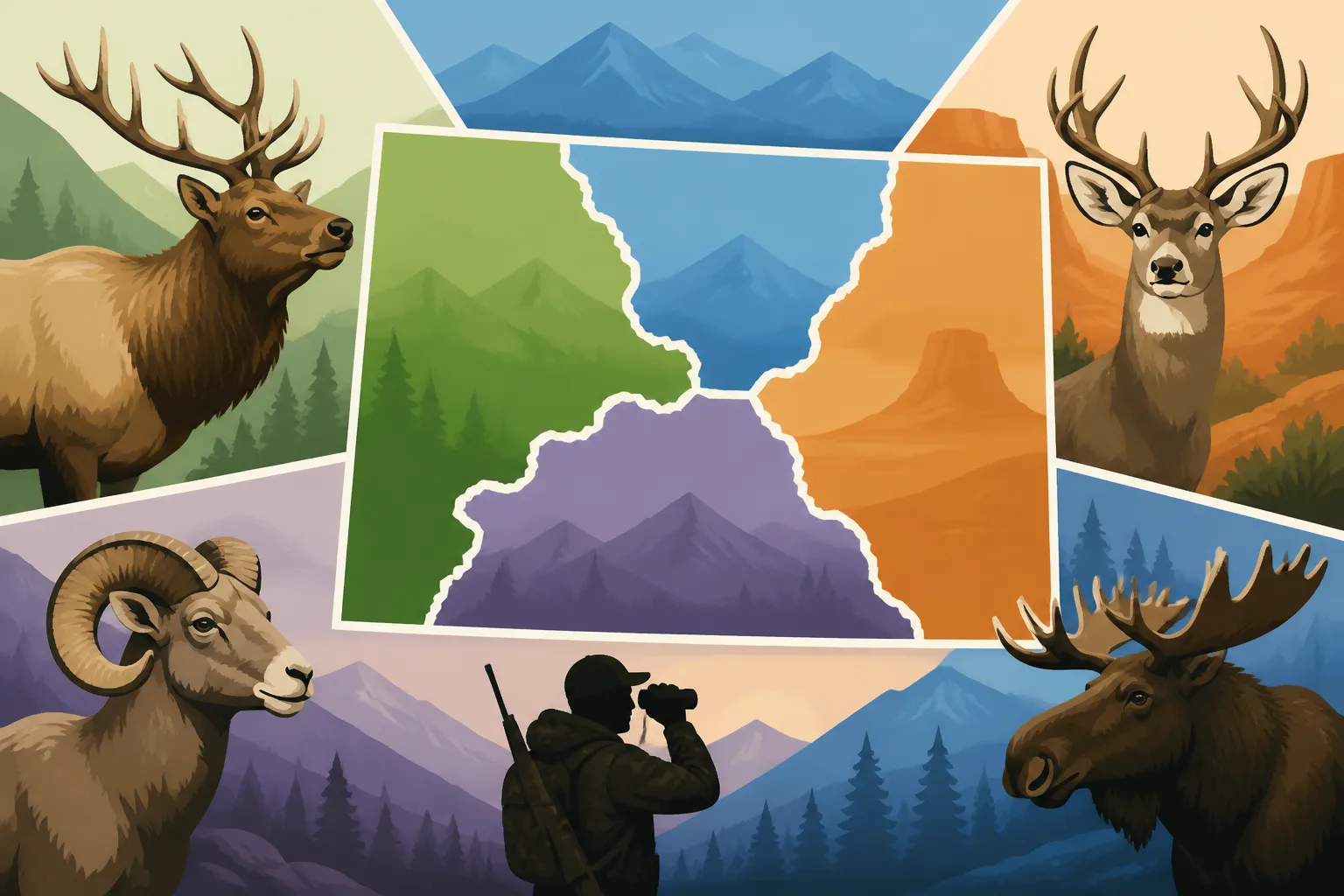
Hunting in Colorado can feel like trying to navigate an entire continent in one state. The sheer diversity of landscapes, from soaring 14,000-foot peaks to sprawling eastern plains, means that where you hunt drastically changes what you'll hunt and how you'll do it. It's easy to get lost in the sea of GMU boundaries and species ranges, wondering if you're even looking in the right spot for that elusive bull or a speedy pronghorn. This guide is here to untangle that complexity, offering a clear roadmap to understanding Colorado's big game species by region, helping you pinpoint the ideal area for your next adventure.
Colorado's Diverse Big Game Landscape
Colorado is a marvel of ecological diversity, boasting an incredible array of habitats that support a thriving population of big game animals. It's not just one type of "mountain hunting" here; it's a spectrum that demands different strategies and expectations depending on which corner of the state you're exploring. Understanding this foundational diversity is crucial to becoming a more effective and successful hunter.
Understanding Colorado's Ecosystems
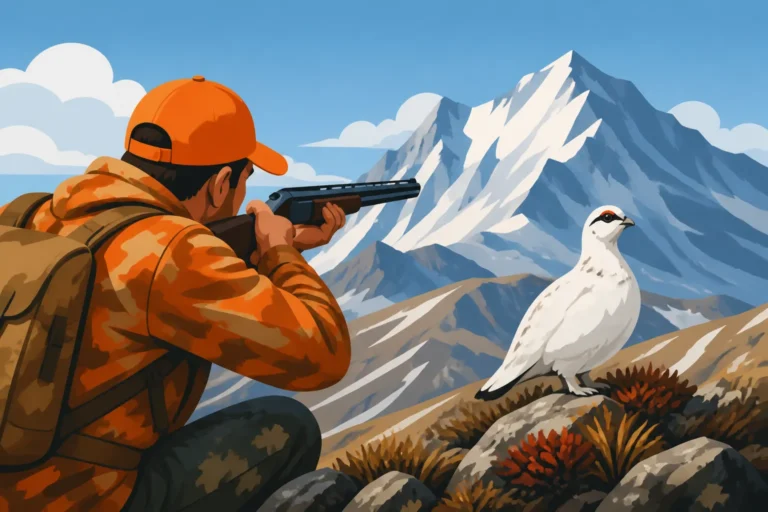
From the high alpine tundra to the arid pinyon-juniper foothills and the vast shortgrass prairies, Colorado’s ecosystems are incredibly varied. The western half of the state is dominated by the Rocky Mountains, characterized by towering peaks, dense conifer forests, aspen groves, and expansive sagebrush basins. These areas are classic elk and mule deer country, where animals migrate with the seasons, moving between high summer ranges and lower wintering grounds. The vegetation shifts with elevation, impacting everything from forage availability to cover, directly influencing where you'll find game.
Contrast that with the eastern plains, a completely different world. Here, the landscape flattens out, giving way to grasslands, agricultural fields, and riparian corridors along rivers like the South Platte and Arkansas. This is the domain of different species, primarily pronghorn and whitetail deer, which have adapted to the open, often windy conditions and the unique food sources found there. Even within these broad categories, microclimates and specific geological features can create pockets of prime habitat for various species, making regional knowledge invaluable.
Key Factors Influencing Species Distribution
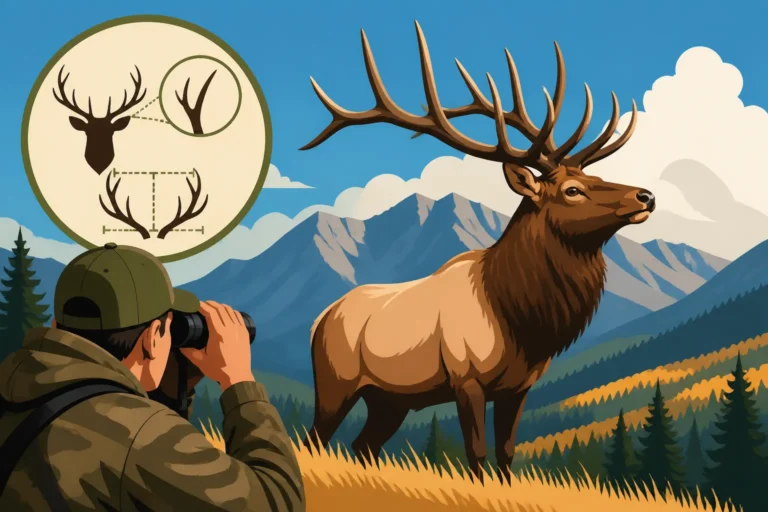
Several interconnected factors dictate where you’ll find specific big game species in Colorado. Habitat preference is, of course, paramount. Elk, for instance, are often found in mountainous terrain with a mix of timber for cover and open parks for grazing. Mule deer, while also mountain dwellers, tend to prefer more broken, rugged country with pockets of brush and sage. Moose, on the other hand, are tied closely to riparian areas and willow bottoms, particularly in certain northern drainages.
Elevation plays a massive role. Elk and mule deer typically thrive at higher elevations, especially during the warmer months, retreating to lower, more accessible areas as winter snows set in. Pronghorn are quintessential plains dwellers, rarely venturing into dense timber or high mountains. Food and water sources are also critical; animals will congregate where these necessities are readily available. Finally, hunter pressure can also influence distribution, pushing animals into more remote or thicker cover, even in otherwise suitable habitat. When planning your hunt, resources like the Colorado Hunting Atlas can be invaluable, as can e-scouting tools from platforms like GoHunt that help visualize these factors across different GMUs.
Northern Colorado: Elk, Mule Deer, and Moose Country
Northern Colorado, encompassing areas like the Routt National Forest, parts of the Arapaho National Forest, and the vast sagebrush flats of North Park, offers a classic Western big game experience with a distinct flavor. This region is renowned for its diverse opportunities, from robust elk populations to the unique chance at a Colorado moose.
Elk Populations in the North
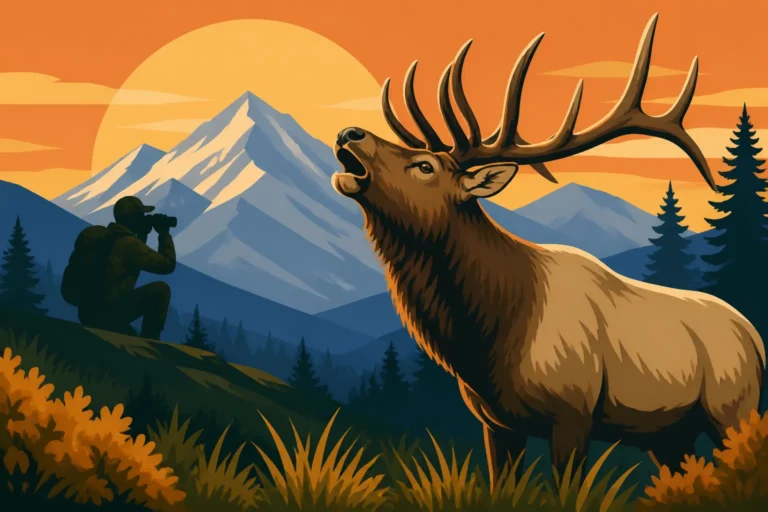
When you think of elk in Northern Colorado, images of dense timber, high mountain parks, and the sounds of bugling bulls often come to mind. Areas like the Routt National Forest, particularly around Steamboat Springs and Walden, hold significant elk herds. These elk typically spend their summers grazing in high alpine meadows and migrating down into lower-elevation timber and sagebrush country as the colder weather sets in. Hunting here often means navigating steep terrain, dark timber, and potentially heavy snow, especially in later seasons.
The Flat Tops Wilderness Area, though extending into the central west, has a northern reach that offers a truly remote elk hunting experience. This area is known for its sheer size and the challenge it presents, making it a prime destination for those seeking a true backcountry hunt. Expect to earn your elk here, with long hikes and a solid understanding of How to Hunt Elk at High Elevation. The elk here are pressured, but the vastness of the wilderness provides plenty of refuge.
Mule Deer Dynamics
Mule deer in Northern Colorado, while sometimes overshadowed by elk, offer fantastic hunting opportunities, especially in specific units known for their trophy potential. They often share habitat with elk but tend to stick to more broken, brushy country rather than the dense conifer forests. The sagebrush flats of North Park are an excellent example, providing critical winter range and year-round habitat for healthy mule deer populations. The challenge here is often spotting deer in vast, undulating terrain, requiring keen glassing skills.
Further west, near areas like Craig and Meeker, the mule deer populations can be robust, particularly in areas with good browse and less human encroachment. These deer will utilize everything from agricultural edges to the lower foothills. Understanding their seasonal movements between summer high country and wintering grounds is crucial for success. For hunters targeting a quality mule deer, combining regional knowledge with detailed digital maps on platforms like GoHunt can reveal key travel corridors and bedding areas that might be missed otherwise.
Spotlighting Colorado Moose
Northern Colorado, particularly North Park and the Laramie River Valley, is the undisputed stronghold for moose in the state. Once a rarity, Colorado’s moose population has rebounded significantly and expanded its range, though tags remain highly coveted and difficult to draw. Moose prefer wetland habitats, willow thickets, and riparian corridors along rivers and streams. They are often found in areas that would seem too wet or dense for other big game.
Hunting moose is a different ballgame. They aren't as vocal as elk, and their keen sense of smell means hunters need to be incredibly mindful of the wind. They are also solitary creatures for much of the year, making locating them a patient endeavor. If you are fortunate enough to draw one of these rare tags, focus your scouting efforts on areas with abundant willow browse and water sources. Understanding Colorado Moose Hunting Guide can provide invaluable insights into their behavior and preferred habitats in this unique northern landscape.
Western Slope and Central Mountains: Elk and Mule Deer Hotbeds
The Western Slope and Central Mountains of Colorado are often considered the heartland of big game hunting, especially for elk. This vast region, home to some of the largest migratory herds in the world, presents incredible opportunities but also significant challenges, including rugged terrain and substantial hunter pressure in many areas.
The Mighty White River Herd and Beyond
When people talk about elk hunting in Colorado, the White River National Forest inevitably comes up. Home to the largest migratory elk herd in North America, this area, which includes the Flat Tops Wilderness, is legendary. Here, elk can be found at nearly every elevation, from river bottoms to high alpine basins. The sheer numbers are astounding, but so is the hunter presence, especially during the rifle seasons. Success often hinges on getting away from roads and into the thick timber or wilderness areas where elk seek refuge. Understanding Colorado DIY Elk Hunting Guide tactics is essential here, as the terrain demands physical fitness and a willingness to put in the miles.
Beyond the White River, the Grand Mesa, Uncompahgre, and Gunnison National Forests also hold incredible elk populations. The Grand Mesa offers a unique mix of high-elevation flat tops and steep canyons, while the Uncompahgre Plateau provides a blend of aspens, dark timber, and vast sagebrush parks. The Gunnison Basin is another prime area, known for its mix of open country and timbered slopes, offering a different kind of challenge. Hunters must adapt their tactics, whether it's calling in the rut or still-hunting through deep timber, to match the specific conditions of these diverse landscapes.
Mule Deer Strongholds of the West
The Western Slope is equally legendary for its mule deer, particularly in units known for their trophy potential. Areas around Craig, Meeker, and the Bookcliffs are well-known, offering diverse habitats from agricultural interfaces to deep canyons and pinyon-juniper breaks. Mule deer here are often found in more arid, broken country than elk, preferring areas with good browse and plenty of escape cover. Glassing is an absolutely critical skill in these expansive landscapes.
The Uncompahgre Plateau and surrounding areas also hold significant mule deer populations, often moving between high summer ranges and lower wintering grounds. Understanding Colorado Mule Deer Hunting Guide migration patterns and how they utilize specific terrain features like north-facing slopes for bedding or south-facing slopes for feeding can make all the difference. Hunters here often focus on glassing large basins and slowly working through prime deer habitat, paying close attention to thermals and wind direction.
High-Altitude Hunting Opportunities
For those seeking a truly unique and challenging experience, the central mountains offer prime high-altitude hunting for both elk and mule deer. Regions like the Collegiate Peaks or parts of the San Juan Mountains present breathtaking scenery alongside demanding physical conditions. Hunting here often means ascending to elevations above 10,000 feet, where the air is thin and the terrain is steep and unforgiving. This kind of hunt demands peak physical conditioning and specialized gear.
In these high-country basins, elk and mule deer can be found in alpine and subalpine zones during the early seasons, often above treeline. Tactics like spot-and-stalk hunting are highly effective in these open, expansive environments. However, hunters must be prepared for rapidly changing weather, including sudden snowstorms, even in September. Acquiring a quality optics setup is non-negotiable for effectively How to Glass Big Colorado Basins and identifying game at extreme distances. Remember, an unpressured animal at 11,000 feet is a different beast than one in the foothills.
Southern Colorado: San Juans and Beyond
Southern Colorado presents a rugged, wild, and incredibly beautiful landscape for big game hunters. Dominated by the majestic San Juan Mountains, this region offers challenging hunts for elk, mule deer, and even opportunities for less common species like black bear, bighorn sheep, and mountain goat. The sheer remoteness and verticality here demand respect and thorough preparation.
San Juan Elk and Their Challenges
The San Juan Mountains are a spectacular, sprawling range that hosts substantial elk populations. These are not easy hunts. The terrain is incredibly steep, timbered, and often remote, requiring significant physical exertion and navigational skills. Elk here are often found in thick timber, deep canyons, and high-elevation basins. During the rut, the sound of bugling bulls echoing through these valleys is an unforgettable experience, but getting to them is another matter entirely.
Hunter pressure can still be a factor, particularly near trailheads and accessible areas. However, for those willing to pack in several miles, the opportunities for a true wilderness elk hunt are abundant. Success in the San Juans often means being comfortable with Colorado Backcountry Hunting Guide tactics, setting up spike camps, and knowing how to navigate in extremely broken country. The elk here are hardy and wise, a true test for any hunter.
Southern Mule Deer Considerations
Mule deer in Southern Colorado also prefer the rugged, broken country of the San Juans and surrounding foothills. They utilize everything from dense timbered slopes to open, brushy canyons. While often sharing habitat with elk, mule deer tend to be more solitary and can be incredibly difficult to spot in the varied terrain. Look for them on steep, south-facing slopes in the early mornings, or bedded down in thick pockets of timber or aspens during the day.
Like their northern counterparts, understanding the seasonal movements of mule deer in the San Juans is crucial. They will move to lower elevations as heavy snows arrive, often utilizing pinyon-juniper and oak brush zones. For detailed scouting, an application like GoHunt can layer topographic maps with historical public land hunting data, helping you identify potential migration routes or bedding areas in complex southern units.
Bear, Sheep, and Goat in the Rugged South
Southern Colorado, with its vast wilderness areas and high peaks, offers some of the state's best opportunities for less common big game species. Black bears are prevalent throughout the timbered slopes, especially in areas with good mast crops like oak brush and chokecherry thickets. Colorado Black Bear Hunting Guide typically involves either spot-and-stalk tactics in open burns or glassing oak brush slopes during the fall season.
Bighorn sheep and mountain goats, truly iconic symbols of the high country, also call the San Juans home. Drawing a tag for either of these species is a once-in-a-lifetime opportunity, often requiring decades of preference points. These hunts are physically brutal, taking place at extreme elevations in exposed, dangerous terrain. Hunters targeting sheep or goats must be prepared for intense climbing, specialized gear, and unwavering mental fortitude. Their distribution is highly localized to specific mountain ranges and peaks, making detailed research and pre-scouting absolutely essential.
Eastern Plains: Pronghorn and Whitetail Territory
Stepping onto Colorado’s Eastern Plains is like entering a different state entirely compared to the rugged mountains of the west. This expansive, often flat landscape of shortgrass prairie, agricultural fields, and riparian zones is home to a unique set of big game species, offering a completely different style of hunting experience.
The Speedy Pronghorn Antelope
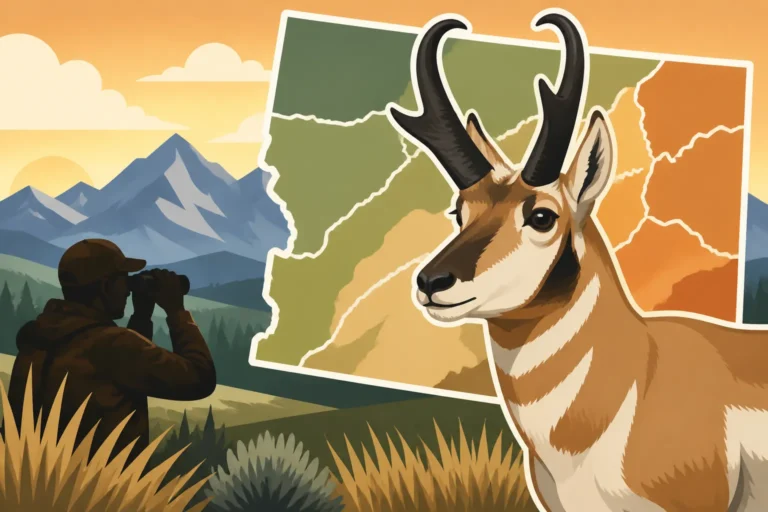
The Eastern Plains are synonymous with pronghorn, the fastest land mammal in North America. These incredible animals thrive in the open, expansive grasslands, where their eyesight, speed, and herd dynamics offer a thrilling chase. They are found throughout the eastern half of the state, often sharing pastures with cattle and moving between vast tracts of public and private land.
Hunting pronghorn is primarily a spot-and-stalk affair. Their exceptional eyesight means you'll often spot them long before they see you, but getting within rifle or bow range requires meticulous planning, understanding the terrain for cover, and a healthy dose of patience. Decoy tactics can also be highly effective during the rut. If you're looking for an exciting, fast-paced hunt that doesn't involve steep mountains, the Eastern Plains and their abundant pronghorn are an excellent choice. Our Colorado Pronghorn Hunting Guide goes into depth on specific strategies.
Whitetail Deer in the River Bottoms
While Colorado is famed for its mule deer, healthy populations of whitetail deer thrive along the major river systems of the Eastern Plains, such as the South Platte, Arkansas, and Republican rivers. These deer are typically found in the dense riparian corridors, utilizing the thick cover provided by cottonwood galleries, willow thickets, and agricultural fields for food. Unlike their mountain-dwelling mule deer cousins, whitetails are masters of evasion in heavy cover.
Hunting whitetails on the plains often involves stand hunting, still-hunting through river bottoms, or focusing on pinch points and travel corridors between bedding areas and food sources. Access can be a significant challenge, as much of this prime whitetail habitat is on private land. However, with permission, or by targeting specific State Wildlife Areas or Walk-In Access properties, a rewarding hunt for a plains whitetail is certainly possible.
Other Eastern Plains Opportunities
Beyond pronghorn and whitetail, the Eastern Plains also offer some opportunities for other species. Small game hunting, particularly for cottontail rabbits and various upland birds, is popular. There are also limited opportunities for plains elk, especially in specific units where herds have expanded their range from the foothills. These plains elk hunts are often highly sought after and can present unique challenges, as elk in open country behave very differently than their mountain counterparts.
Black bears are less common on the truly open plains but can be found in the more broken, timbered river bottoms or along the foothills where the plains meet the mountains. For hunters seeking a diverse experience, the Eastern Plains offer a contrasting but equally exciting chapter to the Colorado hunting story, proving that big game isn't just confined to the high country.
Choosing Your Hunt: Matching Species to Region and Effort
With such incredible diversity in Colorado's big game offerings, the real challenge often becomes choosing where and what to hunt. It's not just about drawing a tag; it's about matching your personal hunting style, physical capabilities, and expectations to the realities of the landscape and the species you're pursuing.
Considerations for DIY Hunters
For the do-it-yourself hunter, understanding the regional distribution of species is the first step in planning a successful trip. If your heart is set on elk, you'll be focusing your efforts on the mountainous western half of the state, delving into resources like Best Colorado Units for Elk Hunting in Colorado to pinpoint specific GMUs. If you're dreaming of a trophy mule deer, you might consider areas of the Western Slope or specific units in the central mountains known for producing big bucks. For pronghorn, the Eastern Plains are your playground.
Beyond species, consider the type of DIY hunt you want. Are you planning a rigorous backcountry pack-in trip into a wilderness area? Then you'll need to focus on regions like the Flat Tops, San Juans, or other remote mountain ranges. Or are you looking for a more accessible hunt closer to roads, perhaps for a first-time experience on Colorado Public Land Hunting Guide? Your choice of region will dictate the gear you need, the physical conditioning required, and the tactics you'll employ.
Leveraging Tools for Regional Insights
In today's hunting world, digital scouting tools are indispensable, especially for navigating the complexities of Colorado's regions. Platforms like GoHunt provide invaluable resources, from detailed GMU information and draw odds to mapping overlays that show public/private land, vegetation types, and topographic features. You can use these tools to virtually scout different regions, identify potential bedding areas, water sources, and travel corridors, even before you set foot in the field.
By analyzing data available through such platforms, you can gain a deeper understanding of herd sizes in specific areas, success rates for particular units, and the amount of preference points typically needed to draw a tag in a given region. This kind of detailed information allows you to make informed decisions, whether you're building points for a dream moose tag in North Park or planning an over-the-counter elk hunt in the White River. Combining this digital knowledge with a solid understanding of How to E-Scout Colorado Units will dramatically increase your chances of success.
Balancing Expectations and Opportunity
Ultimately, choosing your Colorado hunt is about balancing your expectations with the realistic opportunities available. If you're a non-resident without preference points, you might focus on over-the-counter elk units in the mountains for your first few years, which are predominantly found in the central and western parts of the state. If you have a decade of points, you might be looking at a draw-only unit for a high-quality elk or mule deer hunt, or even setting your sights on a difficult-to-draw moose tag in the northern willow bottoms.
Every region and every species offers a unique set of challenges and rewards. Whether you're chasing elk through the timbered slopes of the San Juans, spot-and-stalking pronghorn across the open Eastern Plains, or patiently glassing for mule deer in the sagebrush country of the Western Slope, Colorado truly has something for every big game hunter. The key is to research, prepare, and choose a region that aligns with your hunting goals and abilities.
Regional Big Game Species Overview
To help visualize the diversity, here's a quick overview of primary big game species found in Colorado's major hunting regions. Remember, this is a generalization, and species distribution can vary within a region based on specific habitat and elevation.
| Region | Primary Big Game Species | Typical Terrain & Habitat | Common Hunting Methods | Key Considerations |
|---|---|---|---|---|
| Northern Colorado | Elk, Mule Deer, Moose | Dense conifer forests, aspen groves, sagebrush flats, willow bottoms, high mountains | Archery, Rifle, Muzzleloader; calling, spot-and-stalk, still-hunting | High elevation, dense timber, limited moose tags |
| Western Slope & Central Mountains | Elk, Mule Deer, Bear | Vast national forests (White River, Grand Mesa, Uncompahgre), high alpine, pinyon-juniper foothills | Archery, Rifle, Muzzleloader; spot-and-stalk, calling, glassing | Large elk herds, significant hunter pressure, rugged terrain |
| Southern Colorado | Elk, Mule Deer, Bear, Bighorn Sheep, Mountain Goat | Steep San Juan Mountains, remote wilderness, deep canyons, high peaks | Backcountry, spot-and-stalk, extreme physical demands, draw-only for sheep/goat | Extremely rugged, remote, high-altitude challenges |
| Eastern Plains | Pronghorn, Whitetail Deer, some Plains Elk, Bear | Open grasslands, agricultural fields, riparian corridors (river bottoms), rolling hills | Spot-and-stalk (pronghorn), stand hunting (whitetail), decoying | Open country, private land access challenges, specific whitetail habitat |
Disclaimer
Hunting is an inherently dangerous activity. This guide provides general information and recommendations only. Always consult the most current Colorado Parks and Wildlife (CPW) regulations and season dates before planning any hunt. Hunter safety courses are mandatory for many individuals, and all hunters should prioritize safety, ethical hunting practices, and respect for wildlife and the land. The information provided herein is not a substitute for official regulations or professional guidance.