Colorado Mule Deer Hunting: Spot-and-Stalk Tactics
The majestic mule deer buck, with his towering antlers and keen senses, presents one of Colorado's most exhilarating hunting challenges. Many hunters dream of slipping in close, undetected, but often find themselves busted by a flicker of movement or a sudden shift in wind. This guide is here to walk you through the nuanced art of spot-and-stalk hunting for mule deer in the rugged Colorado landscape, giving you the tactics and mindset to increase your odds of success.
The Philosophy Behind Spot-and-Stalk Mule Deer Hunting
Spot-and-stalk isn't just a hunting method; it's a deep dive into understanding your quarry and the terrain. It demands patience, keen observation, and the ability to adapt. For Colorado mule deer, it’s often the most effective and rewarding way to pursue these intelligent animals, especially in their preferred high-country habitats.
Why Spot-and-Stalk for Colorado Mule Deer
Mule deer are creatures of habit but masters of concealment. Unlike whitetails, which often rely on dense cover, mule deer frequently inhabit more open, broken terrain—think sagebrush flats, aspen groves, and rocky slopes where they can use their incredible eyesight and hearing to detect threats from a distance. This is precisely why the spot-and-stalk method shines. You're not waiting for them to come to you; you're actively locating them, studying their movements, and then devising a plan to close the distance.
The vastness of Colorado's public lands, from the sprawling Bureau of Land Management (BLM) acreage to the millions of acres within National Forests like the White River or San Juan, means covering ground and finding deer is paramount. Spot-and-stalk allows you to systematically glass large areas, identify deer, and then engage. It's an active, dynamic form of hunting that keeps you engaged with the landscape and the animals, offering a sense of accomplishment whether you pull the trigger or not. This approach truly embodies the spirit of a challenge, pitting your skills against the deer's instincts.
Understanding Mule Deer Behavior and Habitat
To successfully spot and stalk a mule deer, you must first understand their world. Mule deer in Colorado thrive across diverse habitats, from the plains to alpine basins, but they generally prefer areas with a mix of cover for bedding, open spaces for feeding, and plenty of escape routes. Their daily patterns often involve feeding in the early morning and late evening, usually in more open areas or along the edges of timber, and bedding down during the middle of the day in shaded, secure spots that offer good visibility and protection from the elements.
During the rut, typically in November, mule deer behavior shifts dramatically. Bucks become less cautious, actively seeking does, and can sometimes be found in unexpected places. Understanding Colorado Mule Deer Rut Explained is critical. Outside the rut, bucks often form bachelor groups, especially in the high country, and can be found in more predictable patterns. They utilize thermal currents that rise in the morning and fall in the evening to detect predators, so paying attention to wind direction is crucial. Knowing their preferred food sources, water access, and bedding areas will help you narrow down your search and anticipate their movements. Tools like GoHunt can be invaluable here, offering detailed maps and data to pinpoint these critical habitat features even before you set foot in the field, helping you understand Colorado Mule Deer Habitat Explained.
Essential Gear for Spot-and-Stalk Success
Successful spot-and-stalk hunting isn't about having the most expensive gear, but rather the right gear that complements your strategy. Every item should contribute to your ability to locate deer, remain concealed, and make an ethical shot. Cutting corners on crucial items can lead to frustration and missed opportunities.
Optics are Your Best Friend
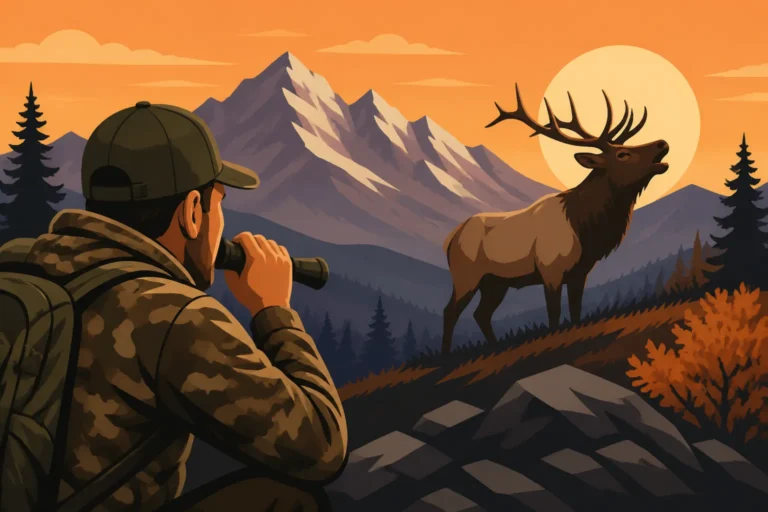
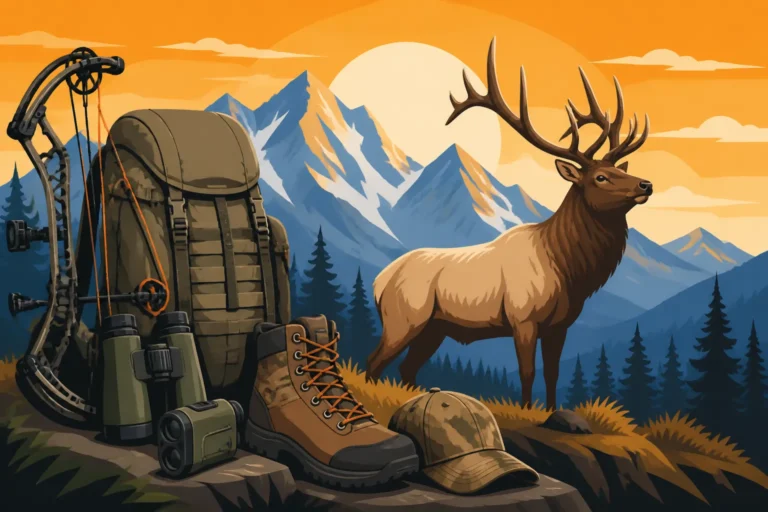
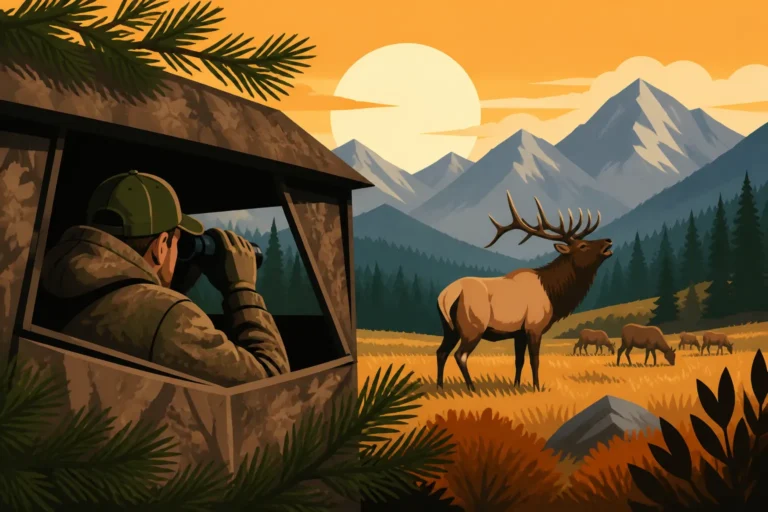
Without quality optics, spot-and-stalk hunting for mule deer is essentially blind luck. Your binoculars, spotting scope, and rangefinder are your primary tools for locating and evaluating deer from a distance, allowing you to "hunt with your eyes." A good pair of 10×42 or 12×50 binoculars are indispensable for glassing vast expanses. They should be clear, durable, and comfortable to use for extended periods. When you're trying to pick apart distant dark timber or the far side of a basin, a spotting scope (20-60x or 25-75x magnification) mounted on a sturdy tripod is non-negotiable. This allows you to confirm if that distant speck is indeed a deer, and more importantly, if it's a buck worth pursuing and to How to Judge a Colorado Mule Deer Buck.
A reliable rangefinder is also vital for ethical shooting. Mule deer in Colorado are often found in broken, mountainous terrain where judging distance accurately can be incredibly difficult, especially when shooting uphill or downhill. A rangefinder with angle compensation is highly recommended. You might also find specialized apps, often integrated with platforms like GoHunt, useful for saving waypoints of spotted deer and planning your routes across varied terrain, providing a valuable advantage for How to Use Optics for Colorado Mule Deer.
Footwear and Clothing for Stealth
Your feet and your clothing are your connection to the ground and your protection from the elements, but also a major factor in your stealth. Choosing the right boots is paramount for navigating Colorado's rugged, often steep and rocky terrain. Look for boots that offer excellent ankle support, stiff soles for stability, and reliable waterproofing, like those from Schnee's or Kenetrek. They need to be broken in long before your hunt to prevent blisters and discomfort that can derail a stalk.
Your clothing system should be focused on layering, noise reduction, and camouflage. Colorado weather is notoriously unpredictable; you might start a morning hunt in freezing temperatures and end up sweating in the afternoon sun. Layers allow you to adapt. Choose fabrics that are quiet, especially outer layers, to avoid spooking deer with rustling sounds as you move through brush or timber. Modern technical fabrics from brands like Sitka Gear or Kuiu are designed for this. Earth tones or camouflage patterns that break up your silhouette are essential for blending into the environment, especially during the final stages of a stalk. Think about how to effectively How to Move Quietly Through Colorado Timber with your gear choices.
Backpacks and Shooting Aids
A well-organized backpack is crucial for carrying your essentials for a day in the field, from extra layers and food to water and emergency supplies. For spot-and-stalk hunting, your pack should be comfortable, quiet, and capable of carrying your optics and potentially a quartered animal. A pack around 30-50 liters is often a good size for day hunts, offering enough space without being overly bulky. Brands like Mystery Ranch and Kifaru are popular choices among serious Western hunters.
A shooting aid, whether it's a set of trekking poles that double as a bipod, a dedicated tripod, or even a simple bipod attached to your rifle, is incredibly important for making a steady shot in the field. Unlike range shooting, where you have a bench, hunting often requires shooting from awkward positions on uneven ground. Trekking poles can provide surprisingly stable support and are also invaluable for maintaining balance and reducing fatigue while navigating steep, broken country. Remember, every little bit of stability helps when that trophy buck finally presents itself.
| Gear Item | Purpose | Key Features for Spot-and-Stalk |
|---|---|---|
| Binoculars | Locating deer, general glassing | 10×42 to 12×50, clear glass, durable, comfortable |
| Spotting Scope | Detailed evaluation of distant deer, confirming species/sex | 20-60x or 25-75x, lightweight, clear optics, stable tripod compatible |
| Rangefinder | Accurate distance measurement for ethical shooting | Angle compensation, reliable to 1000+ yards, fast readings |
| Boots | Foot protection, traction, support | Stiff sole, excellent ankle support, waterproof, broken-in |
| Layered Clothing | Temperature regulation, concealment, stealth | Quiet fabrics, moisture-wicking, insulation layers, outer shell |
| Backpack | Carrying gear, supplies, and potentially meat | Comfortable, quiet, adequate capacity (30-50L for day hunts), sturdy frame |
| Shooting Sticks/Tripod | Stable shooting platform in varied terrain | Lightweight, adjustable height, quick deployment, durable materials |
Mastering the Art of the Stalk
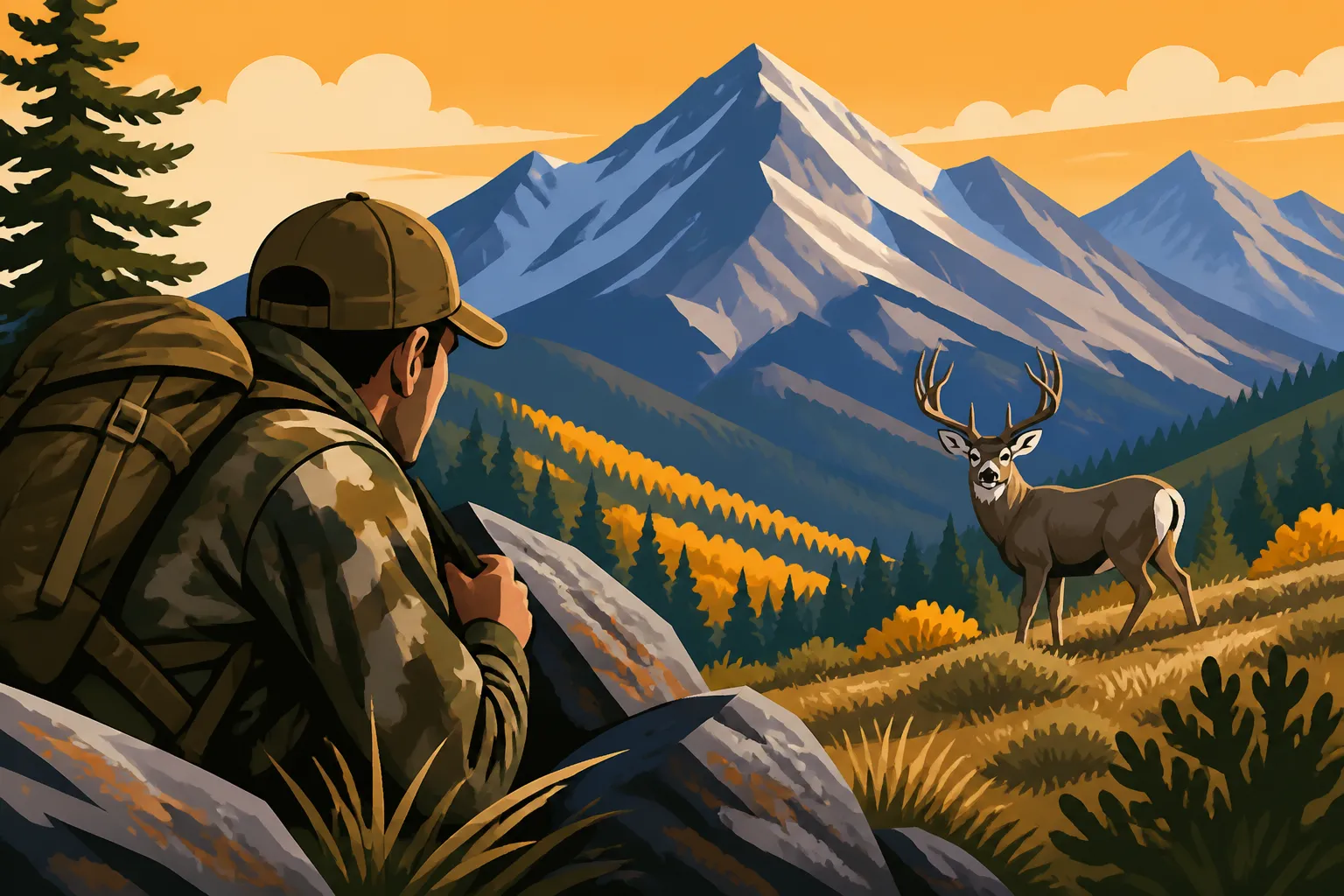
Once you’ve spotted a mule deer buck you want to pursue, the real challenge begins. The stalk is a chess match against an animal with superior senses, and every move you make, or don’t make, can determine success or failure. This phase requires extreme discipline, patience, and a deep understanding of the environment.
Locating and Evaluating Your Buck
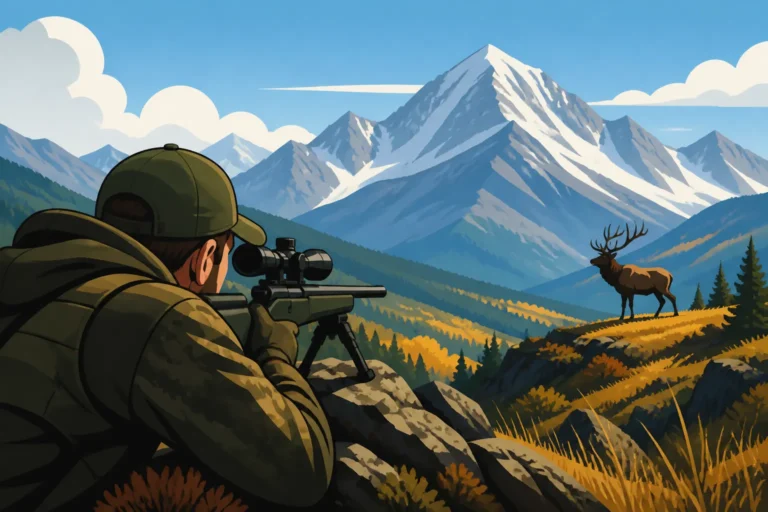
Before you even think about moving, spend significant time glassing the buck and his surroundings. This is the most crucial step in How to Glass for Colorado Mule Deer. Use your spotting scope to confirm it's the buck you want and observe his behavior. Is he feeding, bedding, or moving? Is he alone or with a group of does or other bucks? Pay close attention to the terrain immediately around him: are there any obstacles, ravines, or ridges that could provide cover? Note the wind direction meticulously, as this will dictate your approach. Look for any other animals, especially those notorious for blowing an otherwise perfect stalk, like smaller deer, elk, or even marmots.
Use your map, whether it's a physical topographical map or a digital one on an app like GoHunt, to analyze the contours of the land between you and the deer. Mark his exact location, and identify potential routes that offer the most cover and the best wind advantage. Don't rush this part. Many stalks are ruined before they even begin because hunters get excited and charge in without proper reconnaissance. A good rule of thumb is to spend at least as much time planning your approach as you anticipate the stalk itself will take.
Planning Your Approach
With your buck located and evaluated, it's time to map out your exact approach. Your primary goals are to stay out of sight, keep the wind in your favor, and move quietly. Consider these factors:
- Wind Direction and Thermals: Always approach from downwind. In mountain terrain, thermals often rise in the morning and fall in the evening. This means that if you're stalking in the morning, you'll generally want to stay below the deer, letting your scent rise above him. In the evening, you'll want to stay above him, as scent will fall. How to Use Thermals in Colorado Elk Country principles apply directly to mule deer. Use small pieces of milkweed, powder, or a wind indicator to constantly check air currents as you move.
- Cover and Terrain Features: Utilize every fold in the terrain, every rise, every clump of trees, and every rock outcrop for concealment. Avoid skylining yourself on ridges. If you must cross an open area, time it with the deer's head down, or when he's obscured by vegetation. Sometimes, a longer, more circuitous route that offers better cover is far superior to a direct but exposed one. Remember, the goal is to disappear into the landscape.
- Sun Position: Try to keep the sun at your back or to your side, ideally not shining directly into your eyes or reflecting off your gear, which could alert the deer. Also, consider the sun's position relative to the deer; having it in their eyes can sometimes work to your advantage, making it harder for them to spot you.
Executing the Stalk
Now for the action. Begin your approach slowly, deliberately, and with utmost caution. Every step should be intentional. Place your foot down softly, testing the ground before committing your full weight. Avoid stepping on dry twigs or loose rocks that can create noise. This meticulous movement is key, especially when you are trying to How to Hunt Elk in the Dark Timber which also applies to deer. Move when the deer isn't looking, or when its attention is diverted. If the deer raises its head or stares in your direction, freeze immediately and remain motionless until it relaxes.
As you get closer, your senses will be heightened. Listen for the crunch of hooves, the rustle of leaves, or the soft blowing of a deer. Keep checking your wind. When you reach a point where you believe you can make an ethical shot, assess the situation. Can you get a clear shot? Is the deer calm? Do you have a stable rest? Don't force a shot if the conditions aren't ideal. Sometimes, the best move is to wait, even for hours, until the deer moves into a more favorable position or offers a better angle. This extreme patience is often the difference between success and failure in Colorado Mule Deer Hunting: Rifle Tactics or Colorado Mule Deer Hunting: Archery Tactics.
Overcoming Common Spot-and-Stalk Challenges
Spot-and-stalk hunting for mule deer is fraught with challenges. The mountain environment, the deer's innate senses, and your own human limitations all conspire against you. Recognizing these obstacles and having strategies to overcome them is crucial.
Dealing with Wind and Thermals
Wind is arguably the single biggest challenge in mule deer hunting, especially in the mountains. It's often swirling, unpredictable, and can change directions in an instant. A sudden shift in wind can carry your scent directly to a bedded buck, ending your stalk in a heartbeat. Don't just check the wind at the start of your hunt; continually monitor it as you move. Small changes in topography can create localized swirling winds, even if the general wind direction seems consistent.
Thermals, as mentioned earlier, are predictable air currents that move uphill in the morning as the ground warms and downhill in the evening as it cools. Understanding this pattern, along with How to Use the Wind Hunting Colorado Elk, is fundamental. Plan your entire approach around keeping the wind (and thermals) in your favor. If the wind becomes truly erratic and unpredictable, it might be best to pull back and try again later, or shift your focus to another area where the wind is more stable. Trying to force a stalk in bad wind conditions is a recipe for failure and often leads to educating the deer.
Navigating Difficult Terrain
Colorado's mule deer often inhabit incredibly rugged and steep country, from the high peaks of the Sangre de Cristo Mountains to the deep canyons of the Uncompahgre Plateau. This terrain presents significant physical and logistical challenges. Steep slopes, loose scree, thick timber, and dense brush can make moving quietly and efficiently almost impossible. This is where your physical conditioning and choice of footwear truly matter.
When navigating tricky terrain, slow down even more. Pick your steps carefully, using any handholds necessary to maintain balance. If you encounter a patch of noisy ground cover, like dry leaves or brittle branches, look for an alternative route, even if it means a slight detour. Sometimes, it means crawling on your hands and knees through brush to stay hidden and silent. Remember the lesson in Colorado Backcountry Hunting Guide: conserve energy, move deliberately, and prioritize stealth over speed. Don't be afraid to take breaks to rest and re-evaluate your position. The deer isn't going anywhere fast, and rushing could be your undoing.
The Mental Game of the Stalk
Beyond the physical and technical aspects, spot-and-stalk hunting for mule deer is a profound mental challenge. Patience is tested by long hours of glassing without seeing anything, or by a slow, tedious stalk that seems to take forever. Frustration can set in when a perfect stalk is blown by an unseen squirrel or a sudden gust of wind. It's easy to get discouraged, but successful hunters learn to manage these emotions.
Stay positive and persistent. Every blown stalk is a learning experience, an opportunity to refine your tactics for next time. Embrace the challenge and enjoy the process. The anticipation, the strategic thinking, and the close encounter are all part of the unique thrill. Don't let buck fever or impatience override your good judgment during the crucial final moments. Take deep breaths, steady yourself, and focus on the task at hand. The mental toughness to stick with it, even when things get tough, is what truly separates successful spot-and-stalk mule deer hunters in Colorado.
Disclaimer
Hunting is an inherently dangerous activity. This guide provides information for educational purposes only. Always prioritize safety, understand and follow all Colorado Parks and Wildlife regulations, and respect wildlife and the environment. Ensure you have proper licenses, tags, and hunting education before heading afield.