Colorado Elk Hunting: Archery Tactics
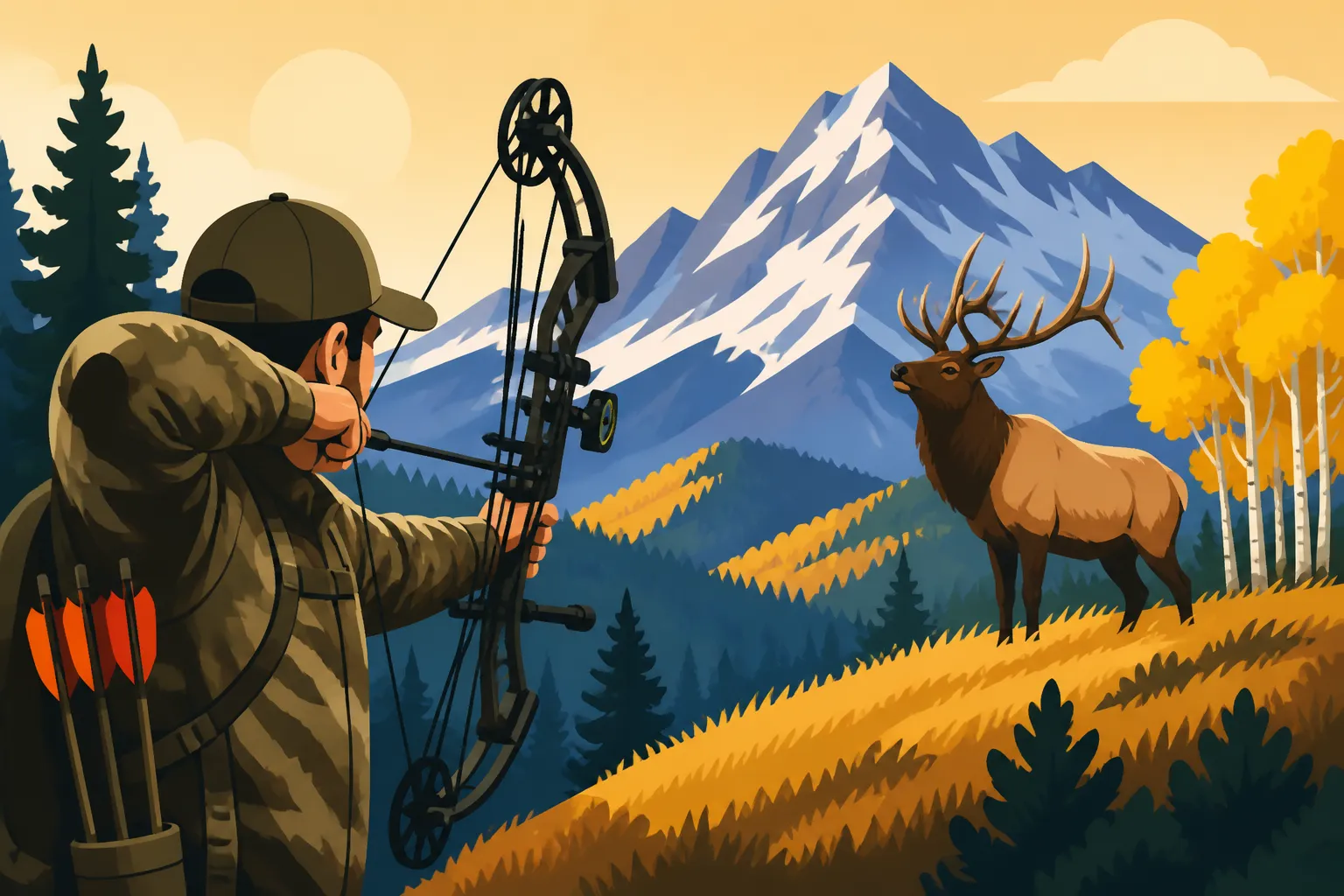
The crisp, high-altitude air of Colorado in early fall calls to many of us, but for archery elk hunters, that call often comes with a dose of intense challenge. Navigating vast wilderness, battling unpredictable weather, and trying to outsmart an animal with senses far keener than our own can feel like an impossible task. It’s a common frustration to work tirelessly into a prime setup, only for a bull to go silent or bust out before you can even nock an arrow. This guide is designed to cut through that frustration, offering proven archery tactics tailored specifically for hunting Colorado elk, helping you stack the odds in your favor.
Understanding Colorado Elk Behavior for Archery Success
Before you can even think about drawing your bow, you need to deeply understand the creatures you're pursuing. Elk are creatures of habit and opportunity, but those habits shift with the seasons, the weather, and especially the pressure they feel from hunters. Knowing their patterns and preferences is the cornerstone of any successful archery hunt in the Rockies.
Seasonal Movements and Habitat Preferences
Colorado's elk populations are incredibly dynamic, constantly moving between different elevations and habitat types depending on the time of year, available forage, and weather conditions. In the early archery season, typically August and early September, elk are often still in their high-country summer ranges. This means you might find them in alpine basins, above timberline, or in the fringes of dark timber adjacent to lush feed. They're focused on feeding heavily to build up reserves for the rut and the coming winter. During this period, bulls are often in bachelor groups, and cows are with their calves. Finding fresh sign, like tracks, rubs, and droppings, is key, but remember that these areas might be miles from the nearest road, requiring a significant packing effort.
As the season progresses towards the peak rut, usually mid-to-late September, bulls will start to descend slightly or move into more accessible timbered areas where cows are gathering. This is when vocalizations increase dramatically, and covering ground to locate active herds becomes paramount. After the rut, especially if hunting late archery seasons or the occasional early snow hits, elk will start to drop to lower elevations, seeking out winter range where forage is more accessible and snow depths are less extreme. Understanding these transitions is crucial for knowing where to focus your scouting and hunting efforts. You might want to check out our detailed guide on Colorado Elk: Where to Find Them for more location-specific advice.
The Elk Rut and Bowhunting Opportunities
The elk rut is, without a doubt, the most exciting and often most frustrating time for archery hunters. This is when bulls are most vocal and active, bugling, sparring, and herding cows. The sheer volume of elk vocalizations can make finding them easier, but it also means they are often distracted, agitated, and constantly on the move, presenting unique challenges for a bowhunter trying to get within 40 yards.
During the peak rut, bulls are driven by the urge to breed, making them less cautious than other times of the year, but also more unpredictable. They can charge in aggressively, or hang up just out of range, bugling incessantly. It's a game of chess where you're trying to anticipate their next move. Successful rut hunting often involves active calling, setting up quickly, and having the patience to let the scenario unfold. This is where mastering different How to Bugle for Colorado Elk and How to Cow Call Colorado Elk can really pay off. Understanding Archery Elk Tactics for the Rut is critical to capitalizing on this narrow window of opportunity.
Adapting to Pressure on Public Land
Colorado is renowned for its vast public lands, and while this offers incredible hunting opportunities, it also means you're sharing the mountain with other hunters. Hunter pressure is a significant factor, especially in easily accessible areas and during the more popular rifle seasons, though it certainly impacts archery season too. Elk learn quickly, and increased human presence will make them more wary, silent, and likely to retreat into thicker cover or steep, difficult-to-access terrain.
To counteract pressure, consider targeting wilderness areas or units that require significant effort to access, such as those found in a Colorado Backcountry Hunting Guide. This often means backpacking in several miles, establishing a spike camp, and hunting further from roads or trails. Alternatively, focus your efforts during weekdays when many hunters are at work, or concentrate on overlooked pockets of public land, such as north-facing slopes or extremely dense timber, where elk feel secure. E-scouting tools like GoHunt can be invaluable for identifying these areas before you even set foot in the woods, showing you public land boundaries, terrain features, and even recent hunt data to help you pinpoint less-pressured zones. Also, learning How to Hunt Elk on Public Land Pressure will greatly improve your chances.
Essential Archery Tactics for Colorado Terrain
Once you understand elk behavior, it's time to put that knowledge into action with specific tactics designed to bring an elk into bow range in the rugged Colorado landscape. This isn't just about shooting; it's about strategy, woodsmanship, and sometimes, a little bit of luck.
Mastering Calling Strategies
Calling is perhaps the most iconic and effective archery tactic for elk, especially during the rut. It's about speaking their language and drawing them into a position for a shot. However, effective calling is nuanced and requires understanding when to call, what to call, and how to set up.
| Call Type | Purpose | When to Use It | Common Pitfalls |
|---|---|---|---|
| Bugle | Challenge, locate, attract cows | Locating bulls, challenging a bull during rut, attracting cows | Overcalling, calling too aggressively to non-dominant bulls |
| Cow/Calf Mew | Social, soothing, locator | Attracting bulls, reassuring cows, drawing elk through timber | Calling too loudly, not sounding authentic, calling too often |
| Chuckle | Submissive, curious | Used by bulls, can draw another bull closer to investigate | Using it without a primary bugle, sounding unnatural |
| Estrus Chirp | Cow in heat, inviting | Highly effective during peak rut to entice bulls | Only works if a bull is actively looking for cows, can be overused |
When you hear a bull bugle, it's tempting to immediately return fire. Resist that urge sometimes. Often, a soft cow call first can pique his interest more effectively. If he responds, then you can try a bugle to challenge him. Always remember wind direction; elk have an incredible sense of smell, and you don't want your scent carried directly to them. Setting up with your shooter out front and caller 20-40 yards behind, to draw the elk past the shooter, is a classic and effective strategy. Our guide on How to Call in a Silent Bull offers more advanced tips for those tricky situations.
The Art of Spot-and-Stalk
While calling is king during the rut, spot-and-stalk is a deadly tactic throughout the entire archery season, especially in more open terrain or when elk are quiet. This method requires sharp optics, patience, and meticulous movement. It’s an incredibly rewarding way to hunt when done right, and absolutely heartbreaking when it goes wrong.
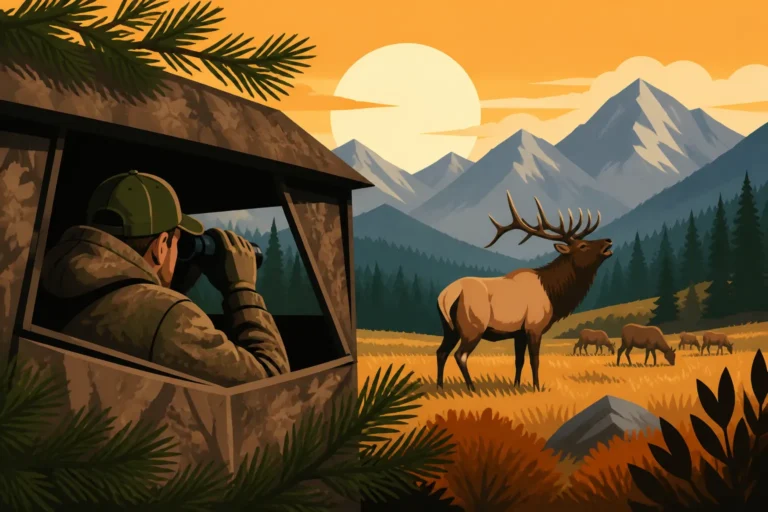
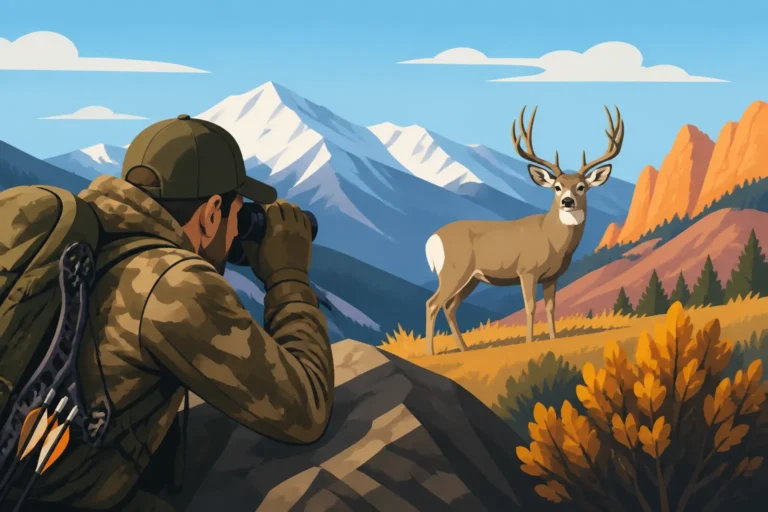
The process typically starts with glassing — using binoculars or a spotting scope from a high vantage point to locate elk. This might mean spending hours scanning distant hillsides, alpine meadows, or timber fringes. Once elk are spotted, the real work begins. You need to plan your approach, considering wind, thermals, terrain features for cover, and potential escape routes for the elk. A good stalk involves moving slowly, quietly, and deliberately, often taking an hour or more to cover what might look like a short distance on a map. Always keep the wind in your face or quartering to you. Utilize every dip, rise, and tree for concealment. If you're wondering How to Glass Big Colorado Basins, we have an article dedicated to that. The goal is to get within bow range undetected, which might be 20, 30, or even 50 yards depending on your comfort and practice. Remember, moving quietly through Colorado timber is a skill in itself and takes immense concentration.
Utilizing Ambush Points and Water Sources
Sometimes, the most effective archery tactic is simply to let the elk come to you. This is where setting up on ambush points or actively hunting water sources can shine, especially outside the peak rut or in heavily pressured areas.
Elk, like all animals, need water. In dry years or during hot early season hunts, water holes and wallows become magnets. Scout for these locations, paying attention to fresh tracks and mud churned up by elk using them. Setting up a ground blind or finding natural cover downwind of a water source can put you in a prime position. Similarly, understanding elk travel patterns can lead you to natural ambush points. Elk often use the same benches, saddles, and drainages as travel corridors between feeding and bedding areas. By identifying these consistent routes, often through extensive e-scouting with tools like GoHunt and boots-on-the-ground scouting, you can set up well in advance, camouflaged and ready. For more specific tactics, check out How to Hunt Elk Wallows in Colorado and How to Hunt Elk Water Holes. These passive methods require patience but can be incredibly effective for wary elk who avoid calls.
Physical and Mental Preparation for Archery Elk Hunts
Colorado's elk country is stunning, but it's also relentlessly demanding. Your success with a bow in hand will be heavily influenced by your physical conditioning and your mental toughness. These aren't just suggestions; they are prerequisites for a safe and effective hunt.
Building Mountain Fitness
Hunting elk in Colorado is not a walk in the park. You'll be climbing steep elevations, often at altitudes well above 8,000 feet, sometimes pushing 10,000 or even 12,000 feet. The air is thin, and your body will feel it. Carrying a heavy pack, navigating uneven terrain, and potentially packing out an elk quarter mile after mile is incredibly taxing.
Start your fitness regimen months, not weeks, before your hunt. Focus on cardiovascular endurance (hiking, running, stair climbing) and strength training, especially for your legs and core. Incorporate weighted pack training into your routine – hike with the same weight you anticipate carrying on the mountain. Simulate hunting conditions by doing uphill sprints or stair climbs with your pack on. Don't underestimate the importance of strong ankles and knees; uneven terrain is a constant. Many hunters find that following a Colorado Elk Hunt Fitness Plan specifically designed for mountain hunting makes all the difference. Remember, being fit means you can hunt longer, recover faster, and stay focused when that shot opportunity finally arises. It also directly impacts your ability to perform a proper How to Pack Out an Elk in Colorado if you're successful.
Sharpening Your Archery Skills
Hitting a stationary target on flat ground is one thing; making an ethical shot on a wary elk after a grueling climb, with adrenaline pumping, is entirely another. Archery proficiency is non-negotiable. Practice, practice, practice!
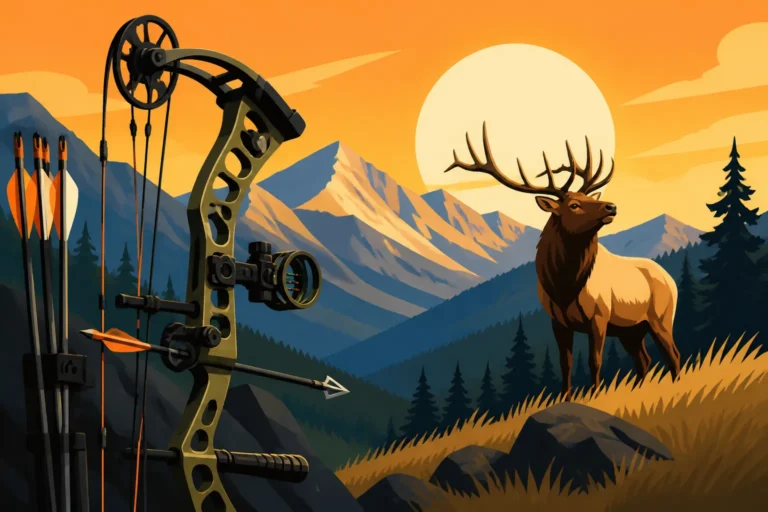
Regularly shoot your bow from varying distances, from close-range (20 yards) to your maximum ethical shooting distance (often 50-60 yards for most experienced bowhunters). Incorporate shooting at steep angles, both uphill and downhill, as this is a common scenario in Colorado's mountains. Practice shooting after elevated heart rates – do a set of burpees or run a short distance, then immediately grab your bow and shoot. This simulates the stress and physical exertion of a real hunting situation. Know your pins inside and out. Ensure your broadheads are tuned perfectly with your field points. This meticulous preparation is what builds confidence when that moment of truth arrives. For specific guidance, look into Best Archery Setups for Colorado Elk.
Mental Fortitude and Patience
Elk hunting, especially with a bow, is as much a mental game as it is a physical one. You will face challenges: bad weather, missed opportunities, silent elk, endless miles with no sign, and the sheer physical grind. These moments can be disheartening and test your resolve.
Mental toughness means staying positive and persistent even when things are tough. It means accepting that failure is part of the process and learning from every experience. Patience is also paramount. Rushing a stalk, calling too aggressively, or giving up on a promising area too soon are common mistakes. A big bull might take hours to respond to a call, or a stalk might require a full day of meticulous movement. Have faith in your preparation, trust your instincts, and be willing to endure discomfort. The mountains will demand everything you have, but the reward of a successful archery elk hunt is unparalleled.
Disclaimer
Hunting is a challenging and potentially dangerous activity. Always prioritize safety, understand and follow all Colorado Parks and Wildlife regulations, and respect private land boundaries. This guide provides general information and tactics, but individual hunting situations vary greatly. Hunters should always scout their chosen areas thoroughly, practice ethical hunting methods, and ensure they are physically and mentally prepared for the demands of a Colorado elk hunt.