Colorado GMU 23 Hunting Guide
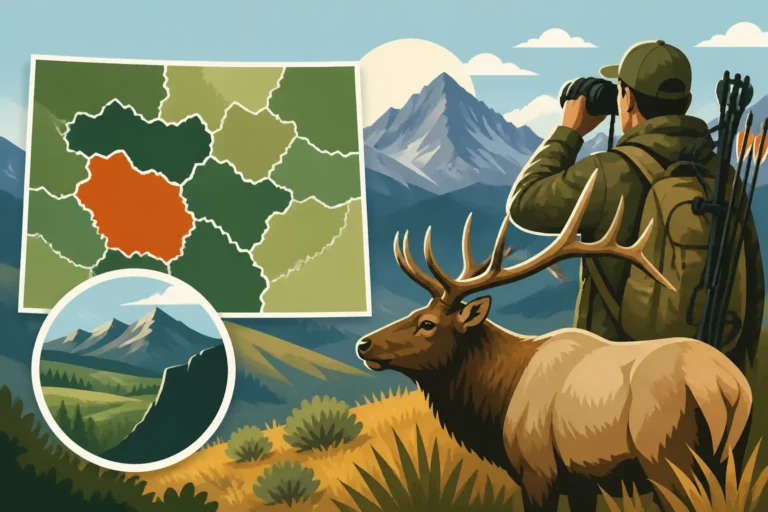
Trying to plan a hunt in a specific Colorado Game Management Unit (GMU) can feel like deciphering a secret code, especially when you're looking at a unit like GMU 23. It's easy to get overwhelmed by the sheer volume of information, or lack thereof, when you just want to know what to expect and how to maximize your chances. This guide aims to pull back the curtain on hunting in Colorado's GMU 23, offering a detailed breakdown of its terrain, wildlife, and practical strategies to help you plan a successful and rewarding experience.
Navigating the Unique Landscape of Colorado GMU 23
GMU 23 is situated in the rugged, expansive country of northwest Colorado, a region known for its diverse habitats and significant elk and mule deer populations. It's not a unit you can just show up to and expect immediate success; understanding its varied landscape is the first critical step toward a productive hunt. This unit presents a classic Western hunting challenge, blending vast tracts of public land with scattered private holdings, all against a backdrop of varying elevations and cover.
Geographic Features and Terrain Diversity
GMU 23 covers a significant portion of the White River National Forest, offering hunters access to vast swaths of national forest land. The topography here is a mix of high-country timber, open sagebrush parks, steep drainages, and aspen groves that ignite in brilliant color during the fall. Elevations can range dramatically, from around 6,000 feet in some of the lower river bottoms up to over 10,000 feet in the higher plateaus and ridges. This diverse terrain means elk and deer can utilize different habitats depending on the season, weather, and hunting pressure. You might find elk tucked deep into dark timber on north-facing slopes, or mule deer browsing on south-facing sagebrush hillsides in the early morning. Understanding these microhabitats is key.
The unit is characterized by several major drainages, including portions of the White River itself, that carve through the landscape, creating natural travel corridors and feeding areas. Access points are available from various state highways and county roads, but many of the most productive areas require significant hiking, horseback riding, or off-road vehicle access (where permitted). For those looking to dive deep into these remote pockets, a solid understanding of Colorado Backcountry Hunting Guide techniques will be invaluable.
Public and Private Land Dynamics
Like many GMUs in Colorado, GMU 23 is a patchwork of public and private lands. While there is ample public ground, particularly within the White River National Forest, private ranchland is interspersed throughout, especially in lower elevations and near agricultural areas. This creates a complex puzzle for hunters. It's absolutely crucial to know your boundaries to avoid trespassing, which can swiftly end a hunt and lead to serious legal trouble.
Utilizing a reliable mapping application like onX Hunt is non-negotiable here. It clearly delineates public and private property lines, often showing landowner names, allowing you to scout and navigate with confidence. Without such tools, you risk unintentionally straying onto private land, especially in areas where public access might be limited to narrow strips or easements. Remember, elk and deer don't recognize property lines, and often transition between public and private land, especially during periods of heavy pressure or during the rut. Scouting these transition zones can be highly effective, but always respect private property. Knowing the rules for How to Get Landowner Permission in Colorado can also open up additional opportunities.
Unlocking Hunting Opportunities in GMU 23: Species and Seasons
GMU 23 is primarily renowned for its excellent elk and mule deer hunting. While bear and other small game are present, these two species draw the majority of hunter interest. Each species presents its own set of challenges and opportunities, varying significantly across the different hunting seasons.
Elk Hunting in GMU 23
GMU 23 is part of the larger White River elk herd, one of the largest and healthiest elk populations in the world. This means there's a good chance to encounter elk, but it doesn't mean they'll be easy. Elk in this unit are found in varying habitats throughout the year, from the high alpine basins during the early archery season to lower, more timbered areas as snow starts to fall and hunting pressure mounts.
During the archery season, typically in September, the elk rut is often in full swing, offering exciting opportunities for calling. Hunters should focus on higher elevations, dense timber, and north-facing slopes where bulls will be bugling and cows are gathered. However, early season success can be tough, requiring extensive physical preparation as detailed in our guide on How to Physically Prepare for Colorado Elk. As the seasons progress into muzzleloader and rifle hunts, elk tend to move into thicker cover and often migrate to lower elevations as snow pushes them down from the high country. Learning How to Find Elk in Deep Timber becomes paramount, as does understanding their escape routes when pressured. For those interested in over-the-counter options, our guide on Colorado OTC Elk Tags Explained can provide further context, though specific rules for GMU 23 should always be verified with the latest CPW regulations.
Mule Deer Hunting in GMU 23
Mule deer are also a significant draw for hunters in GMU 23. While not as numerous as elk, the unit holds a healthy population, with bucks that can grow impressive antlers. Mule deer typically inhabit more open, brushy slopes, aspen stands, and rimrock country. Their behavior differs from elk, often making them more amenable to spot-and-stalk tactics.
Early season mule deer hunts (archery and early rifle) might find deer in higher elevations, particularly around feed sources like forbs and aspen leaves. As colder weather and snow arrive in late October and November, deer will often begin their migration to winter range, moving to lower elevations and south-facing slopes. This late-season movement can concentrate deer, but also means increased pressure from other hunters. Hunters should research Colorado Mule Deer Season Dates and Tags to align their trips with these seasonal movements. During these times, understanding How to Glass Big Colorado Basins effectively can greatly increase your chances of spotting a mature buck before he spots you.
Here's a quick overview of primary species and typical habitat preferences in GMU 23:
| Species | Primary Habitat (Summer/Early Fall) | Primary Habitat (Late Fall/Winter) | Key Hunting Tactic Suggestions |
|---|---|---|---|
| Elk | High elevation timber, dark timber, aspen groves | Lower elevation timber, south-facing slopes, dense cover | Calling (rut), still-hunting, ambushing travel corridors, hunting escape routes |
| Mule Deer | Open sagebrush hills, aspen stands, rimrock, high alpine | South-facing slopes, lower elevation browse, agricultural edges | Spot-and-stalk, glassing open country, ambushing migration routes, hunting during the rut |
| Black Bear | Dense timber, berry patches, oak brush, riparian areas | Similar to elk/deer winter range, near food sources | Spot-and-stalk (if permitted), hunting over natural food sources, hunting near water |
Other Opportunities: Black Bear
Colorado GMU 23 also offers opportunities for black bear. Bear hunting typically coincides with elk and deer seasons in the fall. Bear populations are healthy, and hunters often encounter them while pursuing elk or deer. Successful bear hunting often involves identifying areas with abundant natural food sources like berries or acorns, or scouting for fresh sign near water sources or dense cover. Fall bear tags are often over-the-counter or available through a draw, so check the current CPW regulations. Our guide on Colorado Black Bear Hunting Guide provides more general information to get started.
Effective Strategies for Hunting Success in GMU 23
Hunting in GMU 23, like much of Colorado, demands preparation, adaptability, and a willingness to work hard. It's not always about finding the most remote spot, but often about understanding animal behavior and hunter pressure dynamics.
E-Scouting and Pre-Season Planning
Before you ever set foot in GMU 23, dedicating significant time to e-scouting is crucial. Use tools like onX Hunt and satellite imagery to identify potential bedding areas, feeding zones, water sources, and travel corridors. Look for changes in vegetation, terrain features like saddles and benches, and areas of dense cover that might hold animals. Pay close attention to public land access points and any surrounding private land. You can identify potential pinch points or areas where elk or deer might be funneled.
Beyond mapping, dive into resources from Colorado Parks and Wildlife (CPW). Their harvest data, season reports, and game management plans can offer invaluable insights into population trends, success rates, and general animal distribution within the unit. Websites like GoHunt also provide detailed draw odds and data analysis which can inform your long-term planning, especially if you're aiming for a limited-draw tag in the future. Don't underestimate the value of researching historical weather patterns for your chosen season, as this can heavily influence animal movement. A thorough guide on How to E-Scout Before a Colorado Hunt can help you get started.
Tackling Hunter Pressure and Finding Elk Sanctuaries
GMU 23 is a popular hunting unit, especially during the rifle seasons. Hunter pressure can be significant, particularly on easily accessible public lands. This pressure pushes elk and deer into thicker cover, often deeper into national forest lands, or onto adjacent private properties. Your strategy for success in GMU 23 must account for this.
One effective tactic is to target areas that require more effort to access. Look at your maps for roadless areas, wilderness boundaries, or zones that are a few miles from the nearest trailhead. While everyone else is driving the forest roads, a willingness to How to Pack Into the Colorado Backcountry and hunt several miles off the beaten path can dramatically increase your chances of finding unpressured animals. Another strategy is to identify escape routes and refuge areas. When pressured, elk often move to the thickest timber, north-facing slopes, or steep, nasty canyons that most hunters avoid. Learning How to Ambush Elk on Public Land by understanding these patterns can be highly effective. Patience is also key; pressured animals often become active during mid-day lulls when most hunters are back at camp.
Adapting Tactics to Specific Seasons and Weather
The strategies you employ in GMU 23 will change dramatically depending on the season and prevailing weather conditions.
- Early Archery Season (September): Focus on the rut. Listen for bugles, and be prepared to call aggressively. Hunt high elevations, near water sources, and in aspen and dark timber. Be mindful of warmer temperatures and meat care. Colorado Archery Elk Hunting Guide offers more insights.
- Muzzleloader Season (September): This short, intense season overlaps with a portion of the rut. Similar tactics to archery but with the added challenge of muzzleloader limitations. Often high country hunts before major snows. Refer to Colorado Muzzleloader Hunting Guide for details.
- First Rifle Season (October): Often a limited-draw season. Elk are still typically at higher elevations, but starting to think about winter ranges. Pressure can be intense, so hunt smart and hard. Learn about How to Hunt Colorado 1st Rifle Season.
- Second and Third Rifle Seasons (Late October/Early November): These are often over-the-counter (OTC) units for elk, meaning very high hunter density. Weather can turn rapidly, bringing snow. Elk will be moving to lower elevations and dense cover. Focus on finding untouched pockets, hunting benches, and anticipating migration corridors. Mule deer are also often on the move.
- Fourth Rifle Season (Mid-November): Often a draw-only season. By now, deep snow can push animals down significantly, concentrating them. This can be a fantastic time for mule deer as their rut begins. Elk are post-rut and focused on feeding. This season presents unique challenges, as explored in How to Hunt Colorado 4th Rifle Season.
Always check the most current Colorado Parks and Wildlife (CPW) regulations for season dates, tag availability (draw vs. OTC), and specific unit restrictions, as these can change year to year.
Essential Preparation and Gear for a GMU 23 Hunt
Hunting Colorado's high country is physically demanding. Regardless of whether you're chasing elk or mule deer, proper physical conditioning and the right gear are non-negotiable for a safe and successful hunt in GMU 23.
Physical Conditioning and Altitude Acclimation
GMU 23's varied elevations mean you'll likely be hiking up and down steep terrain, potentially at altitudes above 9,000 feet. If you're coming from a lower elevation, the effects of altitude sickness can quickly derail your hunt. It's not just about being "in shape" for your local deer woods; it's about conditioning for the mountains. Focus on cardiovascular fitness, leg strength, and carrying a weighted pack. Regular hikes with your hunting pack filled with water or sandbags are excellent preparation.
Arriving a few days early to acclimate to the elevation is highly recommended. Stay hydrated, avoid excessive alcohol, and take it easy for the first 24-48 hours. Many hunters find that simply spending a night or two at a higher elevation base camp before beginning their strenuous hunt makes a huge difference. Our guide on Altitude Training for Colorado Hunting can provide a structured approach to getting ready.
Critical Gear Considerations for GMU 23
The right gear makes all the difference between a miserable and a successful hunt. Here’s a breakdown of what you’ll absolutely need:
- Optics: High-quality binoculars (10×42 or 12×50) and a spotting scope (15-45x or 20-60x) are indispensable for glassing the vast landscapes of GMU 23, especially for mule deer and locating distant elk. A rangefinder is also crucial for accurate shot placement in steep terrain. You can learn more in our guide on Best Optics for Colorado Big Game.
- Navigation: A GPS device and/or a reliable mapping app like onX Hunt loaded on your smartphone with downloaded offline maps. Always carry a physical map and compass as a backup, and know how to use them.
- Clothing: Layering is key for Colorado's unpredictable mountain weather. Pack moisture-wicking base layers, insulating mid-layers (fleece or puffy jacket), and a waterproof/windproof outer shell. Temperatures can swing wildly from freezing mornings to warm afternoons, and rain or snow can appear without warning. Consider reading How to Layer for a Colorado Elk Hunt.
- Footwear: Sturdy, broken-in hiking boots with good ankle support are a must. Waterproof boots are highly recommended. Bring extra socks! Our guide on Best Boots for Colorado Elk Hunting has detailed recommendations.
- Backpack: A comfortable, durable pack capable of carrying your day hunt essentials, plus extra clothing, food, water, and eventually, meat. If you anticipate packing out an animal, consider a pack frame or a larger internal frame pack designed for heavy loads. For longer excursions, our Colorado Backcountry Hunting Gear List offers a comprehensive overview.
- Shelter/Sleep System (for backcountry): If you're doing a multi-day spike camp, a lightweight tent or tarp, sleeping bag rated for cold temperatures, and an insulated sleeping pad are essential.
- Survival Gear: First-aid kit, fire starter, headlamp with extra batteries, knife, water filter or purification tablets, emergency whistle, and a way to signal for help.
- Game Processing: Gloves, game bags, a sharp knife, and a saw for quartering animals in the field. Having a plan for How to Keep Elk Meat Cool in Warm Weather is also important.
GMU 23 offers incredible hunting opportunities for those willing to put in the effort to understand its unique challenges and prepare accordingly. By focusing on e-scouting, adapting to pressure, and bringing the right gear, you can greatly increase your chances of a successful and memorable Colorado hunt.
Disclaimer
Hunting is an inherently dangerous activity. This guide provides general information and recommendations. Always consult the official Colorado Parks and Wildlife (CPW) regulations for the most current and accurate information regarding seasons, licenses, unit boundaries, and specific hunting rules. Hunter safety is paramount; be sure to review and practice all safe firearm handling procedures and ethical hunting practices. Conditions in the backcountry can change rapidly, so always be prepared for emergencies and inform others of your hunting plans.