Is a Guided Colorado Elk Hunt Worth It
The call of the Colorado high country for elk hunting is undeniable, but for many, the sheer scale of the undertaking can be daunting. From navigating vast public lands to understanding elusive elk behavior, the dream of a successful hunt often comes with a hefty dose of reality and a mountain of logistical challenges. This leads countless aspiring and seasoned hunters alike to wrestle with a pivotal question: Is a guided Colorado elk hunt worth it? This guide will dive deep into the factors that truly determine the value of a guided experience versus going it alone, helping you discern which path aligns best with your hunting aspirations and practical considerations.
Understanding the Core Question: What Does "Worth It" Really Mean for You?
Before we can even begin to dissect the pros and cons, it's crucial to understand that "worth it" is an intensely personal metric. What makes a guided hunt invaluable to one person might feel like an unnecessary expense to another. Your individual goals, resources, and experience level will heavily influence your perception of value.
Defining Your Personal Value Proposition
For some, "worth it" might mean punching a tag, plain and simple. They want the highest possible chance of harvesting an elk, and they're willing to pay for expertise and logistical support to achieve that. For others, it’s about the experience itself – the camaraderie, learning new skills, exploring pristine wilderness, or simply escaping the daily grind. Success isn't always measured in antlers or pounds of meat; sometimes it's the journey, the challenge, and the memories created.
Consider these initial questions:
- Are you primarily seeking a trophy bull, or is filling your freezer with prime elk meat your main objective?
- Do you prioritize independence and the satisfaction of a do-it-yourself accomplishment, or do you prefer having seasoned professionals handle the heavy lifting?
- What is your comfort level with unforeseen challenges, physical demands, and navigating complex terrain without assistance?
Time, Money, and Experience: The Unholy Trinity of Hunting Decisions
These three factors are often intertwined and play a huge role in whether a guided hunt makes sense. If you have unlimited time, vast experience in the backcountry, and a tight budget, a guided hunt might not seem "worth it." Conversely, if your vacation time is precious, your experience in Western hunting is limited, and you have the financial means, a guided hunt could be the most efficient and enjoyable path to your goal. There's no right or wrong answer, only the answer that's right for your specific situation.
The Case for a Guided Hunt: When It Shines Brightest
Let's be honest, there's a reason guides and outfitters exist, and it's not just for the ultra-wealthy. A guided hunt can be an absolute game-changer, especially under certain circumstances.
Unparalleled Expertise and Local Knowledge
Imagine spending an entire year, or even decades, living, scouting, and hunting in a specific mountain range. That's essentially what a good Colorado elk hunting outfitter brings to the table. They know the terrain intimately, from hidden water sources and bedding areas to escape routes and migration corridors. They understand how elk react to pressure, weather changes, and the various stages of the rut.
- Understanding Elk Movement: Guides can interpret sign like no one else. They'll know if that rub is a week old or if a bull just passed through a few hours ago. They'll have a keen sense of where the elk will be feeding in the morning, where they'll bed down in the midday heat, and which saddles or benches they'll travel through in the evening. This kind of nuanced understanding of Colorado Elk Behavior During the Rut or how to find elk in deep timber simply isn't something you can pick up from a week of e-scouting alone.
- Navigating Complex Terrain: Colorado's mountains are no joke. Think dense timber, steep canyons, and high-altitude basins in areas like the White River National Forest or the San Juan Mountains. A guide leads the way, ensuring you're safe, efficient, and staying within legal hunting boundaries. They know shortcuts, safe crossings, and how to avoid getting cliffed out in unfamiliar territory.
Logistical Support and Backcountry Comfort
One of the biggest headaches of a DIY Western hunt is the sheer amount of planning and gear involved. A guided hunt largely alleviates this burden.
- Camp and Meals: Forget dehydrated meals and sleeping on a thin pad. Many guided operations offer comfortable base camps, often with wall tents, wood stoves, and hearty, hot meals prepared for you. After a long day of hiking, having a warm meal and a dry place to sleep is a luxury that makes a huge difference in morale and recovery.
- Packing and Hauling: This is a monumental aspect, especially for elk. Once an elk is down, the real work begins: quartering, caping, and packing it out, often miles through rugged terrain. A guided hunt means horses or mules are typically on standby to handle the heavy lifting. This is a massive advantage, particularly when considering How to Pack Out an Elk in Colorado solo, which can be an incredibly grueling ordeal.
- Gear and Equipment: While you'll still need your personal hunting gear, guides often provide specialized equipment like spotting scopes, calls, GPS units, and even specific types of horses. They ensure you have everything necessary for the hunt itself, minimizing your personal packing list.
Enhanced Success Odds and Learning Opportunities
While no guide can guarantee an elk, they certainly stack the odds in your favor. Their knowledge and resources translate directly into more opportunities to encounter elk.
- Strategic Hunting: Guides employ sophisticated tactics, whether it's setting up on a bugling elk, executing a perfect Spot-and-Stalk Hunting in Colorado maneuver, or mastering How to Call Elk in Colorado. They know when to push, when to be patient, and when to change locations. They’re constantly adapting to elk behavior and pressure.
- Reduced Stress, Increased Focus: When you're not worrying about navigation, cooking, setting up camp, or packing out meat, you can focus 100% on the hunt itself. This clarity allows you to be more present, make better decisions, and ultimately enjoy the experience more.
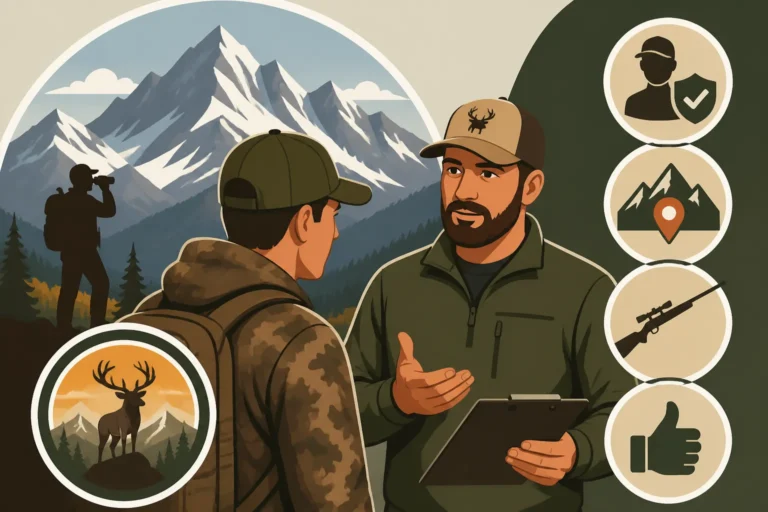
- Mentorship: For new hunters, or those new to Western hunting, a guided trip is an incredible learning experience. You're essentially getting a masterclass in elk hunting from someone who does it for a living. You'll learn about elk sign, habitat, calling techniques, and how to read the landscape. This knowledge can then be applied to future DIY hunts.
The Case for DIY or Hybrid Hunting: The Alternative Perspective
On the flip side, the romanticized ideal of a self-sufficient hunt, often at a lower cost, holds significant appeal. Not everyone needs or wants a fully guided experience, and for many, the challenges are part of the allure.
The DIY Spirit and Unrivaled Freedom
There's an undeniable satisfaction that comes from planning, executing, and succeeding on a hunt entirely on your own terms.
- Personal Achievement: The pride of bagging an elk that you located, stalked, and harvested with only your own wits and effort is immense. Every mistake is a lesson, every success a personal triumph. This independent spirit is a core part of the hunting ethos for many.
- Complete Control: You dictate the pace, the hunting methods, the areas you explore, and the decisions made. There's no pressure to conform to someone else's schedule or strategy. Want to spend an extra hour glassing a distant basin, or move camp midday? You can. This freedom is a cornerstone of the Colorado DIY Elk Hunting Guide.
- Budget-Friendly (Potentially): While initial gear investment can be substantial, the day-to-day costs of a DIY hunt are significantly lower than a guided trip. You control your food budget, your lodging (often camping), and transportation. This is particularly appealing for hunters who want to experience the mountains on a tighter budget.
Hybrid Options: Blending Support with Independence
Recognizing that hunters often fall somewhere between full DIY and fully guided, many outfitters offer excellent hybrid options that provide critical support without relinquishing all control.
- Drop Camps: This is a popular compromise. An outfitter packs you and your gear (and often horses) into a remote, pre-scouted location, sets up a comfortable camp, and leaves you to hunt on your own. They then return on a pre-determined date to pack you and any harvested game out. This eliminates the toughest physical aspect (packing heavy gear and meat) while retaining the independent hunting experience. It's an excellent way to experience Colorado Backcountry Hunting Guide without needing your own string of pack animals.
- Semi-Guided Hunts: These can vary greatly but often involve an outfitter providing some level of assistance, such as initial scouting, pointing you to promising areas, or offering advice on strategy, but not actively hunting with you every day. They might help with game retrieval or camp logistics, but the actual hunting is up to you. This is a great option for those who have some experience but want a safety net and a head start on finding elk.
Crunching the Numbers: A Realistic Look at Costs
Let's address the elephant in the room: money. Guided hunts are an investment, and understanding the financial implications is critical to determining if it's "worth it" for you.
Comparing Expenses: Guided vs. DIY
The price tag of a guided hunt often includes much more than just the guide's time. It encompasses logistics, gear, food, lodging, and sometimes even processing assistance. A DIY hunt might look cheaper on paper, but when you add up all the incidentals, the gap can narrow more than you'd expect.
Here’s a simplified breakdown to illustrate potential costs. Keep in mind these are broad estimates and can fluctuate wildly based on season, location, outfitter reputation, and your personal choices.
| Expense Category | Guided Hunt (7 Days, 1:1 or 2:1) | DIY Hunt (7 Days, Public Land) |
|---|---|---|
| Outfitter Fee | $5,000 – $12,000+ (includes guide, camp, food, horses, packing) | $0 |
| Colorado License | Non-resident: $700 – $800+ (elk, habitat stamp) | Non-resident: $700 – $800+ (elk, habitat stamp) |
| Travel | $500 – $2,000 (airfare/fuel, depending on distance) | $500 – $2,000 (airfare/fuel, depending on distance) |
| Food | Included in outfitter fee (hearty camp meals) | $150 – $300 (groceries, snacks, camp cooking fuel) |
| Lodging | Included in outfitter fee (tent camp/cabin) | $0 (tent camping), $300 – $1000 (hotel pre/post-hunt, cabin rental) |
| Gear | Personal hunting gear (bow/rifle, clothing, boots). Some provided. | $1,000 – $5,000+ (initial investment: tent, pack, cooker, optics, etc.) |
| Meat Processing | $150 – $400 (often not included, or an added service) | $150 – $400 (if professionally processed) |
| Taxidermy | $1,000 – $2,000+ (optional) | $1,000 – $2,000+ (optional) |
| Tips for Guide | 10-20% of hunt cost ($500 – $2,000+) | $0 |
| Total Estimate | $7,000 – $17,000+ | $2,500 – $9,000+ |
This table clearly shows that a guided hunt, specifically a fully guided one, represents a significant financial commitment. However, it also highlights what you get for that money in terms of services and peace of mind. For a more detailed look at specific expenses, you might want to check out information on Colorado Guided Elk Hunt Cost.
Hidden Costs and the True Value of Time
The direct costs are one thing, but there are often "hidden" costs in a DIY hunt that don't always appear on a spreadsheet.
- Time Investment: Scouting, researching units, applying for tags, physical training, and gear preparation take an enormous amount of time. If your vacation days are limited, or your job doesn't allow for extensive pre-hunt prep, a guided hunt saves you countless hours. Using tools like GoHunt can help DIYers with research and e-scouting, but it still requires significant personal time.
- Experience & Opportunity Cost: A poorly planned DIY hunt can mean wasted time, effort, and money with little to show for it. While the learning experience is valuable, if your primary goal is to harvest an animal, the "opportunity cost" of not having a seasoned guide can be high.
- Unexpected Expenses: Vehicle repairs on a remote mountain road, lost gear, unexpected processing needs, or emergency medical services are all possibilities in the backcountry. While a guided hunt doesn't eliminate all risk, it often mitigates many of the unforeseen logistical burdens.
Making Your Decision: Factors to Consider
With a clear picture of the benefits and drawbacks of each approach, let's explore the key factors that should drive your personal decision.
Your Experience Level and Available Time
This is arguably the most crucial consideration.
- First-Time Western Hunters: If you're new to elk hunting, or new to hunting in the vast, rugged Western landscape, a guided hunt can be an invaluable "trial run." It provides a structured environment to learn the ropes without the overwhelming pressure of doing everything yourself. You'll gain firsthand experience that would take years to acquire independently. Consider it an accelerated course in Colorado Elk Hunting Guide.
- Time-Crunched Professionals: Many hunters have demanding careers and limited vacation time. Spending weeks e-scouting, physically preparing, and then executing a full DIY hunt simply isn't feasible. A guided trip maximizes your time in the field, allowing you to focus purely on the hunt rather than the logistics.
- Seasoned Backcountry Veterans: If you've got years of experience in the mountains, understand elk behavior, and possess the physical and mental fortitude for a DIY endeavor, you might find a guided hunt restrictive or unnecessary. You probably already know How to Pack Into the Colorado Backcountry and have your own systems down.
Physical Fitness and Accessibility Needs
Colorado elk hunting is physically demanding, period. Whether you're navigating steep inclines, traversing rocky terrain, or packing out heavy quarters, a high level of fitness is paramount.
- Physical Limitations: For hunters with physical limitations, mobility issues, or those simply not up to the extreme physical demands of a deep backcountry DIY hunt, a guided outfitter can be a lifeline. Many offer hunts that utilize ATVs, horses, or easier-access areas, making the experience possible.
- Desire for Remote Access: Even if you're fit, accessing truly remote, low-pressure areas often requires horses or significant logistical support. Outfitters specializing in wilderness pack-in hunts can get you into places a DIY hunter might struggle to reach, offering a unique opportunity to hunt areas like the Flat Tops Wilderness. You can learn more about How to Physically Prepare for Colorado Elk regardless of your chosen hunt style.
Your Goals and Expectations for the Hunt
What do you really want out of this Colorado adventure? Be honest with yourself.
- Guaranteed Success (as much as possible): While no hunt is ever guaranteed, if punching a tag is your top priority, especially for a specific class of animal, a reputable outfitter is your best bet. They have the resources, knowledge, and persistent effort to maximize your chances. Platforms like BookYourHunt can help you research outfitters and their reported success rates, though remember to take "guarantees" with a grain of salt.
- Learning and Immersion: If you're eager to learn every facet of elk hunting, from How to Bugle for Colorado Elk to understanding habitat, a guided hunt offers direct mentorship. You'll gain insights that would take years to accumulate on your own.
- Ultimate Challenge and Self-Reliance: For those who relish the challenge, the problem-solving, and the deep satisfaction of complete self-reliance, a DIY hunt is the only way to go. The struggle is part of the reward.
- Specific Weapon Choice: Whether you're coming for Colorado Archery Elk Hunting Guide or Colorado Rifle Elk Hunting Guide, a guide can tailor the hunt to your preferred weapon, knowing the best tactics and locations for each.
Ultimately, the decision of whether a guided Colorado elk hunt is "worth it" comes down to aligning your personal priorities with what each hunting style offers. Consider your budget, time availability, physical condition, and what you truly hope to gain from your adventure in the Colorado wilderness.
Disclaimer
Hunting is an inherently dangerous activity. Always prioritize safety, adhere to all Colorado Parks and Wildlife regulations, and ensure you have the necessary training and permits. The information provided in this guide is for informational purposes only and does not constitute professional advice. Always consult with official sources and experienced professionals before embarking on any hunting trip.