Colorado Guided Elk Hunt Cost
The dream of a Colorado guided elk hunt dances in many hunters' minds, conjuring images of crisp mountain air, bugling bulls, and a prime opportunity to fill your freezer. But let's be honest, for many, the very first question that pops up isn't "which unit?" or "what season?", it's almost always, "how much is this actually going to cost me?" It's a valid and often daunting question, as prices can vary wildly, leaving many folks confused and wondering if their dream hunt is truly within reach. This guide is here to unravel the complexities of Colorado guided elk hunt costs, offering a realistic breakdown of what you can expect to pay, what influences those prices, and how to budget effectively for this incredible experience.
Understanding the Factors Influencing Guided Elk Hunt Costs
When you start researching guided elk hunts in Colorado, you’ll quickly notice that prices aren't one-size-fits-all. It's not like buying a gallon of milk; there are so many variables that go into an outfitter's pricing structure. Understanding these core factors is crucial for making sense of the quotes you receive and for finding a hunt that aligns with your budget and expectations.
Hunt Duration and Season
One of the most immediate impacts on cost is how long you plan to be in the field and during which season. A longer hunt naturally means more expenses for the outfitter in terms of food, lodging, guide salaries, and logistical support. Think about it: a 7-day fully guided trip requires significantly more resources than a 4-day semi-guided adventure.
Beyond duration, the specific hunting season plays a massive role. Elk season in Colorado spans from late August through early December, encompassing archery, muzzleloader, and several rifle seasons. Generally, the most sought-after times, like the peak of the archery rut in September or the 2nd and 3rd rifle seasons, tend to command higher prices due to increased demand and, often, higher success rates. Conversely, a late-season cow elk hunt might be considerably less expensive. For a deep dive into the timing, check out our comprehensive guide to Colorado Hunting Seasons Explained.
Level of Service and Accommodation
This factor might be the single biggest differentiator in pricing. Are you looking for a rustic, no-frills backcountry experience, or do you prefer a hot shower and a gourmet meal at the end of a long day? The level of service an outfitter provides, and the type of accommodations offered, will directly impact the cost.
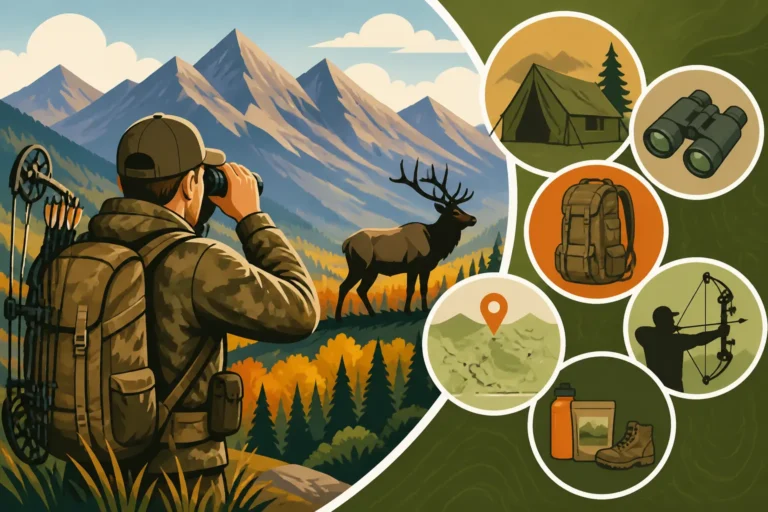
- Drop Camps: These are often the most budget-friendly "guided" option. An outfitter packs you and your gear into a pre-set camp, usually with a tent, cooking supplies, and water source, then leaves you to hunt on your own. They'll return at a pre-arranged time to pack out you and any game harvested. It's a fantastic middle-ground between a full DIY and a fully guided hunt. If this sounds like your style, you'll want to read up on Colorado Drop Camp Hunts Explained.
- Semi-Guided Hunts: Here, the outfitter might provide a camp, meals, and general area advice, perhaps even transport you to different trailheads daily. However, you're responsible for your own in-field hunting strategy and navigating. Guides might point you in the right direction but won't be with you every step of the way.
- Fully Guided Hunts: This is the premium experience. A dedicated guide (or guides) will be with you from dawn to dusk, leading you to prime elk country, helping with calling, tracking, and all aspects of the hunt. Accommodations can range from comfortable wall tents in a spike camp to remote lodges with all the amenities. Naturally, the personalized attention and comprehensive support come with a higher price tag.
- Private Land vs. Public Land: Hunts conducted entirely on private land, especially those with exclusive access to large, well-managed ranches, typically cost more than public land hunts. This is due to the outfitter's investment in leasing land and the often higher success rates and quality of game found in these areas.
Trophy Potential vs. Meat Hunt
What kind of elk are you hoping to harvest? If your primary goal is to put delicious elk meat in the freezer, a cow elk hunt or a general bull tag hunt will generally be less expensive than a hunt specifically tailored for a trophy bull. Outfitters who consistently produce Boone and Crockett caliber bulls often operate in specific, highly desired units and invest heavily in scouting and habitat management, which is reflected in their pricing.
Hunters chasing a "trophy" animal might find themselves looking at hunts in units that require many preference points to draw a tag, or utilizing expensive landowner vouchers, further escalating the cost. For those just starting their journey into elk hunting, focusing on a general bull or cow tag can be a more accessible entry point, allowing you to gain invaluable experience without the top-tier price. You can learn more about general strategies in our overall Colorado Elk Hunting Guide.
Average Cost Ranges for Different Guided Elk Hunt Types
Let's talk numbers, because that's what most people are really after. Keep in mind these are averages, and prices can fluctuate based on the specific outfitter, the season, the unit, and the demand. The cost of a guided elk hunt in Colorado can be a significant investment, often ranging from a few thousand dollars to upwards of $15,000 or more.
Budget-Friendly Options: Drop Camps and Semi-Guided Hunts
If you're an experienced hunter but want the logistical headache of packing in and out handled, or if you prefer a bit more independence while still benefiting from local knowledge, these options are your sweet spot.
- Drop Camps: For a typical 5-7 day drop camp, you can expect to pay between $1,800 and $3,500 per hunter. This usually includes transportation of you and your gear into the backcountry, a pre-set camp (tent, cots, cooking equipment, sometimes a stove), and packing out your harvested game. You'll bring your own food and do all the actual hunting and cooking. It's a fantastic way to experience the Colorado backcountry without owning a string of horses or specialized pack gear.
- Semi-Guided Hunts: These will generally run a bit higher, typically from $3,000 to $5,500 per hunter for a 5-7 day hunt. Here, you'll often have a comfortable base camp with meals provided. The outfitter or a guide will assist with transportation to different hunting areas each day and offer advice on where to hunt, recent elk movement, and general strategy. They won't usually be right alongside you with a call in their mouth, but they'll get you in the ballpark. This type of hunt is ideal for groups or individuals who are confident in their hunting skills but appreciate having a comfortable camp and local intel.
Standard Guided Hunts: Mid-Range Experiences
This is probably where the majority of guided hunts fall, offering a solid balance of service and success potential without breaking the bank for a luxury experience.
- Standard Fully Guided Hunts: For a 5-7 day fully guided elk hunt, expect to pay between $5,000 and $8,500 per hunter. This price point usually means a 2-on-1 (two hunters per guide) or sometimes 3-on-1 guide ratio, comfortable camp accommodations (wall tents with stoves, cabins, or simple lodges), and delicious, hearty meals. Your guide will be with you throughout the hunt, actively locating elk, calling, tracking, and assisting with field dressing. These hunts often take place on public land with excellent elk populations, or on smaller private leases. They are a great choice for hunters looking for a full-service experience and a high chance of success.
Premium and Fully Outfitted Hunts: High-End Adventures
If your budget allows and you're seeking a truly exceptional experience, often with higher success rates, larger animals, or more luxurious amenities, these hunts are for you.
- Luxury and Trophy Hunts: These hunts can range from $9,000 to over $15,000 per hunter, and sometimes even higher, especially if landowner tags or guaranteed-draw units are involved. What justifies this price?
- Exclusive Private Land Access: Many premium hunts are conducted on vast private ranches, minimizing hunter pressure and often boasting larger, more mature animals.
- 1-on-1 Guiding: A dedicated guide for each hunter provides maximum attention and flexibility.
- Luxurious Accommodations: Think comfortable lodges with private rooms, gourmet chefs, and all the comforts of home after a long day in the mountains.
- Guaranteed Tags or High-Preference Point Units: Outfitters might have access to landowner tags that bypass the draw, or specialize in units that require many years of preference points to draw, meaning higher-quality animals.
- Extended Hunt Duration: Some high-end hunts might be 8-10 days, allowing more time to be selective.
These hunts cater to hunters prioritizing comfort, a high probability of success, and the pursuit of a trophy-class animal. Websites like BookYourHunt or GoHunt often feature a range of outfitters offering these types of experiences, allowing you to browse and compare what's included.
What's Typically Included in a Colorado Guided Hunt Package
Understanding what's covered in your guided hunt package is essential for accurate budgeting and to avoid any surprises. While specifics vary between outfitters, there are common inclusions you should expect.
Guide Services
This is, of course, the core of a "guided" hunt. Your outfitter provides experienced guides who are experts in the local terrain, elk behavior, and hunting strategies.
- Guide-to-Hunter Ratio: The most common ratios are 2-on-1 (two hunters per guide) and 1-on-1 (one hunter per guide). A 1-on-1 experience offers more personalized attention, flexibility in hunting areas, and can significantly increase your chances of success, but it also comes at a higher cost. A 2-on-1 is an excellent compromise for groups or those looking to save a bit of money. Some outfitters might offer 3-on-1 in certain scenarios, which can be more budget-friendly but offers less individualized attention. Make sure to clarify this ratio when booking.
- In-Field Expertise: Your guide is there to do much more than just walk with you. They'll know the best bedding areas, feeding patterns, and water sources. They'll use various calling techniques, from bugles to cow calls, to locate and entice elk. If you're interested in honing your calling skills, you might want to look into specific tips on How to Call Elk in Colorado. They'll help you stalk, judge animals, and ensure ethical shot placement.
Food and Lodging
Unless you're on a true drop camp where you bring your own provisions, your guided hunt package will almost always include food and lodging.
- Meals: Expect hearty, delicious meals designed to fuel you for long days in the mountains. This typically includes breakfast, a packed lunch for the field, and a full dinner back at camp. Dietary restrictions can often be accommodated with advance notice. Think home-cooked meals, not freeze-dried packets (though those might be your lunch!).
- Accommodation Types: This varies widely, as discussed earlier. It could be a comfortable wall tent in a remote spike camp, a rustic cabin, a comfortable lodge with modern amenities, or even a basic motel room depending on the outfitter and location. Clarify the specific type of lodging and amenities (e.g., showers, electricity) before you book. Some outfitters will have established base camps with permanent structures, while others might operate out of mobile tent camps, especially for true backcountry hunts.
Transportation During the Hunt
Getting around in Colorado's vast elk country requires specialized vehicles and knowledge of the terrain.
- In-Field Transport: Outfitters typically provide transportation from the base camp to various hunting areas, utilizing 4×4 vehicles, ATVs, UTVs, or horses. For a true Colorado Backcountry Hunting Guide experience, horses are often the most effective way to cover ground and access remote areas. Ensure you understand what type of transportation will be used and if it's included from the moment you arrive at a designated meeting point.
- Game Retrieval: This is a huge benefit of a guided hunt. Once an animal is down, your guide and outfitter will handle the challenging task of retrieving the game from the field, often utilizing horses, ATVs, or even specialized game carts. This can be a monumental task in steep, rugged Colorado terrain, and having expert assistance is invaluable. This alone can save you a tremendous amount of physical labor and stress, especially if you're not accustomed to packing out an elk in high country. If you're wondering what that involves, take a look at How to Pack Out an Elk in Colorado.
Field Preparation of Game
After a successful harvest, the work is far from over. Your guide will assist with the initial processing of your animal.
- Field Dressing and Quartering: Your guide will professionally field dress and quarter your elk, ensuring the meat is handled properly to cool quickly and prevent spoilage. This is a critical step for preserving the quality of the meat, especially in warmer early-season hunts.
- Caping for Taxidermy: If you've shot a trophy animal and plan to have it mounted, your guide will also properly cape the hide for taxidermy, ensuring it's prepared correctly for the taxidermist. Some outfitters might even have partnerships with local taxidermists or meat processors they recommend.
Additional Costs to Budget For Beyond the Package Price
While a guided hunt package covers many essentials, it’s crucial to remember that it’s rarely an all-inclusive price. There are several significant additional expenses you’ll need to factor into your total budget for a Colorado elk hunt. Overlooking these can lead to unpleasant financial surprises.
Hunting Licenses and Tags
This is a big one, especially for non-residents. The cost of your actual hunting license and elk tag is almost never included in the outfitter's package price.
- Non-Resident Costs: For 2024, a non-resident annual hunting license in Colorado is $40.35, and a non-resident bull elk tag typically runs around $770.40. A cow elk tag for a non-resident is usually around $560.00. These fees can change, so always check the most current Colorado Parks and Wildlife (CPW) regulations. You might also need a Habitat Stamp, which is an additional $12.15. These costs must be paid directly to CPW. Learning about the process is key, so don't miss our Colorado Non-Resident Hunting License Guide.
- Preference Points: If you're hunting in a draw-only unit, you might have invested in preference points over several years. While the cost of the points themselves is minimal ($50 per point per species for non-residents, applied when you apply for the license), the investment of time to accumulate them is real. Understanding How Many Points for a Colorado Elk Tag you might need is critical for planning. The application process for tags and preference points is complex; our Colorado Draw System and Preference Points guide can help clarify it.
Travel Expenses
Getting to Colorado and then to your outfitter's base camp is another significant cost.
- Flights and Vehicle Rental: If you're flying in, factor in round-trip airfare to a major airport like Denver (DEN) or Grand Junction (GJT), plus the cost of a rental vehicle. You'll likely need a 4×4 or AWD vehicle, especially if you're traveling to a remote meeting point or plan to do any scouting on your own before or after the hunt.
- Fuel: Colorado is a big state, and many hunting areas are far from major towns. Be prepared for substantial fuel costs, especially if your outfitter meeting point is deep in the mountains.
- Overnight Stays: You might need to budget for hotel stays before and after your hunt, particularly if your flights don't align perfectly with your outfitter's schedule.
Gear and Equipment
While you likely already own hunting gear, a Colorado elk hunt often demands specialized equipment due to the rugged terrain and variable weather.
- Layered Clothing: The mountains can present all four seasons in a single day. Investing in quality layering systems, including good base layers, insulation, and waterproof outerwear, is crucial. Brands like Sitka, KUIU, and First Lite are popular choices.
- Boots: Proper hunting boots are paramount. You'll be covering miles over uneven, steep, and potentially wet or snowy terrain. Don't skimp on quality, comfortable, broken-in boots.
- Optics: High-quality binoculars and a spotting scope are indispensable for glassing vast Colorado basins. A rangefinder is also essential for accurate shooting in the mountains. For specific recommendations, check out our guide to Best Optics for Colorado Big Game.
- Backpack: Even on a guided hunt, you'll need a reliable daypack to carry water, snacks, extra layers, first-aid, and other essentials. If you're doing a drop camp or semi-guided, a larger pack for packing out meat might be necessary. Our Colorado Backcountry Hunting Gear List offers a great overview.
Tips for Guides and Camp Staff
Tipping is customary and expected in the outfitting industry, much like in the service industry.
- Guide Tips: A general rule of thumb is 10-20% of the hunt cost for your main guide, paid directly to them. This acknowledges their hard work, expertise, and dedication throughout your hunt. For a $6,000 hunt, a 15% tip would be $900.
- Camp Staff Tips: Don't forget the cook and other camp staff who ensure your comfort and provide vital support. A tip of $100-$300 per person for a 5-7 day hunt is a reasonable amount, often given to the head outfitter to distribute. Budgeting this in advance prevents any awkward moments at the end of a successful hunt.
Meat Processing and Shipping
Bringing your elk meat home is often a multi-step process with associated costs.
- Meat Processing: While guides will field dress and quarter your elk, you'll need to arrange for professional processing at a locker plant. Costs typically range from $200-$500, depending on the processor and how you want the meat cut and packaged. Local processors in Colorado, like those in towns near popular hunting units such as Meeker, Craig, or Gunnison, are well-versed in handling wild game.
- Shipping: If you're flying home, you'll need to pay for insulated coolers and air freight for your meat, or for a specialty game shipper. This can be substantial, often hundreds of dollars, especially for a whole elk. Some hunters opt to drive to avoid this.
Taxidermy
If you've harvested a bull worthy of a mount, factor in the cost of taxidermy. A shoulder mount for an elk typically ranges from $1,500 to $3,000, not including shipping or crating.
Navigating Tag Acquisition and Preference Points with a Guided Hunt
Securing the proper tag is often the most complex and anxiety-inducing part of planning a Colorado elk hunt, even when going with an outfitter. It's not as simple as showing up and buying one over the counter in most prime units. Outfitters can simplify the process, but understanding the mechanisms is crucial.
Drawing a Tag for a Guided Hunt
Many of Colorado's best elk units, especially those known for producing larger bulls or offering higher success rates, are part of the limited draw system. This means you must apply for a tag months in advance (typically in March/April) and hope you draw.
- General Draw Process: Even with a guided hunt, you'll often need to participate in the general draw. Your outfitter can advise you on which hunt codes to apply for, based on their permitted units and your desired hunt type (e.g., Colorado Archery Elk Hunting Guide, Colorado Rifle Elk Hunting Guide, or Colorado Muzzleloader Hunting Guide). They might recommend specific units where their clients have good draw odds or where they consistently find elk.
- Preference Points: For highly desirable units, it can take many years to accumulate enough preference points to draw a tag. Your outfitter will be able to tell you the typical point requirements for the units they operate in. If you're starting with zero points, your options will be more limited to units with lower point requirements or Over-The-Counter (OTC) tags. You can learn more about how this system works in How Many Points for a Colorado Elk Tag.
- Application Strategy: Outfitters can provide invaluable guidance on draw strategy, helping you decide whether to apply for a difficult-to-draw bull tag, a more accessible cow tag, or to build points for future trophy hunts. Websites like GoHunt offer robust drawing odds and application strategy tools that many outfitters and savvy hunters utilize.
Utilizing Landowner Vouchers
Landowner vouchers offer a unique pathway to securing a limited tag, often bypassing the general draw, and are frequently part of premium guided hunt packages.
- How They Work: Colorado Parks and Wildlife allocates a certain number of limited elk tags to qualifying private landowners whose property significantly contributes to wildlife habitat. These landowners can then sell or give these "landowner vouchers" to hunters. The hunter still has to pay CPW for the actual hunting license and tag, but the voucher guarantees they get a tag for a specific unit and season without going through the draw.
- Associated Costs: Landowner vouchers are not cheap. They are a commodity, and their price is determined by market demand, unit quality, and season. Expect to pay anywhere from $1,500 to $5,000+ for a landowner voucher, in addition to the outfitter's fee and the state tag fee. This extra cost can significantly increase the total price of your hunt but provides certainty and access to prime hunting areas. For a detailed explanation, refer to Colorado Landowner Vouchers Explained.
- Outfitter Access: Many outfitters who operate on private land or have extensive relationships with landowners can acquire these vouchers for their clients. If you're interested in this option, inquire with your prospective outfitter well in advance, as these vouchers are limited and often sell out quickly.
Over-the-Counter (OTC) Tags
While Colorado has historically offered generous OTC elk tags, changes are coming. For the 2026 season and beyond, all elk tags will be moving to a draw-only system, phasing out traditional OTC opportunities.
- Current OTC Availability (Pre-2026): In some seasons (primarily archery and certain 2nd and 3rd rifle seasons), non-residents can purchase an OTC elk tag without going through the draw system. These are typically "either-sex" tags for archery and "bull-only" tags for rifle seasons in specific units. Outfitters often guide in these OTC units, providing a guided experience without the uncertainty of the draw.
- Upcoming Changes: It's crucial to be aware that as of 2026, Colorado will no longer offer OTC elk tags. This means all elk tags will require participation in the draw, making preference points and draw strategy even more critical for all hunters, including those using an outfitter. If you're planning a hunt for 2025 or earlier, our Colorado OTC Elk Tags Explained article is a valuable resource. For hunts in 2026 and beyond, the draw system will be your primary path, making early application and point building essential.
Choosing the Right Outfitter for Your Budget and Expectations
With so many outfitters operating in Colorado, selecting the right one can feel overwhelming. It's a significant investment, so due diligence is key to ensuring a successful and enjoyable experience that aligns with your financial plan and hunting goals.
Researching Reputable Outfitters
Don't just pick the first outfitter you find online. Do your homework! A reputable outfitter will be licensed, insured, and eager to provide references.
- Online Resources: Websites like BookYourHunt and GoHunt are excellent starting points. They act as marketplaces where you can browse numerous outfitters, read reviews, compare packages, and sometimes even see pricing upfront. These platforms often verify outfitter credentials, adding a layer of trust. You can filter by species, season, and hunt type to narrow down your options.
- Hunter Referrals: Nothing beats word-of-mouth. Ask fellow hunters for recommendations. Join online hunting forums and ask for experiences with Colorado outfitters. Be specific about what you're looking for (e.g., "Looking for a budget-friendly drop camp in unit X," or "Seeking a trophy bull outfitter for a private land rifle hunt").
- CPW and Outfitter Associations: Verify that any outfitter you're considering is properly licensed by the State of Colorado. Many reputable outfitters are also members of professional organizations like the Colorado Outfitters Association (COA), which often have codes of conduct and ethical standards.
- Beyond Success Rates: While a high success rate is attractive, don't let it be the only factor. A "successful" hunt can mean different things to different people. Is it about harvesting an animal, or is it about the overall experience? Some outfitters might have lower "kill rates" but provide an incredible wilderness adventure. Balance success rates with the type of experience you desire. Our guide on How to Choose a Colorado Hunting Outfitter offers more in-depth advice on this.
Understanding Contracts and Deposits
Once you've narrowed down your choices, pay close attention to the outfitter's contract and deposit requirements.
- Read the Contract Thoroughly: Don't skim! Understand what is explicitly included and what isn't. Look for clauses regarding cancellations, refunds, liability, and payment schedules. Are there any hidden fees? What happens if you don't draw a tag? Make sure all your questions are answered before signing.
- Deposit Requirements: Most outfitters require a non-refundable deposit to secure your hunt dates. This deposit typically ranges from 25% to 50% of the total hunt cost. Understand the payment schedule for the remaining balance. When is the final payment due? Are there different deadlines if you're applying for a draw tag vs. using a landowner voucher?
- Cancellation Policy: Life happens. Understand the outfitter's policy on cancellations. Can you transfer your hunt to a different year? Is there a partial refund if you cancel far enough in advance? Is trip insurance recommended or required? Many outfitters will strongly recommend or even require travel insurance to cover unforeseen circumstances.
Questions to Ask Before Booking
This is your opportunity to clarify everything and ensure there's a good fit. Don't be shy!
- Guide-to-Hunter Ratio: Confirm this explicitly. Is it 1-on-1, 2-on-1, or something else?
- Camp Details: What are the accommodations like? Showers? Outhouse or flush toilet? Electricity? Cell service? What kind of food is served?
- Transportation: How do you get from the meeting point to camp? How do you get to hunting areas each day?
- Typical Day: What does a typical hunting day look like? What time do you wake up? When do you get back to camp?
- Success Rates and Opportunities: Ask about their actual success rates for your specific hunt type and season over the past few years. Also, ask about opportunity rates – how many shot opportunities do hunters typically get? Be wary of outfitters who promise 100% success; nature is unpredictable.
- Physical Demands: How physically demanding is the hunt? What kind of terrain will you be covering? This is crucial for planning your Colorado Elk Hunt Fitness Plan.
- Tag Assistance: How does the outfitter assist with the draw process or landowner vouchers? What are the chances of drawing a tag in their units for your point level?
- References: Ask for recent references, preferably from hunters who booked the same type of hunt you're interested in. Don't just get a list; actually call them and ask pointed questions about their experience.
- Hidden Costs: Are there any additional fees not covered in the package price (e.g., extra game retrieval fees, specific licenses, unforeseen fuel surcharges)?
By asking these detailed questions and thoroughly researching your options, you can choose an outfitter that not only fits your budget but also provides the guided Colorado elk hunting experience you've been dreaming of. This will also help you set realistic expectations for What to Expect on a Guided Colorado Elk Hunt.
Strategies to Potentially Save Money on a Colorado Guided Elk Hunt
While a guided elk hunt is an investment, there are smart ways to potentially reduce the overall cost without sacrificing the quality of the experience entirely. It's all about making strategic choices and being flexible.
Booking Off-Peak Seasons or Cow Hunts
Demand dictates pricing. By shifting your focus away from the most popular (and often most expensive) times and targets, you can find more affordable guided options.
- Late-Season Hunts: Often, late-season hunts (November/December) can be more affordable. While the rut is over, elk are often concentrated in lower elevations due to snow, and herd sizes can be impressive. These hunts can be incredibly challenging due to weather but offer unique opportunities. Outfitters might offer lower rates to fill their schedules outside the prime rut windows.
- Cow Elk Hunts: Many outfitters offer dedicated cow elk hunts, which are almost always less expensive than bull hunts. Cow tags are generally easier to draw (or sometimes even available OTC in certain units before 2026), and the focus is purely on harvesting meat. If your goal is primarily to fill the freezer with delicious wild game, a guided cow hunt is an excellent, cost-effective option that still provides the thrill of elk hunting in Colorado.
- Early Archery or Muzzleloader: Sometimes, the very beginning of the archery season or the muzzleloader season (which falls between archery and rifle) can have slightly lower price points than the peak of the rut. This isn't always the case, as demand is still high, but it's worth checking.
Considering Semi-Guided or Drop Camp Options
As discussed earlier, moving away from a fully guided, 1-on-1 experience will significantly reduce your costs. These options require more self-sufficiency but can be incredibly rewarding.
- Semi-Guided: You still benefit from the outfitter's camp, food, and local intel, but you take on the responsibility for your in-field tactics. This empowers you to truly hunt on your own terms while having a comfortable base to return to. It’s a great way to transition from entirely DIY to a guided experience.
- Drop Camp: This is the ultimate "DIY with logistics handled" option. You're simply paying for transportation and a pre-set camp. You supply everything else, including food and all hunting efforts. It's physically demanding but significantly more affordable than any other guided option. For a more detailed look, revisit our Colorado Drop Camp Hunts Explained guide. This type of hunt is ideal for experienced hunters who are confident in their abilities but don't want the hassle of packing in their own gear and pack animals.
Hunting with a Group
Teamwork makes the dream work, and often, it makes the hunt more affordable.
- Splitting Costs: Many outfitters offer discounted rates for groups, or their pricing is based on a 2-on-1 guide ratio, meaning you and a buddy share a guide, which is cheaper per person than a 1-on-1. By organizing a group of 2-4 hunters, you can often negotiate better package deals or simply split the costs of things like rental vehicles, meat processing, or even tips.
- Shared Resources: Traveling as a group can reduce individual costs for flights, rental cars, and even lodging before/after the hunt. It also adds a layer of safety and camaraderie to the experience.
Comparing Guided Hunts to DIY Options
The perennial debate for Western hunters: guided vs. DIY. Both have their merits and drawbacks, particularly when it comes to cost. Understanding these differences can help you make an informed decision about what's best for your experience and your wallet.
Cost Breakdown: Guided vs. DIY
Let's look at a typical breakdown of potential expenses. This table offers a general comparison for a 5-7 day non-resident elk hunt in Colorado. Prices are estimates and subject to significant variation.
| Expense Category | Typical DIY Hunt Cost (Non-Resident) | Typical Guided Hunt Cost (Non-Resident) | Notes |
|---|---|---|---|
| Hunting License & Tag | $810 – $1000 | $810 – $1000 | Same for both, paid to CPW. May include Habitat Stamp. Does not include potential landowner voucher. |
| Travel (Flights/Fuel/Rental) | $800 – $1,500+ | $800 – $1,500+ | Can be similar, depending on travel distance and vehicle choice. Guided hunts might have less in-field driving if transport is provided. |
| Accommodation (Camp/Hotels) | $100 – $500 (camping/motel) | Included in package ($0 – $1000+ value) | DIY involves camping gear investment. Guided includes lodge/tent camp. |
| Food & Water | $150 – $300 | Included in package ($0 – $500 value) | DIY requires planning, purchasing, and packing. Guided provides meals. |
| Gear & Equipment | $1,000 – $3,000+ (initial investment) | $500 – $1,500+ (supplements) | DIY requires all major gear. Guided might require specific items but often less initial outlay for big items like pack frames, extensive camp gear. |
| Outfitter/Guide Fee | $0 | $1,800 – $15,000+ | This is the core cost difference. |
| Landowner Voucher (Optional) | $0 (unless DIY on private land) | $1,500 – $5,000+ (if applicable) | For guaranteed tags on private land, typically for guided hunts. |
| Meat Processing & Shipping | $400 – $1,000+ | $400 – $1,000+ | Similar for both, depends on distance and processor. |
| Tips (Guides/Staff) | $0 | $500 – $2,500+ | Customary for guided hunts. |
| Total Estimated Range | $3,660 – $7,300+ | $6,210 – $27,000+ | This clearly illustrates the significant cost difference. |
This table makes it abundantly clear: a guided hunt is almost always more expensive than a DIY hunt, often by a significant margin. However, the costs in the "DIY" column can skyrocket if you're buying all new gear, or if you encounter unexpected vehicle issues in the backcountry. Also, the "value" of the outfitter's included services, like food and lodging, is factored into the guided price.
Pros and Cons of Each Approach
Deciding between a guided hunt and a DIY adventure isn't just about money; it's about what kind of experience you're seeking, your skill level, physical fitness, and available time. Our Guided vs DIY Elk Hunting in Colorado guide dives deeper into this choice, but let's summarize key points relevant to cost.
Guided Hunt Pros:
- Expert Knowledge: Guides possess invaluable local knowledge of terrain, elk patterns, and effective hunting strategies.
- Increased Success Rates: Generally, guided hunts have higher success rates due to the outfitter's expertise and resources.
- Logistical Support: No need to worry about packing in camp, cooking, or dealing with game retrieval.
- Comfort: Often includes comfortable camps, hot meals, and amenities.
- Safety: Guides provide an added layer of safety in challenging mountain environments.
- Reduced Stress: You can focus purely on the hunt, not the logistics.
Guided Hunt Cons:
- Cost: Significantly more expensive, as shown in the table.
- Less Control: You're often hunting the outfitter's plan, not your own.
- Less "Adventure": Some hunters prefer the challenge and self-reliance of a DIY trip.
- Fixed Schedule: You're on the outfitter's schedule, not necessarily your own.
DIY Hunt Pros:
- Cost-Effective: Typically much cheaper, especially if you already own gear.
- Flexibility: Hunt where and when you want, adjust plans on the fly.
- Self-Reliance: The satisfaction of planning and executing your own hunt.
- Deep Immersion: A more raw and intimate connection with the land and the hunting process.
- Skill Development: Forces you to learn and grow as a hunter.
DIY Hunt Cons:
- Time Commitment: Requires extensive e-scouting, planning, and physical preparation.
- Lower Success Rates (initially): Especially for first-timers, the learning curve is steep.
- Physical Demands: You're responsible for everything, including packing heavy loads in rugged terrain.
- Logistical Challenges: Arranging camp, food, water, and game retrieval is all on you.
- Safety Concerns: More inherent risks without a professional guide.
- Steep Learning Curve: Figuring out How to Find Elk When They Go Quiet or navigating complex public land can be tough for newcomers.
Ultimately, the choice comes down to your personal priorities, budget, and hunting experience. If time is short, resources are limited, or you're new to Western hunting, a guided hunt can be a fantastic way to experience Colorado elk. If you thrive on independence, meticulous planning, and a tighter budget, DIY might be your path.
Disclaimer
The information provided in this guide is for general informational purposes only and does not constitute professional advice. Hunting regulations, license costs, and outfitter prices are subject to change. Always consult the official Colorado Parks and Wildlife (CPW) website for the most current regulations, season dates, and license fees. Prices quoted for guided hunts are estimates based on general market conditions and can vary significantly by outfitter, hunt type, and year. Hunters should always conduct their own thorough research and communicate directly with outfitters to confirm all details and costs before booking any hunt.