Colorado Private Ranch Elk Hunts
For many hunters, the dream of a successful Colorado elk hunt often clashes with the reality of drawing coveted tags, facing overcrowded public lands, or the sheer physical demands of a do-it-yourself backcountry expedition. It's a frustrating dance trying to balance the desire for a quality experience with the logistical hurdles. This guide is designed to cut through that complexity, offering a deep dive into Colorado private ranch elk hunts – a pathway to consistent opportunities, reduced pressure, and often, a much more comfortable and rewarding experience.
Why Consider a Colorado Private Ranch Elk Hunt?
Let's be honest, the romance of the public land hunt is powerful, but so is the frustration. You've scouted for months, put in for tags, practiced your calls, and then you show up to an area that feels like a convention of orange-clad hunters. Private ranch hunts offer a refreshing alternative, often transforming that stress into a much more enjoyable and effective experience.
Escaping Public Land Pressure
The sheer volume of hunters on Colorado's public lands, especially during rifle seasons, can feel overwhelming. You hike for miles, only to find fresh boot tracks or hear another hunter's bugle echoing through the basin you thought was your secret spot. Elk on public land become incredibly wary, often going completely nocturnal or seeking refuge in the nastiest, steepest timber they can find, making them incredibly difficult to locate and pursue. This constant pressure pushes elk into predictable patterns of avoidance, forcing hunters to work harder for fewer opportunities.
On a private ranch, it's a completely different ballgame. These properties often encompass vast tracts of prime elk habitat, including crucial feed, water, and bedding areas. With limited hunter access, elk don't feel the same relentless pressure. They often behave more naturally, feeding longer in open areas, moving less cautiously, and generally being more visible during daylight hours. This isn't to say it's always easy, but the odds of finding undisturbed animals are significantly higher, leading to a much more relaxed and strategic hunt rather than a frantic race against other hunters. For anyone tired of feeling like they're just chasing pushed elk, private land offers a much-needed sanctuary for both the animals and the hunter.
Higher Success Rates and Quality Opportunities
One of the most compelling reasons hunters turn to private ranch hunts is the promise of higher success rates. These ranches often serve as de facto sanctuaries for elk, especially once public land pressure intenses. Elk will migrate onto private property seeking refuge, creating a consistent population throughout the hunting seasons. Landowners and outfitters often manage these herds, ensuring healthy populations and prime habitat. This means more consistent sightings, more predictable movement patterns, and ultimately, a greater likelihood of filling your tag.
Beyond just "success," private ranches often offer quality opportunities. This might mean the chance at a larger bull, as older, more mature animals often find sanctuary in these less-pressured environments. But even for meat hunters, the ability to observe elk for longer periods, make a calm and ethical shot, and then have assistance with game retrieval can be invaluable. It transforms the experience from a desperate search into a focused pursuit, where the quality of the encounter takes precedence. If you've spent years struggling to even see a legal bull on public ground, the consistent access and higher concentration of elk on a private ranch can be a game-changer, offering a truly rewarding experience for hunters of all aspirations.
Comfort and Amenities
For many of us, a hunting trip is an escape, but that doesn't always mean roughing it. While a true backcountry hunt offers unparalleled solitude, it also demands significant physical exertion and a willingness to forego creature comforts. A Colorado backcountry hunting guide will tell you all about the challenges. Private ranch hunts often provide a welcome balance, offering excellent hunting opportunities alongside amenities that make the entire experience much more enjoyable, especially for those who might be older, have physical limitations, or simply prefer a more comfortable camp.
Imagine returning from a day of hunting to a warm lodge, a hot meal prepared for you, and a comfortable bed, rather than crawling into a cold tent after a dehydrated dinner. Many ranches offer lodging that ranges from rustic cabins to full-service lodges with private rooms, hot showers, and delicious home-cooked meals. This not only boosts morale but also allows you to recover more fully each evening, making you more effective the next day. Furthermore, most private ranch hunts include guides, transportation around the property, and assistance with game retrieval and field dressing, which can be a huge relief, especially if you're hunting solo or are not accustomed to the challenges of packing out an elk in rugged terrain. It’s an investment in not just a hunt, but a holistic, comfortable, and often luxurious outdoor experience.
Navigating the World of Colorado Private Ranch Hunts
Deciding a private ranch hunt is right for you is the first step; understanding the different types and how they operate is the crucial next one. It's not a one-size-fits-all situation, and delving into the specifics will help you find the perfect fit.
Understanding Hunt Types and Packages
Private ranch elk hunts in Colorado aren't all created equal. They generally fall into a few categories, each offering different levels of service and varying price points. Knowing the distinctions is key to setting proper expectations and budgeting appropriately.
At one end of the spectrum, you have trespass fee hunts. This is essentially paying a landowner for access to hunt their property. You're on your own for everything else – scouting, guiding, lodging, food, and game retrieval. It's often the most affordable private land option, giving you the benefit of reduced pressure without the full outfitter service. Next, you'll find semi-guided hunts, which offer a middle ground. Typically, an outfitter or ranch manager will show you the property boundaries, point out good areas, maybe offer some initial scouting advice, and often provide lodging, but you'll be responsible for your own hunting, calling, and often, meals. Finally, fully-guided hunts are the most comprehensive, and often the most expensive, packages. These generally include everything: a dedicated guide (often 1:1 or 2:1 hunter-to-guide ratio), all meals, comfortable lodging, transportation on the ranch, field dressing, and game retrieval. Some even include taxidermy prep or meat processing. The goal here is a seamless, high-service experience where your primary focus is solely on hunting. Always clarify exactly what’s included in any package before booking.
The Role of Outfitter Licensing and Reputation
When you're shelling out significant money for a private ranch hunt, the last thing you want is a bad experience or, worse, an unethical one. This is why vetting outfitters and understanding their reputation is absolutely paramount. Colorado Parks and Wildlife (CPW) regulates hunting outfitters in the state, requiring them to be licensed. This isn't just a formality; it signifies a level of adherence to state laws and professional standards. Always verify that any outfitter you're considering holds a current Colorado Outfitter License.
Beyond basic licensing, reputation is everything. Start your research by looking at online reviews, hunting forums, and independent review sites. Platforms like BookYourHunt can be great resources, as they often list verified outfitters with hunter reviews and detailed information about their services. Don't hesitate to ask outfitters for a list of references—and then actually call those references! Ask former clients about the guide's knowledge, the quality of the game seen, the amenities, and how game care was handled. Ask about what to expect on a guided Colorado elk hunt in terms of terrain and typical hunting methods. A reputable outfitter will be transparent and happy to provide this information. Any hesitation should be a red flag. This diligence helps ensure your hard-earned money goes towards a professional, ethical, and enjoyable experience.
Landowner Tags and Voucher Systems
One of the most appealing aspects of private ranch elk hunting, especially for non-residents or those with limited preference points, is the potential to bypass the traditional Colorado draw system. This is made possible through what are often referred to as "landowner tags" or "landowner vouchers."
Colorado Parks and Wildlife provides a certain number of limited elk licenses directly to private landowners whose properties provide significant habitat for elk. These licenses are essentially allocated outside the public draw. The landowner can then use these licenses themselves, or, more commonly, sell them to hunters. When an outfitter includes a "landowner tag" in their hunt package, it means they've secured one of these special licenses, usually through an agreement with a private landowner, and are offering it as part of a guided or semi-guided hunt. This is a huge advantage for hunters who want to hunt specific units known for quality elk, but don't have the years of preference points required to draw a public land tag. It provides a guaranteed tag, removing the uncertainty and disappointment of the draw. It's critical to understand that these tags are often bundled into the overall hunt cost, significantly increasing the price compared to a hunt where you provide your own drawn tag. Always confirm the type of tag, the specific unit it's valid for, and its antler restrictions (e.g., bull only, either-sex) before committing to a private ranch hunt package.
Costs and Value of Private Ranch Elk Hunts
Let's not beat around the bush: private ranch elk hunts are an investment. But understanding that investment and what you get for your money is crucial to determining if it’s the right path for you.
Breaking Down the Investment
The cost of a Colorado private ranch elk hunt can vary wildly, from a few thousand dollars for a basic trespass fee to upwards of $10,000-$15,000 or more for a fully-guided, premium experience on a trophy ranch. It's a significant financial commitment, but it's important to look beyond the sticker price and understand the factors driving the cost.
Key cost determinants include:
- Type of Hunt: As discussed, trespass hunts are the most economical, while fully-guided hunts are the most expensive.
- Inclusions: Does the price cover lodging, food, guide services, field dressing, game packing, and airport transfers? The more "all-inclusive" the package, generally the higher the price.
- Duration: A 3-day hunt will cost less than a 7-day hunt, naturally.
- Time of Year: Prime rut periods for archery elk hunting or the popular first and second rifle seasons are often priced higher due to demand.
- Trophy Potential: Ranches known for consistently producing large bulls will command a higher price.
- Guide Ratio: A 1:1 guide-to-hunter ratio is more expensive than a 2:1 or 3:1 ratio.
- Landowner Tags: If the hunt includes a guaranteed landowner tag, expect a substantial increase in price, as these tags effectively bypass the Colorado draw system and have their own inherent value.
When you break down the overall Colorado guided elk hunt cost, you're not just paying for the chance to pull a trigger; you're paying for access to prime habitat, reduced hunting pressure, expert guidance, and often, a comfortable, worry-free experience. For many, the value comes from maximizing their limited vacation time and increasing their odds of success, making the investment worthwhile.
What to Expect for Your Money
Understanding the price tiers helps you gauge what level of service and opportunity you can reasonably expect. A $3,000-$5,000 trespass hunt will look vastly different from a $10,000+ luxury guided experience, but both can offer excellent hunting depending on your priorities.
On the lower end, a trespass fee hunt might simply give you permission to hunt a specific private parcel for a set number of days. You'll likely need to bring all your own gear, handle your own lodging (perhaps camping on the property or staying in a nearby town), and be fully self-sufficient for finding, tracking, and packing out your elk. This is ideal for experienced DIY hunters who just want access to private ground.
Moving up, a semi-guided hunt might provide basic cabin lodging, a shared cooking area, and an initial orientation to the property. You'll still do most of the hunting on your own but have a comfortable base camp.
At the top tier, fully-guided hunts on premium ranches are designed for comfort and maximum opportunity. You can expect high-quality lodging (sometimes even private rooms), gourmet meals, dedicated guides who actively scout and call for you, all transportation on the ranch, and complete assistance with game retrieval and initial field processing. Think of it as a concierge hunting experience. These ranches often invest heavily in herd management, food plots, and water sources to attract and hold elk, contributing to the higher cost. Always inquire about specific gear lists, what's provided versus what you need to bring, and any potential hidden costs or expected tips to your guide. This transparency ensures there are no surprises once you arrive.
Maximizing Your Value and Budgeting
Even with the higher price point, there are strategies to maximize the value of your private ranch elk hunt and make it fit within your budget. It's all about smart planning and knowing where to look.
One key tip is to consider off-peak seasons or less popular hunt dates. For instance, early archery season or late rifle seasons might be slightly less expensive than the peak of the rut or the highly sought-after second rifle season. While the hunting might be different, it can still be incredibly rewarding and save you a significant amount. Another approach is to consider a shorter hunt, perhaps a 3-day instead of a 5-day, if available, to reduce costs. Don't be afraid to ask outfitters about group discounts if you're planning to bring a few buddies along. Sometimes, they offer slightly reduced rates per person for a larger booking.
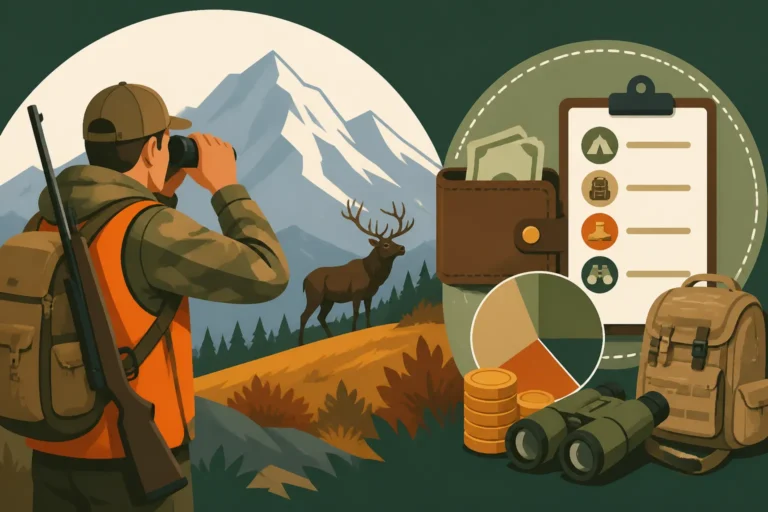
When budgeting, always factor in more than just the hunt package price. Remember to include your travel costs (flights, gas), your Colorado hunting license and habitat stamp, any meat processing fees, potential taxidermy, and importantly, tips for your guides and camp staff. These can add a substantial amount to the total cost. Platforms like GoHunt can be invaluable for researching not only draw odds for public land tags but also for finding information on outfitter services and even potential discounts for private land access in specific areas. Thoroughly compare what different outfitters offer for their prices. Does one ranch offer a better guide-to-hunter ratio for a similar price? Does another have superior accommodations or a proven track record for the type of elk you’re after? Asking detailed questions about inclusions, exclusions, and potential hidden fees upfront will prevent any unwelcome surprises and help you make the most informed decision for your budget.
| Hunt Type | Estimated Cost Range (Per Hunter) | Key Inclusions | Key Exclusions | Typical Success Rate | Ideal For |
|---|---|---|---|---|---|
| Trespass Fee | $1,500 – $4,000 | Access to private land for hunting | Guide, lodging, food, game retrieval, field dressing | Moderate | Experienced DIY hunters seeking less pressure, budget-conscious |
| Semi-Guided | $4,000 – $8,000 | Basic lodging, property orientation, some game advice | Dedicated guide, meals (sometimes), full game service | Moderate-High | Hunters wanting some support but still largely self-sufficient |
| Fully Guided | $8,000 – $15,000+ | Dedicated guide (1:1/2:1), lodging, meals, game retrieval, field dressing | License/Tag fees, taxidermy/meat processing, tips | High | Hunters seeking high service, comfort, expert guidance, higher success odds |
Note: Costs are estimates and can vary widely based on specific ranch, season, duration, and inclusions like landowner tags.
Preparing for Your Colorado Private Ranch Hunt
Even with the comfort of a private ranch, Colorado elk hunting is no walk in the park. The elevation, the terrain, and the sheer size of these animals demand preparation, both physical and mental. Don't underestimate it!
Physical and Mental Conditioning
While a private ranch hunt might not involve a multi-day pack-in deep into the wilderness, it's still crucial to arrive in good physical condition. Colorado's elevations are no joke. Many ranches are situated at 7,000 feet or higher, and even moderate activity at these altitudes can leave you winded if you're not prepared. You'll still be hiking, often uphill, through varied terrain. Getting winded quickly means you might miss opportunities, struggle to keep up with your guide, or simply not enjoy the hunt as much.
A good Colorado elk hunt fitness plan should focus on cardio and leg strength. Start a walking or running routine months in advance, incorporating hills or stairs if possible. Consider spending a few days at elevation before your hunt to help acclimate, especially if you're coming from sea level. Mentally, prepare for long days, early mornings, and the patience required for elk hunting. Even on private land, elk can be elusive. The ability to stay positive, focused, and persistent, even when things are slow, is invaluable. A positive attitude not only enhances your experience but also those of your guide and hunting companions.
Essential Gear and Packing Considerations
Packing smart for a Colorado elk hunt, even on a private ranch, is critical. The weather in the mountains can change on a dime, going from warm sunshine to snow and freezing temperatures within hours. Layers are your best friend. Start with good quality base layers that wick moisture away, add insulating layers (fleece, puffy jacket), and top with a waterproof and windproof outer shell. Your guide or outfitter should provide a specific packing list, and you should always adhere to it, but some universal essentials stand out.
High-quality, broken-in hunting boots are non-negotiable. Your feet will take a beating, and blisters can ruin a hunt. Consider gaiters to keep snow and debris out of your boots. Good optics – binoculars, a spotting scope (if not provided), and a rangefinder – are vital for glassing vast expanses and judging distance accurately. Don't forget a reliable backpack for day use, carrying water, snacks, extra layers, and possibly game bags. For weapon choice, ensure your rifle is sighted in for mountain conditions, or your bow is tuned and you've practiced shooting at various angles. For a deeper dive into what to carry, check out a comprehensive guide on the best Colorado elk hunting gear. Always double-check your ammunition or arrows, and bring more than you think you'll need.
Ethical Hunting Practices on Private Land
Hunting on private land comes with a unique set of responsibilities. While you're paying for access, you're still a guest, and maintaining a respectful and ethical approach is paramount. Your actions directly reflect on future opportunities for other hunters and the relationship between landowners and the hunting community.
First and foremost, respect ranch rules. Every private ranch will have specific guidelines regarding boundaries, off-limits areas, vehicle use, shot distances, and what to do with a harvested animal. Listen carefully to your outfitter or landowner briefing and follow these rules without exception. These rules are often in place for safety, to manage wildlife, or to protect the property itself. Beyond ranch-specific rules, uphold all Colorado Parks and Wildlife regulations regarding hunting seasons, bag limits, and tag validation. When you harvest an animal, ensure a clean, ethical shot. No matter how much you’ve paid, a poor shot choice is always unacceptable. Understand your limitations and practice extensively. Once the animal is down, game care is critical. Work with your guide to field dress and cool the meat properly to prevent spoilage. Treating the land, the wildlife, and the people on the ranch with utmost respect ensures a positive experience for everyone involved and helps preserve the privilege of private land hunting for years to come.
Finding and Booking Your Dream Ranch Hunt
With a better understanding of what private ranch hunts entail, the next step is connecting with the right operation. This requires diligent research and clear communication.
Researching Reputable Outfitters and Ranches
Finding a reputable Colorado outfitter for a private ranch hunt is a multi-step process that requires more than a quick Google search. Start by casting a wide net: use general search terms, explore hunting forums, and ask for recommendations from trusted hunting buddies or mentors. Look for outfitters that specialize in elk hunting and specifically mention private land access or ranch-based hunts.
Once you have a list of potential candidates, dive deeper. Visit their websites, paying close attention to photos, testimonials, and detailed descriptions of their hunts. Do they clearly outline what's included in their packages? Do they seem transparent about success rates and what a hunter can expect? Remember the "Outfitter Licensing" discussion from earlier; always verify their Colorado Outfitter License number with CPW. Websites like BookYourHunt are excellent resources because they often pre-vet outfitters and provide a platform for legitimate hunter reviews, which can give you honest insights into the quality of the experience, the guides, and the ranch itself. Don't just read the glowing reviews; look for how outfitters respond to any criticisms. A professional outfitter will address concerns constructively.
Key Questions to Ask Before Booking
Once you've narrowed down your choices, it's time to pick up the phone and have a frank conversation with the outfitter or ranch owner. This isn't just about getting information; it's about getting a feel for their personality, professionalism, and how well your expectations align. Think of it as an interview, both ways.
Here’s a checklist of crucial questions to ask:
- Success Rates: "What are your historical success rates for the type of hunt I'm interested in (e.g., archery bull, rifle cow)? How many hunters typically fill their tags versus just having opportunities?"
- Guide Ratio: "What is your guide-to-hunter ratio? Will I have a dedicated guide, or will guides be overseeing multiple hunters?"
- Physical Demands: "How physically demanding is the typical hunt? What's the average elevation we'll be hunting at, and what kind of terrain can I expect?" (Even on private land, this can vary wildly.)
- Game Care: "What is your procedure for field dressing, packing out, and cooling harvested game? Do you assist with transport to a local processor?" Understanding how to pack out an elk in Colorado is crucial, even with help.
- Cancellations and Refunds: "What is your cancellation policy? What happens if I can't make the hunt due to unforeseen circumstances, or if you have to cancel?"
- References: "Can you provide me with contact information for 3-5 recent clients who hunted a similar package?"
- Weapon Restrictions: "Are there any specific weapon restrictions on the ranch (e.g., minimum caliber, arrow weight)?"
- Specific Unit/Ranch Details: "Which GMU is the ranch in, and what kind of elk population does it hold? What are the typical elk behaviors on your property during the season I'm booking?" You might also want to ask about how they use tools like onX or similar mapping technologies for scouting and tracking, as detailed in how to E-Scout before a Colorado hunt.
Getting all these answers in writing, ideally as part of a contract, will prevent misunderstandings down the road and ensure both parties are on the same page.
Booking Process and Timelines
Booking a private ranch elk hunt typically involves a clear, staged process that requires commitment, often well in advance. Don't expect to call up a week before season and find a prime opening – especially for quality operations.
Most outfitters require a deposit to secure your hunt dates. This is usually a non-refundable percentage of the total hunt cost, often 25% to 50%. This deposit confirms your booking and reserves your spot. Following the deposit, you’ll typically receive a contract outlining all the terms and conditions of the hunt, including dates, price, inclusions, exclusions, cancellation policy, and payment schedule. Read this carefully! It's your legal agreement.
The remaining balance is usually due a set period before the hunt, often 30, 60, or 90 days out. Make sure you understand these deadlines to avoid forfeiture of your deposit or hunt. For hunts that include a landowner tag, the outfitter will often handle the specifics of transferring that tag to you, but you'll still need to purchase your general Colorado hunting license and habitat stamp separately from Colorado Parks and Wildlife. Because prime dates and reputable ranches book up quickly, especially for popular seasons like the peak rut or early rifle, it’s not uncommon for hunters to book a year or even two years in advance. This foresight ensures you get your preferred dates and can adequately prepare, physically and financially, for your exciting Colorado private ranch elk hunt.
Disclaimer
Hunting is an inherently dangerous activity. This guide provides general information and recommendations but does not replace professional advice, extensive research, or official regulations. Always consult Colorado Parks and Wildlife (CPW) for the most current hunting regulations, license requirements, and season dates. Hunt safely, ethically, and responsibly.