Colorado Guided Hunt vs OTC DIY Cost
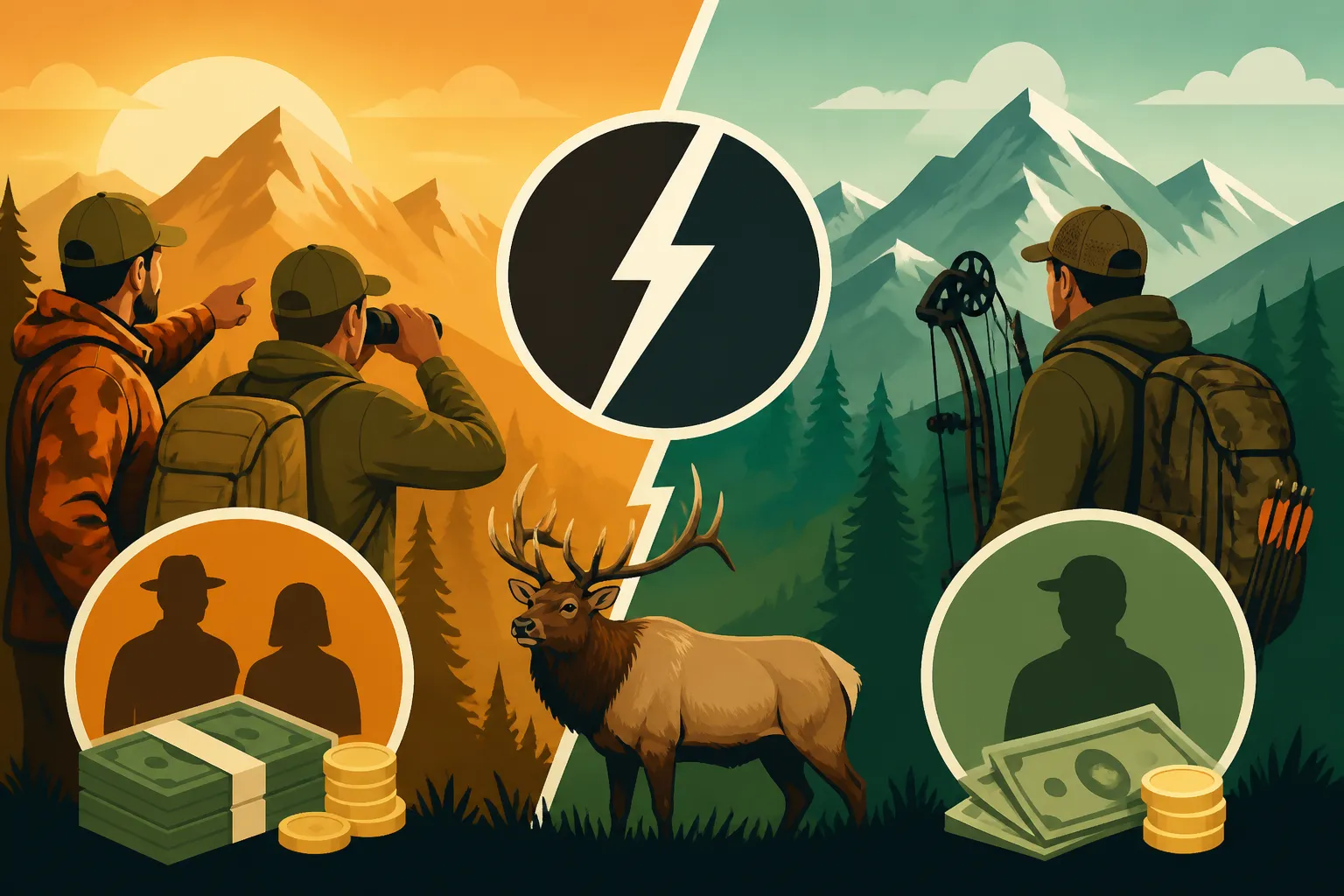
Planning a hunting trip to Colorado can feel like navigating a dense aspen grove in a snowstorm, especially when you're trying to figure out the financial commitment. Many aspiring elk hunters, or even seasoned veterans looking for a change, find themselves wrestling with one fundamental question: do I go it alone on an over-the-counter (OTC) DIY hunt, or do I invest in a guided experience? This guide will meticulously break down the often-misunderstood costs and values associated with both approaches, helping you make an informed decision for your next Colorado adventure.
Understanding the True Cost of a Colorado DIY Hunt
Embarking on a do-it-yourself (DIY) hunt in Colorado's vast public lands is a dream for many, offering unparalleled freedom and the raw satisfaction of earning your success. However, the term "DIY" often conjures images of significant savings compared to guided trips. While it's true you're cutting out the outfitter's fee, a truly comprehensive look at a DIY hunt reveals a multitude of expenses, both obvious and hidden, that can quickly add up.
The Obvious Out-of-Pocket Expenses
When you start sketching out your budget for a Colorado DIY hunt, there are a few big-ticket items that immediately jump out. These are the costs that most hunters factor in, and they form the foundation of your financial plan.
First and foremost are your licenses and tags. As a non-resident, a Colorado big game hunting license can be a significant investment, often ranging from $400 to $600 just for the privilege of hunting. Then, you'll need the actual elk tag, which for an over-the-counter bull or either-sex tag, can easily set you back another $700 to $800. If you're chasing mule deer, those tags are typically drawn, but the cost is comparable. Remember, these fees are non-refundable once purchased, even if your hunt doesn't go as planned. You'll want to thoroughly understand the nuances of Colorado OTC Elk Tags Explained before committing to this route.
Beyond the tags, you have the considerable expense of travel. Are you driving from Texas, flying from Florida, or making a shorter trek from a neighboring state? Factor in fuel costs for your vehicle, both to get to Colorado and for driving around scouting once you're there. If flying, you'll have airfare, baggage fees (especially for gear and perhaps even coolers to bring meat home), and rental car costs. Colorado is a big state, and some prime hunting units are hours from major airports like Denver International.
Food and lodging are also major line items. Are you planning on roughing it with a tent and cooking over a camp stove? That's certainly the most economical, but still requires groceries. Or are you considering more comfortable options, perhaps a hotel in a nearby mountain town before or after the hunt, or even renting a small cabin? Even basic campsites in popular areas can have nightly fees. Most hunters budget for a hearty, high-calorie diet suitable for strenuous activity, which isn't always cheap.
Lastly, don't forget the miscellaneous but essential purchases like maps (physical and digital, like onX Hunt subscriptions), game bags for packing out meat, propane for your stove, and potentially new arrows or ammunition if you haven't stocked up. Each of these small costs chips away at your budget.
The Hidden Costs and Intangibles
Here's where many DIY budgets start to unravel. The "hidden" costs aren't always monetary; sometimes they're an investment of time, effort, and even emotional capital. Ignoring these can lead to frustration and unexpected financial strain down the road.
Gear Investment: Unless you're already a seasoned western hunter, a Colorado elk hunt often necessitates specialized gear. Think about quality hiking boots designed for steep, rocky terrain (check out Best Boots for Colorado Elk Hunting), a robust backpack capable of hauling meat (Best Backpack for a Colorado Elk Hunt), proper layering systems for rapidly changing mountain weather, a reliable water filtration system, and high-quality optics like binoculars and a spotting scope (Best Optics for Colorado Big Game). These aren't just "nice-to-haves"; they're essential for safety, comfort, and success. A full setup can easily run into thousands of dollars, an initial investment that might rival the cost of a guided hunt itself if you're starting from scratch. While you'll own the gear for future hunts, it's a significant upfront expenditure.
Meat Processing and Storage: What happens when you actually get an elk down? You'll need to know How to Pack Out an Elk in Colorado, which often involves specialized tools and knowledge. Then comes the processing. Are you butchering it yourself at camp, or taking it to a local meat processor? Processors in hunting towns like Craig, Meeker, or Montrose can charge anywhere from $400 to $800+ for a whole elk, depending on cuts and packaging. Don't forget coolers and ice to keep that hard-earned meat cool for the drive home, or the cost of shipping if you flew in.
Time Investment: This is perhaps the most overlooked "cost." A successful DIY hunt demands a massive investment of time long before you ever set foot in Colorado. This includes:
- E-scouting: Weeks, if not months, spent studying maps, looking at satellite imagery, and researching potential units. Websites like
GoHuntoffer incredible tools for this, but mastering them takes time. Our guide on How to E-Scout Before a Colorado Hunt delves into this extensively. - Physical Preparation: Colorado's high-altitude, rugged terrain is no joke. Getting in shape is crucial, and that means dedicated training time, potentially including altitude acclimation, as discussed in How to Physically Prepare for Colorado Elk.
- Skill Development: Practicing your calling, shooting at various angles, and honing your tracking skills all take time.
- Actual Hunt Time: Most successful DIY elk hunts require at least 7-10 days on the ground, sometimes more, especially if you're traveling a long distance. That's a significant amount of vacation time or unpaid leave.
The Learning Curve and Potential for Failure: Let's be realistic: DIY hunting, especially for species like elk in Colorado, is hard. You're trading money for self-reliance, but that often comes with a steep learning curve. First-time DIY hunters often face a lower success rate, not for lack of effort, but due to inexperience with the terrain, animal behavior, and the sheer logistical challenges. The "cost" here is the potential disappointment of an unsuccessful hunt after investing so much.
Breaking Down the Costs of a Guided Colorado Hunt
On the flip side, a guided hunt streamlines much of the planning and execution, offering a higher probability of success and a more curated experience. However, this convenience and expertise come with a higher upfront price tag. Understanding what's included and what influences the cost is key to evaluating its value against a DIY approach.
What's Included in a Guided Package
The beauty of a guided hunt is that many of the logistical headaches disappear. When you pay for a reputable Colorado outfitter, you're not just paying for their time; you're paying for their intimate knowledge of the land, the animals, and their experience in getting hunters on game.
Most standard guided elk hunt packages in Colorado typically include:
- Guide Services: This is the core offering. Your guide knows the unit, where the elk typically feed, bed, and travel. They'll have scouted before your arrival, mitigating much of your pre-hunt time investment. They also handle calling, tracking, and field judging.
- Lodging: This can range from comfortable wall tents in a remote drop camp, often accessed via horseback (our Colorado Backcountry Hunting Guide covers these types of camps), to rustic cabins, or even full-service lodges with amenities.
- Meals: Outfitters usually provide all meals during your hunt, often hearty, home-cooked fare designed to fuel strenuous days in the mountains. This means no grocery shopping or camp cooking for you.
- Transportation: From a designated meeting point, the outfitter typically handles transportation into and out of the hunting area, and often during the hunt itself via ATVs, horses, or trucks.
- Field Dressing and Packing Out: This is a huge benefit, especially after a successful kill. Guides are experts at quickly and efficiently field dressing an animal, and they'll handle the grueling task of packing out the meat to a cooler or processor. This alone saves immense physical effort and time.
- Expertise and Safety: Beyond putting you on game, a good guide ensures your safety in potentially dangerous mountain environments, from navigating tricky terrain to dealing with wildlife encounters. Their experience is invaluable, especially for those new to western hunting.
There are different levels of guided hunts, each with varying inclusions and price points. A "fully guided" hunt is the most comprehensive, including all of the above. "Semi-guided" might involve the outfitter dropping you off in a proven area with a map and instructions, then picking you up later. "Drop camps" typically include packing you and your gear into a remote location, setting up a camp, and then picking you up later, but you hunt independently in between. Consider Colorado Guided Hunt Cost for a deeper dive into these specifics.
Price Ranges and Factors Influencing Cost
The cost of a guided hunt in Colorado can vary dramatically, from a few thousand dollars to upwards of $15,000 or more, depending on several factors.
Species and Trophy Potential: Elk hunts are generally more expensive than deer or bear hunts due to demand and the logistical challenges involved. Hunts for trophy animals (e.g., specific bull elk units known for larger antlers) will command a higher premium than hunts focused purely on filling the freezer with a cow elk.
Duration and Type of Hunt: Most guided hunts run for 5-7 days. Longer hunts naturally cost more. Fully guided, one-on-one hunts (one hunter per guide) are the most expensive, while 2-on-1 (two hunters per guide) or larger group hunts offer a slightly lower price point. Drop camps are usually the most affordable guided option, as they remove the daily guiding component.
Private vs. Public Land: Outfitters operating on private land or through programs like Ranching for Wildlife often have significantly higher prices because they can offer exclusive access and often boast higher success rates due to limited pressure. Public land outfitters generally have lower overhead in terms of land access fees, which can translate to slightly more competitive pricing.
Season: Archery elk hunts, especially during the rut, can sometimes be priced higher than rifle seasons due to the specific challenges and calling strategies involved. Early rifle seasons can also command a premium due to typically better weather and more active elk.
Luxury Level: Some outfitters offer more "luxurious" experiences with heated cabins, gourmet meals, and amenities, which will obviously be more expensive than a rustic tent camp with basic provisions.
As a general guideline, a 5-7 day fully guided elk hunt in Colorado might run anywhere from $5,000 to $10,000+ per person, not including license/tag fees and tips. Semi-guided or drop camp options might range from $2,500 to $5,000. Websites like BookYourHunt are excellent resources for finding and comparing outfitters and their packages, allowing you to filter by species, location, price, and services offered.
Comparing the Investment: DIY vs. Guided
Now that we've laid out the components of each approach, let's stack them up side-by-side. It's not just about the final dollar amount, but the value you receive for your investment, both financially and experientially.
Financial Breakdown Table
To give you a clearer picture, here's a rough comparison of potential costs for a non-resident on a 7-day Colorado elk hunt. Keep in mind these are estimates and can fluctuate greatly based on your choices.
| Cost Category | DIY Hunt (Estimated Range) | Guided Hunt (Estimated Range) | Notes |
|---|---|---|---|
| Non-Resident License | $400 – $650 | $400 – $650 | Required for both. |
| OTC Elk Tag | $700 – $800 | $700 – $800 | Often included in guided package price, but usually you pay for the tag directly. |
| Travel (Fuel/Airfare) | $500 – $2000 | $500 – $2000 | To Colorado and back. Rental car might be needed for DIY. |
| Lodging | $100 – $700 (Camp/Hotel) | Included (Tent/Cabin/Lodge) | DIY can be cheaper with camping, but can add up for motels. |
| Food & Water | $150 – $300 | Included | DIY means buying and preparing all your own food. |
| Gear (Initial Outlay) | $1000 – $5000+ | $0 – $1000 (Personal Items) | Significant for DIY, especially if starting from scratch. Guided requires less specialized. |
| Meat Processing | $400 – $800 | $400 – $800 (often not incl.) | Can be done DIY or by processor. Some outfitters assist, but rarely pay for it. |
| Game Bags / Coolers | $50 – $200 | $0 – $100 | Often provided by outfitters, but not always. |
| GPS/Mapping App (e.g., onX) | $30 – $100 | $0 – $100 | Essential for DIY, useful for guided. |
| Subtotal (Approx.) | $3330 – $10650 | $2700 – $6050 + Guide Fee | Guide fee is the big differentiator. |
| Guide Fee | N/A | $2500 – $10000+ | |
| Tips for Guide | N/A | $500 – $1000+ (10-20% of fee) | Standard practice for guided hunts. |
| Total Estimated Cost | $3330 – $10650 | $5700 – $19000+ | Range varies widely based on choices and outfitter. |
As you can see, the range of costs for a DIY hunt can actually overlap with some of the more affordable guided options, especially if you're making significant initial gear investments. The key difference is often the "guide fee" which bundles many services.
Beyond the Dollar: Value and Experience
While the financial comparison is crucial, it's not the only factor. The value you get from each experience extends far beyond the monetary investment.
Success Rates: Statistically, guided hunts often boast higher success rates than DIY public land hunts, especially for elk. Outfitters spend months scouting, have intimate knowledge of animal patterns, and use their experience to adapt to changing conditions. For someone who has limited time and wants to maximize their chances of harvesting an animal, a guided hunt offers a significant advantage. This doesn't guarantee success, but it certainly tips the odds in your favor.
Learning Curve and Expertise: If you're new to Western hunting, the learning curve on a DIY elk hunt can be incredibly steep and, frankly, frustrating. A guided hunt provides an instant education. You're learning from a seasoned pro who can teach you about elk behavior, calling techniques (How to Call Elk in Colorado), tracking, and mountain navigation in real-time. This can be invaluable for future DIY endeavors.
Physical Demands and Stress Reduction: Let's face it, hunting elk in Colorado is physically grueling. A guided hunt can significantly reduce the physical stress, especially during the pack-out, which is arguably the hardest part of the hunt. Having someone else handle camp logistics, cooking, and heavy lifting allows you to focus purely on the hunt itself. This is a huge benefit for hunters who might not be in peak physical condition or simply want a less strenuous experience.
Time Off Work: For many, vacation time is a precious commodity. A DIY hunt demands not just the hunting days but also significant pre-hunt scouting, planning, and travel. A guided hunt condenses much of this, allowing you to spend more of your valuable time actually hunting.
Safety and Security: Venturing deep into the Colorado backcountry alone or with inexperienced partners carries inherent risks. Guides are trained in wilderness first aid, navigation, and emergency protocols, offering a layer of safety and peace of mind that's hard to put a price on.
On the other hand, the DIY experience offers an unparalleled sense of accomplishment. The pride of planning every detail, navigating the wilderness, and ultimately, finding and harvesting an animal entirely on your own terms is deeply rewarding. It’s an adventure that builds character and self-reliance. For those who value independence and the challenge of figuring it all out, the DIY route offers a unique satisfaction that a guided hunt, no matter how successful, can't fully replicate. Tools like those from GoHunt can empower DIY hunters with data to improve their odds and planning.
Making the Right Choice for Your Colorado Adventure
Ultimately, the decision between a guided hunt and a DIY adventure comes down to a blend of your budget, experience level, available time, and what kind of hunting experience you truly desire. There’s no single "right" answer, only the right answer for you.
When DIY Makes Sense
A DIY approach to hunting in Colorado is often the chosen path for several types of hunters:
- Experienced Western Hunters: If you've already put in the time, learned the terrain, and understand elk behavior in the Rockies, a DIY hunt is a natural progression. You've likely already invested in the necessary gear and have the confidence to tackle the logistical challenges yourself. For these hunters, it’s about continuing to hone skills and experiencing the wilderness on their own terms.
- Budget-Conscious Hunters: While we've seen that DIY isn't "cheap," it can be the most economical route if you already own most of your gear, are willing to camp simply, and can drive to the hunting grounds. If your priority is to put meat in the freezer without a significant upfront outlay for an outfitter, and you have the time to invest in scouting and preparation, DIY can certainly save you thousands. You might also consider targeting Colorado Cow Elk Tags Explained for a more budget-friendly approach to meat hunting.
- The Self-Reliant Adventurer: Some hunters are driven by the challenge of doing it all themselves. They cherish the independence, the problem-solving, and the deep connection to the land that comes from being entirely self-sufficient. For them, the journey and the effort are as important as the outcome. The experience of navigating complex public lands, like those discussed in our Colorado Public Land Hunting Guide, is part of the allure.
- Hunters with Ample Time: If you have weeks or even months to dedicate to e-scouting, physical conditioning, and then at least 7-10 days on the ground in Colorado, the DIY route becomes more feasible. Time is a resource, and DIY demands a lot of it.
When a Guided Hunt Is Worth It
Conversely, a guided hunt offers immense value for those in different situations:
- First-Time Western Hunters: Stepping into the vastness of the Colorado Rockies for your first elk hunt can be overwhelming. A guide provides invaluable mentorship, significantly eases the learning curve, and vastly increases your chances of a successful first experience. It’s an excellent way to learn the ropes without feeling completely lost. Consider looking at Best Colorado Elk Hunting Areas for Beginners and booking a guided trip there.
- Hunters with Limited Time: If you have a demanding job or limited vacation days, a guided hunt compresses the entire process. You show up, hunt, and leave, with most logistics handled for you. This maximizes your efficiency and allows you to enjoy the hunt without the burden of extensive planning.
- Those Seeking a Specific Trophy: If your goal is to harvest a mature, high-scoring bull elk, booking with a reputable outfitter who consistently produces big animals, often on private land or in highly sought-after units, dramatically improves your odds. These outfitters have the resources and knowledge to target specific animals.
- Hunters with Physical Limitations: The mountains are tough. If age, injury, or physical condition makes certain aspects of a DIY hunt (like heavy pack-outs or navigating extreme terrain) challenging, a guided hunt with assistance for those tasks can make your dream hunt a reality.
- High Probability of Success: For hunters who prioritize a successful harvest above all else, and are willing to pay for increased odds, a guided hunt is often the best investment. This is especially true for draw units where you've invested many Colorado Draw System and Preference Points and want to make that coveted tag count.
Ultimately, whether you choose the rugged independence of a DIY hunt or the expertly curated experience of a guided trip, Colorado offers incredible hunting opportunities. Weigh your priorities, assess your resources, and choose the path that aligns best with your vision of a memorable hunt. Regardless of your choice, make sure you understand the various Colorado Elk Hunting Methods Explained to prepare yourself.
Disclaimer
Please be aware that hunting regulations, license fees, and season dates are subject to change by Colorado Parks and Wildlife (CPW). Always consult the most current CPW regulations and proclamations before planning any hunt. This guide provides general information and cost estimates, which may vary based on market conditions, specific outfitters, and individual choices.