Colorado Hunting Outfitters Near Craig
Finding a reputable hunting outfitter in an area as renowned as Craig, Colorado, can feel like searching for a needle in a haystack – there are so many options, so many promises, and it’s hard to know who to trust with your valuable hunt. This guide is here to cut through the confusion, helping you understand what makes the Craig area a premier hunting destination and how to navigate the world of local outfitters to find the perfect match for your Colorado big game adventure.
Why Craig, Colorado is a Prime Outfitter Hub
Craig, often proudly proclaimed as the "Elk Hunting Capital of the World," isn't just a catchy title; it's a testament to the region's incredible wildlife populations and diverse hunting opportunities. Situated in Moffat County in northwestern Colorado, Craig serves as a gateway to vast expanses of public and private lands teeming with elk, mule deer, and other big game. This strategic location makes it a natural magnet for both DIY hunters and professional outfitters looking to provide unforgettable experiences.
The Golden Triangle for Elk and Deer
The region surrounding Craig, particularly the public lands like the Routt National Forest and Bureau of Land Management (BLM) acreage, along with numerous private ranches, forms what many hunters consider a "golden triangle" for elk and mule deer. The terrain is varied, ranging from sagebrush flats and pinyon-juniper breaks to high aspen forests and dark timber, offering ideal habitat throughout the year.
The sheer number of animals, especially elk, is a primary draw. The massive elk herds of the White River and Flat Tops Wilderness, which often migrate through or winter in areas accessible from Craig, ensure robust opportunities. This high game density translates into better odds for hunters, which is precisely why so many outfitters base their operations here. They know the migration patterns, the bedding areas, and the feeding grounds that hold animals, significantly increasing your chances compared to just wandering into the woods.
Accessible Public and Private Land Opportunities
One of the biggest advantages of hunting near Craig is the blend of accessible public and private land. While Colorado is famous for its extensive public lands, navigating these vast areas can be daunting. Outfitters in the Craig area often have permits to operate on national forests and BLM lands, giving them the legal authority and experience to guide clients deep into productive zones that might be difficult for a self-guided hunter to access or scout effectively.
Beyond public lands, many local outfitters have secured exclusive hunting rights on large private ranches. These private land opportunities can be a game-changer, especially during rifle seasons when public lands can see significant pressure. Hunting private land often means less competition, unpressured animals, and the ability to hunt specific properties managed for quality animals. This mix of public and private access allows outfitters to tailor hunts to different client preferences, from rugged backcountry treks to more comfortable ranch-based experiences. Understanding these diverse options is key to choosing the right outfitter for your adventure.
Types of Outfitters and Services in the Craig Area
When you start looking for an outfitter near Craig, you'll quickly realize that not all services are created equal. The options generally fall into a few categories, each with its own level of support, cost, and typical hunting style. Knowing these distinctions is crucial for finding a service that aligns with your expectations and budget.
Fully Guided Expeditions
A fully guided hunt is often what people envision when they think of hiring an outfitter. These are comprehensive packages where the outfitter provides just about everything you need once you arrive at their camp or lodge. This typically includes lodging, meals, a dedicated guide (often one-on-one or one-on-two), transportation in the field, game retrieval, and initial field dressing.
For hunters new to Colorado's rugged terrain, or those looking to maximize their chances with minimal stress, a fully guided hunt can be invaluable. Your guide will have spent countless hours scouting the area, understanding the movements of the local herds, and knowing where to find animals. They'll handle the navigation, calling, tracking, and all the nitty-gritty details, allowing you to focus purely on the hunt. This is particularly beneficial for hunting during the challenging late-season elk hunting tactics or navigating the complexities of a first Colorado elk hunt. Outfit like Northwest Colorado Outfitters or Colorado High Country Adventures often offer these robust packages, catering to hunters seeking a high-touch experience.
Semi-Guided and Drop Camp Options
If a fully guided hunt is a bit outside your budget or you prefer a more independent experience with some logistical support, semi-guided and drop camp options are fantastic alternatives. A semi-guided hunt typically means the outfitter provides camp, meals, and general guidance on where to hunt, but you do the actual stalking and calling yourself. They might take you to a trailhead, suggest areas, or provide maps and advice based on current animal movement, but they won't be with you every step of the way. This is a great middle-ground for experienced hunters who know how to hunt but want help with camp logistics and valuable insights into the local terrain and animal behavior.
Drop camps, on the other hand, are perfect for the truly self-reliant hunter who wants to experience a backcountry hunt without the burden of packing in all their gear. With a drop camp, an outfitter will pack you and your gear (and often your horses) into a remote, pre-established camp in the wilderness, then pick you up at a predetermined date. You'll typically have a wall tent, cooking supplies, and maybe even a wood stove, but everything else—food, hunting, tracking, field dressing, and packing out your game—is on you. This offers a deeply immersive experience in areas like the Flat Tops Wilderness, allowing you to focus on Colorado Backcountry Hunting Guide without the heavy lifting of setting up a remote camp. It's a physically demanding but incredibly rewarding way to hunt.
Private Ranch Access
Many outfitters in the Craig vicinity also specialize in private ranch hunts, often leveraging Colorado Landowner Vouchers Explained. These hunts can offer a significantly different experience than public land adventures. Private ranches can provide exclusive access to prime habitat, often with less hunting pressure and potentially larger animals due to careful land management.
Outfitters who operate on private land typically have long-standing relationships with landowners, securing exclusive access for their clients. This can be especially appealing for those seeking a more controlled environment, perhaps with guaranteed tags (often included with the hunt price) or specific trophy goals. While generally more expensive than public land hunts, private ranch hunts can offer higher success rates and a more relaxed pace. Some Craig-area outfitters, like Elkhorn Outfitters, are known for their strong private land access, offering clients a chance at quality animals without the public land crowds. These experiences can sometimes bypass the traditional Colorado draw system, making it easier for non-residents to secure tags for desirable units.
To help visualize the differences, here's a quick comparison of outfitter services:
| Service Type | Guidance Level | Typical Inclusions | Hunter Skill Level | Pros | Cons |
|---|---|---|---|---|---|
| Fully Guided | High (1:1 or 1:2 guide) | Lodging, meals, guide, in-field transport, game care | Beginner-Moderate | Maximized success, minimal planning, expert knowledge | Highest cost, less independence, fixed schedule |
| Semi-Guided | Moderate (area advice, camp) | Camp, meals, general area guidance | Moderate-Experienced | More independence, lower cost than fully guided, camp support | Still need strong hunting skills, less direct assistance |
| Drop Camp | Low (pack-in/out, camp setup) | Tent, cooking gear, pack service to/from camp | Experienced | Deep backcountry experience, solitude, logistical support for access | Most physically demanding, all hunting decisions are yours, no guide |
| Private Ranch | Varies (guided or semi-guided) | Access to private land, often guaranteed tags | Any | Less pressure, high success rates, often trophy opportunities | Higher cost, less "wilderness" feel, can be less challenging |
What to Consider When Choosing an Outfitter Near Craig
So, you've decided to go with an outfitter in the Craig area. Excellent choice! But before you whip out your wallet, it’s absolutely critical to do your homework. Choosing the wrong outfitter can turn your dream hunt into a nightmare. You're investing significant time, money, and emotional energy, so make sure you're making an informed decision.
Vetting an Outfitter's Reputation and Credentials
This is arguably the most important step. Don't just pick the first name you see online. A reputable outfitter will be transparent and proud of their operation. Here's what to look for:
- Licensing and Insurance: In Colorado, outfitters are required to be licensed by the Colorado Outfitter and Guide Licensing Board. Always verify their current license. This ensures they meet professional standards and carry liability insurance, which is crucial for your safety. Don't hesitate to ask for proof.
- References: A good outfitter will have a list of past clients you can contact. Reach out to at least three, and ask specific questions: Was the hunt as advertised? How was the food and lodging? Were the guides knowledgeable and helpful? What was the general atmosphere like? Did they assist with game retrieval and processing?
- Online Reviews and Forums: While you should take online reviews with a grain of salt, they can offer valuable insights. Check hunting forums and dedicated outfitter review sites. Be wary of outfitters with no online presence or exclusively perfect reviews (sometimes too good to be true!). Platforms like
BookYourHuntcan be a good starting point for finding vetted outfitters with public reviews, helping you connect directly with potential guides. - Experience in the Area: How long has the outfitter been operating specifically in the Craig area? Do they have deep knowledge of the specific GMUs (Game Management Units) they hunt? Experience translates directly to understanding animal behavior, habitat, and navigating challenging conditions. For example, an outfitter experienced in GMU 12 will have a better understanding of the local elk herds than someone just starting out in the region.
Understanding Costs and Inclusions
One of the biggest frustrations hunters face is hidden costs or unclear expectations. When discussing prices, ensure you get a detailed breakdown of what's included and what's not.
- Base Price vs. All-Inclusive: Understand if the quoted price covers just the guiding service, or if it includes meals, lodging, transportation from a local airport (like Yampa Valley Regional Airport in Hayden, or even Denver International if they offer shuttles), field dressing, and caping. Some outfitters might offer seemingly cheaper hunts, but then nickel-and-dime you for every additional service.
- Gratuities: Tipping your guide is customary and expected. Ask about their suggested gratuity percentages (usually 10-20% of the hunt cost) so you can budget appropriately. This is an important part of a guide's income and acknowledges their hard work.
- Licenses and Tags: Does the outfitter assist with applying for tags, or are you responsible for securing your own? If you're looking at private land hunts, are landowner tags part of the package, or do you still need to draw? Remember, even with an outfitter, you'll need to pay for your Colorado Non-Resident Hunting License Guide and the specific tags.
- Meat Processing and Taxidermy: What's the plan once you harvest an animal? Will the outfitter transport it to a local processor in Craig or Meeker, or is that your responsibility? Who covers the processing costs? Similarly, if you want a trophy mounted, do they work with a local taxidermist, and what are the arrangements for getting your cape and antlers home?
Matching Services to Your Hunting Style
Your ideal hunt depends on your experience level, physical condition, and what you hope to gain from the trip. Be honest with yourself and your potential outfitter about these factors.
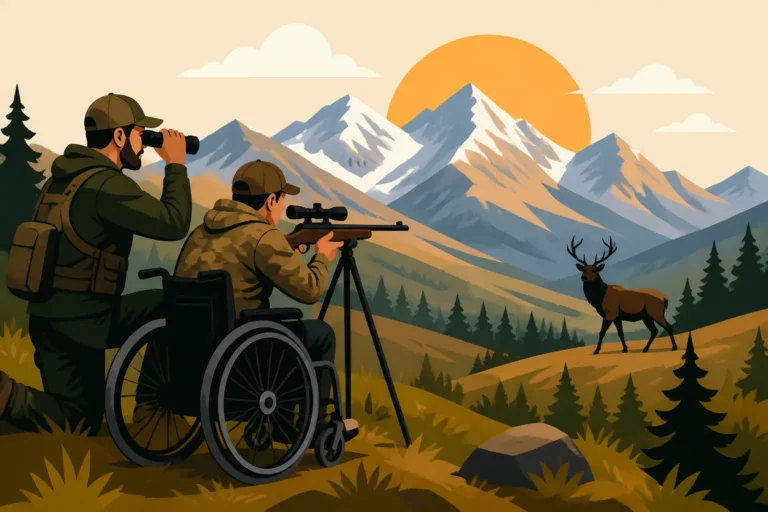
- Physical Demands: Craig's surrounding mountains and high country can be rugged. If you're booking a backcountry hunt, ensure you're physically prepared for altitude and strenuous hiking. Some outfitters specialize in accessible hunts for less mobile clients, while others cater to hardcore backpack hunters looking for a challenge. Ask about the typical daily routine and the terrain you'll be covering. Tools like
GoHuntprovide excellent resources for researching unit topography and elevation, helping you gauge the physical demands before committing to a specific area or outfitter. - Weapon Choice: Are you an archery hunter, a muzzleloader enthusiast, or do you prefer rifle hunting? Ensure the outfitter has experience guiding for your chosen weapon during the relevant Colorado hunting seasons explained. Archery hunting, for instance, requires different tactics and calling skills than rifle hunting.
- Species Focus: While Craig is primarily known for elk and mule deer, some outfitters might also offer bear, pronghorn, or other species. Confirm their expertise and success rates for the specific animal you're targeting. For someone dreaming of a trophy bull, an outfitter with a strong track record of guiding successful Colorado Elk Hunting Methods Explained will be a better choice than a generalist.
Planning Your Hunt with a Craig Outfitter
Once you've done your due diligence and picked the perfect outfitter near Craig, the real fun of planning begins! This final stage involves confirming details, getting yourself ready, and ensuring all logistics are squared away for a smooth and successful hunting trip.
The Booking Process and Key Questions
Booking your hunt is more than just sending a deposit; it's about clearly communicating expectations and solidifying all the details.
- Contract Review: Always get a written contract that outlines all inclusions, exclusions, dates, payment schedules, cancellation policies, and liability waivers. Read it carefully. Don't hesitate to ask for clarification on any clause that isn't clear. This document protects both you and the outfitter.
- Communication: Establish clear lines of communication with your outfitter. How often should you expect updates? Who is your primary contact person? A good outfitter will be proactive in sharing information, especially as the hunt date approaches, perhaps offering scouting reports or weather insights.
- Pre-Hunt Information: Expect your outfitter to send you a detailed packing list, travel directions, a suggested fitness regimen, and any specific gear requirements (e.g., specific boot types, camo patterns, or optics). If they don't, ask for it! This information is crucial for your preparation. This is where insights from a Colorado Backcountry Hunting Guide can supplement the outfitter's advice.
- Tag Strategy: Discuss your tag strategy well in advance. If you're hunting public land, you'll likely need to navigate the Colorado draw system and build preference points. Your outfitter can advise on the best units for your desired hunt type and point requirements. For example, some units around Craig might be good for Colorado OTC elk tags explained during archery season, while others require years of preference points for rifle season.
Physical and Mental Preparation for a Craig Hunt
Even with an experienced guide, your success and enjoyment heavily depend on your personal preparation. Colorado hunting is physically demanding.
- Fitness Regimen: Start your physical conditioning months, not weeks, before your hunt. Focus on cardiovascular endurance, leg strength, and core stability. Hiking with a weighted pack (mimicking the weight of your hunting gear) is excellent practice. Remember, you'll be operating at elevations that most hunters aren't accustomed to, which is why a plan for How to Physically Prepare for Colorado Elk is paramount.
- Altitude Acclimation: If you're coming from sea level, plan to arrive in Craig a few days early to acclimate to the higher elevation. Even Craig itself sits at over 6,000 feet, and hunting areas will often be much higher. Hydrate continuously, avoid excessive alcohol, and take it easy for the first day or two.
- Mental Toughness: Mountain hunting can be tough—long days, unpredictable weather, and sometimes slow hunting. Develop mental resilience. Being able to push through discomfort and maintain a positive attitude can be the difference between success and frustration.
- Shooting Practice: Practice shooting your weapon from various positions and at different distances, including uphill and downhill shots, if possible. Knowing your rifle's capabilities and your own limitations will increase your confidence when the moment of truth arrives. Consider taking an advanced shooting course if you're not fully confident.
Logistics: Licenses, Gear, and Game Processing
The details can make or break a trip. Don't leave these to the last minute.
- Licenses and Habitat Stamps: Ensure you have all necessary licenses and stamps well before your hunt. In Colorado, this typically includes a hunting license and a Habitat Stamp. Double-check all dates and ensure your tags match your hunt unit and weapon type.
- Essential Gear: Your outfitter will provide a packing list, but generally, expect to need quality layering clothing, waterproof outerwear, durable hiking boots, a reliable hunting backpack, optics (binoculars, rangefinder), and a sleeping bag rated for cold temperatures. Don't skimp on quality, especially for boots and optics. For more detail, you can refer to a Colorado Backcountry Hunting Gear List.
- Game Processing and Storage: Discuss with your outfitter exactly how harvested game will be handled. Who quarters the animal? How is it kept cool? What are the options for local meat processing in Craig (e.g., Craig Custom Processing) and how will you transport your meat home? If flying, you'll need to arrange for freezer boxes and shipping, which can be a significant undertaking. Knowing How to Quarter an Elk in the Field is a crucial skill, even with a guide.
By diligently working through these steps, you'll not only secure a great outfitter near Craig but also ensure you're personally prepared for the adventure of a lifetime in Colorado's stunning hunting grounds.
Disclaimer
Please be aware that hunting regulations, license costs, and season dates in Colorado can change. Always consult the official Colorado Parks and Wildlife (CPW) website or publications for the most current and accurate information before planning any hunting trip. This guide is for informational purposes only and should not be considered legal advice or a substitute for official CPW resources.