Colorado Guided Hunts for Disabled Hunters
For many disabled hunters, the dream of an epic Colorado hunting adventure can feel out of reach, often fraught with worries about inaccessible terrain, lack of specialized equipment, and the sheer physical demands of the high country. This comprehensive guide is here to shed light on how guided hunts specifically cater to disabled hunters, breaking down the barriers and opening up the stunning landscapes and abundant wildlife of Colorado for everyone.
Understanding the Unique Obstacles for Disabled Hunters
Hunting in Colorado is an incredible experience, but it comes with challenges for everyone, let alone those with physical disabilities. The rugged mountains, dense timber, and unpredictable weather can create significant hurdles, turning what should be an exciting pursuit into a daunting task without proper support and planning. It's not just about the shot; it's about getting there, staying comfortable, and safely getting back.
Navigating Mountainous Terrain and Mobility Concerns
Colorado's hunting units often encompass vast expanses of national forests and wilderness areas, characterized by steep inclines, rocky trails, and uneven ground. For hunters using wheelchairs, crutches, or with limited mobility, simply moving through this environment can be impossible without specialized assistance. The dream of chasing a bull elk through an aspen stand or glassing a mule deer from a high ridge can be quickly dashed by the reality of a muddy trail or a sharp climb.
Imagine trying to navigate a game trail with a mobility device when even able-bodied hunters struggle with footing. Creek crossings, fallen timber, and sudden elevation changes become monumental obstacles. This isn't just about comfort; it's about safety. A slip or fall in remote terrain could have serious consequences, making the need for accessible paths or alternative transportation absolutely critical for a successful and safe hunt.
Overcoming Physical Demands and Accessibility Limitations
Even outside of direct mobility, the physical demands of a Colorado hunt are intense. Packing gear, quartering an animal, and the sheer endurance required for long days afield can be overwhelming. Many public lands simply aren't designed with accessibility in mind, meaning traditional access points like trailheads might not accommodate adaptive vehicles, or camp setups lack basic facilities for disabled individuals. The frustration of arriving at a promising hunting area only to find it completely inaccessible is a feeling no hunter should have to experience.
Furthermore, the altitude itself can be a significant factor. Even without mobility issues, the thinner air at higher elevations can exacerbate existing health conditions or simply make physical exertion much harder. For a disabled hunter, this adds another layer of complexity, requiring careful monitoring and potentially adapted hunting strategies to mitigate the risks associated with high-altitude environments. Planning for physical preparation is key, and resources like How to Physically Prepare for Colorado Elk can offer valuable insights, even if adapted for individual needs.
Specialized Equipment Adaptations and Logistics
The standard hunting gear list often falls short when it comes to supporting disabled hunters. From adaptive shooting rests and specialized scopes to all-terrain wheelchairs and modified vehicles, the equipment needs can be extensive and costly. Transporting this specialized gear to and around a hunting location presents its own set of logistical challenges. It's not just about having the gear, but ensuring it's functional, reliable, and properly integrated into the hunting plan.
Consider the challenge of retrieving a harvested animal. For a disabled hunter, packing out an elk is an almost impossible task without a team of dedicated individuals or specialized equipment like game carts designed for rugged terrain. The logistical puzzle of safely and efficiently handling an animal post-harvest is a critical component that requires foresight and often, external support. Without these considerations, a successful hunt could quickly turn into a difficult and dangerous situation.
The Advantage of a Guided Hunt for Accessibility
This is where a quality guided hunt truly shines for disabled hunters. Outfitters specializing in accessible hunts aren't just providing a service; they're providing a pathway to independence and fulfilling a lifelong passion. They understand the specific needs and challenges, and they tailor their entire operation to ensure a safe, comfortable, and successful experience.
Tailored Support and Expert Guidance
One of the greatest benefits of a guided hunt for disabled individuals is the personalized attention and expertise offered by professional outfitters. These guides often have extensive experience working with hunters of varying abilities, understanding how to adapt strategies and provide the right level of support without being overbearing. They are intimately familiar with the terrain, animal behavior, and the most accessible routes within their hunting areas, whether on private land or within specific public units.
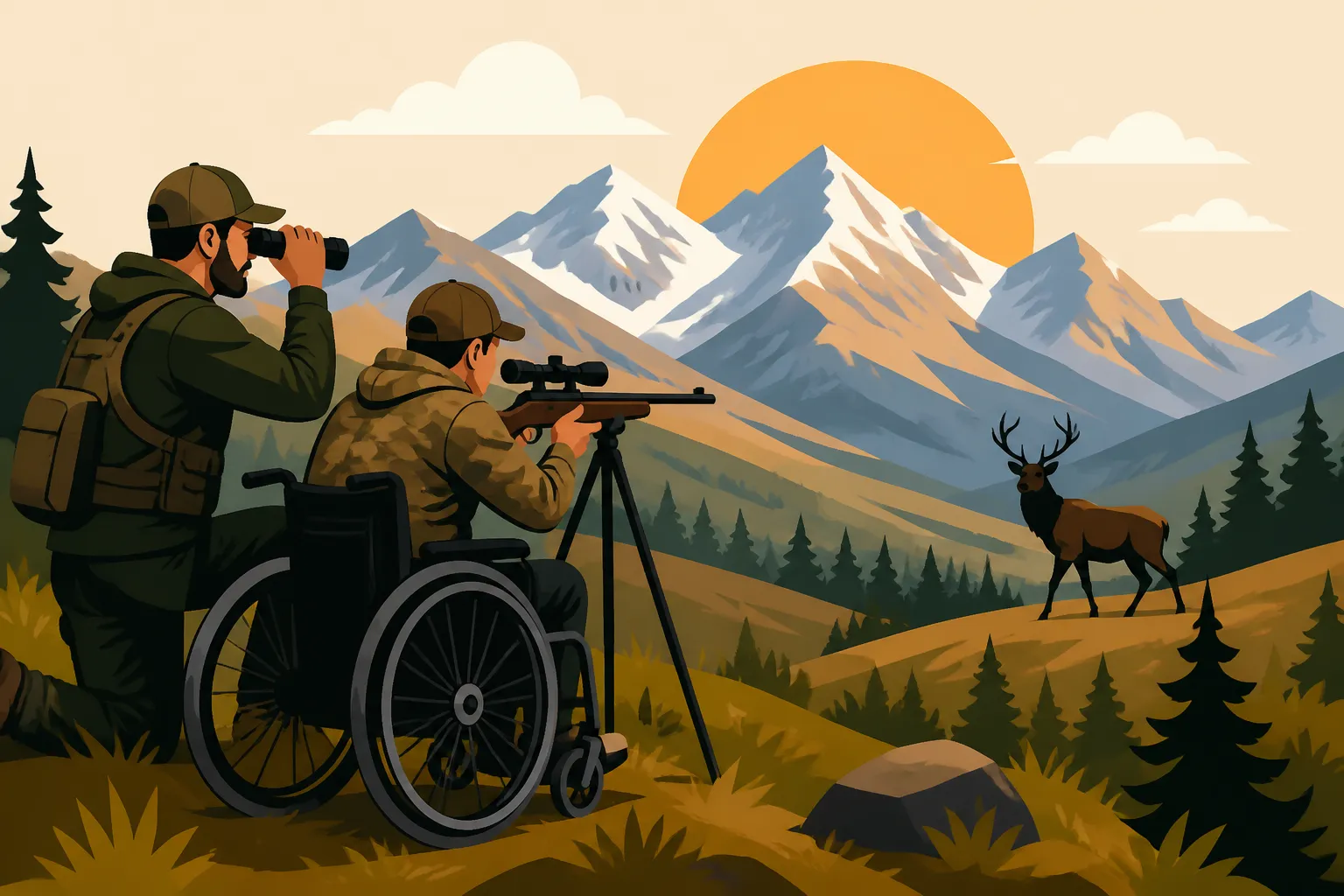
A good guide acts as an invaluable resource, assisting with everything from spotting game and judging distances to tracking and field dressing. They can modify hunting blinds for wheelchair access, provide stable shooting platforms, and even assist with loading and unloading adaptive equipment. This level of dedicated support transforms a potentially overwhelming solo endeavor into a manageable and enjoyable group experience, making the dream of a Colorado Elk Hunting Guide or Colorado Mule Deer Hunting Guide a reality.
Access to Suitable Hunting Grounds and Facilities
Many outfitters catering to disabled hunters have access to private land or specific public land leases that are inherently more accessible or have been improved for ease of movement. This can mean flatter terrain, established roads or trails suitable for adaptive vehicles, or blinds strategically placed for optimal hunting without extensive walking. This curated access eliminates much of the guesswork and physical strain associated with finding huntable, accessible areas on your own.
These specialized hunting areas often come with facilities designed to accommodate disabled hunters, such as accessible lodging, restrooms, and dining areas in base camps. This ensures comfort and convenience throughout the entire trip, allowing the hunter to focus on the experience rather than worrying about basic logistical needs. Some outfitters even partner with programs or foundations that specifically secure accessible hunting opportunities, making the search for suitable locations much easier.
Navigating Regulations and Permitting
Colorado's hunting regulations can be complex, and understanding the specific rules for disabled hunters requires careful attention. Guided hunts often take the burden of this administrative maze off your shoulders. Outfitters are well-versed in Colorado Parks and Wildlife (CPW) regulations, including any special provisions, permits, or seasons designed for hunters with disabilities.
For instance, CPW offers specific opportunities and licenses for hunters with qualifying disabilities, such as mobility-impaired hunting permits that allow for shooting from a vehicle under certain conditions or access to designated mobility-impaired hunting areas. An experienced outfitter will know how to apply for these, understand the requirements, and ensure your hunt is fully compliant with all state laws, removing a significant source of stress from your plate. This expertise also extends to understanding general Colorado Hunting Seasons Explained and how adaptive opportunities fit within that framework.
Finding the Right Outfitter for Your Accessible Hunt
Choosing an outfitter is arguably the most critical step in planning a successful accessible hunt. It's not just about finding someone with a license; it's about finding a partner who understands your specific needs, shares your passion, and has a proven track record of delivering positive experiences for disabled hunters.
Key Questions to Ask Potential Outfitters
When you're researching potential outfitters, don't be shy about asking detailed questions. Your comfort and safety are paramount. Start by inquiring about their experience with disabled hunters: How many have they guided? What specific disabilities have they accommodated? Ask about their success rates with disabled clients, and if they can provide references from previous hunters with similar needs.
Crucially, discuss the actual hunting setup. Can they accommodate your specific mobility device? Do they have accessible blinds or stands? What kind of transportation do they use in the field – ATVs, UTVs, or modified vehicles? What is their plan for animal recovery and field care if you harvest an animal? Understanding what a What's Included in a Colorado Guided Hunt package entails, specifically for accessible needs, is vital. Platforms like BookYourHunt can be a good starting point to browse outfitters, but always follow up with direct, in-depth conversations.
Organizations and Resources for Disabled Hunters
Thankfully, there are numerous organizations dedicated to connecting disabled hunters with accessible opportunities and resources. Groups like Safari Club International (SCI) S.A.F.A.R.I. (Sportsmen Against Hunger and Rebuilding Individual Dreams) program, the National Wild Turkey Federation (NWTF) Wheelin' Sportsmen, and local chapters of organizations like Freedom Hunters and Hunt of a Lifetime often have lists of vetted outfitters, provide grants for hunts, or organize accessible events.
These organizations can offer invaluable guidance, support, and sometimes even direct assistance in funding or arranging a hunt. They often work closely with outfitters who are committed to making hunting accessible, providing a trusted network to explore. Additionally, consulting state wildlife agencies like CPW can yield information on accessible hunting areas or special permits that might not be widely advertised. Resources like GoHunt also offer detailed insights into units and draw odds, which, while not directly accessible-focused, can help inform choices once an outfitter is selected.
Planning Your Accessible Hunt Logistics
Once you've selected an outfitter, the real planning begins. Communication is key. Share detailed information about your disability, mobility limitations, medical conditions, and any specific equipment you'll be bringing. Discuss dietary needs, medication storage, and emergency protocols. Ensure your outfitter understands your personal care requirements and any assistance you might need beyond the hunt itself.
Consider the journey to Colorado as well. If flying, research accessible transportation from the airport to the outfitter's base camp. If driving, plan for accessible lodging along the way if necessary. A comprehensive Colorado Guided Hunt Packing List should be reviewed with your outfitter to ensure you have all essential items, including adaptive gear and personal comfort items, considering the often remote nature of hunting camps. Don't forget to ask about any specific travel insurance options that cover medical emergencies in remote areas.
Preparing for Your Colorado Accessible Hunting Adventure
Preparation is crucial for any hunting trip, but for disabled hunters, it takes on an even greater importance. Thorough planning, both physically and mentally, will significantly enhance your experience and success.
Physical and Mental Preparation
While your outfitter will handle many of the physical challenges, maintaining your best possible physical condition before the hunt is still important. Work with your doctor or physical therapist to develop an exercise regimen that strengthens core muscles, improves endurance, and focuses on movements relevant to your hunting method. Even small improvements in strength or flexibility can make a big difference in comfort and independence in the field.
Mentally, visualize the hunt and discuss potential scenarios with your outfitter. Understanding what to expect, from weather conditions to typical hunting methods, can reduce anxiety and build confidence. Embrace the adventure, and remember that the experience itself is often as rewarding as harvesting an animal. If you're considering a Colorado DIY Elk Hunting Guide as a future goal, this guided experience can provide invaluable insights and build confidence for more independent trips down the line.
Essential Gear for Disabled Hunters
Beyond standard hunting attire and weaponry, disabled hunters often require specialized gear. This might include all-terrain wheelchairs or mobility scooters, adaptive shooting rests (e.g., monopods, bipods, tripods, or custom mounts), specialized optics designed for ease of use, and communication devices like satellite phones or GPS trackers. Warm, waterproof clothing suitable for Colorado's unpredictable mountain weather is essential, as is a good layered system.
Ensure all adaptive equipment is thoroughly tested and maintained before your trip. Bring spare parts or tools for quick repairs if possible. Discuss with your outfitter what specialized gear they might provide or recommend. For example, some outfitters might have heated blinds or accessible ground blinds that simplify the hunting experience. Remember that Best Backpack for a Colorado Elk Hunt might not be a traditional backpack, but rather a system for carrying essentials on your mobility device.
Understanding Colorado's Adaptive Hunting Rules
Colorado Parks and Wildlife (CPW) has specific regulations and opportunities tailored for hunters with disabilities. It’s essential to be familiar with these rules, even if your outfitter is managing the permits. For example, the Mobility Impaired Hunter program (MIH) allows qualifying individuals to hunt from a stationary vehicle on certain public roads or designated areas. This program requires an application, certification from a physician, and specific permits.
Additionally, Colorado issues specific hunt codes for various species and seasons, and some of these might be designated for MIH participants or take place on Ranching for Wildlife properties that often have better access. An outfitter specializing in accessible hunts will be your best resource for navigating these details. They can help you apply for the correct licenses and permits, ensuring you comply with all local, state, and federal regulations for a legal and ethical hunt. This understanding complements general knowledge of Colorado Big Game Species Guide and their respective seasons.
Comparing Accessible Hunting Opportunities
| Feature | Guided Accessible Hunt (Colorado) | DIY Hunt (Traditional Public Land) |
|---|---|---|
| Mobility | Tailored access, adaptive transport, accessible blinds/camps | Often challenging terrain, limited accessible routes |
| Support | Dedicated guide for assistance, field care, and logistics | Relies on personal support network or self-sufficiency |
| Regulations | Outfitter handles permits, knowledge of disability provisions | Hunter responsible for all research and applications |
| Equipment | Outfitter may provide or adapt gear, advice on specialized equipment | Hunter must source all adaptive and standard gear independently |
| Land Access | Private land options, designated accessible public areas | Public land, often requires extensive scouting for suitable spots |
| Cost | Higher initial investment for services | Lower initial cost, but hidden costs in adapted gear, transport, etc. |
| Success Rates | Potentially higher due to tailored approach and expert guidance | Varies greatly based on individual preparation and unit choice |
| Experience Level | Excellent for beginners or those seeking maximum support | Requires significant experience and resilience |
Disclaimer
Please remember that hunting regulations, seasons, and licensing requirements in Colorado can change. Always consult the most current Colorado Parks and Wildlife (CPW) regulations and official resources before planning any hunting trip. This guide is for informational purposes only and should not be considered legal or definitive advice.