What to Know Before Booking an Outfitter in Craig
Thinking about booking a hunting outfitter in Craig, Colorado, can feel like navigating a maze, especially if you're not intimately familiar with the region or the specific ins and outs of guided hunts. Many hunters dream of experiencing the vast elk herds and rugged landscapes around Craig, but the sheer number of choices and the fear of picking the wrong outfitter can be overwhelming. This comprehensive guide is designed to demystify the process, giving you all the crucial information you need to make an informed decision and book an unforgettable hunting adventure in the "Elk Hunting Capital of the World."
Understanding Craig's Hunting Landscape and Why an Outfitter Makes Sense
Craig, Colorado, often proudly dubbed the "Elk Hunting Capital," isn't just a catchy nickname – it's a reflection of the area's incredible big game opportunities, particularly for elk and mule deer. But with vast tracts of public land, interwoven with private ranches, and diverse terrain ranging from sagebrush flats to dark timber and high mountains, knowing where to start your hunt can be daunting. This is precisely where a local outfitter can transform a potentially frustrating trip into a successful and enjoyable experience.
Craig, Colorado: The "Elk Hunting Capital"
The area around Craig, located in Moffat County, is renowned for its large elk populations and consistently offers some of the best hunting experiences in Colorado. What makes it so special? For one, the diverse habitat provides ideal conditions for elk throughout the year. You've got sprawling sagebrush country that transitions into pinyon-juniper forests, eventually leading to aspen groves and thick conifer stands at higher elevations. This variety means elk have excellent forage and cover, adapting their movements with the seasons and hunting pressure.
Many of the game management units (GMUs) surrounding Craig are well-known for offering over-the-counter (OTC) elk tags during certain rifle seasons, making it a popular destination for both residents and non-residents who might not want to contend with the complexities of the draw system. However, even with OTC options, the sheer size of the units and the challenge of locating animals on public land can be immense. Factor in the pressure from other hunters, and suddenly, a DIY hunt can feel less like an adventure and more like a never-ending scouting mission. Understanding the nuances of Colorado Hunting Seasons Explained can help frame your expectations for specific times of year.
The Value Proposition of a Local Outfitter
When you're coming from out of state, or even just a different part of Colorado, the local knowledge an outfitter brings to the table is invaluable. They live and breathe this country year-round. They've seen the elk migration patterns change with early snows, they know which drainages hold animals during the peak of the rut, and they understand how to find elk when they're pressured and silent. This isn't just about knowing where the elk were last year; it's about knowing where they are right now and where they're likely to go.
Beyond just finding animals, outfitters handle a mountain of logistics that can quickly consume your precious hunting time. Imagine not having to worry about setting up camp in the dark, figuring out where to park your truck, or packing in all your supplies. A good outfitter takes care of these details, allowing you to focus on the hunt itself. They have the horses or ATVs to get deep into the backcountry, the wall tents for comfortable lodging, and the experience to quarter and pack out your animal efficiently. This support is especially critical when dealing with the challenges of a Colorado Backcountry Hunting Guide or the specific tactics of Colorado Elk Hunting Methods Explained.
Navigating the Outfitter Selection Process in Craig
Choosing the right outfitter in Craig is arguably as important as your physical preparation for the hunt. A mismatched outfitter can lead to disappointment, while a well-chosen one can make your dreams of a Colorado elk or mule deer a reality. It's not just about who's available; it's about finding the outfit that aligns with your hunting style, expectations, and budget. Don't be shy about asking tough questions and doing your homework. Websites like BookYourHunt can be a great starting point for finding reputable outfitters, but always follow up with direct communication.
Key Questions to Ask Prospective Outfitters
Before you commit to an outfitter, compile a list of questions that cover every aspect of the hunt. Here are some critical ones:
- Experience & Licensing: How long have they been operating in the Craig area? Are they fully licensed and insured by the state of Colorado? This is non-negotiable for your safety and legal peace of mind.
- Hunt Style & Terrain: What is their primary hunting method (e.g., spot-and-stalk, still-hunting, calling, stand hunting)? What kind of terrain will you be hunting – steep mountains, rolling hills, dense timber, open sagebrush? Does this align with your physical capabilities and preferences?
- Success Rates: What are their historical success rates for the specific species and season you're interested in? Be wary of outfitters who guarantee success; hunting is never a sure thing. Ask for both opportunity rates (seeing animals) and harvest rates (taking an animal).
- References: Always ask for a list of recent client references, preferably from the past one to two years and for the same type of hunt you're considering. Follow up with these references and ask them about their honest experience. This is crucial for insights into How to Choose a Colorado Hunting Outfitter.
- Camp Logistics & Inclusions: What's included in the price? This covers everything from food, lodging (tent, cabin, lodge), transportation during the hunt, and animal care (quartering, packing out). Confirm what you need to bring yourself, beyond your personal hunting gear.
- Guide-to-Hunter Ratio: What's the typical ratio? A 1:1 or 1:2 guide-to-hunter ratio usually means more personalized attention and a better experience.
- Game Management Unit (GMU) Specifics: Which specific GMUs do they operate in around Craig? Do they hunt public land, private land, or both? Some outfitters have access to private land through leases or landowner vouchers, which can significantly impact your hunting experience and odds. Consider checking out resources like Colorado GMU 23 Hunting Guide or Colorado GMU 30 Hunting Guide to get a feel for the areas.
Types of Guided Hunts Available
Outfitters in the Craig area offer a variety of services to cater to different budgets, experience levels, and preferences. Understanding these options is key to finding the right fit for your adventure.
- Fully Guided Hunts: This is the most comprehensive option. Your outfitter provides a professional guide who will hunt with you daily, food, lodging, transportation in the field, and full game retrieval services. You typically show up, bring your personal gear, and everything else is handled. This is ideal for first-time western hunters or those looking for a truly immersive, hands-off experience. The level of comfort can vary from rustic wall tents in a Colorado Backcountry Hunting Guide setup to lodge-based hunts with hot showers.
- Semi-Guided Hunts: These hunts offer a balance between a full guide and a DIY approach. The outfitter usually provides camp (often a drop camp in a strategic location), food, and may offer initial scouting or advice. They might transport you to a general hunting area, but you'll be responsible for the daily hunting strategy, stalking, and often the field dressing and retrieval of your animal back to camp. This option requires more self-reliance and hunting knowledge but can be a great way to access prime hunting ground without the full cost of a guided hunt.
- Drop Camp Hunts: As the most DIY-friendly guided option, a drop camp means the outfitter provides a fully set-up camp (tents, cooking gear, sometimes food) in a remote, pre-scouted location. They pack you and your gear into the camp and pick you up at the end of the hunt. You are entirely on your own for hunting, cooking, and finding/retrieving your animal. This is excellent for experienced hunters who want the challenge of a DIY hunt but need help accessing remote areas, especially if you're not equipped for a full How to Pack Into the Colorado Backcountry expedition. These hunts are often significantly more affordable than fully guided options but demand a higher level of self-sufficiency.
It's important to clarify the exact services included in each type of hunt with your chosen outfitter. A detailed understanding will prevent surprises down the road.
Essential Considerations for Booking Your Craig Hunt
Booking a hunt is a significant investment of time, money, and personal commitment. To ensure a smooth process and a rewarding experience, there are several practical considerations unique to hunting in a place like Craig, Colorado. These include understanding the financial aspects, the tag application process, and the physical demands of hunting in the mountains.
Understanding Costs and What's Included
The cost of a guided hunt in Craig can vary widely based on the species, season, type of hunt (fully guided, semi-guided, drop camp), duration, and the outfitter's reputation and services. A fully guided elk hunt for 5-7 days might range from $5,000 to $10,000+ per hunter, while a drop camp could be $2,000-$4,000. These figures are general; always get a detailed quote. For a deeper dive, check out Colorado Guided Elk Hunt Cost.
Beyond the base price, remember to budget for:
- Hunting License & Tags: Colorado hunting licenses and tags are separate from the outfitter's fee. For non-residents, these can add a significant amount to your overall cost.
- Travel Expenses: Airfare, vehicle rental, fuel, and pre/post-hunt lodging (if not included by the outfitter).
- Meat Processing & Shipping: After a successful harvest, you'll need to pay for professional meat processing and potentially taxidermy. Shipping large quantities of meat or antlers can be expensive.
- Gratuities (Tips): Tipping your guide and camp staff is customary and expected, typically 10-20% of the hunt cost for guides, and a smaller amount for camp cooks or wranglers. Always factor this into your budget.
- Gear: While outfitters provide many essentials, you'll still need quality hunting clothing, boots, optics, and your weapon.
When reviewing an outfitter's package, ask for an itemized list of what's included and what's not. Don't assume anything. Some might include field dressing but not transport to a processor, or lodging but not food. Clarify every detail to avoid unexpected expenses.
Permits, Tags, and Draw Dynamics for Craig Units
Colorado has a complex system of licenses and tags, and it's vital to understand how they work, especially for non-residents. Most prime big game tags are allocated through a draw system based on preference points. However, certain elk tags in specific seasons, especially archery and some 2nd and 3rd rifle seasons, are available over-the-counter (OTC) in many GMUs around Craig. This is a huge advantage for many hunters. You can learn more by reading about Colorado OTC Elk Tags Explained.
Outfitters can play a crucial role here:
- Advice on Draw Units: Experienced outfitters can advise on which draw units (GMUs) offer the best odds based on your preference points and hunting goals. Using resources like GoHunt can help you analyze draw odds for various units.
- Landowner Vouchers: Some outfitters have access to private land and might offer hunts with landowner vouchers. These vouchers allow you to purchase a draw-only tag without having to go through the public draw, or with significantly fewer preference points, on specific private properties. This can be a game-changer for securing a coveted tag, though it usually comes at a premium cost. Always confirm the legitimacy and process of acquiring a landowner voucher.
- OTC Hunts: If you're going the OTC route, your outfitter will guide you in units where these tags are valid. They'll know the public land access points and areas within these units that hold elk, helping you navigate the complexities of Colorado Public Land Hunting Guide.
Always verify the tag requirements with Colorado Parks and Wildlife (CPW) directly and ensure your outfitter is compliant with all regulations. Your outfitter should be able to assist with applying for licenses or advising on the process, but the ultimate responsibility for having the correct tag lies with you.
Physical Preparation and Gear for a Craig Hunt
Hunting in Colorado, even in the rolling hills around Craig, is physically demanding. You'll be at elevations ranging from 6,000 to over 9,000 feet, often traversing steep, uneven terrain. The air is thinner, and your body will feel it. Ignoring this aspect is a common mistake that can significantly impact your hunting enjoyment and success.
- Physical Fitness: Start a dedicated fitness regimen months before your hunt. Focus on cardiovascular endurance (hiking with a weighted pack, stair climbing), leg strength, and core strength. Being able to hike several miles a day with elevation changes is crucial, especially if you're planning a Colorado Backcountry Hunting Guide adventure. Check out resources like How to Physically Prepare for Colorado Elk for more in-depth advice.
- Altitude Acclimation: If you're coming from sea level, plan to arrive in Colorado a day or two early to help your body acclimate to the higher elevation. Stay hydrated and avoid strenuous activity immediately upon arrival.
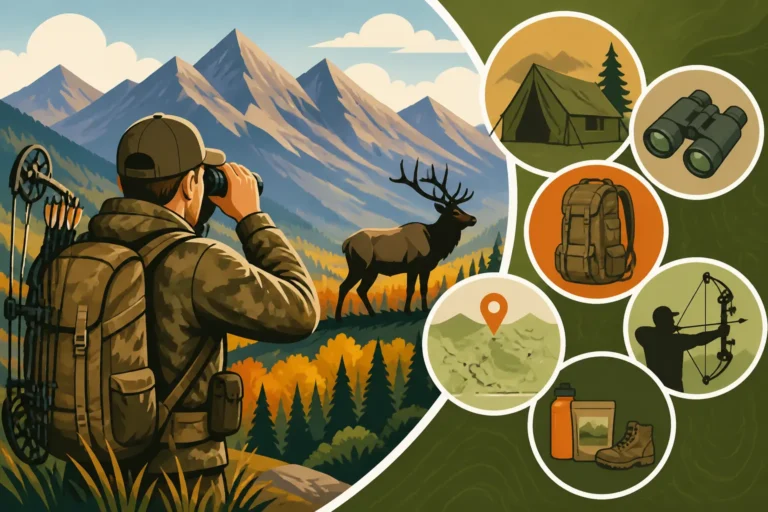
- Appropriate Gear: Your gear list should be carefully curated for western hunting conditions. This means good quality, broken-in hiking boots, appropriate layering systems for fluctuating mountain weather (it can snow in September and be 70 degrees in October), a reliable backpack for day hunts, and high-quality optics (binoculars, spotting scope). Don't skimp on these essentials. Your outfitter should provide a suggested gear list, but also research Best Boots for Colorado Elk Hunting and Best Backpack for a Colorado Elk Hunt for personal recommendations.
The Booking Timeline and What to Expect
Once you've done your research, asked your questions, and chosen an outfitter, the booking process begins. This typically involves contracts, deposits, and ongoing communication. Knowing what to expect at each stage will ensure a smooth experience.
When to Book Your Hunt
The best time to book a Colorado hunt with a reputable outfitter is often 12-24 months in advance, especially for highly sought-after seasons or units, or with very popular outfitters. Elk hunting, particularly during the rut or prime rifle seasons, sees huge demand. Many outfitters book up quickly, especially for non-resident clients who plan their trips far in advance.
- Early Booking Advantages: Booking early gives you the best choice of dates, allows ample time to secure your tags (especially if relying on the draw system and preference points), and provides a longer runway for physical preparation and gear acquisition.
- Last-Minute Options: While less common, sometimes cancellations or newly opened dates become available closer to the season. If you're flexible and willing to take a chance, you might find a last-minute opportunity. Websites like BookYourHunt often list these, but they are rare for top-tier hunts in Craig.
Pre-Hunt Communication and Preparation
Once you've booked and paid your deposit, the communication with your outfitter shouldn't stop. A good outfitter will maintain contact, providing updates and answering any questions you have.
- Contract and Deposit: You'll typically sign a contract outlining the services, dates, costs, and cancellation policy. A deposit (often 50%) is required upfront, with the remaining balance due closer to the hunt date. Read the contract carefully!
- Information Exchange: Your outfitter will likely send you a detailed gear list, dietary preference forms, medical history questionnaires, and travel instructions. Be thorough and honest in your responses. This information allows them to best prepare for your arrival and cater to your needs.
- Physical Conditioning Updates: Keep up with your physical training and communicate any changes or concerns with your outfitter. This helps them gauge your capabilities and plan accordingly.
- Weapon Sighting: Ensure your rifle or bow is properly sighted in and that you've practiced shooting at various distances and angles, as you'll likely encounter challenging shots in the mountains. Refer to guides like Colorado Long-Range Shooting Considerations for specific tips.
By staying proactive and communicative, you'll ensure that both you and your outfitter are well-prepared for your arrival in Craig and ready to make the most of your Colorado hunting adventure.
Comparison of Hunt Types in Craig
To help clarify the differences between the common outfitter services you'll encounter around Craig, here's a quick comparison:
| Feature | Fully Guided Hunt | Semi-Guided Hunt | Drop Camp Hunt |
|---|---|---|---|
| Guide Presence | Daily, 1:1 or 1:2 guide-to-hunter ratio | Often initial guidance, check-ins, or area drop-offs | None, strictly transportation to/from camp |
| Lodging | Lodge, cabin, comfortable wall tent, spike camp | Wall tent, primitive cabin | Basic tent, potentially with stove |
| Food & Cooking | Provided and cooked by outfitter/camp staff | Usually provided, but you cook your own | You provide and cook all your food |
| Transportation | Provided during hunt (truck, ATV, horses) | To/from camp & general hunting area | To/from camp, usually via horse/mule or ATV |
| Game Retrieval | Full service (field dressing, packing out) | May assist with pack out to camp/road | Your responsibility to field dress & pack to camp |
| Experience Level | Beginner to Expert; ideal for first-time westerners | Intermediate to Advanced | Advanced; highly self-sufficient |
| Cost | Highest | Mid-range | Lowest |
| Independence Level | Low | Medium | High |
| Typical Inclusions | Guide, food, lodging, in-field transport, animal care | Camp, some food, initial guidance, transportation | Camp setup, pack-in/pack-out services |
Knowing what kind of experience you're truly looking for, and being realistic about your budget and skill level, will guide you toward the perfect fit among Craig's outfitters.
Disclaimer
Please be advised that hunting regulations, license costs, and season dates are subject to change annually by Colorado Parks and Wildlife (CPW). It is the hunter's sole responsibility to verify all current regulations, obtain appropriate licenses and tags, and ensure compliance with all state and federal laws before engaging in any hunting activities. This guide provides general information and should not be considered legal advice.