Best Colorado Outfitters for a Bucket-List Elk Hunt
The idea of a "bucket-list" elk hunt in Colorado conjures up images of majestic bulls bugling in crisp mountain air, but the reality of actually planning one can be incredibly overwhelming. From deciphering hunt codes and drawing tags to finding an outfitter who truly understands your vision for that once-in-a-lifetime experience, the process can feel like a monumental task. This guide is here to cut through the confusion and help you navigate the journey of finding the perfect Colorado outfitter to make your dream elk hunt a reality.
Defining Your Dream "Bucket-List" Elk Hunt
Before you even start looking at outfitters, it's crucial to sit down and honestly define what a "bucket-list" elk hunt means to you. This isn't just about bagging an elk; it's about the entire experience, the challenge, the scenery, and the memories you'll forge. Everyone's ideal hunt looks a little different, and understanding your own priorities will save you a lot of time and potential disappointment when researching options.
What Type of Elk Hunt Are You Dreaming Of?
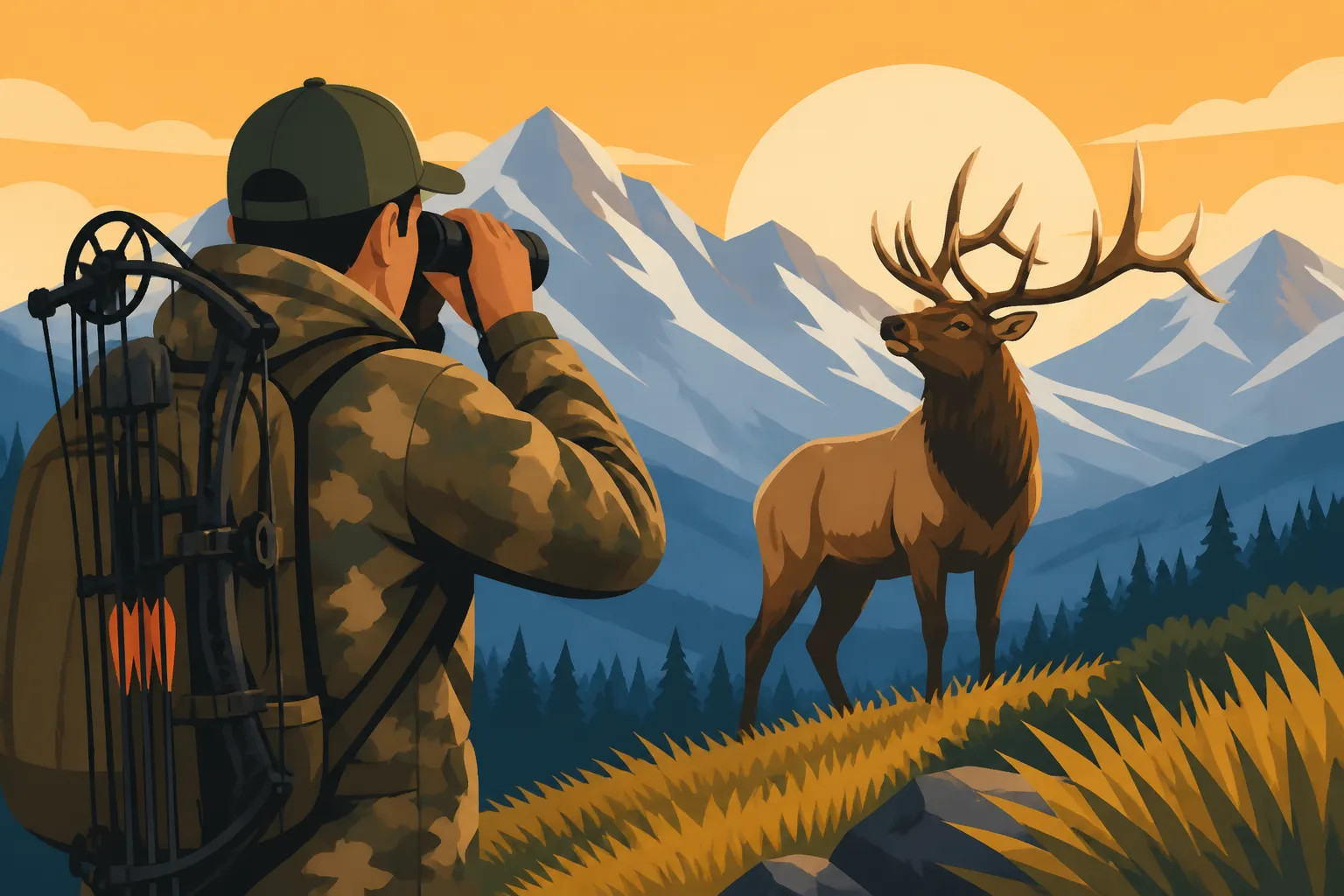
Are you picturing a classic Rocky Mountain adventure, deep in the wilderness, packing in on horseback and living out of a wall tent for days on end? Or perhaps your vision is more focused on a trophy bull, where the primary goal is a significant set of antlers, even if it means hunting closer to roads or on private land with higher success odds. Maybe it's about the camaraderie of a guided group hunt, or the sheer challenge of a Colorado Archery Elk Hunting Guide in the rut. Each of these scenarios points to a very different outfitter experience.
For some, the "bucket-list" element is less about antler size and more about the raw, untamed experience of chasing elk in their natural habitat, embracing the solitude and physical demands of the high country. They might prefer a Colorado Backcountry Hunting Guide experience, far from any roads, where the journey is as important as the destination. Others might prioritize comfort and convenience after a long day of hunting, seeking an outfitter with a comfortable lodge and hot meals. Be honest with yourself about what truly fulfills your hunting spirit.
Consider the method too: Are you an archer looking for that intense close-quarters encounter during the rut? Or is a Colorado Rifle Elk Hunting Guide during one of the later seasons more your style, focusing on long-range precision? The type of weapon you prefer will significantly narrow down your outfitter choices, as many specialize in specific seasons and hunting methods. Clearly articulating your preferred style is the first and most critical step in this entire process.
Budgeting for Your Dream Hunt
Let's face it, a guided elk hunt in Colorado is an investment, and the cost can vary wildly depending on what you're looking for. A "bucket-list" hunt often implies a premium experience, which comes with a higher price tag. Understanding the typical cost ranges and what's included is vital to setting realistic expectations and avoiding sticker shock. Fully guided hunts, especially those on private land or in remote wilderness areas requiring extensive logistics like horse packing, can range from $7,000 to upwards of $15,000 per hunter, and sometimes even more for top-tier trophy opportunities.
When you're looking at the numbers, don't just focus on the base price. Dig into what’s truly included in the "Colorado Guided Elk Hunt Cost." Does it cover your meals and lodging for the entire duration? Are field dressing, quartering, and packing out your animal part of the service, or are there additional fees? What about transportation once you arrive at the designated meeting point? Some outfitters include airport pickup, while others expect you to drive to their base camp.
It's also essential to factor in additional expenses beyond the outfitter's fee, such as your Colorado hunting license and tag costs, travel to and from Colorado, meat processing, taxidermy, and tips for your guides. These can add several thousand dollars to your total budget. Being transparent with potential outfitters about your budget upfront can help them direct you to hunts that fit your financial parameters, preventing wasted time on options that are out of reach.
Physical Preparation and Expectations
Colorado elk hunting, especially in the backcountry, is physically demanding. A "bucket-list" hunt in the mountains will likely push your limits, and you need to be realistic about your current fitness level and what you're willing to do to prepare. Outfitters will be upfront about the physical requirements of their hunts, and it's not a place to exaggerate your capabilities. The last thing you want is to be the weakest link, jeopardizing your hunt and the experience for others in your group.
A quality outfitter will often recommend a specific fitness regimen or at least advise on the kind of shape you need to be in. This might involve extensive hiking with a weighted pack, cardiovascular training, and strength conditioning. Consider reading guides on How to Physically Prepare for Colorado Elk to set yourself up for success. Remember, even if you’re booking a less strenuous hunt from a lodge, you'll still be walking miles in uneven terrain at high altitudes, and the thin air alone can be a challenge.
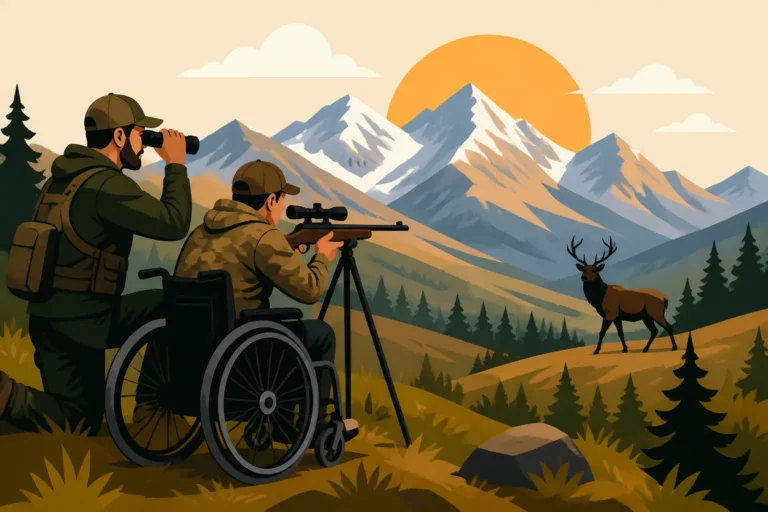
Communicating any physical limitations or health concerns with your outfitter is crucial. They can often tailor a hunt or assign a guide who can accommodate your needs, ensuring you still have a safe and fulfilling experience. A truly bucket-list hunt means pushing yourself, but it also means being smart and safe. Don't underestimate the mountains; they demand respect and preparation.
Navigating the Outfitter Landscape
Once you have a clearer picture of your ideal hunt, the real search begins. The sheer number of outfitters in Colorado can be overwhelming, and sifting through websites and reviews to find the right fit requires a strategic approach. This is where diligent research and asking the right questions become your best tools.
Where to Begin Your Search
The internet is a powerful resource for finding Colorado elk hunting outfitters, but it's important to know where to look and how to discern credible information. Start by exploring dedicated outfitter directories and booking platforms. Websites like BookYourHunt offer extensive listings of outfitters across various states, including Colorado, often with detailed package descriptions, photos, and reviews from past clients. These platforms can be a great starting point to get a broad overview of available hunts and price points.
Beyond large directories, dive into online hunting forums and social media groups focused on Colorado hunting. These communities are invaluable for gathering candid opinions, direct referrals, and cautionary tales. You'll find passionate hunters sharing their experiences, both good and bad, with specific outfitters. Websites like GoHunt also offer detailed information on specific units, draw odds, and general hunting strategies that can indirectly inform your outfitter selection by giving you a better understanding of the areas they operate in. While an outfitter handles the details, knowing the region yourself can help you ask more informed questions.
Personal referrals remain one of the strongest ways to find a reputable outfitter. Talk to friends, family, or fellow hunters who have gone on guided Colorado elk hunts. Their first-hand accounts can provide insights that no website can. Ask them about their overall experience, the guide's professionalism, the quality of the camp, and their success, but also about the challenges they faced and how the outfitter handled them.
Vetting Potential Outfitters
Finding an outfitter is one thing; vetting them thoroughly is another. This step is non-negotiable for a "bucket-list" hunt. First and foremost, verify their licensing. In Colorado, all professional hunting outfitters are required to be licensed by the Colorado Outfitter Registration Board. This ensures they meet certain standards for safety, insurance, and ethical conduct. Don't hesitate to ask for their license number and confirm it with the state regulatory body. This simple step can weed out many potential issues.
Next, request a list of references, specifically clients from the past 1-3 years. A reputable outfitter will gladly provide these. When you call these references, don't just ask if they had a good hunt. Dig deeper: How was the communication before, during, and after the hunt? Were the facilities and equipment as described? How did the guide handle unexpected challenges, like bad weather or difficult hunting conditions? Did they feel safe and well-cared for? Pay attention to consistent themes, both positive and negative, across multiple references.
Communication style during your initial inquiries can also be a significant indicator. A good outfitter will be prompt, clear, and thorough in their responses, willing to spend time discussing your expectations and answering all your questions. If an outfitter is vague, slow to respond, or seems unwilling to provide detailed information, consider it a red flag. Your "bucket-list" hunt deserves an outfitter who is invested in your experience from the very beginning.
Key Questions to Ask Before Booking
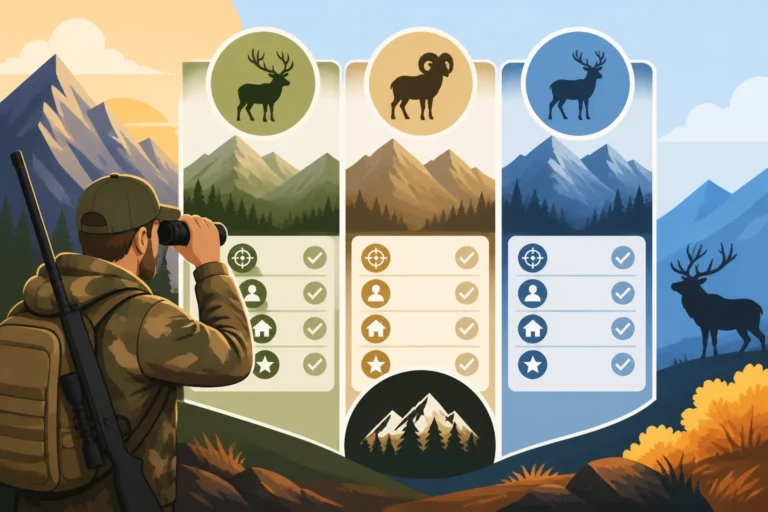
When you're narrowing down your choices, prepare a comprehensive list of questions to ask each potential outfitter. This ensures you gather all the necessary information for a fair comparison and helps you determine if they align with your "bucket-list" vision.
Here’s a table of essential questions to guide your conversations:
| Category | Specific Questions to Ask |
|---|---|
| Logistics | What are the exact dates of the hunt? What is the group size for hunters? What is the guide-to-hunter ratio? Where do we meet, and how do we get to camp? Is transportation in the field provided? |
| Hunt Details | What specific GMUs (Game Management Units) do you typically hunt? Is it public or private land? What are the typical elevations we’ll be hunting? What hunting methods are primarily used (spot and stalk, calling, still-hunting)? What are the realistic success rates for this specific hunt type and season? |
| Accommodations | Describe the lodging and sleeping arrangements. What kind of meals are provided? Are there showers/restroom facilities? Is there cell service or satellite communication available? |
| Costs | What is the total cost, and what specifically is included (guides, food, lodging, field care, packing out, trophy prep)? What costs are not included (license, tag, meat processing, taxidermy, tips)? What is your deposit and cancellation policy? |
| Preparation | What gear list do you recommend? What level of physical fitness is required? Do you have a recommended fitness plan? What safety precautions do you take? |
| References | Can you provide 3-5 references from hunters in the last 1-3 years who participated in a similar hunt? |
Don't be afraid to ask about specific scenarios, like "What happens if I wound an animal but don't recover it?" or "What's the plan if there's an early snowstorm?" Their answers will reveal a lot about their experience, preparedness, and ethical standards. This is your Colorado DIY Elk Hunting Guide if you choose to go that route, but for a guided hunt, you're relying on their expertise, so thorough questioning is paramount.
Understanding Hunt Packages and Logistics
Outfitters offer a spectrum of services, from bare-bones drop camps to luxurious, fully catered expeditions. Understanding the nuances of each package is crucial for aligning your expectations with the reality of what's provided for your "bucket-list" adventure.
Fully Guided vs. Drop Camps vs. Semi-Guided
This is where the structure of your hunt truly comes into focus. A fully guided hunt is the most comprehensive option and often ideal for a "bucket-list" experience, especially for first-time Colorado elk hunters or those seeking maximum assistance. In a fully guided setup, the outfitter provides guides, transportation in the field, all meals, lodging, and often helps with field dressing, quartering, and packing out your animal. The guide-to-hunter ratio is typically 1:1 or 1:2, meaning you'll have constant support and expertise by your side. This service ensures you can focus solely on the hunt, with all the logistics handled for you.
Drop camps offer a different kind of experience, suitable for hunters who want a wilderness feel but prefer logistical support for getting deep into the backcountry. With a drop camp, the outfitter packs you and your gear (and often horses or mules) into a remote, pre-set camp. They might provide tents, cooking equipment, and food, but once they drop you off, you and your hunting partners are on your own to hunt, cook, and manage camp. They return at a predetermined time to pack you and any harvested game out. This option significantly reduces the cost compared to a fully guided hunt and provides a more self-reliant adventure, but it means you need to be proficient in navigation, elk behavior, and How to Set Up a Colorado Drop Camp.
Semi-guided hunts fall somewhere in between. Here, the outfitter provides some level of support, which can vary widely. This might mean providing a map, pointing you to good hunting areas, sharing recent elk activity, offering basic camp amenities, or even providing transportation to and from hunting spots each day. However, you're largely responsible for your own hunting strategy and execution in the field. This can be a good option for experienced hunters who are familiar with elk hunting but appreciate some local knowledge and logistical assistance. Understanding what a Colorado Guided Hunt Cost covers will clarify which of these options fits your budget and desired level of independence.
What to Expect in Camp and on the Mountain
Regardless of the service level, understanding the day-to-day realities of a guided hunt is essential. In a fully guided camp, expect early mornings and long days. Breakfast is typically before dawn, followed by heading out to hunting areas at first light. You'll spend the day hiking, glassing, calling, or still-hunting, often covering significant mileage and elevation. Lunch might be packed into the field, or you might return to a spike camp for a quick break. Evenings usually involve a hearty dinner, discussions about the day's events, and planning for the next. The focus is always on finding elk, and the guides will be working tirelessly to put you in a position for success.
Conditions on the mountain can be unpredictable. You might encounter anything from warm, sunny days to freezing rain or heavy snow, especially during the later Colorado Hunting Seasons Explained. Prepare for all possibilities with a comprehensive packing list, including appropriate layering systems for clothing. A good outfitter will ensure their camps are warm, dry, and safe, but you're still in the wilderness. Be prepared for rustic conditions, whether it's a tent camp or a remote cabin. Expect challenges, embrace the physical demands, and trust your guide's judgment. This preparation and mindset are crucial components of what makes a What to Expect on a Guided Colorado Elk Hunt a true "bucket-list" experience.
Seasonality and Success Rates
The time of year you choose for your hunt significantly impacts both the type of experience you'll have and your potential success. Colorado offers various seasons, each with its own advantages and challenges. Archery season in September often coincides with the elk rut, providing thrilling bugling action and opportunities for close-range encounters, but typically lower success rates due to the difficulty of bow hunting. Muzzleloader season follows, a shorter window with unique challenges and often good rut activity.
The rifle seasons, typically spanning October and November, offer different experiences. Early rifle seasons (1st and 2nd rifle) might still catch some rut activity or post-rut behavior, while later seasons (3rd and 4th rifle) often coincide with colder weather, snow, and elk migration to lower elevations, which can concentrate animals but also bring tougher conditions. Understanding Colorado Elk Season Dates Guide is vital. Many outfitters specialize in certain seasons because elk behavior changes drastically throughout the fall.
It's important to discuss realistic success rates with your outfitter. Reputable outfitters will be transparent about their historical success, which might be measured as "opportunity rate" (seeing or having a shot at an elk) or "kill rate" (successfully harvesting an animal). Be wary of outfitters promising 100% success; elk hunting is inherently challenging, and there are no guarantees. A good outfitter focuses on providing a high-quality, ethical hunting experience and putting you in the best possible position, understanding that ultimate success also depends on your shooting proficiency, physical endurance, and a fair bit of luck.
Making Your Bucket-List Dream a Reality
Finding the best Colorado outfitter for your bucket-list elk hunt isn't about finding the most expensive one or the one with the biggest advertisements. It's about finding the perfect match for your specific dreams, expectations, and hunting style. Take your time, do your homework, and communicate openly.
A truly excellent outfitter won't just sell you a hunt; they'll partner with you in creating an unforgettable adventure. They'll answer your questions patiently, provide solid references, and share a passion for the mountains and the elk that call them home. Whether you're eyeing a trophy bull deep in the Flat Tops Wilderness or a challenging archery hunt in the San Juan Mountains, the right outfitter will be the cornerstone of an experience you'll cherish for a lifetime.
When planning, don't forget the essentials. Consider reviewing guides like Best Colorado Elk Hunting Gear to ensure you're equipped for the varied conditions. And remember, the journey begins long before you step foot in Colorado. Researching units with resources like How to E-Scout Before a Colorado Hunt can also enhance your understanding and appreciation of the hunt, even when guided.
Disclaimer
Hunting is an inherently dangerous activity. This guide provides general information and recommendations for finding an outfitter for elk hunting in Colorado. All hunters are responsible for understanding and adhering to Colorado Parks and Wildlife regulations, ensuring proper licensing, and practicing safe firearm/archery handling. Always consult directly with a chosen outfitter for specific details, safety protocols, and current hunt information. The author and publisher are not liable for any accidents, injuries, or outcomes related to hunting activities.