Colorado Outfitters for Backcountry Hunts
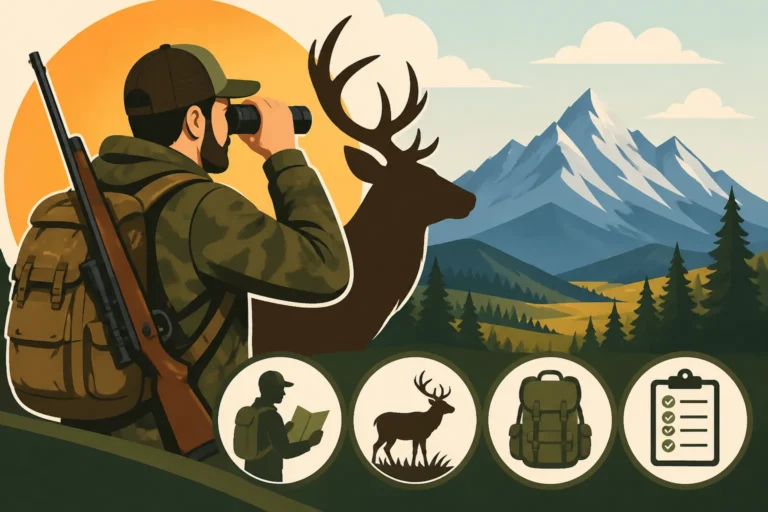
Navigating the vast and often unforgiving wilderness of Colorado for a successful backcountry hunt can feel like an impossible feat for many, especially if you're new to the high country or simply don't have the time to dedicate to extensive scouting and logistics. This guide is here to shed light on how Colorado outfitters specializing in backcountry hunts can be your ultimate ally, transforming a daunting challenge into a truly unforgettable experience.
Why Consider a Backcountry Outfitter for Colorado Hunts?
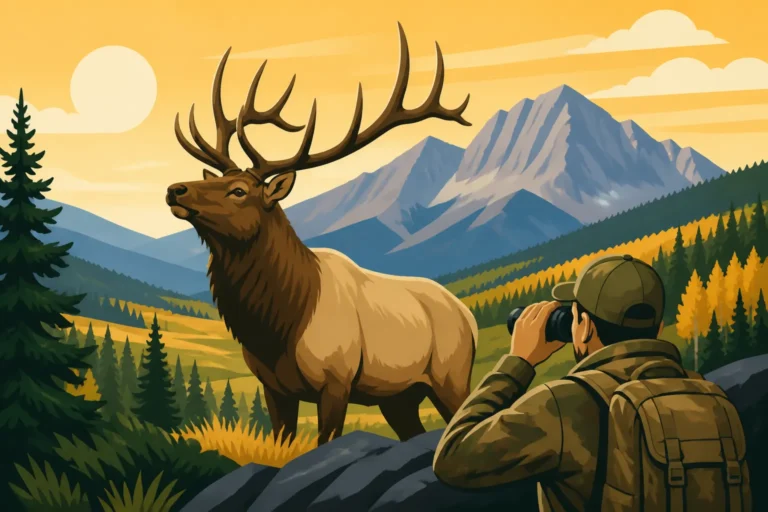
The allure of Colorado's backcountry is undeniable: vast expanses of untouched wilderness, minimal hunter pressure, and the promise of encountering a trophy animal in its natural, undisturbed habitat. However, the reality of pursuing these dreams often clashes with the immense logistical hurdles, physical demands, and the sheer unpredictability of the mountains. This is where a dedicated backcountry outfitter truly shines, offering solutions to many common frustrations.
Overcoming Logistical Nightmares
One of the biggest headaches for any aspiring backcountry hunter is the logistics. Just thinking about packing in days' worth of food, specialized gear, a robust camp setup, and then the monumental task of packing out an animal (or even just your camp) can be enough to make seasoned hunters pause. The truth is, it's not just about what you can carry, but what you should carry to be effective and safe in remote areas.
Imagine this: You've spent months planning your hunt, saving every penny, and then on day one, you're utterly exhausted from just hauling your pack a few miles into the mountains. This is a common scenario. Backcountry outfitters, however, specialize in this. They often utilize horses or mules to transport all your camp necessities, food, and heavy gear deep into the wilderness. This means you, as the hunter, can focus on carrying your day pack with essentials, saving your energy for the hunt itself. They handle the permits for wilderness access, the meticulous packing of delicate equipment, and the careful planning of resupply or extraction points. It completely changes the game, allowing you to reach prime hunting grounds without burning out on the approach.
Leveraging Local Knowledge and Expertise
Let's be honest, e-scouting with tools like GoHunt is an incredibly powerful resource, and I highly recommend it for initial research. However, there's a world of difference between studying a topo map and having boots on the ground for decades. Colorado's backcountry is notoriously complex, with hidden benches, subtle drainages, and micro-climates that can change elk behavior on a dime. An outfitter who has hunted a specific area for years possesses an invaluable depth of knowledge that no app can fully replicate.
These experienced guides know the terrain intimately. They know where elk typically bed during certain weather patterns, where the hidden water sources are, and which saddles or ridgelines serve as critical travel corridors. They've seen how specific hunting pressure affects animal movement, and they understand the thermals and wind currents that are crucial for a successful stalk. For example, they might know a specific north-facing slope that holds animals long after others have moved, or a secluded basin that consistently produces big bulls. This local knowledge isn't just about finding game; it's about understanding the entire ecosystem and having contingency plans when conditions inevitably change. This localized expertise significantly increases your chances of success and safety, particularly in vast areas like the Flat Tops Wilderness.
Enhancing Safety and Emergency Preparedness
Hunting in Colorado's backcountry, while exhilarating, comes with inherent risks. Treacherous terrain, sudden and severe weather changes, encounters with wildlife, and the potential for injuries far from civilization are all serious concerns. Altitude sickness is another very real threat for those not accustomed to elevations often exceeding 10,000 feet. For a DIY hunter, especially a solo one, mitigating these risks requires meticulous planning and a robust skillset.
A reputable outfitter drastically enhances your safety net. Guides are often trained in wilderness first aid and carry satellite communication devices, ensuring help can be summoned in an emergency. They understand weather patterns and can advise on safe travel routes, avoiding dangerous crossings or unstable terrain. In the event of an injury or severe weather, they have established protocols and resources for extraction, whether it's through their pack string or by coordinating with search and rescue. This peace of mind allows you to focus more on the hunt and less on the "what ifs," knowing that an experienced professional has your back. They're often well-versed in How to Prepare for High-Altitude Hunting and can help you acclimate.
Types of Backcountry Outfitter Services in Colorado
The term "outfitter" can sometimes be a bit broad, encompassing a variety of services from fully guided, all-inclusive trips to simple gear transportation. Understanding these distinctions is crucial when planning your Colorado backcountry hunt, as each offers different levels of support, independence, and cost.
Fully Guided Backcountry Hunts
A fully guided backcountry hunt is the epitome of a "done-for-you" experience, perfect for hunters who want to immerse themselves completely in the hunt without the burden of camp logistics. In this setup, the outfitter provides essentially everything you need: a seasoned guide (or guides), horses or mules for transportation, a comfortable backcountry camp (often wall tents with cots and a cook stove), all meals, and the expertise to find and help you harvest an animal. Once you've successfully tagged out, they'll also handle the field dressing, quartering, and packing out of your meat and trophy.
This option is ideal for first-time western hunters, those with limited physical capabilities who still dream of a backcountry experience, or anyone who simply wants to maximize their hunting time and minimize stress. You typically ride horses or mules deep into a wilderness area, establish a base camp, and then spend your days hunting on foot with your guide. The cost for a fully guided hunt is the highest, reflecting the comprehensive service, experienced personnel, and extensive resources involved. Expect intimate knowledge of the area, like the best spots within the Gunnison Basin Hunting Guide area.
Drop Camp Services
Drop camp services offer a fantastic middle ground between a fully guided hunt and a full-blown DIY expedition. With a drop camp, the outfitter uses their pack string (horses or mules) to transport you and your gear, often including your food and personal hunting equipment, into a pre-selected backcountry location. They will set up a basic, comfortable camp for you – usually a canvas wall tent with a wood stove, cots, and cooking equipment. After dropping you off, they leave you to hunt independently for the duration of your trip, returning on a pre-arranged date to pack you and any harvested game out.
This service is perfect for experienced hunters who enjoy the challenge of a DIY hunt but want to avoid the grueling physical labor of packing in and out all their heavy gear. It allows you to access remote, unpressured areas that would be almost impossible to reach with only a backpack. Drop camps are more affordable than fully guided hunts, providing a significant cost saving while still leveraging the crucial pack animal support. However, you're responsible for your own hunting, cooking, navigation, and field care of any harvested animal. Knowing How to Set Up a Colorado Drop Camp yourself can be a real advantage even when using an outfitter.
Pack-In/Pack-Out Services (Spot Packs)
The most basic form of backcountry outfitter support is the pack-in/pack-out service, sometimes referred to as a "spot pack." This is essentially a shuttle service for your gear or, most commonly, for your harvested game. An outfitter will meet you at a designated trailhead and, for a fee, transport your heavy equipment or meat to a specified location, or pick up a downed animal and bring it back to your vehicle.
This service is a lifesaver for highly experienced and self-sufficient DIY hunters who can handle all the hunting, navigation, and camp setup on their own but anticipate the monumental challenge of packing out an entire elk, especially if they are hunting solo or in steep terrain. After a successful harvest, the thought of packing out hundreds of pounds of meat and antlers over several trips can be daunting, even dangerous. A spot pack allows you to quarter your animal, keep the meat cool, and then have it efficiently transported out, freeing you up to continue hunting or simply head home with your hard-earned prize. Coordinating the pickup point and timing is critical, and clear communication with the outfitter beforehand is essential to ensure a smooth operation. This can significantly ease the process of How to Pack Out an Elk in Colorado.
Here's a quick comparison of these services:
| Service Type | Description | Ideal For | Key Responsibilities | Est. Cost Range (Per Person, Per Day) |
|---|---|---|---|---|
| Fully Guided Hunt | Outfitter provides guides, horses, camp, food, gear transport, hunting assistance, and meat extraction. | First-timers, less experienced, time-constrained, or less physically capable hunters. | Hunting | $500 – $1000+ |
| Drop Camp Service | Outfitter packs you/gear in/out, sets up basic camp. You hunt and manage camp independently. | Experienced DIY hunters who want remote access without packing heavy gear. | Hunting, cooking, navigation, meat care | $250 – $500 |
| Pack-In/Pack-Out (Spot Pack) | Outfitter transports gear or harvested game to/from a trailhead or designated point. | Self-sufficient DIY hunters needing help with heavy loads or meat extraction. | All hunting, camp, food, initial meat care | $100 – $300 (per pack string) |
Note: Cost ranges are approximate and can vary widely based on outfitter, duration, remoteness, and specific inclusions.
Choosing the Right Colorado Backcountry Outfitter
Selecting the perfect outfitter for your Colorado backcountry hunt is arguably as important as the hunt itself. It's an investment of time, money, and personal expectation, so you want to ensure you're making an informed decision. Don't rush this process; a good outfitter can make your trip, while a bad one can unfortunately ruin it.
Key Factors to Research
Before you even pick up the phone, do your homework. Start by looking for outfitters who are licensed and insured in Colorado, specifically for the areas you're interested in. Colorado Parks and Wildlife (CPW) maintains a list of licensed outfitters, and you should always verify this information. Websites like BookYourHunt can also be great resources to browse and vet outfitters, offering a centralized place to read reviews and compare offerings.
Next, delve into their reputation. Ask for references from past clients – and actually call them! Ask those references specific questions about their experience, the guide's professionalism, the quality of the camp, the food, and how effectively the outfitter handled any unexpected challenges. Inquire about their success rates, but be realistic. A 100% success rate is a red flag. Look for outfitters with consistent, honest success rates and ethical hunting practices. It's also vital to find an outfitter with extensive experience in the specific GMUs (Game Management Units) or wilderness areas you're targeting. For instance, if you're aiming for an elk hunt in a place like the San Juan Mountains, you want an outfitter who truly understands that challenging terrain.
Finally, consider the communication style and personality of the outfitter. You'll be spending a significant amount of time with these individuals in potentially challenging circumstances. A good rapport and clear communication are paramount.
Questions to Ask Potential Outfitters
Once you've narrowed down your list, it's time to start asking detailed questions. Don't be shy; this is your hunt, and you deserve clarity.
Start with the basics:
- "What exactly is included in the price?" This might seem obvious, but clarify everything from food and lodging to specific gear provided, guides, transportation to and from the trailhead, and meat/trophy handling.
- "What is not included?" This helps uncover potential hidden costs like license fees, processing fees, taxidermy, or unexpected shuttle charges.
- "What is your hunter-to-guide ratio?" For guided hunts, a lower ratio (1:1 or 2:1) usually means more personalized attention.
- "Describe a typical day on your hunt." This helps set expectations for wake-up times, hunting methods (e.g., Spot-and-Stalk Hunting in Colorado, calling), distances covered, and return to camp.
- "What kind of camp setup do you use, and what are the sleeping arrangements?"
- "What are your contingency plans for bad weather, injuries, or if we don't find game?"
- "How do you handle meat care and trophy preparation in the field?" Understanding their process for quartering, cooling, and packing out ensures your hard-earned animal isn't spoiled. This is especially important for How to Keep Elk Meat Cool in Warm Weather.
- "What's your cancellation policy?" Life happens, so know what you're committing to.
Dig a bit deeper:
- "Can you share references from hunters who didn't harvest an animal?" These are often the most telling, as they demonstrate how the outfitter manages expectations and maintains client satisfaction even without a kill.
- "How do you prepare clients for the physical demands of the hunt, especially considering Altitude Training for Colorado Hunting?"
- "What is your philosophy on ethical hunting and fair chase?"
Understanding Costs and Value
Backcountry hunting in Colorado, especially with an outfitter, is a significant investment. Fully guided hunts can range from several thousand dollars to well over $10,000, depending on the duration, remoteness, and level of luxury. Drop camps are generally more affordable, often ranging from $1,500 to $4,000 for a week-long trip. Pack-in/pack-out services are typically priced by the animal or by the load, varying from a few hundred to over a thousand dollars.
It's important to view these costs through the lens of value. What are you gaining by hiring an outfitter? Access to pristine wilderness, expert guidance, safety, reduced physical strain, and often, a much higher probability of success. Consider what you would spend on your own for fuel, specialized gear (like Colorado Backcountry Hunting Gear List), food, and the sheer amount of time you’d invest in scouting and logistics. Sometimes, the added cost of an outfitter can actually be a wise investment, especially for those who travel long distances or have limited vacation time. Don't forget to budget for tipping your guides, which is customary and greatly appreciated for their hard work and dedication.
Preparing for Your Outfitted Backcountry Hunt
Even with the best outfitter, your preparation directly impacts your success and enjoyment of a Colorado backcountry hunt. While they handle many logistical elements, your personal readiness for the physical, mental, and environmental challenges of the mountains is paramount.
Physical and Mental Conditioning
Let's be clear: a backcountry hunt, even a guided one, is not a sedentary vacation. You will be at high altitude, navigating steep, uneven terrain, and potentially hiking many miles each day. Relying on horses for access will certainly save your legs, but you'll still be spending hours in the saddle and hunting on foot from your drop camp or base camp. Therefore, a rigorous physical training regimen is non-negotiable.
Focus on cardiovascular fitness, strength training (especially legs and core), and hiking with a weighted pack. Incorporate uphill climbs and descents into your routine. Remember, the fitter you are, the more enjoyable and effective your hunt will be. Beyond the physical, mental toughness is equally crucial. Backcountry hunting can be physically and emotionally taxing. Be prepared for early mornings, long days, changing weather, and periods of discomfort. Develop resilience, patience, and a positive attitude. Understanding your limits and being mentally prepared for the grind will greatly enhance your experience. Consider reading articles like How to Physically Prepare for Colorado Elk to get a head start.
Gear Essentials and Packing Smart
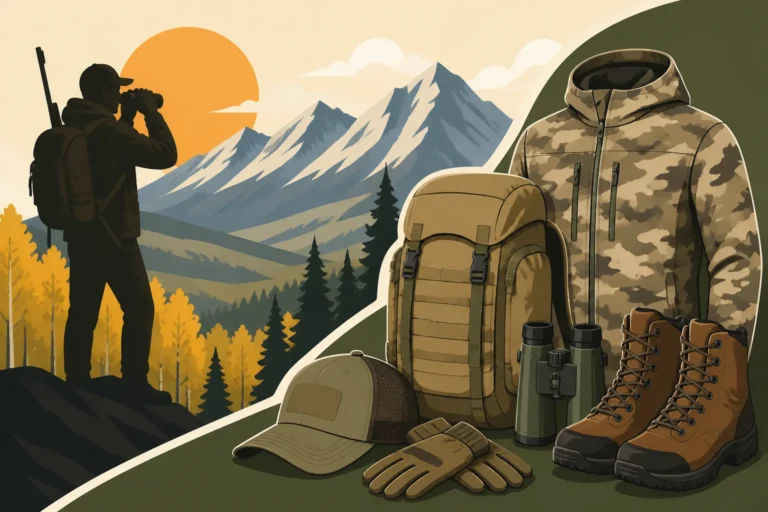
While your outfitter might provide much of the camp gear and some essentials, your personal hunting gear is entirely your responsibility. Pack smart, efficiently, and with the variable mountain weather in mind. A good layering system is fundamental – think moisture-wicking base layers, insulating mid-layers, and waterproof/windproof outer shells. Quality boots that are well broken-in are absolutely critical; a single blister can ruin your hunt.
Your optics (binoculars, spotting scope, rangefinder) are your most important hunting tools after your weapon. Don't skimp here. Other essentials include a reliable headlamp, navigation tools (even with a guide, a GPS or mapping app like onX is excellent backup), a first-aid kit, water purification, and suitable backpack for day hunts. Even if horses are carrying the heavy load, every ounce in your daypack matters. Talk to your outfitter about what specific items they provide and what they recommend you bring. They often have very specific requirements or suggestions based on the season and terrain, which can be invaluable for your Colorado Backcountry Hunting Gear List.
Pre-Hunt Communication and Expectations
The most successful outfitted hunts begin with clear, ongoing communication between the hunter and the outfitter. Before your trip, be sure to ask any lingering questions you have, confirm rendezvous points and times, and discuss your personal hunting goals and expectations. Are you looking for a trophy bull, or is a meat animal your priority? Are you comfortable with a specific hunting method, such as Colorado Archery Elk Hunting Guide tactics, or are you open to different strategies?
Be honest about your physical condition and hunting experience. This allows the outfitter to tailor the hunt to your abilities and ensure realistic expectations. Once you're in the field, continue to communicate openly with your guide. Express your needs, concerns, and observations. Remember, conditions in the backcountry can change rapidly, and flexibility is key. Be prepared to adapt to different strategies, move camp if necessary, or endure less-than-ideal weather. A good working relationship built on trust and clear communication will make your outfitted backcountry hunt in Colorado a truly memorable and rewarding adventure.
Disclaimer
Please remember that hunting regulations, season dates, and tag availability in Colorado can change. Always consult the most current Colorado Parks and Wildlife (CPW) regulations and official sources before planning any hunt. This guide provides general information and recommendations, but it is not a substitute for official CPW resources or professional advice.