What to Know Before Booking an Outfitter in Pagosa Springs
Booking a guided hunt in a place as renowned and rugged as Pagosa Springs, Colorado, can feel like navigating a maze. You’re dreaming of the majestic San Juan Mountains, crisp autumn air, and the thrill of the chase, but the sheer number of outfitters, the varying costs, and the unknown territory can quickly turn excitement into apprehension. It’s tough to know who to trust, what questions to ask, and whether you're truly getting what you pay for. This guide is designed to cut through that confusion, helping you understand exactly what to consider before you commit to an outfitter in the Pagosa Springs area, ensuring your Colorado hunting adventure starts on the right foot.
Why Choose Pagosa Springs for a Guided Hunt?
Pagosa Springs isn't just a picturesque town; it's a gateway to some of Colorado's most incredible big game hunting. Nestled in the heart of the San Juan National Forest, this area offers a unique blend of challenging terrain, diverse wildlife, and breathtaking scenery that draws hunters from across the globe. But its beauty also means complex landscapes and abundant public land, which can be daunting for the uninitiated. This is where a guided hunt in Pagosa Springs truly shines, offering an unparalleled experience, especially for those new to Western hunting or seeking a specialized adventure.
The Unique Appeal of the San Juans
The San Juan Mountains are a hunter's paradise, characterized by vast tracts of public land, including national forests and wilderness areas. This isn't your flatland deer hunting; we're talking about elevations that can easily top 10,000 feet, steep canyons, dense timber, and wide-open alpine basins. Navigating this terrain requires specific skills, knowledge of elk and mule deer habits in high country, and often, pack animals to get deep into the backcountry. For many, a guide provides the logistical expertise and physical support needed to unlock these remote, less-pressured areas.
Think about it: you could spend days, or even weeks, scouting online and on foot, only to scratch the surface of what the San Juans offer. A local outfitter, on the other hand, has often spent a lifetime in these mountains. They understand the nuances of the landscape, the historical migration routes, and where the game typically seeks refuge when hunting pressure mounts. They know the subtle signs that indicate elk or deer are in the area, from fresh tracks in the mud near a wallow to the rubbed trees signaling a bull’s presence. This intimate knowledge is invaluable and greatly increases your chances of a successful hunt.
Species and Seasons in the Pagosa Area
While Pagosa Springs is perhaps best known for its incredible elk hunting, it also offers fantastic opportunities for mule deer, black bear, and even a chance at moose or bighorn sheep if you're lucky enough to draw one of those coveted tags. The area boasts a healthy elk population, often attracting hunters during the archery, muzzleloader, and all four rifle seasons. Understanding the specifics of Colorado Hunting Seasons Explained and how they apply to the Pagosa area is crucial, and a good outfitter will always be on top of these dates and regulations.
During the archery season, particularly in September, the San Juans come alive with the sounds of bugling bulls, making for an electrifying experience. Rifle seasons, especially the later ones, can see elk moving to lower elevations as snow begins to fall, creating different hunting scenarios. Mule deer often inhabit similar high-country areas, sometimes lower, and can be hunted through various seasons. A quality outfitter will specialize in certain species and seasons, offering trips tailored to your target animal and preferred hunting method. They'll also be transparent about their success rates for different game types in the local GMUs (Game Management Units) around Pagosa Springs. For a deeper dive into the region, consider reviewing a dedicated San Juan Mountains Hunting Guide.
Choosing the Right Outfitter in Pagosa Springs
Selecting an outfitter isn't just about picking a name from a list; it's about finding a partner who aligns with your hunting goals, experience level, and ethical values. The right outfitter can turn a challenging hunt into a memorable success, while the wrong one can lead to disappointment and frustration. It's imperative to do your homework, ask tough questions, and ensure you're comfortable with your choice.
Vetting Potential Outfitters
The first step in choosing a reputable outfitter is thorough vetting. Don't rely solely on glossy brochures or website testimonials. Start by researching outfitters that operate specifically in the Pagosa Springs area. Websites like BookYourHunt and GoHunt can be great resources for finding Colorado Elk Hunting Outfitters Guide listings and initial reviews, but always dig deeper. Look for outfitters with a long-standing presence and a solid reputation. Check their licensing with the Colorado Outfitters Association and the Colorado Parks and Wildlife (CPW). Any legitimate outfitter will be happy to provide this information.
Beyond official credentials, seek out independent reviews and references. Ask for a list of past clients, not just one or two, and make calls. When speaking with references, ask detailed questions: Was the camp as described? Were the guides knowledgeable and professional? Did they prioritize safety? How was the food? What was the general atmosphere like? Were there any hidden costs? This is your chance to get an unvarnished account of what you can expect. Remember, a good outfitter will have nothing to hide and will encourage you to speak with their previous clients.
Types of Guided Hunts Offered
Outfitters in the Pagosa Springs region offer a variety of hunt styles, and understanding these is key to choosing the right fit for you.
- Fully Guided Hunts: This is the most comprehensive option. You'll typically stay in a comfortable lodge or a well-appointed base camp, with guides handling all aspects of the hunt—from scouting and tracking to calling and field dressing. Meals, lodging, transportation in the field, and often pack-out services are included. This is ideal for hunters who want a full-service experience, are new to Western hunting, or simply want to maximize their time focusing on the hunt itself.
- Semi-Guided Hunts: These hunts offer a balance between a fully guided experience and a do-it-yourself (DIY) trip. Outfitters might provide camp accommodations, meals, and advice on where to hunt, but you'll do the actual hunting, tracking, and field dressing independently or with minimal direct guidance. This is a popular choice for experienced hunters who appreciate the logistical support but prefer more autonomy in the field.
- Drop Camp Hunts: If you're looking for a true backcountry adventure but lack the horses or extensive gear to pack deep into the wilderness, a Colorado Drop Camp Hunts Explained might be perfect. An outfitter will pack you and your gear (and often a wall tent and supplies) into a remote location, establish a camp, and then leave you to hunt on your own. They'll return at a pre-arranged time to pack out your harvest and gear. This offers an immersive experience without the strenuous packing logistics. This is often the realm of Colorado Wilderness Outfitters Explained who specialize in accessing roadless areas.
Each type of hunt caters to different needs and budgets. Consider your physical capabilities, hunting experience, and desire for independence when making your choice. If you’re a beginner, a fully guided hunt might be best. If you're a seasoned hunter looking for a challenge but don't want to bring horses, a drop camp could be the ticket.
Questions to Ask Before Booking
Once you’ve narrowed down your choices, it’s time for some in-depth conversations. Don't be afraid to ask specific and detailed questions. This is a significant investment of time and money, and clarity upfront prevents misunderstandings later.
Here's a table of essential questions to cover:
Category Questions to Ask The Colorado Game Management Unit system can be quite a puzzle for new hunters, and even for seasoned veterans. Knowing which unit to hunt in is critical for success, and for the Pagosa Springs area, this usually means exploring specific GMUs in the southwestern part of the state.
Knowing How to Choose a Colorado Hunting Unit is paramount, and an outfitter will have an intimate understanding of the units they operate in. They'll know the public land access points, the distribution of game, and how hunting pressure impacts animal movement. For example, if you're targeting trophy elk, they might focus on units known for larger bulls, whereas a meat hunt might concentrate on areas with higher cow elk densities or better access for packing out.
Understanding Costs and Expectations
A guided hunt is an investment, and like any investment, you want to ensure you're getting value for your money. Understanding the full financial commitment and having realistic expectations about the hunt itself are crucial for a positive experience. This isn't just about the upfront fee; it's about the entire package, from licensing to potential tips.
Breaking Down Guided Hunt Expenses
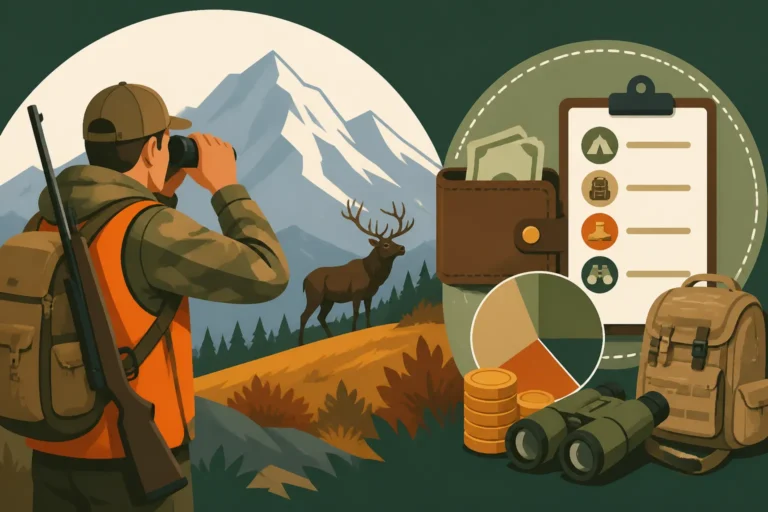
The sticker shock of a guided hunt can be real, especially for non-residents. A Colorado Guided Elk Hunt Cost can range from a few thousand dollars for a semi-guided drop camp to upwards of $10,000 or more for a high-end, fully guided, horseback elk hunt in prime wilderness areas. It's essential to get a detailed breakdown of what's included in the price.
Typical costs usually cover:
- Guide Fees: The primary cost, covering the guide's expertise, time, and effort.
- Lodging: Depending on the hunt type, this could be a comfortable lodge, a rustic cabin, a wall tent camp, or even a spike camp deep in the backcountry.
- Meals: Most guided hunts include meals, from hearty breakfasts to packed lunches and satisfying dinners. Make sure to discuss any dietary restrictions beforehand.
- In-field Transportation: This might include ATVs, 4×4 vehicles, or pack horses/mules to access hunting areas. For many Pagosa Springs outfits, horses are a crucial part of accessing remote San Juan wilderness.
- Field Dressing and Caping: Many outfitters will assist with these crucial steps after a harvest.
- Game Retrieval: Packing out an elk or deer from steep, rugged terrain is no small feat. This service is often included and is incredibly valuable.
What's typically not included:
- Hunting License and Tags: You are responsible for purchasing these yourself. Always check the Colorado Parks and Wildlife website for current prices and application deadlines. For non-residents, an elk tag alone can be several hundred dollars.
- Travel to and from Pagosa Springs: Flights, fuel, and lodging before or after your hunt are your responsibility.
- Meat Processing: Most outfitters will help you get your animal to a local processor, but the cost of cutting, wrapping, and potentially shipping your meat is extra.
- Taxidermy: If you harvest a trophy, the cost of taxidermy is separate.
- Gratuities/Tips: It's customary to tip your guide(s) and camp staff. This is usually 15-20% of the hunt cost, paid directly to them. Factor this into your overall budget.
- Personal Gear: You'll need to bring your own hunting clothes, boots, weapon, optics, and personal items.
It's common for outfitters to require a non-refundable deposit to secure your booking, with the balance due closer to the hunt date. Be sure to clarify their cancellation and refund policies.
What to Expect on a Pagosa Springs Hunt
Regardless of the type of hunt, a guided trip to Pagosa Springs demands physical and mental preparedness. The terrain is challenging, the weather can be unpredictable, and success is never guaranteed. This is hunting, not shopping.
Expect early mornings, long days in the field, and strenuous hiking, often at high altitudes. Guides will work tirelessly to put you in a position to harvest an animal, but your success hinges on your shooting ability, patience, and readiness to seize an opportunity. It’s vital to have a clear understanding of What to Expect on a Guided Colorado Elk Hunt before you arrive.
Weather in the San Juans can shift dramatically, from warm, sunny days to sudden snowstorms, sometimes all in the same day. Being prepared for anything is key. Your outfitter will provide a packing list, but layers are your best friend. Communication with your guide is paramount—if you’re struggling physically, or have concerns, voice them. They want you to have a safe and enjoyable experience, even if you don't punch a tag.
Preparing for Your Pagosa Springs Hunt
A successful hunt is often the culmination of months of preparation. From physical conditioning to gear selection, every detail matters, especially when you're hunting in the demanding environment of the San Juan Mountains. An outfitter can guide you in the field, but your personal readiness is your responsibility.
Physical and Mental Conditioning
Hunting in the Pagosa Springs area is not for the faint of heart or the out of shape. You'll be traversing steep slopes, gaining and losing significant elevation, and potentially hiking many miles a day, all while carrying a pack and your weapon. High altitude can exacerbate any lack of fitness, leading to fatigue, headaches, and shortness of breath.
Start your physical conditioning months in advance. Focus on cardiovascular endurance (hiking, trail running, stair climbing) and strength training (legs, core, back). Simulating hunting conditions by hiking with a loaded pack is excellent preparation. Consider a regimen like the Colorado Elk Hunt Fitness Plan. If you're coming from sea level, give yourself a few days to acclimate to the elevation before the hunt begins, if possible. Many outfitters have a base camp at a lower elevation, but you'll be spending plenty of time higher up. Mental toughness is equally important. Hunting can involve long periods of waiting, enduring uncomfortable weather, and dealing with the emotional highs and lows. A positive attitude and realistic expectations will serve you well.
Essential Gear for the San Juans
Your gear can make or break your hunt in the challenging San Juan environment. While your outfitter will provide some camp essentials, your personal gear needs to be top-notch.
- Layered Clothing System: This is non-negotiable for mountain hunting. Base layers (merino wool or synthetic), insulating layers (fleece or puffy jacket), and a waterproof/windproof outer shell are crucial. Avoid cotton entirely. Brands like Sitka, Kuiu, and First Lite are popular for their technical performance.
- High-Quality Boots: Invest in waterproof, well-broken-in hiking boots with excellent ankle support. Your feet will take a pounding. Consider bringing a second pair for camp.
- Backpack: Even on a fully guided hunt, a comfortable daypack is essential for carrying water, snacks, extra layers, first-aid, and optics. For drop camps, a sturdy pack frame capable of handling meat loads is critical. For more on what to carry, check out a Colorado Backcountry Hunting Gear List.
- Optics: Binoculars (10×42 or 10×50 are common) and a spotting scope (if hunting open country) are vital for locating game. A rangefinder is also a must for accurate shot placement in varied terrain.
- Weapon: Ensure your rifle or bow is sighted in and you've practiced extensively at various distances and angles. This is not the time to be learning how to shoot. For rifle hunters, understanding Colorado Long-Range Shooting Considerations is beneficial.
- Navigation Tools: While your guide will lead the way, having your own GPS or a mapping app like onX Hunt on your phone, coupled with basic map and compass skills, is always a good idea for personal safety.
- First-Aid Kit: A compact, well-stocked first-aid kit for personal use is crucial, even with a guide present.
When an outfitter sends you a gear list, follow it religiously. They know the conditions in the Pagosa Springs area better than anyone. Don’t skimp on critical items like good boots or quality rain gear; you’ll regret it when the weather turns. Your preparation off the mountain directly contributes to your success and enjoyment on the mountain.
Disclaimer
The information provided in this guide is for general informational purposes only and does not constitute professional hunting or outfitting advice. Hunting regulations, season dates, and license requirements are subject to change by Colorado Parks and Wildlife. Always verify current regulations and requirements directly with CPW before planning any hunt. Engaging an outfitter does not guarantee a harvest.