Colorado Wilderness Outfitters Explained
Hunting in Colorado's vast and rugged wilderness is often a dream for many, but the sheer scale, challenging terrain, and logistical hurdles can feel utterly overwhelming. You might stare at maps, wondering how on earth you'll get deep enough to escape the crowds, find truly unpressured elk, or even just set up a safe, effective camp far from the truck. This comprehensive guide will peel back the layers on Colorado wilderness outfitters, explaining exactly what they offer, why they might be the perfect solution for your high-country adventure, and how to choose the right one to transform your dream hunt into a tangible, successful reality.
What Defines a Colorado Wilderness Outfitter?
When we talk about a "wilderness outfitter" in Colorado, we're not just throwing around a romantic phrase. There's a very specific, often legally defined, aspect to what these professionals do, and it sets them apart from outfitters who operate closer to roads or on private land. These outfitters specialize in getting hunters into designated wilderness areas, roadless national forests, or remote sections of Bureau of Land Management (BLM) land where motorized access is strictly limited or entirely prohibited. This distinction is crucial because it dictates everything from their methods of transport to the kind of experience you'll have.
Legal Designations and Permitting
Colorado boasts some truly wild places, many of which fall under the National Wilderness Preservation System. Areas like the Flat Tops Wilderness, the Maroon Bells-Snowmass Wilderness, or sections of the San Juan National Forest are prime examples. Operating within these boundaries requires special use permits from the U.S. Forest Service or other land management agencies. These permits are highly regulated, limited in number, and specific to certain areas and even dates. A legitimate wilderness outfitter will possess these hard-won permits, which are their golden ticket to guiding clients where others cannot. This isn't just about legality; it's about deep-seated knowledge of that specific piece of ground, understanding its nuances, and respecting the regulations that preserve its wild character.
This permitting process means that outfitters in these areas often have long-standing relationships with the land, sometimes passed down through generations. They understand the intricacies of weather patterns, game movements, and even the best high-country routes to navigate with pack animals. It’s a completely different ballgame than an outfitter who might simply lease private ranch land or guide day hunts from a truck on public roads. Their operations are tied to maintaining the wilderness quality, meaning they adhere to Leave No Trace principles and often play a significant role in advocating for the conservation of these remote landscapes.
Service Offerings Versus Traditional Outfitters
The services offered by a wilderness outfitter are fundamentally different from what you might find with a more "traditional" outfitter. While a traditional outfitter might pick you up from a hotel, drive you to a pre-scouted blind, or take you on guided day trips from a comfortable lodge, a wilderness outfitter’s offerings are almost exclusively focused on getting you away from civilization. Their primary modes of transportation are often horses, mules, or even highly skilled foot travel, pushing deep into areas inaccessible to vehicles. This means their camps are typically spike camps, wall tents, or primitive backcountry setups, not elaborate lodges.
The focus shifts from convenience to immersion. You're not just hunting; you're living the hunt, often for days or a week at a time, entirely self-sufficient save for the expertise and logistics provided by your guide. This includes packing in all food, water, gear, and then packing out game meat and all waste. It’s a holistic wilderness experience, and it's a key reason why many hunters seek out these specialized services. If you're looking for a comfortable bed and gourmet meals every night, a wilderness outfitter might not be your best fit. But if you're dreaming of a true backcountry adventure, living under the stars, and earning your elk the hard way, they're exactly who you need to call.
Why Choose a Colorado Wilderness Outfitter?
The allure of the Colorado wilderness is undeniable, but it's often the challenges that push hunters toward specialized outfitters. The idea of venturing into the high country, miles from any road, can be daunting. Wilderness outfitters don't just provide a service; they unlock an experience that is otherwise out of reach for many, addressing common frustrations and opening doors to unforgettable hunts.
Escaping Pressure
One of the biggest frustrations for many elk hunters, especially on public land, is the sheer amount of pressure from other hunters. The general rifle seasons, in particular, can feel like a carnival at times, with trucks, ATVs, and orange-clad hunters around every bend. The beauty of hunting with a wilderness outfitter is their ability to get you far away from all of that. By packing in miles from the nearest trailhead, you enter a realm where only a fraction of hunters dare to go. This significantly reduces competition and increases your chances of encountering unpressured animals that haven't been pushed around by human activity.
Imagine waking up to the crisp mountain air, the only sounds being the chirping of birds and the distant bugle of a bull, rather than the drone of an ATV or the slamming of truck doors. This solitude isn't just a luxury; it's a strategic advantage. Elk, especially mature bulls, learn quickly to avoid areas with high human activity. By accessing remote basins and timber pockets, a wilderness outfitter places you directly into their sanctuary. This deep dive into unpressured territory is often the critical difference between a frustrating hunt filled with other hunters and a fulfilling, successful experience chasing genuinely wild elk. You might be interested in knowing how to overcome How to Hunt Elk on Public Land Pressure.
Immersive Experience and Enhanced Opportunity
Beyond escaping crowds, a wilderness hunt offers an unparalleled immersive experience. It's about more than just pulling a trigger; it's about reconnecting with nature on its own terms. Spending days or even a week in the heart of the mountains, with no cell service, no internet, and no distractions, forces you to slow down, observe, and truly become part of the landscape. This kind of deep immersion often leads to a greater understanding of elk behavior, terrain, and weather patterns, enhancing your overall hunting acumen.
Furthermore, these outfitters often have generations of knowledge about their permitted areas. They know the subtle movements of game, the best bedding areas, the critical water sources, and how elk react to changes in weather or pressure. This intimate understanding translates into significantly enhanced hunting opportunities. They can position you in areas where you're more likely to encounter game, help you identify key travel corridors, and guide you through challenging terrain safely and efficiently. For instance, knowing How to Hunt Elk at High Elevation is second nature to these guides, and they can put you in the right spots. This isn't just about finding an animal; it's about understanding the entire ecosystem and leveraging that knowledge for a more effective hunt.
Types of Wilderness Hunts Offered
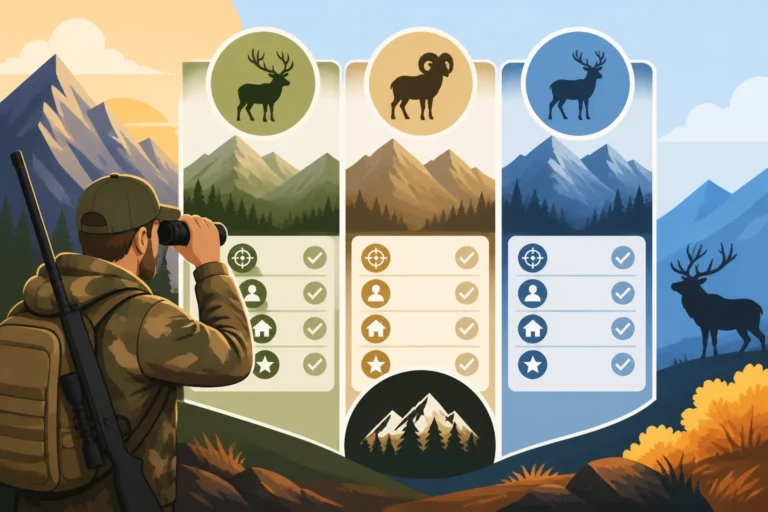
Wilderness outfitters in Colorado aren't a one-size-fits-all solution. They offer a spectrum of services, each designed to cater to different levels of hunter experience, budget, and desired involvement. Understanding these options is key to choosing the right fit for your backcountry adventure.
Fully Guided Pack-in Hunts
The fully guided pack-in hunt is often what most people envision when they think of a wilderness outfitter. With this option, everything is handled for you, from the moment you meet at the trailhead until you depart. The outfitter provides all the necessary equipment, including tents, cooking gear, and food. They also supply the horses or mules for packing in camp and provisions, and perhaps for riding into hunting areas. You'll be accompanied by experienced guides who know the terrain intimately, understand elk behavior, and handle all the camp chores, cooking, and navigation. Your primary responsibility is to hunt and enjoy the experience.
These hunts typically involve setting up a comfortable, albeit remote, base camp deep in the wilderness. From this central location, daily hunts are conducted, often on foot, exploring surrounding basins, ridges, and timbered slopes. If successful, the guides will handle the quartering, caping, and packing out of your animal. This option is ideal for hunters who want a complete, immersive wilderness experience without the heavy burden of planning logistics, navigating unknown territory, or managing all the physical demands of packing a camp. It's also a great choice for those who might not have the extensive backcountry gear list required for a DIY approach, or those who are new to hunting Colorado's challenging terrain. Many reliable outfitters offer these on platforms like BookYourHunt.
Drop Camps
Drop camps offer a more independent, yet still logistically supported, wilderness hunting experience. Here, the outfitter uses their pack string (horses or mules) to pack you and your gear – including food, tents, and personal items – into a pre-determined, remote camp location. They drop you off, sometimes provide a rudimentary camp setup (like a wall tent and stove), and then leave you to hunt independently for a specified number of days. At the end of your hunt, they return to pack you and any game meat out.
This option is perfect for experienced backcountry hunters or groups of hunters who have their own gear, possess strong navigation and hunting skills, and prefer to hunt without a guide constantly by their side. It's also a more budget-friendly alternative to a fully guided hunt, as you're essentially paying for transportation and camp logistics rather than daily guiding services. The challenge and reward of a drop camp lie in your self-reliance and decision-making within a wild environment. You're responsible for your own hunting strategy, camp chores, cooking, and field processing of any animals harvested. Many outfitters specialize in just this type of service, which you can learn more about in resources like Colorado Drop Camp Hunts Explained. This approach demands a higher level of preparedness and wilderness savvy, but offers immense satisfaction for those who successfully tackle it.
Hybrid Options and Pack-in Services
Some wilderness outfitters offer hybrid models or specialized pack-in services that blend aspects of guided hunts and drop camps. For instance, an outfitter might offer a semi-guided hunt where they pack you in, establish a camp, provide initial scouting information, and then check in periodically, allowing you to hunt mostly independently while still having some expert support. This can be a great middle-ground for hunters who want more autonomy than a fully guided trip but appreciate the peace of mind of having a professional touchpoint.
Another common offering is purely a pack-in/pack-out service. If you have your own extensive gear list, know your chosen area well, and are fully capable of setting up and running your own camp, an outfitter can simply transport your gear, food, and even yourself (riding a horse) to a remote location. This is often the most economical way to access deep wilderness areas without buying your own pack animals or spending days shuttling loads. It alleviates the most physically demanding aspect of a DIY backcountry hunt: getting all your heavy equipment miles into the mountains. This flexibility allows hunters to customize the level of support they need, ensuring they get into prime elk country without necessarily signing up for a full-service package.
Here's a quick comparison of these wilderness hunt options:
| Feature | Fully Guided Pack-in | Drop Camp | Pack-in/Pack-out Service |
|---|---|---|---|
| Outfitter Role | Provides guides, camp, food, horses, full support | Packs hunters/gear in/out, sometimes camp/basic food | Purely transportation for hunters/gear |
| Hunter Skill | Low to Moderate (guides handle most) | Moderate to High (self-reliant hunting & camp) | High (full DIY hunting & camp setup) |
| Independence | Low (always with guides) | High (hunt and manage camp independently) | Very High (complete DIY hunt) |
| Cost | Highest | Medium | Lowest (transportation only) |
| Logistics | Handled by outfitter | Outfitter handles transport; hunter handles camp/hunt | Outfitter handles transport; hunter handles everything else |
| Ideal For | First-timers, less experienced, luxury backcountry | Experienced hunters, groups, budget-conscious | Highly experienced DIY hunters, specific area knowledge |
The Logistics and Challenges of a Wilderness Hunt
Venturing into Colorado's designated wilderness areas is not for the faint of heart. While a wilderness outfitter handles many of the complexities, understanding the inherent logistics and challenges will help you mentally prepare and appreciate the value they provide. This isn't your average hunting trip; it's a test of endurance and resolve.
Physical Demands and Gear Weight
One of the most significant challenges is the sheer physical demand. Even on a fully guided pack-in hunt where horses carry the bulk of the camp, you will still be walking miles each day, often uphill, downhill, and across uneven, steep terrain at high altitudes. If you are going on a Colorado Backcountry Hunting Guide experience, expect to cover ground that can be extremely taxing, especially if you're not accustomed to mountain hunting. Packing out an elk, even with the help of guides and pack animals, will require your physical participation, often over rugged distances. This isn't a sedentary hunt; it's an active, physically demanding endeavor.
For drop camps or pack-in services, the gear burden shifts even more to the hunter. Every ounce matters. You’ll be responsible for selecting lightweight, durable, and reliable equipment that can withstand unpredictable mountain weather, from intense sun to sudden snowstorms. This includes specialized clothing systems, sleeping bags rated for cold nights, reliable navigation tools, and sturdy boots that can handle miles of abuse. The frustration of inadequate gear in the backcountry is very real; a cheap rain jacket or ill-fitting boots can quickly turn an epic adventure into a miserable ordeal. This is why thorough preparation, including a serious look at Colorado Backcountry Hunting Gear List, is absolutely non-negotiable.
Navigation, Communication, and Emergency Preparedness
In the vast expanse of Colorado's wilderness, navigation and communication take on critical importance. Unlike hunting areas with established roads or cell service, the backcountry is often a maze of timber, rock slides, and unmarked trails. Wilderness outfitters are masters of this terrain, using traditional map and compass skills alongside modern GPS units and satellite communication devices like Garmin inReach or Zoleo. For the hunter, especially on a drop camp, proficiency with these tools is essential. Getting lost miles from camp, particularly as daylight fades or weather deteriorates, can quickly escalate into a dangerous situation.
Emergency preparedness is another huge factor. Accidents happen, and in remote wilderness, help can be hours or even days away. Wilderness outfitters are trained in wilderness first aid and carry extensive emergency kits. They also have established communication protocols with outside contacts in case of a serious injury or medical emergency, often relying on satellite phones or messaging devices since cell service is virtually non-existent. As a hunter, whether guided or on a drop camp, you should also carry a personal first aid kit, understand basic wilderness survival principles, and have your own personal locator beacon (PLB) or satellite messenger. The peace of mind that comes from knowing you're prepared for the unexpected, or that your outfitter is, is invaluable.
Choosing the Right Colorado Wilderness Outfitter
Selecting a wilderness outfitter isn't a decision to be taken lightly. It's a significant investment in both time and money, and the right choice can make or break your hunting experience. Given the unique demands of wilderness hunting, you need an outfitter whose expertise, reputation, and operational style align with your expectations. You can find many options using search tools from companies like BookYourHunt or by doing diligent research on your own.
Vetting and Reputation
The first step in choosing an outfitter is thorough vetting. Don't just pick the first name you find online. Start by researching their permit areas and ensuring they legally operate in the wilderness areas they claim. Check with Colorado Parks and Wildlife (CPW) to verify their outfitter license and any past complaints. A reputable outfitter will be proud to share their license numbers and references. Next, ask for a list of recent references – and actually call them! Talk to past clients about their experiences, both good and bad. Ask specific questions: Were the guides knowledgeable? Was the camp comfortable? How were unexpected challenges handled? Was the outfitter transparent about costs and expectations?
Look for consistent positive feedback regarding safety, ethics, and animal care. An outfitter who consistently harvests game is a good sign, but equally important is an outfitter who prioritizes safety and ethical hunting practices above all else. Platforms like GoHunt and BookYourHunt can provide verified listings and reviews, but always cross-reference information and seek out direct conversations with past clients. Be wary of outfits that promise guaranteed kills or have vague answers to direct questions. A truly experienced wilderness outfitter understands the unpredictable nature of hunting and will set realistic expectations.
Understanding Contracts and Inclusions
Once you've narrowed down your choices, pay meticulous attention to the outfitter's contract. This document should clearly outline everything included in the hunt price: what services are provided, how many days are included, what meals you can expect, transportation details, and what gear the outfitter supplies. Just as important is what is not included. Often, licenses, tags, meat processing, taxidermy, and tips for guides are additional costs. Make sure there are no hidden fees.
Clarify cancellation policies, payment schedules, and what happens if unforeseen circumstances (like extreme weather or injury) force a change in plans. For drop camps or pack-in services, understand the exact weight limits for your gear and what constitutes an extra charge. Don't hesitate to ask questions until you fully understand every clause. A transparent outfitter will be happy to walk you through the contract and address any concerns. This careful review upfront can prevent misunderstandings and financial surprises down the line, ensuring a smoother and more enjoyable experience. Knowing the Colorado Guided Elk Hunt Cost in advance and comparing it to what's included is crucial.
Preparing for Your Wilderness Hunt
Embarking on a Colorado wilderness hunt, whether fully guided or a self-sufficient drop camp, demands a high level of preparation. This isn't a casual vacation; it's an expedition into challenging terrain, and your success and safety hinge on how well you prepare yourself and your gear.
Physical Conditioning
There's no way around it: Colorado elk hunting, especially in wilderness areas, is physically demanding. You'll be climbing steep grades, navigating rocky terrain, and potentially covering many miles at altitudes ranging from 8,000 to 12,000+ feet. This significantly impacts your cardiovascular system and muscular endurance. The number one complaint from hunters returning from the mountains is often the lack of physical conditioning. Don't let your physical limitations be the reason you can't keep up with a guide, or worse, can't pack out an animal you've successfully harvested.
Start your training months in advance. Focus on a combination of cardiovascular endurance (hiking, running, stair climbing, rucking with weight), strength training (especially legs and core), and flexibility. Mimic hunting conditions as much as possible: hike with your fully loaded hunting pack on varied terrain. Consider incorporating altitude training if possible, or at least arrive in Colorado a few days early to acclimate. There are numerous resources like Colorado Elk Hunt Fitness Plan that can guide your regimen. The fitter you are, the more you'll enjoy the hunt, the more ground you can cover, and the better your chances of success. This isn't about being a marathon runner, but about being able to comfortably handle sustained physical effort in a demanding environment.
Essential Gear and Packing Strategies
Beyond physical fitness, having the right gear and knowing how to pack it efficiently is paramount. The Colorado mountains are notorious for unpredictable weather, often experiencing all four seasons in a single day. Layering is crucial, and quality gear makes a huge difference. Think waterproof and windproof outer layers, insulating mid-layers, and moisture-wicking base layers. Don't skimp on a good backpack that fits well and can comfortably carry heavy loads, nor on high-quality, broken-in mountain boots. Investing in reliable optics like binoculars, a spotting scope, and a rangefinder will significantly aid your scouting and hunting efforts. You can read up on Best Backpack for a Colorado Elk Hunt and Best Boots for Colorado Elk Hunting for more detailed information.
When packing, consider the "what ifs." What if it rains for three days straight? What if temperatures drop unexpectedly? Bring essential repair kits, a headlamp with extra batteries, fire starters, and emergency food rations. For drop camps, meticulous planning of food and camp supplies is vital; remember that everything you pack in must be packed out. Practice packing your backpack at home, distributing weight evenly and ensuring easy access to frequently used items. Make a checklist and stick to it. Every item should serve a purpose, as excess weight quickly becomes a burden. A well-prepared gear list and thoughtful packing strategy can turn potential discomforts into manageable challenges, allowing you to focus on the hunt itself.
Disclaimer
Please be aware that hunting regulations and season dates in Colorado can change. Always consult the most current Colorado Parks and Wildlife (CPW) regulations and official publications before planning any hunting trip. This guide is for informational purposes only and should not replace official sources or professional advice.