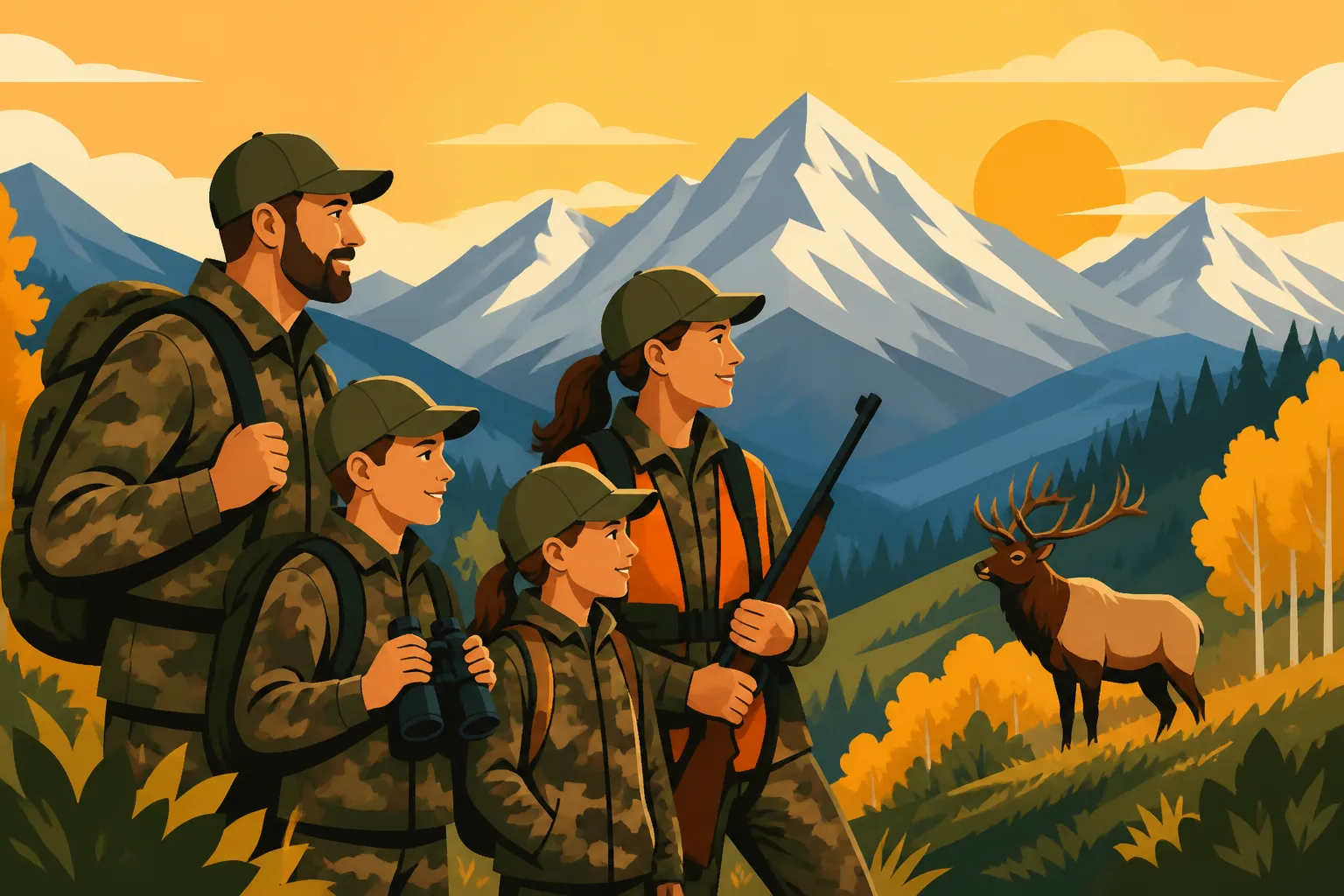
Colorado Guided Hunts for Families
Bringing the whole family on a hunting adventure can feel like a daunting task, can't it? You're juggling different skill levels, varying attention spans, and the sheer logistics of getting everyone comfortably and safely into the rugged Colorado backcountry. It's enough to make even the most seasoned hunter hesitant. But imagine sharing those crisp mountain mornings, the quiet anticipation, and the thrill of the chase with your children or grandchildren. This guide is here to walk you through how a carefully chosen Colorado guided hunt can transform those dreams into a tangible, memorable family experience, ironing out the complexities so you can focus on making lasting memories together.
The Unique Appeal of a Colorado Guided Family Hunt
There’s something truly special about introducing your family to the traditions of hunting in a place like Colorado. It’s not just about the harvest; it’s about connection, respect for nature, and creating stories that will be told around campfires for generations. But let’s be honest, trying to coordinate a successful hunt with kids or multiple generations can quickly become overwhelming when you’re also navigating public lands, unfamiliar terrain, and all the minutiae of a DIY trip. That’s where a guided family hunt really shines, offering a structured, supportive environment that minimizes stress and maximizes the experience for everyone.
Overcoming Common Family Hunting Challenges
Anyone who's tried to manage a family outing, let alone a hunting trip, knows the unique hurdles. You might have a teenager bursting with energy, a younger child still learning patience, and maybe grandparents who want to be involved but need easier access or less strenuous activity. A guide understands these dynamics. They can scout areas that are more accessible, adjust the pace to suit the slowest member, and provide constant engagement for everyone, preventing boredom or frustration. Think about food, too – a good outfitter often handles meals, removing yet another layer of stress from your plate, allowing you to simply enjoy the company.
Another big challenge is differing skill levels. You might be an experienced hunter, but your kids or spouse might be complete novices. A guide can provide one-on-one instruction, teach tracking skills, safe firearm handling, or even archery techniques tailored to individual needs. They can also explain the ethics of hunting and wildlife conservation in an engaging way that resonates with younger minds, turning what could be a frustrating learning curve into an exciting educational journey. The goal isn't just a successful hunt, but a successful learning experience that fosters a lifelong love for the outdoors.
The Educational and Bonding Benefits
There's no classroom quite like the Colorado wilderness. A guided family hunt offers an unparalleled opportunity for hands-on education. Kids aren't just reading about wildlife; they're seeing tracks, identifying calls, and understanding animal behavior firsthand. Guides are often natural educators, sharing their vast knowledge of local flora and fauna, survival skills, and the history of the land. They can turn every rustle in the leaves or distant bugle into a teachable moment, making the entire experience rich with learning.
Beyond the educational aspects, these trips are phenomenal for family bonding. In our busy, screen-filled lives, dedicated time together in nature is precious. When you're all working towards a common goal, whether it's spotting a herd of elk or simply enjoying a campfire meal under a blanket of stars, you're creating shared memories and strengthening relationships in ways that everyday life rarely allows. It’s about unplugging and truly connecting, facing challenges together, and celebrating small victories as a unit. These moments forge bonds that last far longer than any trophy.
Safety and Support in the Outdoors
Safety is, without a doubt, the number one concern when taking family, especially children, into the rugged and unpredictable Colorado wilderness. This is where a professional guide truly earns their keep. They are experts in navigation, first aid, emergency protocols, and animal behavior. They know the terrain, understand the weather patterns, and can make critical decisions that keep everyone safe. You won’t have to worry about getting lost, encountering dangerous wildlife unprepared, or handling an unexpected medical situation alone.
Moreover, a guide provides invaluable support throughout the entire process. From setting up camp to field dressing an animal, they handle the heavy lifting and ensure tasks are done correctly and safely. This support allows family members, particularly those new to hunting or with physical limitations, to participate fully without being overwhelmed or put in uncomfortable situations. It means that while you're focused on teaching your child how to track, the guide is ensuring the camp is secure or preparing the next move, creating a seamless and worry-free experience for the entire family.
Selecting the Perfect Outfitter for Multi-Generational Adventures
Choosing the right outfitter is arguably the most critical step in planning a successful family hunting trip in Colorado. You’re not just looking for someone who can find animals; you need a partner who understands the nuances of family dynamics, accommodates different needs, and prioritizes a positive experience over just a kill. This requires careful research and asking the right questions.
Key Questions to Ask Prospective Outfitters
Before you commit, it's essential to have a detailed conversation with any potential outfitter. Don't be shy; this is your family's adventure! Start by asking about their experience with family groups and youth hunters. Do they have specific programs or guides who specialize in these types of trips? How do they handle different physical capabilities or varying levels of hunting experience within a single group? A truly family-friendly outfitter will have thoughtful answers and clear strategies.
You should also inquire about their typical daily schedule and how flexible it is. Can they accommodate shorter hunting days for younger kids, or opportunities for non-hunting activities if someone needs a break? Ask about their success rates, but also clarify what "success" means to them – is it solely a harvest, or do they value the overall experience and educational aspects just as much? Platforms like BookYourHunt can be a great starting point to find outfitters and read reviews specific to family-friendly services, helping you narrow down your choices based on others' experiences. Remember to also discuss their safety record and protocols, as well as their approach to ethical hunting practices. For more detailed questions, consider checking out our guide on how to choose a Colorado hunting outfitter.
Accommodations and Amenities for All Ages
The type of lodging and amenities offered by an outfitter can significantly impact the comfort and enjoyment of a family hunt. For families with younger children or those who appreciate a few creature comforts, a lodge-based hunt with private rooms, hot showers, and hearty meals might be ideal. This offers a comfortable base to return to after a day in the field, allowing for better rest and rejuvenation.
On the other hand, a Colorado Drop Camp Hunts Explained might offer a more rustic, adventurous feel, which could be perfect for older kids or more experienced families seeking a true backcountry experience. However, ensure the drop camp is well-equipped with durable tents, comfortable sleeping arrangements, and adequate cooking facilities. Discuss food allergies or dietary restrictions well in advance, and confirm whether they provide all meals, or if you'll be responsible for some cooking. Remember, a happy family often starts with good sleep and good food!
Tailoring the Hunt to Different Skill Levels
A key benefit of a guided family hunt is the outfitter’s ability to customize the experience. If you have a mix of experienced and beginner hunters, discuss how the guide will ensure everyone feels engaged and challenged appropriately. For instance, they might pair a less experienced hunter with a guide for one-on-one instruction while more seasoned hunters pursue a different strategy.
They can also adapt the hunting method. Perhaps for younger hunters, a spot-and-stalk approach in more open terrain is better than long hours of still-hunting dense timber. Or maybe they offer a combination of methods, like calling in the morning and glassing in the afternoon. Ask about the physical demands of the hunt – will there be long hikes at high elevation, or are there options for less strenuous outings? A good outfitter will work with you to craft an itinerary that balances the pursuit of game with the comfort and enjoyment of every family member, ensuring that even if not everyone harvests an animal, everyone still has a fantastic and rewarding experience.
Exploring Family-Friendly Guided Hunt Options in Colorado
Colorado offers a diverse landscape and a variety of big game species, making it an ideal destination for a family hunting trip. However, not all hunts are created equal when it comes to accommodating different ages and experience levels. Understanding the options will help you choose the adventure that best fits your family’s desires and capabilities.
Deer, Pronghorn, and Elk: Which Species Suit Families Best?
When considering a family hunt, the choice of target species plays a huge role. Each animal offers a different experience, and some are inherently more "family-friendly" than others.
-
Pronghorn: Often found on Colorado's eastern plains, pronghorn hunts can be an excellent option for families. The terrain is generally flat, making it less physically demanding than mountain elk hunts. Spot-and-stalk is a common method, which can be very engaging for kids as they learn to use optics and make long-distance observations. Shots can be longer, offering a good challenge for rifle skills, but the overall effort involved in the hunt and the subsequent pack-out is often less intense. Plus, the sheer speed and unique appearance of pronghorn are captivating. You can read more about Colorado Pronghorn Hunting Guide for more details.
-
Mule Deer: Often found in varied terrain, from plains to mountains, mule deer offer a middle ground. Hunting them might involve more hiking than pronghorn, but often less than a deep mountain elk hunt. They're typically hunted by spot-and-stalk or still-hunting, which can be fantastic for teaching patience and observation skills. Guides can often find areas with good deer populations that are relatively accessible. A Colorado Mule Deer Hunting Guide can provide more in-depth information.
-
Elk: The iconic Colorado elk hunt is a dream for many, but it can be the most physically demanding. While incredibly rewarding, a true backcountry elk hunt might be too strenuous for very young children or those with limited mobility. However, many outfitters offer lodge-based elk hunts in more accessible areas or even cow elk hunts which can be a fantastic first big game experience for a family, focusing on meat harvesting rather than trophy hunting. These hunts might involve shorter, less intense hikes. If elk is the primary goal, be sure to thoroughly discuss the physical demands with your outfitter. Don't forget to review our full Colorado Elk Hunting Guide.
| Species | Typical Terrain | Physical Demands | Engagement for Kids | Accessibility Factors |
|---|---|---|---|---|
| Pronghorn | Flat, open plains | Low to Moderate | High (glassing, stalking) | Excellent, less strenuous |
| Mule Deer | Varied (foothills, mountains) | Moderate to High | High (spotting, tracking) | Good, but can be strenuous |
| Elk | Mountainous, rugged | High (steep, long hikes) | Moderate (patience required) | Can be challenging, inquire about accessible hunts |
Drop Camps vs. Full-Service Lodges
The type of camp you choose will significantly impact the family experience.
-
Full-Service Lodges: These are often the most family-friendly option. They typically offer comfortable beds, prepared meals, and amenities like hot showers, all of which can make a huge difference in keeping spirits high. After a day of hunting, returning to a warm lodge with a hot meal waiting is a luxury that parents and kids alike will appreciate. Many lodges also offer non-hunting activities for family members who might want a break from the field, or for children who need more varied entertainment. This setup allows you to focus purely on the hunting experience and family time, with all the logistical hassles handled by the outfitter.
-
Drop Camps: A drop camp, where an outfitter packs you into a remote area and leaves you with a pre-set camp, offers a more rugged and self-reliant experience. While more adventurous, it places more responsibility on the family for cooking, managing camp, and potential emergencies. This can be an amazing bonding experience for older, more experienced families who thrive on self-sufficiency, but it might be too much for families with very young children or those new to backcountry living. If you're considering this, ensure everyone in the family is up for the challenge and understands what a Colorado Drop Camp Hunts Explained entails.
Season Choices and Weather Considerations
Colorado's hunting seasons vary widely, and your choice can have a big impact on a family hunt.
-
Archery Season (Late August – September): This can be a beautiful time of year, with generally milder weather and the exciting elk rut in full swing. The chance to hear bulls bugle is incredible. However, archery hunting demands extreme stealth and patience, which can be challenging for younger children. The weather can still be warm, requiring careful meat care. You can learn more in our Colorado Archery Elk Hunting Guide.
-
Muzzleloader Season (Mid-September): Often overlapping with a portion of the rut, this season offers another unique experience. Weather can be variable, ranging from warm to early snow. Muzzleloader hunting also requires specialized knowledge and patience.
-
Rifle Seasons (October – November): Colorado's rifle seasons offer varied experiences. The early rifle seasons (1st and 2nd) generally have milder weather, though late October and November can bring significant snow and colder temperatures. These seasons often have higher success rates due to more liberal weapons and increased elk movement. However, they can also be more crowded. Colder weather means more gear to manage for the family, but it also means easier meat care and stunning snowy landscapes. For families, a 2nd or 3rd rifle season hunt might offer a good balance, but be prepared for anything Mother Nature throws your way. Make sure to understand the different dates by reviewing the Colorado Hunting Seasons Explained.
Regardless of the season, always pack for all four seasons in one day. Mountain weather is notoriously unpredictable, and having appropriate layers for everyone – from base layers to waterproof outer shells – is non-negotiable for comfort and safety.
Pre-Trip Planning for a Seamless Family Experience
The success of any family adventure, especially a guided hunt in Colorado, often boils down to meticulous pre-trip planning. It's not just about packing your bags; it's about preparing everyone physically and mentally, understanding the rules, and ensuring you have all the necessary gear to stay comfortable and safe in the mountains.
Physical Preparation for Kids and Adults
Colorado hunting, even guided, can be physically demanding due to the elevation and rugged terrain. It's crucial that everyone, from the youngest participant to the oldest, is adequately prepared. Start a fitness routine a few months before the trip. This doesn't mean everyone needs to be a marathon runner, but regular walking, hiking, and stair climbing can make a significant difference. For younger kids, this could mean more active play, family hikes on local trails, or even just daily walks around the neighborhood to build stamina.
For adults, focusing on cardio and leg strength is vital. Remember, you'll be navigating uneven terrain, possibly at high altitudes. If anyone in your family isn't used to higher elevations, discuss acclimatization strategies with your outfitter. Arriving a day or two early to a lower elevation town in Colorado can help everyone adjust. Staying hydrated is also key. You can find more targeted advice in guides like How to Physically Prepare for Colorado Elk and Altitude Training for Colorado Hunting.
Essential Gear for the Whole Family
Packing for a family hunt can feel like packing for a small army, but with a good list and smart choices, it's manageable. Layering is king in Colorado. Everyone needs a good wicking base layer, an insulating mid-layer (like fleece or puffy jacket), and a waterproof/windproof outer shell. Comfortable, broken-in hunting boots are non-negotiable for blister-free feet. Ensure everyone has appropriate headwear (hats for warmth and sun protection), gloves, and plenty of warm, dry socks.
Beyond clothing, consider individual needs. Do your kids have binoculars they can practice with? Headlamps are essential for navigating camp in the dark. A small backpack for each family member to carry their own water, snacks, and extra layers promotes responsibility and ensures everyone has what they need close at hand. While your outfitter will provide some specialized gear, always confirm what you need to bring. Reputable brands like Sitka Gear or Kuiu offer excellent quality clothing that can withstand the rigors of mountain hunting, though there are plenty of more budget-friendly options that perform well too. Don't forget personal items like medications, toiletries, and small comfort items that might make camp life more enjoyable for children. Our comprehensive Best Colorado Elk Hunting Gear list can serve as a great starting point for your family's packing.
Understanding Colorado's Youth Hunting Regulations
Navigating hunting regulations can be complex, and youth hunting rules often have specific nuances. In Colorado, specific requirements apply to hunters of different ages. Generally, hunters 12 years and older can hunt big game, but there might be minimum age requirements for certain species or methods. Youth hunters typically need to complete a Hunter Education course, which can often be done online with a field day component. It's crucial to check the Colorado Parks and Wildlife (CPW) website for the most current regulations.
Also, be aware of mentorship rules. Younger hunters often need to be accompanied and directly supervised by an adult. The outfitter should be knowledgeable about these rules, but it's your responsibility as a parent to ensure compliance. Obtaining the correct licenses and tags for each family member, including youth licenses and habitat stamps, is paramount. Start this process early, as some licenses may require applying through the Colorado draw system. Check out our guide on Colorado Youth Hunting License Rules for a deeper dive into these specific regulations to ensure your family's hunt is completely legal and ethical.
Maximizing Your Family's Colorado Hunting Memories
A guided family hunt isn't just about pursuing big game; it's about crafting an unforgettable experience that extends far beyond the moment of a successful harvest. These are the moments that truly stick with you and your loved ones for years to come.
Beyond the Harvest: Learning and Exploration
Even if no one in the family takes an animal, the trip can still be an incredible success. The learning opportunities are immense. Encourage your children to engage with the natural world around them. What kind of trees are these? What bird just flew by? What tracks are those on the trail? A good guide can facilitate these impromptu lessons, pointing out different animal sign, explaining the ecosystem, or even teaching basic survival skills like fire starting or knot tying.
Spend time exploring the area around camp. Many Colorado hunting areas are rich in history, from old mining trails to ancient Ute tribal lands. Consider packing a field guide for local plants and animals, or a magnifying glass for inspecting insects and leaves. These small details can turn "down time" into fascinating discoveries, fostering curiosity and a deeper appreciation for the environment. These experiences, independent of hunting success, build a strong foundation for future outdoor adventures.
Documenting Your Family's Adventure
You'll want to remember this trip forever, so make sure to document it! Encourage everyone to bring a camera, whether it's a smartphone or a dedicated DSLR. Capture candid moments: kids laughing around the campfire, dad teaching proper shooting form, or the whole family glassing a distant hillside. Don't just focus on potential game; photograph the stunning Colorado landscapes, the wildlife you do see (even if it's just a squirrel or a grouse), the camp life, and the expressions on your family's faces.
Consider bringing a journal or a small notebook where each family member can write down their thoughts, observations, or even draw pictures. This can become a treasured keepsake that allows you to relive the adventure years down the road. Some families even create a "hunt album" or a video montage after the trip, providing a tangible way to share and remember the incredible journey they shared together in the mountains.
Instilling Conservation Values
One of the most profound aspects of hunting is the opportunity to teach and instill deep conservation values. A guided hunt provides a direct connection to the circle of life and the importance of responsible land stewardship. Discuss with your family why hunting licenses and tags cost money – it's because those funds directly support wildlife management, habitat restoration, and conservation efforts across the state. This helps them understand that hunting is not just about taking, but also about giving back and ensuring healthy wildlife populations for future generations.
Your guide will likely be an expert on local conservation efforts and regulations; encourage them to share this knowledge. Talk about ethical shot placement, respecting the animal, and utilizing every part of the harvest if successful. This direct exposure to respectful hunting practices helps demystify hunting and shows kids how hunters are often the most passionate conservationists. These lessons go far beyond the hunt itself, fostering a lifelong ethic of responsible interaction with the natural world.
Financial Considerations and Smart Budgeting
Let’s talk money. Guided hunts in Colorado, especially for big game like elk, are an investment. However, when you factor in the expertise, safety, logistical support, and the sheer quality of the experience for an entire family, it often becomes a worthwhile expenditure. Understanding the costs upfront and budgeting smartly can help ensure there are no unwelcome surprises.
Breaking Down the Costs of a Guided Family Hunt
A typical guided family hunt cost can range dramatically depending on the species, duration, level of service (drop camp vs. full-service lodge), and the outfitter’s reputation. Here’s a breakdown of common expenses:
- Outfitter Fees: This is the bulk of the cost. For a family of four on a multi-day elk hunt, you could easily be looking at several thousand dollars, potentially even upwards of $15,000-$20,000+ for a high-end, all-inclusive experience. This fee usually covers guides, lodging, meals, and field transportation.
- Licenses and Tags: Each hunter will need a Colorado hunting license and a specific tag for the species they intend to hunt. Non-resident tags are significantly more expensive than resident tags. A non-resident elk tag alone can be over $700. Factor in youth licenses, habitat stamps, and application fees.
- Travel Expenses: Don't forget flights or gas if driving, vehicle rental (if needed), and any pre- or post-hunt lodging in a town.
- Gear: While you might own some gear, ensuring everyone has appropriate clothing, boots, and other essentials can add up. Borrowing or renting can mitigate this.
- Meat Processing/Taxidermy: If successful, you'll incur costs for processing your game. Shipping meat home can also be a significant expense.
- Gratuities: It’s customary to tip your guides, cooks, and other camp staff for their hard work and service. A general guideline is 15-20% of the hunt cost, but always confirm with the outfitter what's typical.
A good reference for understanding these figures can be found in our detailed post on How Much Does a Colorado Elk Outfitter Cost.
Finding Value and Avoiding Hidden Fees
When discussing prices with outfitters, always ask for an itemized list of what is included and, crucially, what is not included. This helps avoid surprises. Is airport pickup included? Are drinks and snacks in the field part of the package? What about game retrieval and initial field processing? Some outfitters might include basic meat care, while others might charge extra for extensive quartering or caping for a taxidermist.
Don't be afraid to compare quotes from several different outfitters. Online platforms like GoHunt often provide resources to research outfitters and their offerings, helping you find those that align with your budget and family needs. Sometimes, booking during shoulder seasons or opting for a cow elk hunt instead of a trophy bull hunt can significantly reduce costs. Also, consider the total value – a slightly more expensive outfitter might offer a much more comfortable camp, better food, or a higher guide-to-hunter ratio, which could be invaluable for a family experience.
Alternative Options for Budget-Conscious Families
If a fully guided big game hunt is currently outside your family's budget, don't despair! There are still fantastic ways to experience hunting in Colorado together.
- Semi-Guided or Drop Camp Hunts: As discussed, a drop camp is less expensive than a full-service lodge, though it requires more self-sufficiency. Semi-guided hunts offer some assistance (e.g., scouting, game retrieval) without the constant presence of a guide, which can save money.
- Small Game or Upland Bird Hunts: These can be far more affordable and offer a wonderful introduction to hunting for younger family members. They require less specialized gear, often have longer seasons, and the physical demands are generally much lower. You might consider a guided pheasant or grouse hunt, which can still provide immense fun and learning.
- DIY Hunting with Local Guide Consultation: You could plan your own DIY hunt for species like over-the-counter (OTC) archery elk, but hire a local guide for a single day of scouting or a few hours of consultation to help you understand the terrain, identify productive areas, and answer questions. This offers a middle ground, leveraging expert knowledge without the full cost of a multi-day guided trip. Remember to learn more about Colorado OTC Elk Tags Explained if you plan to go this route.
- Focus on the Experience, Not the Kill: Sometimes the most budget-friendly approach is to simply prioritize the outdoor experience. Focus on camping, hiking, identifying tracks, calling animals, and practicing skills. Even if you're not paying for a guide, a well-planned DIY camping trip in a hunting unit during the season can provide many of the same bonding and educational benefits at a fraction of the cost.
No matter your budget, the goal is to create meaningful memories and foster a love for the outdoors in your family. With careful planning and a realistic approach, a Colorado hunting adventure can be within reach.
Disclaimer
The information provided in this guide is for general informational purposes only and does not constitute legal or professional advice. Hunting regulations, license requirements, and season dates in Colorado are subject to change by Colorado Parks and Wildlife (CPW). Always consult the most current CPW regulations, brochures, and official website before planning any hunting trip. It is the responsibility of each hunter to understand and comply with all applicable laws and regulations. Seek advice from a qualified outfitter or CPW official for specific questions regarding your hunt.