Colorado Outfitters for Horseback Elk Hunts
The dream of chasing a majestic bull elk through Colorado's rugged mountains is powerful, but the reality of covering vast, steep terrain can quickly turn that dream into a grueling physical challenge. Many hunters, especially those of us who aren't spring chickens or don't have the time to train like an Olympic athlete, find ourselves wishing for a way to get deeper into the wilderness without completely exhausting ourselves on day one. This comprehensive guide will walk you through everything you need to know about Colorado outfitters specializing in horseback elk hunts, offering a practical solution to access those remote honey holes and truly experience the wild West.
The Undeniable Appeal of Horseback Elk Hunts in Colorado
Let's be honest, those pristine, roadless areas where the biggest bulls often hide aren't easy to reach. Backpacking in can be an absolute slog, especially if you're not accustomed to Colorado's high elevations. This is where a trusted steed and an experienced outfitter become your best friends, opening up a world of possibilities that might otherwise be inaccessible.
Accessing Remote Wilderness with Ease
The biggest draw of a horseback hunt is undeniably the ability to penetrate deep into the wilderness. Imagine covering miles of rugged terrain in hours, reaching areas that would take days on foot, all while conserving your energy for the actual hunt. This isn't just about comfort; it's about strategic advantage. Elk, especially mature bulls, learn to avoid areas with heavy human pressure. By using horses, you can get into those undisturbed pockets of timber, high alpine basins, and remote feeding grounds that other hunters simply can't reach.
Think about places like the Flat Tops Wilderness Area or vast stretches of the White River National Forest. These are iconic elk country, but they demand significant effort to explore. A good string of horses and mules, led by an experienced guide, means you can carry more gear, establish a comfortable camp further from trailheads, and essentially bypass the crowds. This dramatically increases your chances of finding unpressured animals. It truly transforms what would be an arduous trek into a more efficient and enjoyable journey, allowing you to focus on the hunt itself rather than the monumental task of just getting there. For a deeper dive into hunting these vast areas, check out our guide on Colorado Backcountry Hunting Guide.
Embracing the Traditional Western Hunting Experience
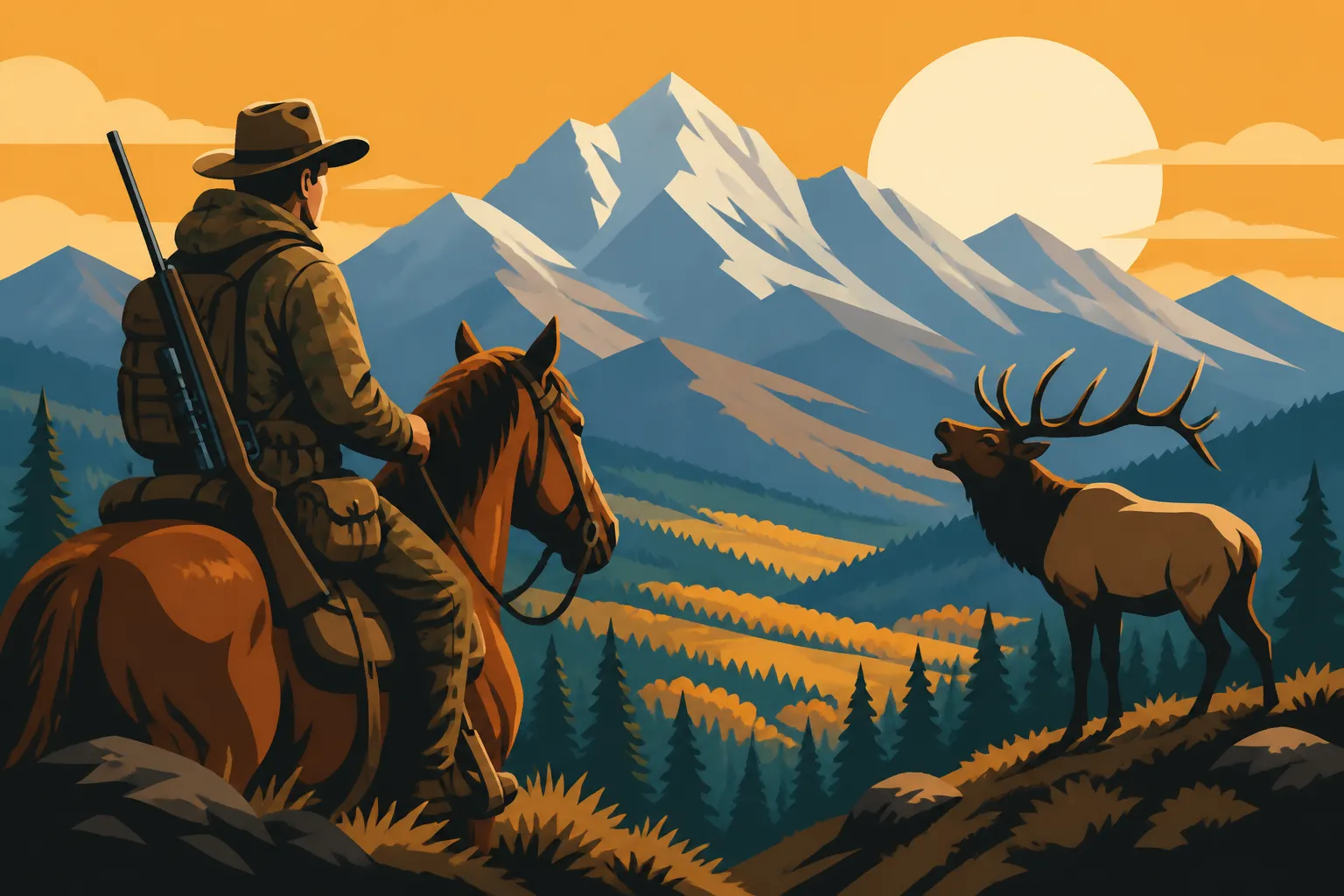
There's something inherently romantic and deeply satisfying about hunting from horseback. It harkens back to the days of mountain men and early frontiersmen, connecting you to a rich tradition of Western hunting. It’s not just a means of transportation; it's an immersive experience. You'll spend your days traversing breathtaking landscapes, feeling the rhythm of the horse beneath you, and experiencing the mountains in a way that few modern hunters do.
Beyond the aesthetics, horseback hunting often fosters a unique bond with your guide and their animals. You're entrusting your safety and success to their knowledge of the country and their horsemanship. Many outfitters have been working these lands for generations, passing down invaluable wisdom about elk behavior, mountain travel, and traditional hunting methods. It’s a chance to learn from seasoned pros and absorb insights you won't find in any book. The quiet clip-clop of hooves on a mountain trail, the crisp morning air, and the panoramic views from a saddle are all part of an unforgettable adventure that goes beyond just pursuing an elk.
Selecting the Right Colorado Horseback Outfitter
Choosing an outfitter can feel overwhelming, especially with so many options out there. This isn't just about finding someone with horses; it's about finding a reputable, experienced team that aligns with your hunting goals and provides a safe, ethical, and productive experience.
Key Questions and Considerations for Vetting Outfitters
When you start looking at outfitters, don't be shy about asking direct, detailed questions. This is an investment of time, money, and personal effort, so you deserve clarity. Start by inquiring about their experience specifically with horseback elk hunts in the units you're interested in. How long have they been operating? What's their success rate for elk on horseback hunts? Remember, a general "success rate" might include deer, bears, or even drop camps, which isn't what you're after.
Ask about the horses themselves. Are they mountain-trained, sure-footed, and accustomed to hunters? Will you be riding the same horse each day? What is their policy on client riding experience? Some outfitters prefer clients with riding experience, while others are excellent at accommodating beginners. Inquire about their typical camp setup, the food provided, and the guide-to-hunter ratio. A lower ratio (like 1:1 or 1:2) often means more personalized attention and increased flexibility during the hunt. Websites like BookYourHunt can be a great starting point for finding reputable outfitters and reading reviews specific to horseback hunts. They often list what's included and provide direct contact information.
Understanding Licensing, Insurance, and Reputation
Before you commit to anything, verify the outfitter’s credentials. In Colorado, licensed outfitters are regulated by the Colorado Outfitter and Guide Association (COGA) and must hold specific licenses and insurance. Don't hesitate to ask for their license numbers and proof of insurance. A reputable outfitter will readily provide this information.
Beyond official documents, reputation is everything. Seek out references from past clients who have done horseback elk hunts with them. Ask these references about the guide's professionalism, the quality of the horses, the condition of the camp, and how game was handled. Pay attention to consistent themes in reviews. A few isolated negative comments might be unavoidable, but recurring complaints about safety, animal welfare, or unfulfilled promises are major red flags. Many online forums and hunting communities can also provide candid reviews and recommendations. Understanding How to Choose a Colorado Hunting Outfitter goes a long way in ensuring a positive experience.
Fully Guided, Semi-Guided, and Drop Camp Horse Services
Horseback outfits typically offer a few different levels of service, each with its own advantages and price point.
- Fully Guided Hunts: This is the most comprehensive option. You'll ride into a comfortable camp, and your guide will handle everything from cooking and camp chores to calling elk and tracking wounded animals. This is ideal for first-time Western hunters, those less experienced with elk hunting, or anyone who wants a truly immersive, hands-off experience where all they have to do is hunt. Your guide will often know the specific hunting areas like the back of their hand, increasing your odds.
- Semi-Guided Hunts: This option falls somewhere in between. The outfitter might pack you into a pre-set camp, provide horses for daily use, and offer advice on hunting strategies, but you'll be responsible for your own cooking, camp chores, and often, the actual stalking and calling. This is a good choice for experienced hunters who want the benefit of horse access but prefer more independence during the hunt itself.
- Drop Camps: Here, the outfitter packs you and your gear into a remote location, drops off supplies, and then picks you up at a pre-arranged time. You are completely on your own for the duration of the hunt, responsible for all hunting, camping, cooking, and game care. This is generally the most affordable horseback option but requires significant self-sufficiency and backcountry experience. It's crucial to understand what a Colorado Drop Camp Hunts Explained entails before committing.
- Pack Services: Some outfitters offer strictly packing services, meaning they'll haul your gear (and potentially your harvested game) in or out of a remote area, but you provide all your own riding horses and do all the hunting and camping yourself. This is great for experienced DIY hunters who just need help with the heavy lifting.
Make sure you're clear on which type of service you're booking and that it aligns with your expectations, skill level, and budget.
Preparing for Your Horseback Elk Hunting Adventure
A successful horseback hunt isn't just about the outfitter; it's also about how well you prepare yourself. The mountains of Colorado demand respect and readiness, both physically and mentally.
Physical and Mental Conditioning
Even though horses do the heavy lifting of transportation, a horseback elk hunt is far from a leisurely stroll. You'll still be dismounting to stalk, climbing steep grades on foot, and potentially packing out meat. Colorado's high altitude will test your cardiovascular fitness, so don't neglect your physical training. Focus on endurance, leg strength, and core stability. Hiking with a loaded pack, stair climbing, and general cardio will be your best friends. Check out our guide on How to Physically Prepare for Colorado Elk for detailed training plans.
Mentally, prepare for long days, unpredictable weather, and the inherent challenges of hunting wild animals in remote terrain. Patience, perseverance, and a positive attitude are crucial. Understand that success is never guaranteed, but the experience itself is invaluable. Being comfortable and confident around horses is also a mental hurdle for some, so if you're new to riding, consider taking a few lessons before your trip.
Essential Gear for Horseback Hunters
While your outfitter will handle much of the heavy camp gear, your personal equipment needs careful consideration. Durability, comfort, and functionality are key.
- Riding Apparel: You'll spend hours in the saddle, so comfortable, durable pants are essential. Jeans are common, but chaps can add comfort and protection. Quality riding boots with a defined heel are critical for safety in the stirrups. Avoid overly bulky clothing that can snag or restrict movement.
- Layers, Layers, Layers: Mountain weather is notoriously fickle. Pack a good layering system for both warmth and rain protection. This includes a moisture-wicking base layer, insulating mid-layers (fleece or down), and a waterproof/windproof outer shell. You can find excellent recommendations in our Colorado Backcountry Hunting Gear List.
- Optics: High-quality binoculars and a spotting scope are indispensable for glassing vast mountainsides from your saddle or a vantage point. Brands like Vortex, Leupold, and Maven offer excellent options. You’ll be covering ground and then stopping to glass, so clear optics are paramount for spotting animals at a distance.
- Weapon: Whether it's your archery setup or rifle, ensure it's sighted in and you're proficient with it. Discuss with your outfitter how they prefer you transport your weapon on horseback. Scabbards are common for rifles, while bows might require a protective case. Always practice shooting from different positions, including uphill and downhill angles, which are common in mountain hunting.
- Personal Items: Don't forget essentials like a first-aid kit, headlamp, water filtration system, navigation tools (GPS or a mapping app like onX or BaseMap, which GoHunt often features in its planning resources), and personal hygiene items. Pack everything in waterproof bags or dry sacks to protect against the elements.
Understanding Horse and Mountain Etiquette
Riding horses in the backcountry comes with its own set of unwritten rules and safety protocols. Your outfitter will provide specific instructions, but here are some general guidelines:
- Respect the Animals: Horses are working animals, not pets. Treat them with respect, follow your guide's instructions for handling them, and don't make sudden movements that could spook them.
- Maintain Distance: Keep a safe distance from the horse in front of you on the trail. This prevents accidental kicks and gives each horse enough space.
- Stay Alert: Pay attention to your surroundings. Horses can react to wildlife or difficult terrain. Be aware of low-hanging branches or sudden drops.
- Leave No Trace: Practice strict Leave No Trace principles. Pack out everything you pack in, minimize your impact on the environment, and properly dispose of waste. This is especially important in pristine wilderness areas.
By understanding and adhering to these principles, you contribute to a safe and enjoyable experience for everyone, including the animals.
Costs and Logistics of a Horseback Elk Hunt
Let's talk brass tacks: what does a horseback elk hunt actually cost, and what should you expect regarding logistics once you’ve booked?
Breaking Down the Financial Investment
The cost of a Colorado horseback elk hunt varies widely based on the outfitter, the duration of the hunt, the type of service (fully guided, drop camp, etc.), the remoteness of the area, and what's included. Generally, you can expect to pay anywhere from $3,000 to $8,000+ for a 5-7 day hunt.
Here’s a general breakdown:
| Service Level | Typical Price Range (5-7 Days) | Inclusions | Ideal For |
|---|---|---|---|
| Drop Camp (Horses) | $2,500 – $4,500 per hunter | Horse/mule packing in/out, camp setup (tents, cots, cooking gear, food cache), designated pickup. Hunters are self-sufficient during the hunt. | Experienced, self-reliant DIY hunters seeking remote access. |
| Semi-Guided Hunt | $4,000 – $6,500 per hunter | Horse transportation, camp logistics, some outfitter support/advice, possibly some meals. Hunters primarily hunt independently but have assistance for game retrieval/camp operations. | Experienced hunters who want horse access and some support, but value independence. |
| Fully Guided Hunt | $5,500 – $8,500+ per hunter | All transportation (horseback), comfortable camp (often wall tents with stoves), all meals, experienced guide(s), game retrieval, field dressing. A comprehensive, all-inclusive experience. | First-time hunters, less experienced elk hunters, those seeking a full service trip. |
| Pack-In/Out Service | $500 – $1,500 (per group/animal) | Only includes the transportation of gear and/or harvested game in and out of the backcountry. Hunters provide everything else, including their own riding horses if needed. | DIY hunters who need assistance with heavy loads. |
(Prices are estimates and can fluctuate significantly based on demand, outfitter reputation, and specific services.)
Beyond the outfitter's fee, don't forget additional costs such as your Colorado hunting license and tags, travel expenses to and from Colorado, pre-hunt lodging, gratuities for your guide(s), meat processing, and taxidermy. These can easily add another few thousand dollars to your total budget. It’s always best to ask for a detailed breakdown of costs from your prospective outfitter. Our guide on Colorado Guided Elk Hunt Cost provides more detailed financial considerations.
What Your Outfitter Should Provide
A clear understanding of what your outfitter provides is critical to avoid surprises. For fully guided or semi-guided horseback hunts, expect them to supply:
- Horses and Mules: The animals themselves, expertly managed and ridden by your guides.
- Camp Equipment: Tents (often spacious wall tents with wood stoves for warmth), cots, cooking gear, and a dining area.
- Food and Drink: Meals and beverages appropriate for a backcountry hunt. Discuss any dietary restrictions beforehand.
- Guides: Licensed and experienced guides who know the hunting area, elk behavior, and horsemanship.
- Game Retrieval: Assistance with field dressing, quartering, and packing out your harvested elk. This is one of the biggest advantages of a horseback hunt – getting that meat out of remote areas is a huge undertaking on foot.
Always confirm these details in writing before booking. For drop camps, the provision list will be much shorter, usually limited to packing services and basic camp infrastructure. Regardless of the service level, a good outfitter will always prioritize safety for both their clients and their animals. Knowing What to Expect on a Guided Colorado Elk Hunt can help you prepare mentally for the full experience.
Booking Your Hunt and Final Logistics
Most reputable Colorado outfitters book up well in advance, often a year or more, especially for prime season dates like the peak of the rut. If you're planning a horseback hunt during How to Hunt the Colorado Rut, expect even more competition. It’s never too early to start your research and make a deposit.
Once booked, maintain open communication with your outfitter. They will likely send you a packing list, a liability waiver, and detailed instructions on where and when to meet. Confirm specific arrival and departure times, any weight limits for your gear that the horses will carry, and emergency contact procedures. Understand their policy on weather delays or unforeseen circumstances. Many outfitters utilize public lands within National Forests like the Gunnison Basin Hunting Guide or the San Juan Mountains Hunting Guide, so familiarity with these areas and their regulations can be a bonus.
Disclaimer
Please remember that hunting involves inherent risks, and conditions in the backcountry can be unpredictable. Always prioritize safety, follow ethical hunting practices, and abide by all Colorado Parks and Wildlife regulations. This guide provides general information, and it's essential to conduct your own thorough research and consult directly with outfitters and state wildlife agencies before planning any hunt.