Best Colorado Outfitters for Bowhunters
Finding the perfect Colorado bowhunting outfitter can feel like trying to find a needle in a haystack, especially with so many options and the unique challenges of Western archery hunting. It’s a huge investment of time, money, and emotional energy, and no one wants to show up for their dream hunt only to find it’s not what they expected. This comprehensive guide is here to cut through the confusion, helping you understand what makes an outfitter truly excel for bowhunters and how to make the best choice for your next Colorado adventure.
The Unique Demands of Bowhunting in Colorado
Bowhunting isn't just a different weapon; it's an entirely different approach to hunting, especially in the rugged, vast landscapes of Colorado. Many hunters, myself included, have learned this the hard way. You might be a seasoned whitetail bowhunter from the Midwest, but chasing elk or mule deer in the high country presents a whole new set of physical and tactical hurdles that demand a specific kind of expertise from your guide.
Why Archery Requires Specialized Outfitter Knowledge
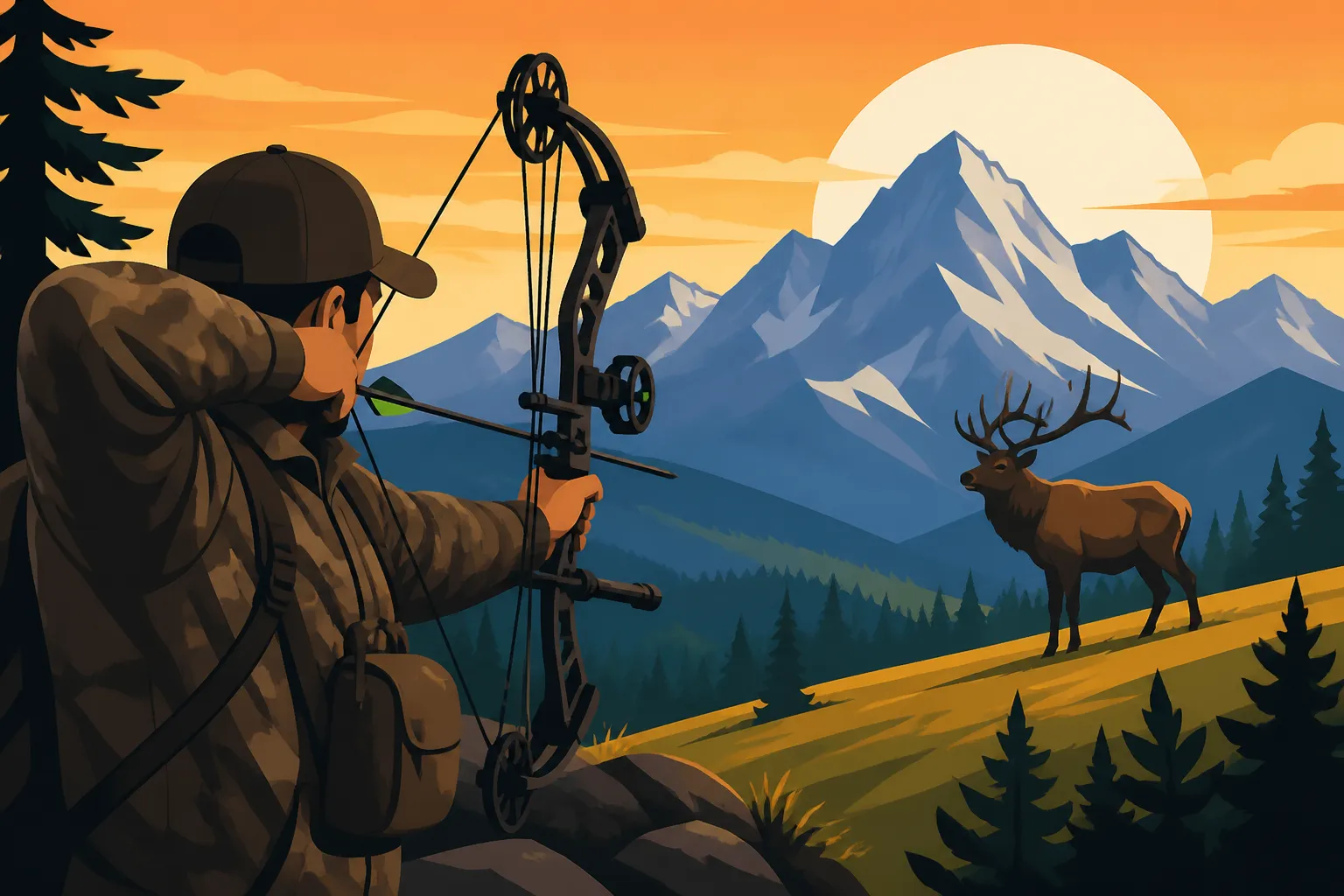
When you're bowhunting, you're constantly pushing for closer encounters. This isn't about sitting over a food plot with a rifle at 300 yards. This is about closing the distance to 60 yards, 40, even 20 yards, often on animals that are inherently wary and using every sense to avoid detection. An outfitter who truly understands bowhunting knows this intricate dance. They know that a slight shift in wind, a misplaced step on crunchy leaves, or a poorly timed call can blow an entire stalk.
They understand the need for extreme stealth, for patience that stretches for hours as you slowly inch closer, and for guiding you into positions where a clean, ethical shot is actually possible with a bow. This often means focusing on different terrain features, reading subtle animal behaviors differently, and even hunting at different times of day compared to a rifle hunt. For instance, an archery outfitter might spend more time targeting wallows or specific bedding areas in the early morning or late evening, or setting up for precise calling scenarios during the rut when bull elk are most vocal. For those diving deeper into these nuances, our guide on provides a wealth of information.
Physical and Mental Toughness Required
Colorado's elevations are no joke. Whether you're chasing elk at 9,000 feet near Steamboat Springs or stalking mule deer on steep canyon faces in the Uncompahgre National Forest, your body will be tested. Bowhunting adds another layer to this. You're often moving more, stalking slower, and frequently stopping and starting, which can be exhausting in thin air. A good outfitter doesn't just put you on game; they understand these intense physical demands and help manage your hunt realistically.
This might mean shorter, more strategic stalks to conserve energy, or helping you traverse difficult terrain efficiently to save your legs for that crucial final approach. They know the terrain, they know the most efficient ways to navigate it, and they'll push you just enough without breaking you. It’s also a significant mental game; the quiet intensity of bowhunting, the near misses that can crush your spirit, and the sheer physical grind can wear you down. An experienced guide often acts as a motivator and a calming presence, helping you stay focused and positive when frustration inevitably sets in. Before you even book your trip, you'll want to review resources like to get your body truly ready, as even with a great outfitter, the Colorado mountains demand peak condition.
Essential Qualities of a Top Colorado Bowhunting Outfitter
Choosing an outfitter is like choosing a hunting partner for a week – you want someone you trust implicitly, who’s incredibly knowledgeable, and whose priorities align perfectly with yours. For bowhunters, there are some non-negotiable qualities that truly set the best outfitters apart from the rest.
Proven Archery-Specific Experience and Success
This is absolutely paramount. Don't just ask about an outfitter's overall success rates; specifically inquire about their archery success rates and, more importantly, their opportunity rates for bowhunters. A great rifle outfitter might not necessarily be a great bowhunting outfitter. Ask how many bowhunters they guide each year and what their success or opportunity rates look like. Remember, success isn't just about killing an animal; for a bowhunter, it's about getting legitimate, ethical shot opportunities within your effective bow range.
A top-tier outfitter will have guides who are passionate bowhunters themselves, understanding the critical nuances of drawing silently, judging distances in tricky mountain terrain, and positioning a hunter for the best possible shot. They should be able to articulate their specific bowhunting strategies, whether it’s aggressive calling for bull elk during the rut, still-hunting through thick timber, or patiently sitting over secluded water holes or wallows. You want guides who are comfortable getting dirty, putting in the miles, and making the extra effort to get you into bow range. Platforms like BookYourHunt can be a great starting point to find outfitters who explicitly market bowhunting packages and provide reviews specific to archery hunts, allowing you to gauge their specialization.
Deep Knowledge of Specific Game Units and Public Land Pressure
Colorado is a vast mosaic of different game management units (GMUs), each with its own unique terrain, game populations, and varying levels of hunting pressure. A quality outfitter will possess an intimate knowledge of the specific units they operate in, particularly regarding how animals behave during archery season. They'll know precisely where the elk migrate when the early season pressure kicks in, or where the biggest mule deer bucks hide in those elusive pockets of timber during the early archery season.
This includes understanding public land dynamics, which are a huge part of hunting in Colorado. Many of Colorado’s best bowhunts are on public land, and dealing with other hunters is an unavoidable reality. The best outfitters know exactly how to navigate this, whether it's by taking you deep into remote wilderness areas like the Flat Tops, knowing less-pressured pockets that most hunters overlook, or adapting their tactics based on where other hunters are moving. Understanding how works can give you a better framework for assessing an outfitter's claims about their chosen hunting areas.
Clear Communication and Realistic Expectations
Honesty and transparency are absolutely vital when booking any guided hunt. A good outfitter will be upfront and realistic about the challenges of bowhunting in Colorado. They won't promise you a 350-inch bull elk on a five-day hunt if the odds are truly stacked against it. Instead, they'll manage your expectations regarding unpredictable weather, natural animal behavior, the intense physical demands, and realistic shot opportunities.
Before you book, ensure they provide a detailed contract, discuss all potential costs (including any hidden fees like meat processing, taxidermy pick-up, or even potential transportation costs), and clearly outline what's included and what's not in your package. Always ask for references from past bowhunting clients. When speaking with these references, ask direct, pointed questions about communication with the outfitter and guides, whether their personal expectations were met, and how any problems (if they arose) were handled. Our guide on offers more detailed advice on effectively vetting potential outfitters.
Practical Considerations and Questions for Bowhunting Outfitters
Once you’ve narrowed down a few potential outfitters, it's time to dig deeper and ask the questions that really matter for a bowhunting trip. Don't be shy; this is your hard-earned money and your dream hunt, and you deserve to be fully informed.
Guide-to-Hunter Ratio and Guide Experience
For bowhunting, where intimate encounters are key, a higher guide-to-hunter ratio is generally better. Ideally, you want a 1:1 or 1:2 ratio. This ensures personalized attention, allowing your guide to focus solely on your stalk, your call setup, and reading the subtle signs of game. With more hunters per guide, a guide can easily be spread too thin, leading to less effective hunting and potentially missed opportunities. Ask specifically about the experience of the individual guides who will be taking you out. Have they guided many bowhunters successfully? Are they proficient callers if you're elk hunting during the peak of the rut?
It’s also important to understand if their guides are permanent, experienced staff or seasonal hires who might have less intimate knowledge of the area. Consistency in guide staff often translates to better area knowledge and a more cohesive team. For an archery elk hunt, for example, you want a guide who is an absolute expert in .
Hunt Style and Success Metrics
Different outfitters have different hunting styles, and this is especially true for bowhunting. Some focus heavily on spot-and-stalk tactics, others on aggressive calling sequences, while some might prioritize sitting over water holes or wallows, particularly during warmer archery seasons. Discuss their primary tactics for bowhunting the specific species you're targeting. Does their style align with your preferences and physical capabilities? If you dream of an active, vocal calling hunt for elk, but the outfitter mostly uses ground blinds over water, it might not be the right fit for you.
When discussing "success," clarify what that term truly means to them. Is it killing an animal, seeing animals, getting legitimate shot opportunities, or simply ensuring clients have a good time? For bowhunters, opportunity is often a more valuable metric than kill rate, especially for trophy animals. What do their "opportunity rates" look like for bowhunters specifically? And what's the average shot distance they typically get their bowhunters into? This can tell you a lot about their approach and how realistic your chances are of getting a shot within your comfort zone.
Table: Comparing Guided Bowhunting Services
| Service Type | Description | Ideal For | Pros | Cons |
|---|---|---|---|---|
| Fully Guided | One-on-one or 1:2 guide-to-hunter ratio. Guides handle all scouting, calling, tracking, field dressing, and often camp duties. | First-time Western bowhunters, those seeking maximum assistance, trophy focus. | Highest chance of success, minimal personal planning required, expert guidance. | Most expensive, less "DIY" feel, less flexible daily schedule. |
| Semi-Guided | Outfitter provides camp, meals, and general area knowledge. Guides may help locate game or retrieve animals, but hunting is mostly DIY. | Experienced bowhunters, those on a tighter budget, prefer more independence. | More affordable than fully guided, good balance of support and challenge. | Requires more personal hunting skill and navigation, less direct guidance during the hunt. |
| Drop Camp | Outfitter packs you and your gear into a remote camp, then leaves you to hunt on your own. They return later to pack out animals and camp. | Confident, physically fit, true DIY bowhunters seeking deep backcountry access. | Ultimate independence, authentic wilderness experience, often more affordable for remote access. | No guide assistance during the hunt, requires extensive planning and self-reliance, difficult for beginners. |
This table provides a snapshot of common services, but it's important to dig into the specifics with any outfitter. For instance, what one outfit defines as "semi-guided" another might call "drop camp with a little help finding the trailheads." Platforms like GoHunt often have detailed filter options and information that can help you understand these service distinctions when researching and comparing potential outfitters.
Logistics, Equipment, and Animal Recovery
Bowhunting often means carrying more specialized gear than a rifle hunt and having very specific needs for shot recovery. Ask about their policies and capabilities for tracking wounded animals. Do they use tracking dogs (where legal)? How far are they willing to track, especially if an animal travels a significant distance after the shot? What’s their plan for packing out an animal, particularly if it's harvested deep in the backcountry or in challenging terrain? Our guide on offers valuable insights into the physical demands and practicalities involved.
Clarify what essential equipment you need to bring versus what the outfitter provides. Are they knowledgeable about optimal bowhunting gear, like quieter clothing, reliable rangefinders for mountain angles, or specific broadheads for western big game? Do they have proper facilities for meat care in camp, especially if it's warm during the early archery season? Understanding these critical details upfront can prevent unpleasant surprises and ensure a smooth, successful hunt from start to finish.
Maximizing Your Colorado Bowhunting Investment
A guided bowhunt in Colorado is a significant investment of both money and personal time. To truly make the most of it, proactive physical and mental preparation, coupled with crystal-clear communication, are absolutely key to a rewarding experience.
Pre-Hunt Preparation: Physical and Mental Conditioning
This cannot be overstated. Even with the absolute best outfitter and the most knowledgeable guide, your physical condition will dictate your enjoyment, endurance, and ultimately, your success. Start your training regimen months in advance of your hunt, focusing rigorously on cardio, functional strength training, and hiking with your fully loaded pack and bow. If you're coming from sea level, definitely consider strategies for to prepare your body for the thin, high-altitude air. The Colorado mountains are relentless, and your outfitter will genuinely appreciate a client who can keep up and actively participate in the hunt.
Mentally, practice patience and discipline. Bowhunting can be a rollercoaster of emotions, from the intense adrenaline of a close encounter to the crushing disappointment of a missed opportunity. Being mentally tough, staying positive, and trusting your guide’s judgment are all crucial components of success. Visualize successful stalks, ethical shot scenarios, and overcoming physical challenges. Practice shooting your bow from various awkward positions – kneeling, sitting, steep uphill and downhill angles – to prepare for the unpredictable realities of real-world hunting situations. Our comprehensive article on provides a fantastic starting point for tailoring your pre-hunt fitness plan.
Communication with Your Outfitter
Once you've officially booked your hunt, maintain open and honest lines of communication with your outfitter. Share your expectations clearly, be upfront about your physical limitations, and accurately convey your bowhunting experience level. Don't assume anything; if you have a question, ask it. Confirm detailed gear lists, travel plans, rendezvous points, and any specific requests or dietary needs well in advance of your arrival. A good, reputable outfitter will genuinely appreciate your thoroughness and be more than happy to answer all your questions.
Leading up to the hunt, don't hesitate to ask about recent scouting reports or current game activity in their units. Are the elk still bugling vigorously? Are the mule deer bucks still in velvet, or have they shed? What are the current weather patterns or forecasts? This kind of timely information can help you mentally prepare for the conditions and fine-tune your personal gear choices for the specific challenges you might face. Remember, your outfitter and their guides are an invaluable resource; utilize their local knowledge and experience to your absolute advantage. You can learn more about what to expect by reading .
Post-Hunt Follow-Up
Even after the hunt has concluded, clear communication can be incredibly valuable. Provide honest and constructive feedback to your outfitter, both positive and areas where they could improve. This feedback helps them refine their services and helps future clients make informed decisions. If you had an exceptional experience, consider leaving a detailed positive review on platforms like BookYourHunt or directly contacting the outfitter to express your satisfaction, which in turn helps other bowhunters find reputable guides.
Consider building a long-term relationship with an outfitter you trust. Many successful hunters return to the same outfitter year after year because they’ve found a trusted partner who consistently puts them on game and provides a great experience. A successful guided bowhunt isn’t just about the kill; it's about the entire experience, the valuable lessons learned, the beautiful landscapes, and the lasting memories made. By carefully choosing your outfitter and preparing thoroughly, you set yourself up for an incredible and rewarding adventure in the heart of Colorado's bowhunting country. For more in-depth advice on establishing these valuable connections, consider exploring topics like .
Disclaimer
Always consult the latest Colorado Parks and Wildlife regulations and season dates before planning any hunting trip. This guide provides general information and recommendations, but specific rules, unit boundaries, and conditions can change. It is your responsibility as a hunter to ensure full compliance with all applicable laws and to hunt ethically and safely.