Colorado Guided Moose Hunt: What to Expect
Dreaming of a Colorado moose hunt? You're not alone! These majestic creatures are a truly special quarry, but securing a tag and knowing what to expect can feel like navigating a dense aspen thicket. This guide is designed to pull back the curtain on the experience of a guided moose hunt in Colorado, detailing everything from the challenging tag process to the physical demands and the thrill of the chase, so you can embark on this incredible adventure with clear eyes and realistic expectations.
The Rarity and Allure of Colorado Moose Hunting
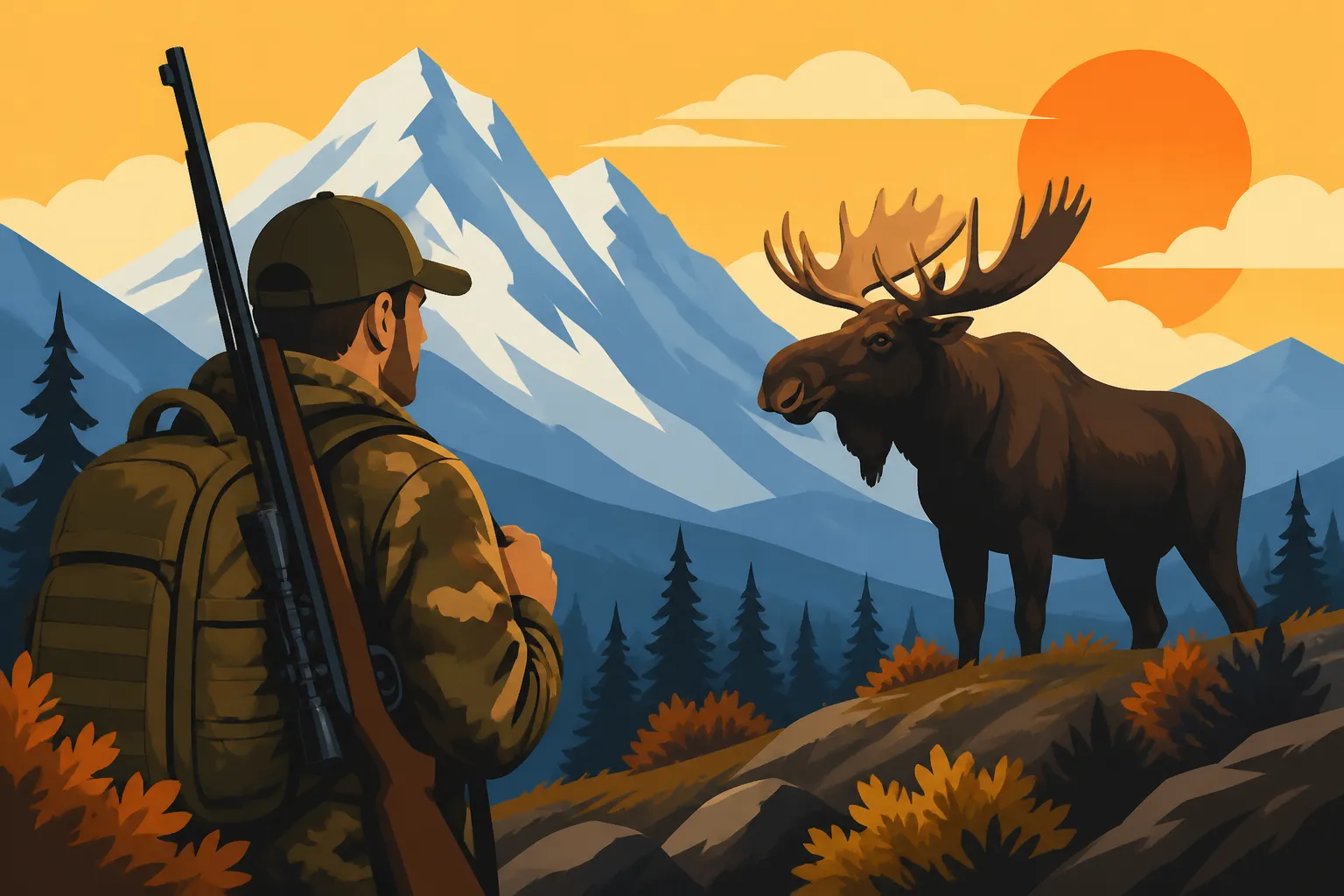
Colorado's moose population has seen a remarkable resurgence over the past few decades, thanks to successful reintroduction and management efforts by Colorado Parks and Wildlife (CPW). Once nearly extirpated, Shiras moose now thrive in several pockets of the state, offering a truly unique hunting opportunity. However, with that success comes intense demand and extremely limited tags, making a moose hunt one of the most coveted big game experiences in the state.
Understanding Colorado's Moose Population and Tags
Unlike elk or deer, Colorado moose tags are incredibly difficult to draw. We're talking about odds that can stretch into the single digits, even with many preference points. This scarcity is a testament to the careful management aimed at maintaining healthy, sustainable populations, particularly in prime moose country like North Park, the Gore Range, and parts of the Flat Tops. These areas are renowned for producing mature bulls, making the draw even more competitive.
The Shiras moose found in Colorado are generally smaller than their Alaskan or Canadian counterparts, but they are still massive animals, often weighing 800 to 1,200 pounds or more. Their antlers, while not as broad as other subspecies, are distinctively palmated and can make for an impressive trophy. The low draw odds mean that for many hunters, securing a tag is a once-in-a-lifetime achievement. Because of this, many choose to invest in a guided hunt to maximize their chances of success when that precious tag finally comes their way. For a deeper dive into these unique animals, check out our comprehensive guide on Colorado Big Game Species Guide.
Why a Guided Hunt for Moose Makes Sense
Given the extreme difficulty in drawing a tag, most hunters who are fortunate enough to secure one want to ensure they have the absolute best chance at success. This is where a guided hunt becomes an invaluable investment. Outfitters specializing in moose hunts in Colorado bring a level of expertise and resources that are nearly impossible for the average DIY hunter to replicate.
Firstly, they possess an intimate knowledge of the specific hunting units. They spend countless hours year-round scouting, tracking herd movements, identifying prime bedding and feeding areas, and understanding how weather and hunting pressure impact moose behavior. This local knowledge is gold. They also often have access to private land within or adjacent to public units, which can significantly increase opportunities, especially in areas with limited public access or high hunter density.
Secondly, a guided hunt provides all the necessary logistics: comfortable camps, delicious food, and the often-critical element of horses or ATVs to access remote areas and, perhaps most importantly, to pack out a harvested moose. These animals are immense, and packing one out from rugged backcountry can be an monumental task, even for a seasoned hunter. Outfitters often have established relationships with game processors and taxidermists, streamlining the post-hunt logistics. This comprehensive support allows you to focus solely on the hunt itself, rather than worrying about the myriad of details that go into a backcountry expedition.
Planning Your Guided Colorado Moose Hunt
Once you've set your sights on a Colorado moose, the planning begins. This isn't a spur-of-the-moment trip; it requires careful consideration, especially regarding the tag acquisition and what type of guided service best fits your needs and budget.
Navigating the Application and Booking Process
The first and most significant hurdle for a Colorado moose hunt is drawing a tag. Colorado operates on a preference point system for most limited-entry draws. For moose, you'll need many, many preference points to draw a bull tag in a desirable unit. Even applying for a point-only year after year is a strategic move, building toward that eventual draw. Outfitters usually can't "get" you a draw tag, but they can advise you on the best hunt codes to apply for, given your point total and desired experience. Some outfitters might have access to landowner tags, which are private tags issued to landowners and sold directly, bypassing the public draw. These tags are often significantly more expensive but offer a guaranteed opportunity for hunters with zero or few preference points. Websites like BookYourHunt are excellent resources for finding reputable outfitters who may offer these types of hunts or who specialize in guiding hunters who've successfully drawn a public tag.
When you book a guided hunt, you'll typically put down a deposit well in advance, sometimes a year or more out, especially for highly sought-after moose hunts. Discuss payment schedules, cancellation policies, and what happens if you don't draw a tag if you're going the public draw route. It's crucial to have a clear contract outlining all these details. Make sure you understand the nuances of How to Apply for a Colorado Hunting License and the overall Colorado Draw System and Preference Points to set realistic expectations.
Understanding Hunt Packages and What's Included
Guided moose hunt packages in Colorado vary widely in price and inclusions. Generally, you'll find options ranging from fully guided, all-inclusive experiences to semi-guided services or even just packing services.
- Fully Guided Hunts: These are the most comprehensive, covering everything from transportation from a local airport, lodging (whether a comfortable lodge, cabin, or wall tent camp), all meals, experienced guides (often 1-on-1 or 1-on-2 hunter-to-guide ratios), field dressing, packing out your game, and often assistance with trophy prep for the taxidermist. These hunts are premium experiences and come with a higher price tag, but they offer the highest level of support and comfort.
- Semi-Guided Hunts: These might involve the outfitter setting up a camp for you, providing maps and general advice on where to hunt, and perhaps packing out your game once you've harvested it. You would be responsible for your own meals, daily hunting, and most of the camp duties. This option offers more independence at a lower cost.
- Drop Camps: While less common for moose due to the specialized nature of the hunt, some outfitters offer drop camps where they pack you and your gear into a remote location, leave you with a fully set-up camp (tent, cots, cooking gear), and pick you up at a predetermined time. This is essentially a DIY hunt with logistical support.
When evaluating packages, ensure you understand exactly what is covered and what additional costs you might incur (e.g., license fees, meat processing, taxidermy, gratuities for guides, travel to Colorado). Don't hesitate to ask detailed questions about group sizes, the number of guides per hunter, and the outfitter's typical success rates for moose. This will help you manage your expectations and budget for your Colorado Guided Moose Hunt Cost.
On the Ground: What to Expect During Your Hunt
So you've drawn that coveted tag, booked your guide, and you're finally in Colorado moose country. What will the actual hunt entail? Prepare for an experience that is physically demanding, mentally engaging, and deeply rewarding.
Typical Hunt Logistics and Daily Routine
A typical guided moose hunt in Colorado often begins before dawn. You'll likely enjoy a hearty breakfast at camp before heading out with your guide. The tactics can vary based on the terrain, season, and the specific unit, but generally involve a combination of glassing, still-hunting, and tracking. Moose love dense timber, willows near water, and high-elevation basins, so expect to spend a lot of time in challenging terrain. Your guide will use their local knowledge to put you in the best positions, whether that's overlooking a large feeding area at first light or slowly sneaking through a thick stand of timber known for holding bulls.
Spotting moose can be tough. Their dark coats blend surprisingly well with the shadows of the timber, and they can be incredibly elusive despite their size. Patience is key. You'll be using high-quality optics, like powerful binoculars and spotting scopes, to scan distant hillsides and clearings. It's also critical to be prepared for all types of mountain weather – crisp mornings, warm afternoons, sudden thunderstorms, or even an early snow. The elevation in prime moose habitat can range from 8,000 to over 11,000 feet, which adds to the physical challenge. Being well-acclimated is crucial. Remember, moose are big animals, and the hunt will often involve significant amounts of walking, hiking, and possibly climbing, often off-trail. Utilizing resources like GoHunt for e-scouting before your hunt can give you a better understanding of the unit's topography and potential access points, enhancing your "boots on the ground" experience. For more on navigating rugged landscapes, consider reading about Colorado Backcountry Hunting Guide.
Field Care and Trophy Handling
The moment of truth arrives, and you've successfully harvested a Colorado moose. Congratulations! Now the real work begins, and this is where a guide truly shines. Moose are enormous, and field dressing and quartering one in the backcountry is an immense undertaking that requires skill, strength, and specialized tools. Your guides will be experts at this, efficiently breaking down the animal into manageable quarters that can be packed out. They'll ensure the meat is handled properly to cool quickly and prevent spoilage, which is paramount for such a large quantity of precious game meat.
If you're after a trophy, your guide will also expertly cape the hide for taxidermy, ensuring the cape is clean and ready for the taxidermist. The sheer weight of the meat, hide, and antlers means that packing out a moose often requires multiple trips or the use of pack animals (horses, mules) or ATVs, depending on the remoteness and terrain. Your outfitter will coordinate the transportation of the meat and trophy from the field back to a processing facility or freezer, and then for shipment to your home or chosen taxidermist. This logistical heavy lifting is perhaps one of the most significant benefits of a guided moose hunt. It's similar in concept to How to Pack Out an Elk in Colorado, but on a significantly larger scale.
Essential Gear and Physical Preparation
A successful guided Colorado moose hunt hinges not only on your guide's expertise but also on your preparedness. The rugged terrain and unpredictable mountain weather demand the right gear and a solid physical foundation.
Gear Recommendations for Mountain Moose Hunting
While your outfitter will provide many necessities for camp life, you are responsible for your personal hunting gear. Investing in quality gear is non-negotiable for comfort, safety, and success in the Colorado high country.
Here’s a breakdown of critical gear:
- Layered Clothing System: The mountains can present four seasons in a single day. You'll need a base layer (merino wool or synthetic, not cotton), mid-layers for insulation (fleece or puff jacket), and a waterproof, windproof outer shell. Bring enough layers to adapt to temperatures ranging from freezing mornings to mild afternoons.
- High-Quality Boots: This is paramount. Invest in waterproof, well-broken-in hiking or hunting boots with excellent ankle support and stiff soles. You'll be covering miles over uneven, steep, and potentially wet or snowy terrain. Think brands like Kenetrek or Schnee's, or similar high-performance options. Consider reading Best Boots for Colorado Elk Hunting for more detailed insights.
- Optics: Your outfitter will have optics, but having your own good quality binoculars (10×42 or 12×50) is crucial for spotting game and identifying legal animals. A compact spotting scope can also be very useful for distant glassing.
- Backpack: A comfortable daypack (25-45 liters) for carrying your layers, water, snacks, first-aid kit, and other essentials is a must. If you anticipate helping pack out meat, a larger frame pack might be an option, but your guide will typically handle the heavy lifting.
- Weapon: Whether rifle or bow, ensure your weapon is sighted in and you are proficient with it at various ranges and angles. Practice shooting uphill and downhill, as these shots are common in the mountains.
- Navigation: While your guide handles primary navigation, having a reliable GPS device or a smartphone app like OnX Hunt, coupled with downloaded maps, is excellent for personal awareness and safety. For more on this, check out How to E-Scout Before a Colorado Hunt or Colorado Hunting Atlas Explained.
- Other Essentials: Headlamp, water bottle/bladder, water filter, fire starter, multi-tool, knife, small first-aid kit, game bags, durable gloves, and gaiters to keep debris out of your boots.
Physical Fitness for a Successful Hunt
Moose hunting in Colorado is physically demanding, perhaps even more so than elk hunting due to the sheer size of the animal and often the thickness of the cover they prefer. You will be hiking at high altitudes, potentially covering many miles daily over steep, rugged, and uneven terrain. This isn't a passive sit-and-wait hunt from a treestand in flat country.
Start a rigorous physical conditioning program months before your hunt. Focus on:
- Cardiovascular Endurance: Hiking with a loaded pack, running, cycling, or stair climbing will build the lung capacity needed for sustained effort at elevation.
- Strength Training: Emphasize leg strength (squats, lunges, calf raises), core strength, and back strength to handle steep climbs and potentially carrying some gear.
- Hiking: The best training is mimicking the hunt itself. Hike hills or stairs with your actual hunting pack, progressively adding weight. This will condition your body and break in your boots.
- Altitude Acclimation: If you're coming from sea level, arrive in Colorado a few days early to acclimate to the higher elevation. Even mild activity at higher altitudes can feel incredibly taxing if you're not prepared. For additional tips, refer to How to Physically Prepare for Colorado Elk or Altitude Training for Colorado Hunting.
Remember, the better shape you are in, the more you will enjoy the hunt and the higher your chances of success. You'll be able to keep up with your guide, cover more ground effectively, and be physically ready when that hard-earned shooting opportunity arises.
Colorado Guided Moose Hunt Inclusions Comparison
Here’s a quick overview of what you might typically find in different types of guided moose hunt packages. Remember, these are general categories, and specific offerings can vary greatly between outfitters. Always confirm details directly with your chosen guide.
| Feature | Fully Guided Hunt | Semi-Guided Hunt | Drop Camp (Less common for Moose) |
|---|---|---|---|
| Guide Ratio | 1:1 or 1:2 hunter-to-guide ratio | Shared guide/consultation, limited field time | No guide in the field |
| Lodging | Lodge, cabins, comfortable wall tent camps | Basic wall tent, spike camp equipment | Pre-set tent camp with basic amenities |
| Meals | All meals provided (breakfast, lunch, dinner) | Self-catered | Self-catered |
| Field Transport | Horses, ATVs, trucks to access hunting areas | Limited vehicle access, often self-driven | Pack-in/pack-out service for gear |
| Game Retrieval | Full assistance with field dressing, quartering, packing out | Assistance with packing out upon harvest | Packing out meat/trophy from camp pickup point |
| Trophy Prep | Skinning, caping, initial preparation | Basic field care | Basic field care |
| Scouting | Extensive pre-season and in-season scouting | General area guidance, maps | General area guidance, maps |
| Cost | Highest investment | Mid-range investment | Lowest investment (for guided services) |
Disclaimer
Please note that hunting regulations, season dates, and license requirements in Colorado can change. It is always your responsibility as a hunter to consult the most current Colorado Parks and Wildlife (CPW) regulations and season brochures before planning and embarking on any hunt. This guide provides general information and recommendations but should not be considered a substitute for official CPW resources.