Colorado Hunting Outfitters Near Rifle
Finding the right hunting outfitter can feel like trying to locate a ghost bull in a blizzard, especially when you're targeting a specific, sought-after area like Rifle, Colorado. The sheer volume of options, the varying promises, and the critical need to make the right choice for your precious hunt can be overwhelming. This guide is here to cut through the noise, helping you understand what makes Rifle a fantastic hunting destination and how to confidently select an outfitter that aligns perfectly with your hunting dreams.
Why Rifle, Colorado, is a Prime Hunting Hub
Rifle, nestled in Garfield County on Colorado's Western Slope, isn't just another dot on the map; it's a genuine gateway to some of the state's most productive big game country. For hunters, its appeal lies in a fantastic combination of diverse ecosystems, robust game populations, and relative accessibility compared to some of the more remote wilderness areas.
Game Species and Opportunities Abound Near Rifle
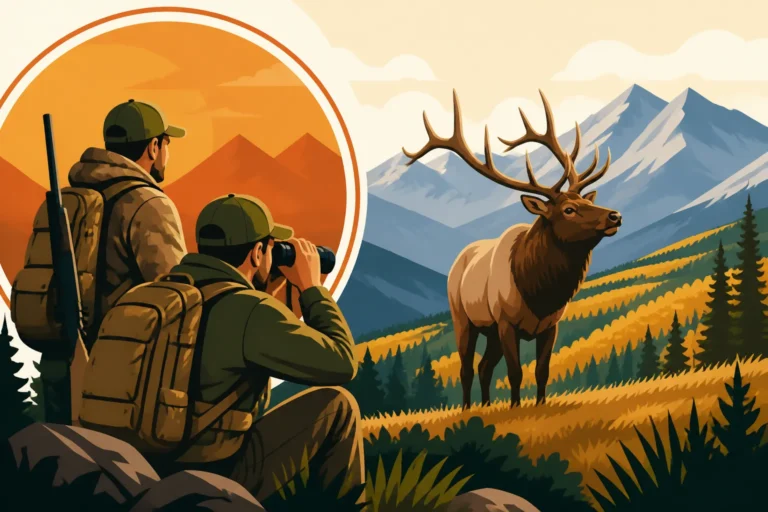
When you talk about hunting near Rifle, you're primarily talking about elk and mule deer, the two most iconic species in Colorado. The area serves as a critical migratory corridor and home range for significant herds. The White River National Forest, particularly its southern sections and the expansive Grand Mesa, which isn't far, offer vast public lands brimming with opportunities. You'll find a mix of archery, muzzleloader, and rifle seasons available, catering to different hunting preferences.
For elk hunters, the habitat surrounding Rifle—including GMUs like 32, 42, 421, and adjacent areas—provides everything a Rocky Mountain elk needs: thick timber for bedding, open aspen parks for feeding, and crucial water sources. During the rut, the bugles echo through the drainages, and even outside of it, you can find quiet bulls in the dark timber. Mule deer are also plentiful, especially in the transitional zones between the lower pinyon-juniper benches and the higher aspen and oakbrush slopes. These areas are fantastic for glassing and spot-and-stalk tactics. Beyond the primary big game, black bears are present and often hunted concurrently with deer and elk seasons, offering a bonus opportunity. Don't forget the occasional blue grouse or cottontail rabbit for a little small game fun if your main tag goes unfilled.
Unique Terrain and Accessibility
The landscape around Rifle is incredibly diverse, which contributes significantly to its hunting appeal. To the west and north, you have the expansive Roan Plateau, known for its rugged canyons, sagebrush flats, and high mesas that transition into aspen and conifer forests. South of Rifle, the terrain climbs into the Grand Mesa and Battlement Mesa, characterized by vast forests, dark timber, and high-elevation parks. This varied topography means different hunting styles and experiences are available, from challenging backcountry treks to more accessible hunts closer to roads.
The Interstate 70 corridor makes Rifle relatively easy to reach, whether you're driving in from Denver or flying into Grand Junction. This accessibility can be a double-edged sword, as it can sometimes mean more hunting pressure, especially on public land during rifle seasons. However, the sheer size of the public land holdings, particularly within the White River National Forest, means that if you're willing to put in the effort, you can find solitude and unpressured animals. Many outfitters in the Rifle area leverage their intimate knowledge of these diverse terrains, often guiding on a mix of public and private lands to give their clients the best possible experience, regardless of the season or the specific challenges of the year. Understanding these varied conditions is crucial when you're discussing hunt plans with potential outfitters.
Understanding Your Outfitter Needs Near Rifle
Before you even start looking at specific outfitters, it’s vital to sit down and honestly assess what kind of hunting experience you're looking for. Are you a seasoned veteran seeking a little logistical support, or is this your first foray into the Colorado high country? Your answers will dramatically shape your choice of outfitter.
Types of Guided Hunts Available
Outfitters near Rifle generally offer a spectrum of services, from fully hands-on experiences to more independent options. Understanding the differences is key to finding your ideal fit.
- Fully Guided Hunts: This is the all-inclusive package, often the dream for many hunters, especially those traveling from out of state or who are new to Colorado's rugged terrain. A fully guided hunt typically includes lodging, meals, a dedicated guide (often with a 1:1 or 2:1 hunter-to-guide ratio), transportation in the field, field dressing of your animal, and assistance with packing out meat and capes. These hunts are designed to maximize your time actually hunting, minimizing logistical worries. Your guide will handle scouting, calling, tracking, and all the heavy lifting. For someone planning their first Colorado Elk Hunting Guide or who wants a truly immersive and supported experience, this is often the go-to.
- Semi-Guided Hunts: A step down in intensity from fully guided, these hunts offer a balance between support and independence. An outfitter might provide a pre-scouted area, a comfortable camp setup, and detailed maps, but you and your hunting partners do the actual hunting, calling, and stalking. The outfitter or staff will often be available for advice, game recovery assistance, and potentially packing out your animal once it's down. These hunts are usually more affordable than fully guided options and are perfect for experienced hunters who are comfortable with decision-making in the field but appreciate the local knowledge and logistical backbone an outfitter provides.
- Drop Camp Hunts: If you have a strong DIY spirit but don't want to deal with the brutal physical demands of packing all your gear into the backcountry yourself, a drop camp is an excellent compromise. An outfitter will pack you, your gear, and sometimes a pre-set camp (tent, stove, cots) into a remote, pre-scouted location, then leave you to hunt independently for a set number of days. At the end of your hunt, they return to pack you and your harvest out. This option requires significant self-reliance, wilderness skills, and physical preparedness. It's often the most budget-friendly guided option and can provide an incredible, solitary backcountry experience. If you’re considering a Colorado Backcountry Hunting Guide, a drop camp might be an excellent way to dip your toes in.
Key Considerations for Non-Residents and Locals
Your residency status plays a significant role in your hunting options and how an outfitter can assist you.
- Non-Resident Hunters: For those coming from outside Colorado, the draw system can be complex and frustrating. Many non-residents rely on outfitters not just for guidance in the field but also for assistance with navigating Colorado Draw System and Preference Points or even providing access to private land tags. Some outfitters near Rifle might even offer guaranteed landowner tags, bypassing the public land draw entirely for an additional fee. This can be a huge advantage, as drawing a good bull elk or trophy mule deer tag in some units can take many years of accumulating preference points. An outfitter intimately familiar with the local GMUs (like GMU 32, 42, or 421) can guide you on the best tag options, seasons, and strategies to increase your odds, or simply secure access you couldn't otherwise get.
- Resident Hunters: Even if you're a Colorado resident, an outfitter near Rifle can still offer tremendous value. Perhaps you're new to the Western Slope and want to learn specific tactics for hunting different terrain, or you're looking to gain access to private land that holds unpressured animals. Maybe you've drawn a coveted limited tag and want to maximize your chances with expert guidance, or you simply want to enjoy the hunt without the immense burden of scouting, camp setup, and meat retrieval. For a resident considering a truly unique experience or wanting to learn new skills, a semi-guided or even a fully guided hunt can be an invaluable investment.
Finding the Right Outfitter in the Rifle Area
Once you’ve got a clear picture of your hunting goals and needs, it’s time to start the search for an outfitter. This isn't a decision to rush; thorough research and diligent questioning will pay off immensely.
Researching Reputable Outfitters
The internet is your first stop, but it can also be a minefield. Start by looking for outfitters specifically advertising hunts in the Rifle area or in the GMUs that surround it, such as GMU 32, 42, 421, or even portions of GMU 24. A great resource to begin your search is platforms like BookYourHunt, which allows you to browse and compare various outfitters by location, species, and hunt type. This can give you a solid overview of what's available and help you narrow down your choices to those operating locally.
Next, dive into their websites. Look for detailed information about their services, photos from past hunts, and testimonials. Don't be shy about checking third-party review sites or forums. Pay attention to how long they’ve been in business and if they specialize in particular game or weapon types, like Colorado Archery Elk Hunting Guide or Colorado Rifle Elk Hunting Guide. A good outfitter will be transparent about their operations and proud of their client successes.
Another critical step is to verify their licensing. In Colorado, all hunting outfitters must be licensed by the Colorado Outfitter and Guide Licensing Board. This isn't just a formality; it ensures they meet certain professional and ethical standards. You can usually verify their license through the Colorado Department of Regulatory Agencies (DORA) website.
Finally, consider using mapping and scouting tools like GoHunt. While it’s primarily for DIY hunters, understanding the terrain, public land access, and game concentrations in the GMUs near Rifle (e.g., via the Colorado Hunting Atlas Explained) can help you have a more informed conversation with any outfitter. You’ll be able to ask more intelligent questions about specific areas they hunt or tactics they employ, showing you’ve done your homework. This level of preparation will also help you identify which outfitters might best fit your chosen hunting area or strategy.
Essential Questions to Ask Potential Outfitters
Once you’ve got a shortlist, it’s time to pick up the phone. A detailed conversation is crucial to ensure expectations align. Here’s a list of essential questions to ask:
- What's included in the price? Be specific. Does it include tags, licenses, transportation to and from the nearest airport (like Grand Junction Regional Airport), lodging, meals, field dressing, meat packing, and trophy care? Are there any hidden fees?
- What are your success rates, and how do you define "success"? Be wary of outfitters who promise 100% kill rates. A reputable outfitter will give you realistic success rates based on harvest percentages or opportunities to shoot, broken down by weapon type and season. Remember, success in hunting isn't always about punching a tag.
- How many hunters do you take per season/camp, and what is your guide-to-hunter ratio? A low guide-to-hunter ratio (e.g., 1:1 or 2:1 for fully guided) often means more personalized attention.
- What kind of terrain will we be hunting? Ask about elevation ranges, physical demands, and the type of cover. This helps you determine if your physical conditioning aligns with the hunt. You might find our guide on How to Physically Prepare for Colorado Elk helpful here.
- What is your policy on wounded game? A responsible outfitter will have a clear policy on how they handle animals that are hit but not immediately recovered.
- Can you provide references from past clients? This is non-negotiable. Talk to at least two or three recent clients, asking about their overall experience, the guide’s competency, the quality of the camp, and whether their expectations were met.
- What gear should I bring? Ask for a detailed packing list, especially for specialized items like optics or specific clothing layers for Colorado's unpredictable mountain weather.
- What are the camp logistics? If it’s a fully guided or semi-guided hunt, what are the sleeping arrangements, food quality, and amenities?
- What’s your cancellation policy? Life happens. Understand what happens to your deposit if you need to cancel or postpone.
- How do you handle meat processing and trophy transport? Understanding how they assist with How to Pack Out an Elk in Colorado and get it to a processor, or how they prepare a cape for a taxidermist, is crucial.
- Do you operate on public or private land, or both? If private, inquire about the size and type of land access.
Here's a table to help you compare the general characteristics of different outfitter services:
| Hunt Type | Typical Cost Range (per person, per hunt) | Amenities Provided (Typical) | Ideal Hunter Profile |
|---|---|---|---|
| Fully Guided | $5,000 – $10,000+ | Lodging, meals, 1:1 or 2:1 guide, transportation in field, field care, packing out, sometimes gear | First-time Western hunters, those seeking maximum support and minimal logistics, prioritize high success focus, comfortable with less physical exertion, value expert local knowledge. |
| Semi-Guided | $2,500 – $5,500 | Camp setup, scouting advice, game recovery assistance, sometimes food/lodging, detailed maps | Experienced hunters, DIY spirit but value local knowledge/logistical support, comfortable with self-navigation and calling, budget-conscious, enjoy a blend of independence and assistance. |
| Drop Camp | $1,500 – $3,500 | Pack-in/out of gear & camp, pre-set camp (tent, stove), no guide present, access to remote areas | Highly experienced, self-reliant, physically capable, wilderness seekers, enjoy solitude, proficient in all hunting skills, most budget-friendly guided option for backcountry access. |
Choosing an outfitter near Rifle, Colorado, is a significant investment of time, money, and passion. By understanding the unique hunting opportunities in the area, clearly defining your own needs, and conducting thorough research with the right questions, you'll be well on your way to a memorable and successful Colorado hunting adventure.
Disclaimer
Please remember that hunting regulations, season dates, and tag availability in Colorado can change. Always consult the official Colorado Parks and Wildlife (CPW) website or publications for the most current and accurate information before planning any hunt. This guide is for informational purposes only and does not constitute professional advice.