How to Read Colorado Outfitter Reviews
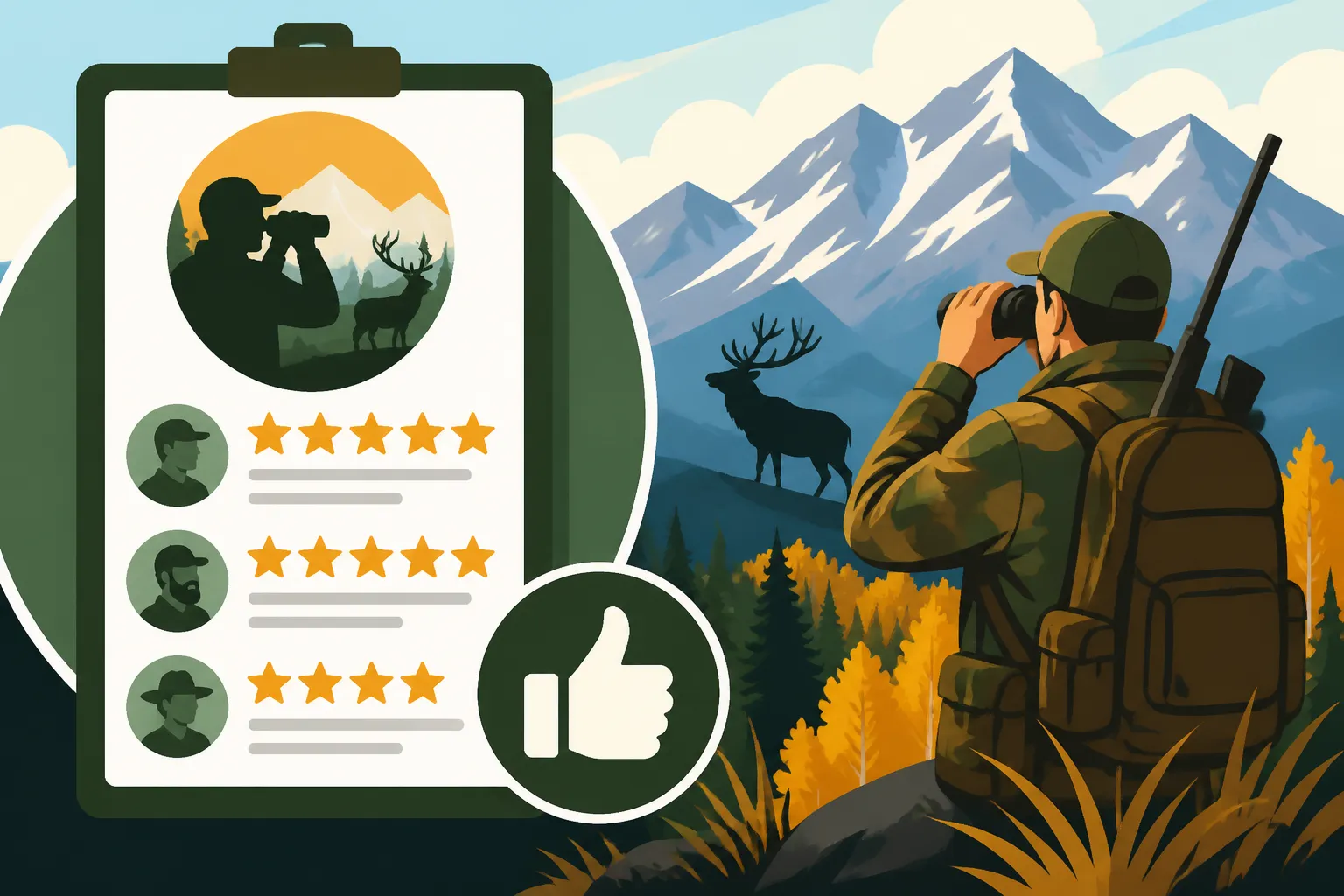
Trying to book a guided hunt in Colorado can feel like sifting through a mountain of information, and when it comes to outfitter reviews, it often feels even more overwhelming. You see five-star ratings everywhere, but how do you know if they're legitimate, or if that one negative review is a deal-breaker? This guide will cut through the noise, helping you critically evaluate Colorado outfitter reviews so you can make an informed decision for your next hunting adventure.
Navigating the Wild West of Outfitter Reviews
It’s a unique challenge, isn’t it? You’re pouring your hard-earned money and precious vacation time into an experience, and you want to ensure it’s with a reputable outfitter. The internet, while a powerful tool, has also created a landscape where it’s hard to tell genuine feedback from paid promotions or disgruntled one-offs. The sheer volume of information can be paralyzing, and sometimes, a single bad review can overshadow dozens of good ones, or vice versa, leaving you more confused than when you started.
Where Reviews Reside: Understanding the Platforms
Before you can even begin dissecting reviews, you need to know where to find them and understand the nuances of each platform. Not all review sites are created equal, and knowing their characteristics can help you weigh the information more effectively.
- Outfitter Websites: Naturally, every outfitter wants to showcase their best side. You’ll often find glowing testimonials directly on their site. While these can offer a glimpse into the positive experiences, it's wise to view them as curated marketing. They're unlikely to feature any critical feedback, so take them with a grain of salt and use them as a starting point, not the definitive word.
- Third-Party Booking & Review Sites: Platforms like BookYourHunt are excellent resources because they centralize information and often require hunters to have booked through their system to leave a review. This adds a layer of authenticity, as it confirms the reviewer was actually a client. These sites often have structured review processes, encouraging detailed feedback on specific aspects like guides, accommodations, food, and hunt success. Similarly, resources that focus on hunting data and information, like GoHunt, might compile or reference outfitter reputation indirectly through their broader insights, though they're not primarily review platforms.
- Forums and Social Media Groups: These are the wild cards. You'll find raw, unfiltered opinions here, both good and bad. The challenge is sifting through personal biases, incomplete stories, and sometimes, outright misinformation. However, they can also be goldmines for niche details and connecting with past clients directly. Be wary of anonymous posts and always try to verify information.
- Google Reviews & Yelp: These platforms are widely accessible and can contain reviews from anyone, not just verified clients. While convenient, this broader access can lead to less relevant or even fake reviews. Look for patterns and detailed accounts, and be skeptical of overly short or generic posts.
The Problem with Vague or Overly Enthusiastic Reviews
Have you ever seen a review that just says, "Great hunt! Five stars!"? While it's nice, it tells you absolutely nothing. Was it the guide? The food? The plentiful game? Or was it just a good time because the weather was perfect and they got lucky? Similarly, reviews that are too perfect, using almost identical language or lacking any specific details, can be a red flag. Real hunting experiences are complex, with highs and lows, and genuine reviews reflect that nuance. When evaluating a potential Colorado elk hunting outfitter, you need specifics to understand what kind of experience you’ll actually have.
Dissecting the Review Itself: What to Look For
Once you've found a good source of reviews, it's time to put on your detective hat. A five-star rating doesn't automatically mean a perfect hunt for you, and a one-star review might just be a unique personality clash. The key is to look beyond the star count and dig into the content.
Specific Details and Actionable Information
This is where the real value lies. A good review tells a story and provides details you can relate to your own expectations.
- Guide Performance: Did the review mention the guide's knowledge of the area, their ability to spot game, their patience, or their communication skills? Were they physically capable of keeping up with the group in challenging terrain, which is vital when pursuing elk in the high country? For example, a review stating, "Our guide, Mark, knew every drainage in GMU 43 like the back of his hand, and he put us on elk every day, even when they were quiet," offers far more insight than a generic compliment.
- Hunt Success vs. Hunt Quality: Did the hunter fill their tag? That’s great, but how was the experience even if they didn't? Sometimes, a hunter might not harvest an animal but still rave about the effort, the beautiful country, the camaraderie, and the overall adventure. Conversely, someone might bag a trophy but complain about other aspects. Look for descriptions of the outfitter's effort, ethical practices, and commitment to client satisfaction, regardless of the kill. This is particularly important for those considering a Colorado DIY Elk Hunting Guide where success isn't guaranteed but the experience is paramount.
- Logistics and Accommodations: Were the camp conditions as described? Was the food good and plentiful? Was the gear well-maintained? For a backcountry hunt, this might mean describing comfortable wall tents and warm sleeping arrangements, or for a lodge-based hunt, mentioning clean rooms and hot showers. Details about how the outfitter handles practicalities, like transportation to hunting areas, can speak volumes.
- Honesty and Transparency: Did the outfitter accurately describe the hunt difficulty, terrain, and potential success rates? A good review might say, "They were upfront about the physical demands, and it was tough, but exactly what they said it would be." This indicates integrity, which is crucial when booking a significant trip.
Red Flags and Warning Signs
Just as important as finding the good, you need to identify potential issues. These aren't always deal-breakers but should prompt further investigation.
- Repeated Negative Themes: One bad review about the food might be an off day. But if multiple reviews mention poor guide ethics, unsanitary conditions, or consistent lack of game, pay attention. Patterns are key. If you see several people complaining about specific elements like pressure from other hunters or lack of access to promised areas, especially in popular units like those near the Flat Tops Wilderness, these are major concerns.
- Over-the-Top Promises: If an outfitter’s reviews (or their own marketing) promise 100% success or guarantees a Boone & Crockett animal, be skeptical. Hunting, especially Colorado Elk Hunting, involves too many variables for such absolutes. This often suggests a lack of realism or even dishonesty.
- Aggressive Responses to Negative Reviews: How does the outfitter respond to criticism? A professional outfitter will address concerns calmly and offer solutions or explanations. An overly defensive, aggressive, or dismissive response is a red flag about their professionalism and customer service.
- Lack of Recent Reviews: If an outfitter has been around for years but hasn't had any new reviews in a long time, it could mean their business has slowed down, or they're no longer actively guiding. Always check for recent activity to ensure they're current and active.
- Reviews from Unverified Accounts: On open platforms, be wary of reviews from profiles with no activity or suspicious names. These can sometimes be fake.
Green Flags and Positive Indicators
On the flip side, certain elements in reviews signal a truly high-quality operation.
- Mentions of Safety: In the rugged terrain of Colorado, safety is paramount. Reviews that highlight a guide’s attention to client safety, first aid knowledge, or preparedness for emergencies are excellent indicators of a responsible outfitter.
- Attention to Detail: Did the outfitter remember dietary restrictions? Did they have hot coffee ready every morning? These small touches can make a huge difference in overall experience and show a client-first approach.
- Return Clients or Referrals: Reviews where clients mention booking again or highly recommending the outfitter to friends are powerful endorsements. It shows a consistent level of satisfaction that encourages repeat business.
- Mentions of Fair Chase and Ethical Hunting: For many, the ethics of the hunt are as important as the harvest. Reviews that praise an outfitter for their commitment to fair chase principles and sustainable hunting practices are very reassuring. This includes respecting game regulations and the land, something crucial for Colorado Public Land Hunting Guide.
- Clear Communication: A common thread in positive reviews is good communication from the outfitter before, during, and after the hunt. This helps manage expectations and ensures a smoother experience for everyone.
Review Evaluation Checklist
| Aspect of Review | Green Flags (Look For) | Red Flags (Be Wary Of) |
|---|---|---|
| Specificity | Detailed accounts of guide actions, game sightings, camp life, specific locations (e.g., "Glassed this basin in GMU 76 every morning"), food, and accommodations. | Vague statements like "Great time!" or "Awesome trip" without elaboration. Generic praise. |
| Consistency | Multiple reviews echoing similar positive experiences, naming specific guides, or praising consistent aspects (e.g., "Delicious meals consistently"). | Repetitive, almost identical wording across different reviews; sudden influx of many 5-star reviews; conflicting information about services. |
| Hunt Outcome | Emphasis on effort, ethical hunting, enjoyment of the outdoors, learning, and guide's dedication, even if no animal was harvested. | Sole focus on "killed a giant," implying success is the only metric; blaming clients for lack of success. |
| Outfitter Response | Professional, humble, problem-solving responses to any negative feedback; thanking positive reviewers. | Defensive, aggressive, dismissive, or unprofessional replies to critical reviews; no responses at all to any reviews. |
| Details Covered | Mentions of safety protocols, comfortable gear, clean camps, knowledgeable guides, good communication pre-hunt, and post-hunt follow-up. | Lack of mention of critical elements like safety; complaints about broken gear, poor sanitation, or being left uninformed. |
| Reviewer Profile | Reviews from verified clients (if platform supports it); profiles with a history of other reviews or social activity. | Anonymous reviews on open platforms; brand new profiles with no other activity; reviews from accounts clearly associated with the outfitter. |
Beyond the Stars: Cross-Referencing and Due Diligence
Reading reviews is just one step. To truly vet an outfitter, you need to go deeper. Think of it like building a case – you need multiple pieces of evidence to draw a confident conclusion. This is especially true when considering something as significant as a Colorado Guided Elk Hunt Cost where your investment is substantial.
Looking at Multiple Sources
Don't rely on just one website or one type of review. If you found glowing reviews on the outfitter's site, now check third-party platforms like BookYourHunt. If you read a mixed bag on a hunting forum, see what Google Reviews say. This cross-referencing helps you build a more balanced picture. If an outfitter looks fantastic on their own page but has minimal or negative presence elsewhere, that's a sign to proceed with caution. Similarly, if you’re trying to decide between outfitters for Colorado Mule Deer Hunting Guide or Colorado Pronghorn Hunting Guide, comparing their overall online footprint across various sites will give you a clearer understanding of their general reputation.
Contacting References
This is arguably the most valuable step you can take. Any reputable outfitter should be willing and able to provide you with a list of references – past clients who have agreed to speak about their experience.
- Ask for Recent References: Request clients from the past year or two. This ensures you’re getting feedback on the outfitter’s current operation, not how they ran things a decade ago.
- Prepare Specific Questions: Don't just ask, "Was it good?" Ask about specific aspects important to you: "How was the physical demand compared to what they described?" "Did the guide genuinely work hard every day?" "Were there any unexpected costs?" "How did they handle game retrieval and meat care?"
- Listen to Their Tone: Beyond the words, pay attention to the enthusiasm, the candor, and any hesitation in their voice. A truly happy client will often gush. A hesitant one might be trying to be polite while subtly signaling issues.
- Seek Out Unbiased References: While outfitters provide a curated list, sometimes you can find past clients through forums or social media who might offer a more unvarnished opinion. Just be sure to approach them respectfully.
Checking Outfitter Licensing and Insurance
This is a non-negotiable step. In Colorado, hunting outfitters are required to be licensed. You can typically verify this through the Colorado Parks and Wildlife (CPW) website or the Colorado Department of Regulatory Agencies (DORA). This not only ensures they're operating legally but also indicates a certain level of professionalism. An outfitter who isn't properly licensed is a massive red flag. For more specific details, looking into Colorado Outfitter Licensing Explained is a crucial piece of research. You should also confirm they carry appropriate liability insurance, as accidents can happen in the backcountry.
Making Your Final Decision
After all that research, it's time to synthesize the information and make a choice. This isn't just about finding the "best" outfitter, but the right outfitter for your specific hunting goals and expectations.
Weighing Pros and Cons
Use all the information you've gathered – the positive reviews, the negative comments, the reference calls, the licensing checks – and create a balanced assessment.
- Align with Your Goals: If you're looking for a challenging backcountry experience, prioritize reviews that mention guides with exceptional wilderness skills and endurance. If you're a beginner, look for outfitters praised for their patience and teaching abilities. The "best" outfitter for a Colorado DIY Elk Hunting Guide might not be the right fit for someone wanting a fully catered, less strenuous experience.
- Consider Your Budget: Reviews often indirectly reflect value. An expensive outfitter with mediocre reviews might be a poor choice, while a mid-range outfitter with consistently positive feedback could be a gem. Understand what's included in a Colorado Guided Hunt Cost to compare apples to apples.
- Trust Your Gut: After all the logical analysis, sometimes it comes down to intuition. If something feels off, even if you can't quite put your finger on it, it might be a sign to keep looking. You want to feel confident and excited about your choice.
Asking Direct Questions to the Outfitter
Before you put down a deposit, have a thorough conversation with the outfitter or head guide. This is your chance to address any lingering concerns from reviews or reference calls.
- Address Specific Feedback: If you read a review that mentioned a slow pace, ask them, "I read a review that mentioned the pace was sometimes slow. Can you tell me more about the typical daily pace of your hunts and how you manage different fitness levels?" This shows you've done your homework and gives them a chance to explain or clarify.
- Clarify Expectations: Discuss what a typical day looks like, what game populations they are seeing, and what their average success rates are for the specific hunt you’re interested in. Ask about backup plans for bad weather or unexpected events. Learning What to Expect on a Guided Colorado Elk Hunt by directly asking about it is invaluable.
- Confirm Inclusions: Make sure you understand exactly what is included in the price – tags, licenses, food, lodging, transportation, meat processing, taxidermy, etc. Get it in writing!
Choosing an outfitter is a big decision, and it’s natural to feel a bit overwhelmed by the sheer volume of information out there. But by approaching reviews with a critical eye, cross-referencing information, and having direct conversations, you can significantly increase your chances of booking a fantastic Colorado hunting adventure. Remember, you're investing in an experience, and doing your due diligence will help ensure it's a memorable one for all the right reasons.
Disclaimer
Please note that hunting regulations and licensing requirements in Colorado can change. Always consult the official Colorado Parks and Wildlife (CPW) website or directly contact CPW for the most current and accurate information before planning any hunting trip. This guide is for informational purposes only and should not replace official sources.