Colorado Guided Elk Hunt: What to Expect
Embarking on a guided elk hunt in Colorado is a dream for many, but the sheer number of options, different outfitter styles, and the general mystique of hunting the Rocky Mountains can feel incredibly daunting. It's easy to get lost in forums and fragmented information, wondering if you're making the right investment or if you're truly prepared for what lies ahead. This comprehensive guide is designed to cut through the confusion, offering a realistic look at what you can genuinely expect from a guided Colorado elk hunt, from the moment you start planning to the triumphant (or even challenging) moments in the field.
Demystifying the Colorado Guided Elk Hunt
When you decide to pursue elk in Colorado with a guide, you're not just booking a trip; you're often investing in an experience, knowledge, and logistical support that can be invaluable, especially for those new to Western hunting or the specific challenges of elk. Understanding what "guided" truly means and the various forms it can take is your first step towards setting realistic expectations.
What "Guided" Truly Means in the Rockies
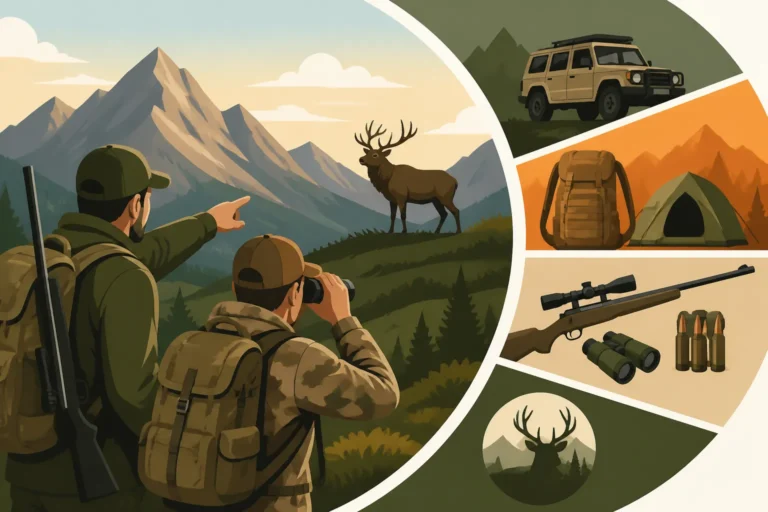
At its core, a guided hunt means you have an experienced professional by your side, leading the way. In the vast, rugged terrain of Colorado, this isn't just a luxury; it's often a necessity for safety and success. Your guide isn't just someone pointing out animals; they are typically intimately familiar with the hunting unit, understand elk behavior in that specific area, and can navigate complex terrain, often far from roads or trails. They've likely spent weeks, if not months, scouting before the season, identifying prime feeding areas, bedding grounds, and travel corridors.
This deep local knowledge is perhaps the greatest asset an outfitter provides. While you might spend countless hours poring over maps and satellite imagery in a DIY scenario, a good guide has boots-on-the-ground experience that virtual scouting simply can't replicate. They know where the elk go when the pressure is on, where they seek refuge during a snowstorm, or which north-facing slopes hold feed later into the season. This local expertise, combined with their ability to interpret fresh sign and adapt hunting strategies on the fly, significantly levels the playing field against a highly elusive animal like the elk.
Types of Guided Hunts: From Basecamp to Backcountry
Colorado outfitters offer a spectrum of guided experiences, each catering to different preferences, budgets, and physical capabilities. It's crucial to understand these distinctions before you commit to ensure the hunt aligns with your expectations.
Fully Guided Hunts
This is often the most comprehensive and, consequently, the most expensive option. A fully guided hunt means the outfitter handles virtually every aspect of your experience once you arrive at their designated meeting point. This typically includes comfortable lodging—which could range from a cozy lodge with private rooms to sturdy wall tents in a remote basecamp—all meals, transportation throughout the hunt, and the undivided attention of a guide (often a 1:1 or 1:2 guide-to-hunter ratio). The outfitter usually takes care of everything from setting up stands or blinds to calling, tracking, field dressing, and even packing out your animal. For someone new to elk hunting, or those simply wanting to maximize their hunting time without worrying about logistics, a fully guided trip is an excellent choice. It’s an immersive experience where your only job is to focus on the hunt.
Semi-Guided Hunts
A semi-guided hunt offers a middle ground, providing significant support while still allowing for a degree of independence. With this option, the outfitter might provide lodging and meals, and transport you to and from specific hunting areas each day. However, once you're dropped off, you might be hunting independently or with a buddy, with the guide checking in periodically or being available via radio for advice or in case of a harvest. They might point you toward promising spots, offer general strategies, and help with game retrieval, but the actual hunting, calling, and decision-making in the field often fall to you. This can be a great option for hunters who have some experience but still want the benefit of local knowledge and logistical support without the full cost of a fully guided trip.
Drop Camps
Drop camps are for the more adventurous and self-reliant hunter who still wants help getting into prime, often remote, elk country. Here, the outfitter uses horses, ATVs, or 4×4 vehicles to pack you and your gear into a pre-established camp in the backcountry. This camp typically consists of wall tents, cots, cooking equipment, and a wood stove. The outfitter will drop you off, ensure you're settled, and then leave you to hunt on your own or with your group for the duration of the trip. They'll then return on a pre-arranged date to pack you and any harvested game back out. The key difference is that there is no guide present with you during the actual hunting hours. This is an excellent choice if you're looking for a true Colorado Backcountry Hunting Guide experience, possess strong self-sufficiency skills, and are comfortable navigating and hunting independently, but lack the means or desire to pack in a full camp yourself. It's a fantastic way to access areas with low hunter pressure that are otherwise difficult to reach.
Understanding What's Included and What Isn't
One of the biggest areas of confusion and potential frustration for hunters booking a guided trip is understanding the precise scope of services provided. An "all-inclusive" tag can still leave you with a surprisingly long list of things to take care of, and additional costs can quickly add up.
Typical Inclusions: The Value Proposition
When you book a guided elk hunt, you're primarily paying for the outfitter's expertise and the convenience of their operations. Here's what you can generally expect to be covered:
- Guide Services: This is the core offering. Your guide will lead the hunt, often providing a 1:1 or 1:2 hunter-to-guide ratio in fully guided trips. They'll know the terrain, understand elk behavior, track animals, and assist with all aspects of the hunt from dawn till dusk. They're also often adept at calling tactics, whether it's bugling for a bull during the rut or using cow calls to draw in curious elk.
- Accommodations: Depending on the type of hunt, this could be a lodge, cabin, or a comfortable tent camp. Most outfitters pride themselves on providing a warm, dry place to rest after a strenuous day in the mountains. For remote camps, expect sturdy canvas wall tents with wood stoves, cots, and perhaps even a separate cook tent.
- Meals: Again, this varies by outfitter and hunt type, but fully guided and many semi-guided trips include hearty, home-cooked meals designed to fuel you for the demanding physical activity of elk hunting. From breakfast before sunrise to dinner after dark, your dietary needs (within reason) are typically accommodated.
- Field Dressing and Game Retrieval: This is where the guide's physical strength and knowledge truly shine. Once an animal is down, your guide will assist with or fully handle the field dressing, caping (if you want a shoulder mount), and the often arduous task of packing the elk out of the wilderness. This can be one of the most physically demanding parts of the hunt, and having experienced help is a huge benefit. Expect to assist if capable, but the heavy lifting is often handled by the guide. For more on this, you might find How to Quarter an Elk in the Field and How to Pack Out an Elk in Colorado helpful.
- In-Hunt Transportation: This covers getting to and from the hunting areas each day. It might be via 4×4 vehicles, ATVs, or horses, depending on the terrain and the outfitter's operation.
Table: Common Guided Hunt Inclusions & Exclusions
| Feature | Fully Guided Hunt | Semi-Guided Hunt | Drop Camp Hunt |
|---|---|---|---|
| Guide Service (Active) | Yes (1:1 or 1:2) | Limited/Advisory | No |
| Accommodations | Lodge/Cabin/Basecamp | Lodge/Cabin/Basecamp | Tent Camp (provided) |
| Meals | All meals provided | Often provided | Self-catered |
| In-Hunt Transportation | Yes (4×4, ATV, horses) | Often provided to hunting area | Pack-in/out service |
| Field Dressing/Game Prep | Full assistance | Partial assistance/advice | Self-reliance, with pack-out aid |
| Game Pack-Out | Yes | Yes | Yes (upon retrieval) |
| Licenses/Tags | Excluded | Excluded | Excluded |
| Personal Gear | Excluded | Excluded | Excluded |
| Travel to/from Colorado | Excluded | Excluded | Excluded |
| Meat Processing/Taxidermy | Excluded | Excluded | Excluded |
| Gratuities (Tips) | Expected | Expected | Expected |
Beyond the Package Price: Common Exclusions and Hidden Costs
While a guided hunt simplifies many aspects, it's rare for the upfront price to cover absolutely everything. Being aware of these common exclusions is vital for budgeting your overall trip cost, which can vary significantly from the advertised Colorado Guided Elk Hunt Cost.
- Licenses and Tags: This is almost universally not included in your outfitter fee. You are responsible for obtaining your own Colorado hunting license and elk tag (or tags, if you opt for a second cow tag, for example). This might involve navigating the Colorado draw system, which can require preference points for certain units, or purchasing an Colorado OTC Elk Tags Explained if available for your chosen season and unit. Always factor in these costs, which can range from a few hundred dollars to over a thousand for non-residents.
- Travel to Colorado: Your flight or drive to Colorado, and usually ground transportation from the airport to the outfitter's meeting point or basecamp, are your responsibility. This might mean renting a car or arranging a shuttle service, especially if arriving at a regional airport like Grand Junction or Montrose.
- Personal Hunting Gear: While some outfitters might provide certain specialized items, the vast majority expect you to arrive with all your personal hunting gear. This includes your weapon (rifle, bow, muzzleloader), ammunition or arrows, optics (binoculars, spotting scope, rangefinder), hunting clothing, proper layering systems, boots (crucial in rugged terrain; see Best Boots for Colorado Elk Hunting), and a hunting backpack (Best Backpack for a Colorado Elk Hunt). Always check with your outfitter for a detailed gear list, as specific weather and terrain can dictate different needs.
- Meat Processing, Taxidermy, and Shipping: Once your elk is out of the field, the care and transportation of the meat and/or cape and antlers become your responsibility. Outfitters can usually recommend local meat processors and taxidermists, but the cost of these services, along with any shipping fees to get them home, are additional expenses. Some processors offer services to ship frozen meat directly to your home state.
- Gratuities (Tipping): Tipping your guide, cook, and camp staff is customary and expected, much like in the restaurant or service industry. A good rule of thumb is 10-20% of the hunt cost for your guide, with smaller amounts for other staff. This can add a significant sum to your overall budget, so plan for it.
- Pre and Post-Hunt Lodging/Meals: If you arrive a day early or depart a day late, any additional lodging or meals outside the hunt dates are typically on your dime.
- Alcohol and Personal Items: While outfitters often provide non-alcoholic beverages, any alcoholic drinks or specific personal snacks and items you desire are usually your responsibility.
Preparing for Your Colorado Guided Elk Adventure
Even with a top-notch outfitter handling the logistics, your personal preparation directly impacts your enjoyment and success. Colorado elk hunting, even guided, is a physically and mentally demanding endeavor.
Physical and Mental Conditioning
The mountains of Colorado are beautiful but unforgiving. Elk live in steep, rugged country, often at elevations between 7,000 and 12,000 feet. The thin air combined with challenging terrain can quickly sap your energy, making even short hikes feel like an Olympic event.
The Reality of Mountain Hunting Demands
You'll likely be hiking several miles a day, often uphill, off-trail, and in variable weather conditions ranging from warm sunshine to cold rain or snow. If you harvest an elk, the physical exertion required to field dress and pack out hundreds of pounds of meat is immense. This isn't a passive hunt from a treestand; it's active, demanding, and requires resilience. Many hunters underestimate this aspect, and it can significantly diminish their experience if they're constantly struggling with their own physical limitations. Therefore, physical fitness isn't just about bagging an animal; it's about enjoying the entire experience safely. For more detailed advice, consider articles like How to Physically Prepare for Colorado Elk and Altitude Training for Colorado Hunting.
Recommended Fitness Regimen
Start training months in advance. Your regimen should focus on:
- Cardiovascular Endurance: Hiking with a loaded pack (30-50 lbs) on steep inclines, stair climbing, running, or cycling. Aim for at least an hour, 3-4 times a week.
- Strength Training: Focus on your legs, core, and back. Squats, lunges, deadlifts, and core exercises are critical. You'll be climbing, lifting, and carrying heavy loads.
- Flexibility and Balance: Essential for navigating uneven terrain and preventing injuries.
- Acclimatization: If possible, arrive in Colorado a day or two early to help your body adjust to the higher elevation. Even slight acclimatization can make a big difference.
Mental toughness is equally important. Be prepared for early mornings, long days, varying success, and potentially uncomfortable weather. Patience, persistence, and a positive attitude are vital when elk hunting.
Essential Gear and Weapon Preparation
Your gear needs to be reliable, appropriate for the conditions, and something you're proficient with. Don't show up with brand-new boots you haven't broken in or a rifle you've only shot from a bench rest.
Packing List Essentials
While your outfitter will provide a specific list, general essentials include:
- Layered Clothing System: Weather in the mountains can change dramatically within hours. Pack moisture-wicking base layers, insulating mid-layers (fleece, down), and a waterproof/windproof outer shell. Consider merino wool for its warmth-to-weight ratio and odor resistance.
- High-Quality Boots: This cannot be stressed enough. Invest in waterproof, breathable, sturdy boots that are well-broken in. Happy feet mean a happy hunter.
- Optics: Binoculars (10×42 or 10×50 are popular) are a must. A spotting scope can be incredibly useful for long-range glassing. A rangefinder is non-negotiable for ethical shot placement in mountain terrain.
- Hunting Pack: A comfortable pack capable of carrying your daily essentials and potentially a quarter of an elk.
- Headlamp: For early morning hikes and late-night pack-outs.
- Navigation: While your guide will lead, having your own GPS or a mapping app like OnX on your phone with downloaded maps is a smart backup.
- First-Aid Kit: Basic personal meds and an emergency kit are always a good idea.
Weapon Proficiency and Practice
No matter your weapon of choice, spend significant time practicing before your hunt.
- Rifle Hunters: Know your rifle's capabilities and your own. Practice shooting from various positions (prone, kneeling, standing, using trekking poles as a rest) and at different ranges. Most shots in the mountains are not flat-ground, 100-yard shots. Practice shooting uphill and downhill. Understand your bullet's trajectory at different elevations if possible.
- Archery Hunters: Practice shooting out to your comfortable maximum range, often simulating real hunting scenarios. Practice from kneeling positions, on uneven ground, and after heavy exertion to simulate climbing a hill. Being calm and steady is critical when that bull finally steps out. Refer to Colorado Archery Elk Hunting Guide for more specific tactics.
Always check with your outfitter about their preferred weapon types and specific regulations for the unit you'll be hunting.
Pre-Hunt Communication with Your Outfitter
This is perhaps the most critical step after booking. Don't hesitate to ask questions; a good outfitter will appreciate your thoroughness. This is your investment, your dream hunt.
Clarifying Expectations and Logistics
- Hunting Style: Ask about their primary hunting methods. Is it mostly Spot-and-Stalk Hunting in Colorado, calling, still-hunting timber, or sitting water holes? Understanding their approach will help you know what to expect daily.
- Success Rates: While no outfitter can guarantee a kill, ask about their success and opportunity rates. Success rate is animals harvested; opportunity rate is how many clients got a shot opportunity. A high opportunity rate is a strong indicator of a good outfitter.
- Physical Demands: Be honest about your fitness level and ask them to be realistic about the physical demands. How much elevation gain can you expect daily? How far will you typically hike?
- Camp Life: What are the accommodations like? Is there cell service or Wi-Fi? What are the shower/bathroom facilities?
- What Happens if You Don't Tag Out?: Inquire about their policies in case of an unsuccessful hunt. Are there opportunities for a follow-up hunt at a reduced rate, or additional days available?
- Dietary Restrictions/Medical Conditions: Inform your outfitter well in advance about any allergies, medical conditions, or dietary restrictions.
Utilizing platforms like BookYourHunt or GoHunt for initial outfitter research can be incredibly helpful. These sites often provide verified reviews, detailed hunt descriptions, and communication tools that streamline the initial inquiry process, helping you find a reputable operation that aligns with your goals. For even more insights, read How to Choose a Colorado Hunting Outfitter.
Life on a Guided Elk Hunt: A Day-by-Day Look
Once you arrive, the rhythm of a guided hunt takes over. It's an intense, immersive experience where every day is focused on the pursuit of elk, led by the expertise of your guide.
Daily Routine and Hunting Strategies
Expect early mornings, typically before dawn. Your guide will have a plan based on current conditions, recent elk activity, and their knowledge of the terrain.
Early Mornings and Varied Tactics
Days usually begin with a quick, hearty breakfast, followed by a departure into the hunting grounds. Depending on the season and the guide's strategy, you might be hiking into a basin to glass at first light, setting up near a wallow, or moving slowly through timber on a still-hunt. During the rut, calling plays a significant role, and your guide will often do the bulk of the calling, allowing you to focus on listening and preparing for a shot. For a deeper dive into methods, check out Colorado Elk Hunting Methods Explained.
The guide's role is to put you in the best possible position for a shot. They'll be constantly assessing wind, thermals, elk sign, and the presence of other hunters. Be prepared for changes in plans; elk are unpredictable, and a good guide adapts quickly. Flexibility and trust in your guide are paramount. You might cover a lot of ground, or sit patiently for hours in a promising location. This is where your physical and mental preparation will truly pay off.
Safety and Ethical Hunting
Safety is always the guide's top priority. They'll ensure you're aware of safe shooting lanes, backstops, and responsible weapon handling. They'll also emphasize ethical hunting practices, including waiting for the best shot opportunity and tracking wounded animals diligently. If a shot is taken, the guide will be instrumental in tracking and recovering the animal, no matter how difficult the terrain or how late into the day it becomes.
The Harvest and Post-Kill Logistics
This is the moment every hunter dreams of. But once the shot is fired and the animal is down, a new set of demanding tasks begins.
Ethical Shot Placement and Tracking
A responsible hunter always strives for a clean, ethical kill. Your guide will help you identify the vital zones and advise on shot placement. If an elk is hit but doesn't drop immediately, your guide's tracking skills become invaluable. They'll lead the search, carefully following the blood trail, interpreting tracks, and using their knowledge of elk behavior to predict where the animal might have gone. This can sometimes be a long and challenging process, especially in dense timber or rugged terrain.
Field Dressing, Quartering, and Packing Out
Once the elk is recovered, the real work begins. Your guide will either lead or perform the field dressing, removing the internal organs to cool the meat as quickly as possible. For trophy animals, they'll also handle the caping if you plan on a shoulder mount. Then comes the monumental task of quartering the animal into manageable pieces for transport. An adult bull elk can weigh upwards of 700-1000 pounds live, meaning hundreds of pounds of meat, bone, and hide need to be moved.
Packing out an elk, whether on horseback or on your back, is one of the most physically demanding aspects of Western hunting. Your guide and any additional staff will be crucial here, often carrying the heaviest loads. You'll be expected to carry a share if you're physically able. Proper meat care in the field is vital to ensure the quality of your harvest, and your guide will ensure the meat is kept clean and cool, especially in warmer temperatures.
Transport to Processor/Taxidermist
After the arduous pack-out, the outfitter will typically transport your harvested game to a local meat processor or taxidermist, as pre-arranged. Remember, the costs for these services are usually separate from your hunt package. They'll ensure your meat and cape are properly tagged and delivered, taking another significant logistical burden off your shoulders.
Choosing the Right Colorado Elk Outfitter
Selecting the right outfitter is perhaps the most critical decision you'll make, impacting everything from your safety to your enjoyment and success. Don't rush this process; do your homework.
Researching Reputable Operations
There are many excellent outfitters in Colorado, but also some less-than-stellar ones. Due diligence is key.
Verifying Licensing and Reviews
First and foremost, ensure any outfitter you consider is properly licensed by the State of Colorado. You can usually verify this through the Colorado Parks and Wildlife (CPW) website. Unlicensed outfitters are illegal and risky.
Next, dive deep into reviews and testimonials. Look beyond just their website. Search for their name on independent hunting forums, social media, and third-party booking sites like BookYourHunt. Pay attention to consistent themes in positive and negative reviews. Do they emphasize client care, guide experience, or transparency? Or are there repeated complaints about disorganized camps, inexperienced guides, or hidden fees? Be wary of outfitters with no online presence or only glowing, unverified reviews. Online communities and resources like GoHunt can also offer valuable insights and recommendations from other hunters.
Considering Experience and Area Knowledge
A long-standing outfitter often indicates a strong reputation. Inquire about how long they've been operating in the specific units you're interested in. Outfitters who hunt the same areas year after year develop intimate knowledge of elk patterns, seasonal movements, and refuge areas. Ask about their guides' experience levels as well; some outfitters employ seasonal guides who may be less familiar with the specific unit than the lead outfitter.
Questions to Ask Before You Book
Once you've narrowed down your choices, prepare a comprehensive list of questions for your top candidates. Don't be afraid to be thorough.
- Specific Hunting Unit(s): Confirm the exact GMU (Game Management Unit) you'll be hunting. Research its draw odds, elk population trends, and terrain. Are they hunting public land, private land, or both?
- Guide-to-Hunter Ratio: What's the typical guide-to-hunter ratio? For elk, 1:1 or 1:2 is ideal for a truly personalized and effective guided experience.
- Success and Opportunity Rates: Reiterate this question. Ask for references from past clients, particularly from the previous 1-2 seasons, and actually call them. Ask about their experience, the guide's performance, camp conditions, and how accurately the outfitter described the hunt.
- Physical Demands and Terrain: Get specifics. "Rugged" means different things to different people. Be brutally honest about your fitness.
- Weapon Specifics: If you're an archery hunter, ask if they specialize in Archery Elk Tactics for the Rut or other archery methods. If you're rifle hunting, discuss typical shot distances and scenarios.
- Camp Amenities: Clarify details about lodging, food, and facilities. If it's a tent camp, what are the sleeping arrangements like? Are there showers?
- Emergency Protocols: What are their plans for medical emergencies or unforeseen circumstances in the backcountry?
- Contract and Payment: Thoroughly review the contract, payment schedule, and cancellation policy. Understand what deposits are required and if they are refundable.
By asking these questions and doing your research, you'll be much better equipped to select an outfitter that matches your hunting style, expectations, and budget, ensuring your Colorado guided elk hunt is a memorable and successful adventure.
Disclaimer
Please be aware that hunting regulations, license requirements, and season dates in Colorado can change. Always consult the official Colorado Parks and Wildlife (CPW) website or current regulations brochure for the most up-to-date and accurate information before planning any hunt. This guide provides general information and should not be considered legal advice or a substitute for official CPW resources.