Colorado Guided Youth Hunts
Introducing a child to hunting in Colorado can feel like a monumental task. As parents, we want to share our passion and teach them valuable outdoor skills, but the sheer logistics, the physical demands of Colorado's terrain, and the pressure of making that first experience positive can be overwhelming. This guide is dedicated to helping you understand the world of Colorado guided youth hunts, providing a clear path to finding an experience that not only fosters a love for the outdoors but also prioritizes safety, education, and lifelong memories for your young hunter.
Why Consider a Guided Youth Hunt in Colorado
It's natural to want to teach your kids everything you know about hunting, but let's be honest, Colorado isn't exactly a bunny hunt in a backyard. The altitude, the vast public lands, the sheer effort involved in chasing elk or deer can be daunting even for seasoned adults. For a young, developing hunter, it can quickly turn into a frustrating, even negative, experience if not handled correctly. That's where a guided youth hunt truly shines, offering a structured, supportive environment that can make all the difference.
Benefits Beyond the Harvest
A guided youth hunt offers so much more than just the chance to harvest an animal. Think of it as an immersive outdoor education program led by seasoned professionals. Guides are experts not just in tracking game, but in teaching patience, observation, and ethical hunting practices. They can impart crucial skills like proper shot placement, understanding animal behavior, and the importance of conservation in a way that resonates with young minds. Imagine your child learning how to call elk or identify tracks from someone who has lived and breathed the mountains for decades. These experiences build confidence, resilience, and a deep respect for wildlife and the environment. Moreover, a guided hunt can be incredibly beneficial for building skills specific to challenging environments, like understanding How to Hunt Elk at High Elevation or navigating vast terrain.
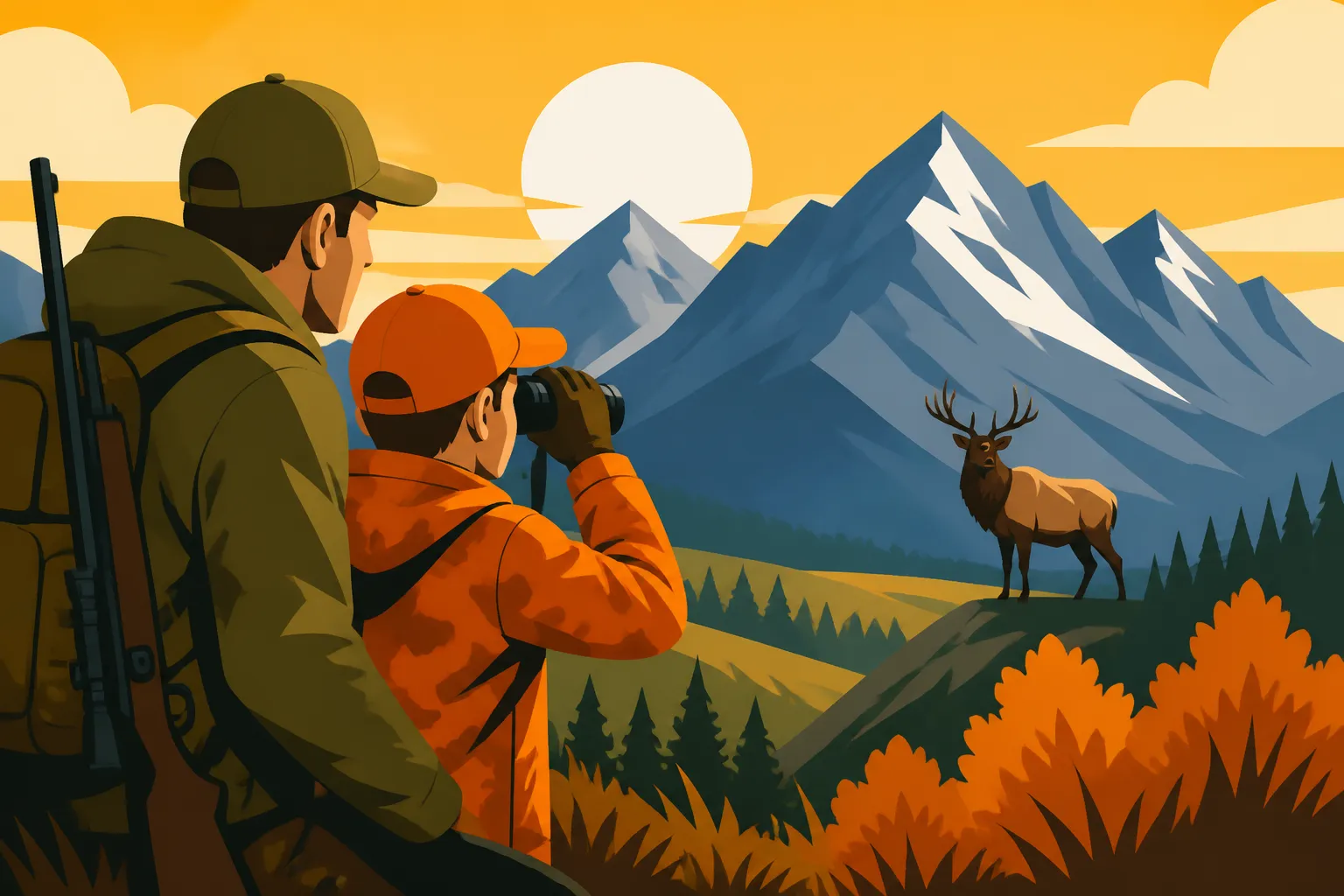
It’s also an incredible bonding opportunity. While the guide handles the complexities of scouting, tracking, and field dressing, you as a parent can simply focus on enjoying the experience with your child, sharing in their excitement, and being present for those magical moments. Without the weight of full responsibility on your shoulders, you can truly connect. Many outfitters offer family-friendly setups, ensuring a comfortable and encouraging atmosphere that minimizes stress and maximizes enjoyment, regardless of whether you're chasing an elk in the backcountry or a pronghorn on the plains. This dedicated time, away from the distractions of everyday life, forms memories that will be cherished for a lifetime, far outweighing the cost.
Overcoming Common Parental Concerns
The worries for parents are real: Is my child physically ready? What if they get cold, tired, or discouraged? Will they be safe? These are all valid concerns, especially in Colorado's rugged landscapes. Guided youth hunts are specifically designed to mitigate these anxieties. Outfitters specializing in youth hunts often use less physically demanding areas or tailor the pace to the child's abilities. They're equipped with comfortable camps, good food, and the knowledge to handle sudden weather changes or potential safety issues. Guides are also adept at maintaining a positive attitude, even when the hunting is tough, ensuring that discouragement doesn't overshadow the learning experience.
Another major hurdle for many parents is simply navigating Colorado's complex hunting regulations and the draw system. Obtaining the right license and tags can be a headache, especially for a non-resident. With a guided hunt, outfitters often assist with or even provide the necessary permits, simplifying the entire process. They know the ins and outs of Colorado Youth Hunting License Rules and can advise on the best opportunities for youth hunters, including those critical Colorado OTC Elk Tags Explained if you're looking for an over-the-counter option. This allows you to focus on getting your child ready, rather than stressing over paperwork. Knowing that an experienced professional is handling the intricate details of the hunt, from safety protocols to regulatory compliance, provides immense peace of mind.
Understanding Your Options for Guided Youth Hunts
The world of guided hunts isn't one-size-fits-all, especially when it comes to tailoring an experience for a young hunter. Colorado offers a spectrum of options, from highly immersive, full-service adventures to more budget-friendly setups, all designed to accommodate different levels of comfort, experience, and budget. Understanding these distinctions is key to finding the perfect fit for your child's first foray into Western hunting.
Different Levels of Support
When considering a guided youth hunt, you'll generally encounter a few main types of packages, each offering varying levels of support.
-
Fully Guided Hunts: This is the most comprehensive option. The outfitter handles virtually everything from start to finish. This typically includes lodging (whether it's a comfortable lodge, cabin, or wall tent camp), all meals, transportation in the field, guiding services (scouting, tracking, calling, field dressing), and often assistance with meat retrieval and caping. For youth hunters, this means maximum comfort and minimal stress, allowing them to focus entirely on the hunting experience. Guides are dedicated to teaching and ensuring a positive trip. This level of service is often ideal for younger kids or those new to hunting altogether, providing a cushioned entry into the sport. Expect a higher price point, but also a higher level of convenience and support. You'll find many reputable operations listed on platforms like BookYourHunt, making it easier to compare services and prices.
-
Semi-Guided Hunts: These hunts offer a balance between a full guide and a do-it-yourself (DIY) approach. The outfitter usually provides a pre-scouted area, possibly transportation to a specific hunting zone, and general advice on where to find game. They might set up a comfortable camp but expect you and your youth hunter to do much of the hunting and tracking independently. This can be a great option for older youth hunters who have some hunting experience but might not be ready to tackle the complexities of a Colorado DIY Elk Hunting Guide entirely on their own. It provides a taste of independence within a supportive framework. You'll still have access to expert knowledge, but with more freedom and often a lower cost than a fully guided trip.
-
Drop Camp Hunts: While not strictly "guided" in the traditional sense, drop camps are a fantastic option for families who want a backcountry experience without the heavy logistics. An outfitter packs you and your gear (often via horses or ATVs) into a remote, pre-set camp, then leaves you to hunt on your own. They typically return on a pre-arranged date to pack you out. This is a more rugged experience and best suited for older, more experienced youth hunters who are physically capable and mentally prepared for a self-sufficient hunt. It still leverages an outfitter's knowledge of the terrain and their packing expertise, saving you from having to arrange pack animals or haul heavy loads yourself. It's a great way to experience Colorado Backcountry Hunting Guide with some logistical assistance.
Choosing the right type depends on your child's age, experience, and your family's budget. Discuss these options thoroughly with your child to ensure their expectations align with the chosen adventure.
Popular Species for Youth Hunters
Colorado is a big game paradise, but not all species are equally suited for a first-time youth hunt. Outfitters specializing in youth programs often focus on species that offer a reasonable chance of success and a manageable hunting experience.
-
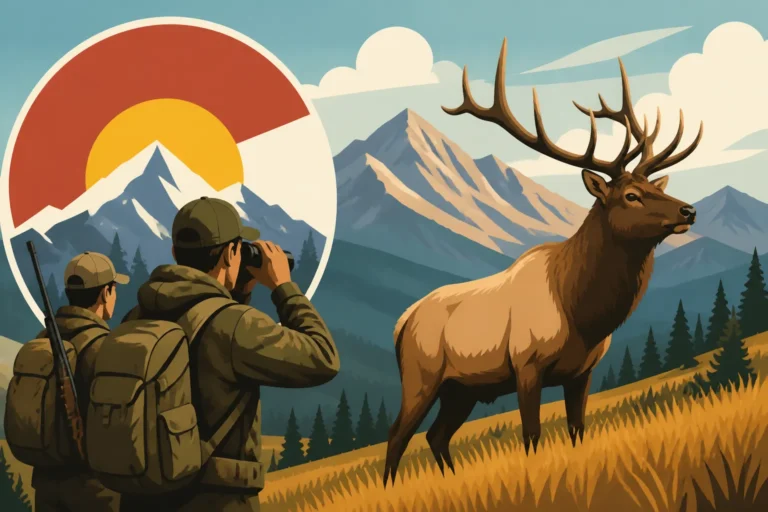
Elk: While elk hunting in Colorado can be famously tough, many outfitters offer youth-focused elk hunts, particularly during archery or early rifle seasons when elk are more active. These hunts often involve calling tactics or hunting from blinds over water sources, which can be less physically demanding than spot-and-stalk through steep timber. A cow elk hunt can be an excellent entry point, focusing on meat harvesting and a high-probability shot. For a true trophy experience, some outfitters specialize in taking youth hunters after bulls in accessible areas. Learning How to Call Elk in Colorado from a guide is an invaluable skill that can make these hunts incredibly engaging for a young person.
-
Mule Deer: Mule deer are another excellent choice for youth hunters, especially on the Western Slope or specific units known for healthy populations. They often inhabit more open terrain than elk, which can make glassing and spotting easier for young eyes. Many outfitters will guide youth on Colorado Mule Deer Hunting Guide, focusing on responsible harvest and teaching patience. Early season hunts, before heavy snow pushes them to lower elevations, can be very successful and offer pleasant weather conditions. The opportunity to learn How to Glass for Colorado Mule Deer from an expert can ignite a lifelong passion for glassing.
-
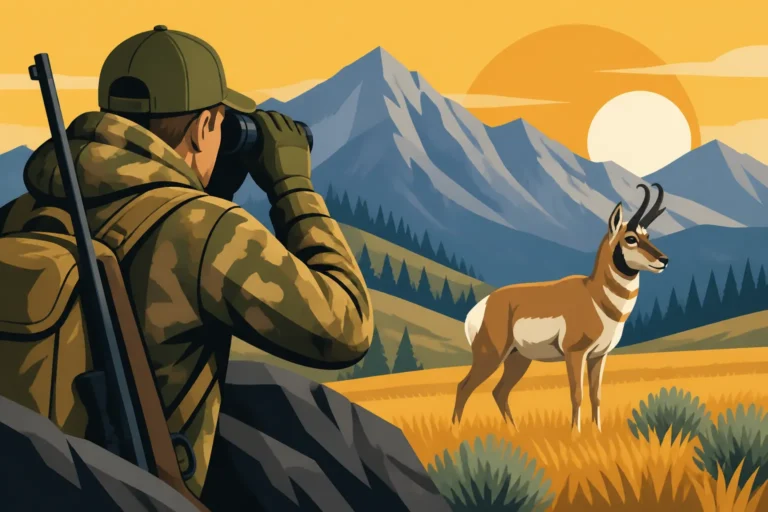
Pronghorn: For a truly exciting and often high-opportunity hunt, consider pronghorn on Colorado's Eastern Plains. These hunts typically involve spot-and-stalk tactics in relatively flat, open terrain, or hunting near water sources. The distances can be long, but the chance to see abundant game and experience an exhilarating stalk can be incredibly rewarding for a young hunter. The physical demands are often much lower than mountain hunts, making it a great option for younger children. Outfitters running these hunts specialize in reading the terrain and getting within range of these incredibly sharp-eyed animals. This can be a great introduction to Western big game hunting without the intensity of mountain terrain.
-
Small Game/Turkey: While not "big game," some outfitters also offer youth hunts for small game like rabbits or birds, or spring and fall turkey hunts. These can be fantastic confidence builders, teaching foundational hunting skills like stalking, shooting, and field care in a less pressured environment. A successful turkey hunt, with its close-range action and calling excitement, can be just as thrilling for a young hunter as a big game harvest. Consider these options as stepping stones to larger adventures.
When discussing species with your potential outfitter, inquire about their specific success rates for youth hunters on different game, and what kind of experience they aim to provide.
| Hunt Type | Support Level | Ideal For | Pros | Cons |
|---|---|---|---|---|
| Fully Guided | All-inclusive: lodging, food, guide, field services | Younger/novice youth, maximum comfort, first Western hunt | Highest chance of success, minimal stress, expert instruction | Highest cost, less independence |
| Semi-Guided | Camp/area provided, limited guide assistance | Experienced youth, parents want more involvement, budget-conscious | More independence, good value, still some expert support | More planning/work for parents, less direct instruction |
| Drop Camp | Transport to camp, pack-out services | Older/experienced youth, self-sufficient, backcountry desire | Authentic backcountry experience, greater independence | No guide in field, requires skill/fitness, higher risk |
| Specialized Youth Programs | Often fully guided, educational focus | Specific age groups, emphasis on skill building/mentorship | Tailored instruction, peer interaction, safe environment | Limited availability, specific dates |
Selecting the Right Outfitter and Program
Choosing an outfitter for a youth hunt is arguably the most critical decision you'll make. It’s not just about finding someone who knows how to hunt, but someone who understands how to teach, mentor, and ensure a positive experience for a young person. A good outfitter will make safety and education paramount, building a foundation for a lifetime of responsible hunting.
Key Questions to Ask and Red Flags to Watch For
When you start contacting potential outfitters, have a list of specific questions ready. Don't be shy; you're entrusting them with your child's safety and introduction to hunting.
- Experience with Youth Hunters: This is paramount. Ask specifically about their experience guiding youth. Do they have dedicated youth programs? How do they adapt their style for different age groups and skill levels? An outfitter who has a passion for mentoring young hunters is far more valuable than one who simply boasts high harvest rates. Ask for references from families who have hunted with them previously. Platforms like BookYourHunt often feature reviews that highlight family-friendly experiences, which can be incredibly helpful.
- Safety Protocols: Inquire about their safety plan. What measures do they take to ensure the well-being of young hunters in the field? This includes everything from firearm safety instruction to first aid capabilities and emergency communication. A guide should be certified in first aid, and potentially even wilderness first aid, given Colorado’s remote hunting grounds.
- Hunt Style and Pace: Discuss how they tailor the hunt. For younger kids, a slower pace, less physically demanding terrain, and more frequent breaks are crucial. Will they focus on a comfortable blind setup or more active stalking? What opportunities will there be for learning about tracking, calling, or basic woodsmanship? A patient, educational approach is far more important than a grueling, high-pressure chase.
- Success Metrics: Don't just ask about harvest rates. While a successful harvest is exciting, for youth, the experience is key. Ask about their "experience success rate" – how many youth hunters leave feeling positive, educated, and eager to return? A guide focused solely on killing a trophy might not be the best fit for a young, developing hunter.
- Accommodations and Meals: Comfort is vital for youth. Ask about the type of lodging, sleeping arrangements, and meal options. Are they kid-friendly? Ensuring a warm, dry place to sleep and nutritious, appealing food can make a huge difference in a child's morale, especially during a multi-day hunt.
- Licensing and Tag Assistance: Confirm what assistance they provide with licenses and tags. Given the complexities of the Colorado Draw System and Preference Points, having an outfitter guide you through this process can be invaluable. Some outfitters might even have access to private land tags or landowner vouchers that simplify the tag acquisition for non-residents.
- Cost and Inclusions: Get a detailed breakdown of costs and what is included. Are meals, lodging, field dressing, and initial meat care part of the package? What about transportation to and from the hunting area? Be clear about any additional expenses, such as processing fees, taxidermy, or tips for the guide (which are standard practice and appreciated). Understanding How Much Does a Colorado Elk Outfitter Cost can help you budget realistically.
Red Flags: Be wary of outfitters who:
- Guarantee a kill. Hunting is never a guarantee, and such claims are unrealistic and unethical.
- Are vague about safety or youth experience.
- Have poor communication or are difficult to get a hold of.
- Don't provide references or have consistently negative online reviews.
- Pressure you into booking or make unrealistic promises.
Researching and Booking Your Hunt
Once you've narrowed down a few potential outfitters, it's time for thorough research. Online platforms like BookYourHunt are excellent resources, allowing you to browse numerous outfitters, read reviews from other hunters (look specifically for family or youth hunt reviews), and compare packages side-by-side. Websites like GoHunt also offer robust tools for researching units, draw odds, and sometimes provide outfitter directories.
Beyond online platforms, personal referrals are gold. Talk to other hunting parents, check hunting forums, and reach out to local hunting clubs. Word-of-mouth recommendations often provide the most honest insights into an outfitter’s reliability and their approach to youth hunters.
When you're ready to book, ensure you have a clear written contract detailing all services, dates, costs, cancellation policies, and any guarantees (or lack thereof). Pay attention to deposit requirements and payment schedules. Many reputable outfitters book up a year or more in advance, especially for prime seasons, so it's wise to plan well ahead. This is especially true for popular species or during peak times like the rut. Remember that a positive guided experience, particularly for a young hunter, starts with careful planning and a solid understanding with your chosen outfitter.
Preparing for the Big Adventure
So you've booked your Colorado guided youth hunt – fantastic! Now the real preparation begins. It’s about more than just packing a bag; it’s about getting your young hunter physically, mentally, and emotionally ready for what will likely be an incredible, but potentially challenging, experience.
Physical and Mental Readiness
Colorado hunting, even on a guided trip, can be demanding. The elevation alone is a game-changer. For a youth hunter, preparing their body and mind is crucial for a positive experience.
- Physical Conditioning: While a guide will adjust the pace, your child will still need a reasonable level of fitness. Encourage regular outdoor activities: hiking local trails, walking, and even just playing outside. Focus on building stamina. Even short, consistent walks with a light pack can make a big difference. If you're coming from sea level, consider arriving in Colorado a few days early to begin How to Acclimate to Colorado Elevation. Discuss with your outfitter the typical terrain and distances they cover on their youth hunts, so you can tailor your child's preparation. Some outfitters may even suggest a basic Colorado Elk Hunt Fitness Plan to follow.
- Mental Fortitude and Patience: Hunting requires immense patience, especially when targeting wary animals like elk. Talk to your child about the reality that a harvest is never guaranteed. Emphasize that the adventure, the learning, and the time spent outdoors are the real trophies. Prepare them for early mornings, cold weather, and long hours of quiet observation. Engage them in activities that build focus, like backyard target practice, wildlife observation, or even nature photography. Discussing hypothetical scenarios – "What if we don't see anything?" or "What if it's really cold?" – can help them mentally prepare. A good guide will reinforce this positive mindset, ensuring that the hunt remains an enjoyable journey, not just a pursuit of an animal.
- Shooting Practice: This is non-negotiable. Your child needs to be proficient and confident with their chosen hunting weapon. Practice shooting from various positions (sitting, kneeling, standing) that mimic field conditions, not just from a bench rest. Focus on ethical shot placement and consistency. Ensure their rifle or bow is properly sighted in for the distances they might encounter. This builds confidence and minimizes the stress of the actual moment of truth. Many guides appreciate a heads-up on the child's shooting experience and comfort level.
Essential Gear and Logistics
Packing smart is essential for comfort and safety in Colorado's unpredictable mountain weather. A guided hunt means some gear might be provided or recommended by the outfitter, but certain personal items are always necessary.
- Layered Clothing System: The mountains can experience all four seasons in a single day. A layering system is vital: a moisture-wicking base layer, insulating mid-layers (fleece or synthetic puffy jacket), and a waterproof/windproof outer shell. Avoid cotton. Focus on durable, quiet, and camouflaged or earth-toned clothing. Don’t forget a warm hat, gloves, and neck gaiter. Your outfitter will likely provide a detailed Colorado Guided Hunt Packing List, so follow it closely.
- Footwear: Comfortable, broken-in, waterproof hiking boots with good ankle support are crucial. High-quality wool or synthetic socks are equally important to prevent blisters. Pack multiple pairs.
- Optics: While the guide will have top-tier optics, having a good pair of binoculars (8×42 or 10×42) for your child can enhance their experience, allowing them to participate in spotting game. A rangefinder is also a useful tool for them to practice judging distances. If you plan to hunt mule deer, knowing How to Use Optics for Colorado Mule Deer can be a great skill for your child to develop.
- Personal Essentials: Include a small backpack for daily essentials like water bottles or a hydration bladder, snacks, headlamp with extra batteries, small first-aid kit, sunscreen, lip balm, and any personal medications. Don't forget a camera to capture the memories!
- Understanding Regulations and Tags: Double-check with your outfitter that all licenses, tags, and hunter education requirements are in order. All youth hunters need to meet the Colorado Hunter Education Requirement. Ensure your child understands the rules for their specific tag (e.g., antler-point restrictions, if applicable). Knowledge of these rules is part of responsible hunting.
Communicate openly and frequently with your chosen outfitter in the weeks leading up to the hunt. They are your best resource for specific recommendations and can address any last-minute questions or concerns. A well-prepared youth hunter, both physically and mentally, is much more likely to have a safe, enjoyable, and successful experience, fostering a lifelong love for hunting and the great Colorado outdoors.
Disclaimer
Please remember that hunting regulations and season dates in Colorado can change. Always consult the most current Colorado Parks and Wildlife (CPW) regulations and official sources before planning any hunt. This guide is for informational purposes only and does not substitute for official state publications or professional advice.