Colorado Hunting Outfitters Near Steamboat Springs
Hunting in Colorado, especially near an iconic place like Steamboat Springs, can feel like a dream come true for many. But let's be honest, trying to navigate the vast public lands, understand local game movements, and figure out the best approach without local insight can quickly turn that dream into a logistical nightmare, especially if you're traveling from out of state or new to big game hunting. This guide is here to walk you through everything you need to know about finding and choosing a reputable hunting outfitter in the Steamboat Springs area, helping you maximize your chances for a successful and memorable hunt.
Why Consider a Hunting Outfitter Near Steamboat Springs?
Steamboat Springs is more than just a world-class ski destination; it's nestled in some of Colorado's prime elk and mule deer country. The surrounding national forests and wilderness areas offer incredible hunting opportunities, but they also present unique challenges that can be daunting for even experienced hunters.
Understanding the Local Terrain and Game
The region around Steamboat Springs is characterized by its diverse and often demanding terrain. You're looking at everything from vast, open sagebrush parks to dense aspen groves, dark timber stands, and rugged, high-elevation wilderness areas like the Mount Zirkel Wilderness and parts of the Flat Tops Wilderness. These environments are home to some of Colorado's largest elk herds, as well as robust mule deer populations.
However, hunting here isn't like walking through a park. The elk and mule deer are masters of their domain, often favoring remote, steep drainages or thick timber where hunter pressure is lower. Their movements are heavily influenced by weather, hunting pressure, and the availability of feed and water. A local outfitter lives and breathes this country. They know the subtle nuances of game movement patterns, where the animals will likely be during different seasons, and how to navigate the challenging landscape efficiently and safely. Imagine trying to decipher the intricacies of the Routt National Forest without ever having stepped foot in it – it's a monumental task that can easily lead to frustration and wasted hunting days.
The Benefits of Local Expertise
Hiring an outfitter isn't just about having someone guide you to an animal; it's about tapping into years, often decades, of accumulated local knowledge. For instance, outfitters operating in Game Management Units (GMUs) like 15, 13, 214, or 231 know these specific areas like the back of their hand. They understand how elk utilize different benches, saddles, and travel corridors, particularly during the rut or in response to early snowfall.
Their expertise extends beyond just locating game. They are intimately familiar with:
- Migration Routes: Knowing when and where elk might migrate between summer and winter ranges, especially during later rifle seasons.
- Pressure Points: Identifying areas that receive heavy hunter pressure and, more importantly, finding the less-traveled pockets where animals seek refuge.
- Weather Patterns: Understanding how unpredictable mountain weather—from sudden blizzards to warm spells—affects animal behavior and hunting conditions.
- Access: They know the roads, trailheads, and often have private land access that can get you into prime hunting areas that are difficult or impossible for the public to reach.
This local insight can dramatically increase your chances of success, turning a hopeful trip into a truly rewarding experience. For non-resident hunters, this local edge is invaluable, saving countless hours of pre-scouting and on-the-ground deciphering. If you're pondering a Colorado DIY Elk Hunting Guide for the first time, an outfitter can bridge that knowledge gap significantly.
Types of Outfitter Services Available Near Steamboat Springs
The world of guided hunts offers a spectrum of services, catering to different budgets, experience levels, and preferences. Understanding these options is crucial for finding the right fit for your Colorado hunting adventure near Steamboat Springs.
Fully Guided vs. Semi-Guided Hunts
When you're looking at outfitters, these two categories are the most common, and they offer vastly different experiences.
Fully Guided Hunts: This is the most comprehensive option and often the best choice for first-time western hunters, those with physical limitations, or anyone who wants to immerse themselves fully in the hunting experience without worrying about logistics. A fully guided hunt typically includes:
- Professional Guide: You'll have a dedicated guide (or guides, depending on the client-to-guide ratio) who will be with you in the field, actively scouting, tracking, calling, and making strategic decisions. They're your expert companion from dawn till dusk.
- Lodging: This can range from comfortable cabins or lodges with amenities near Steamboat to rustic wall tents in a remote backcountry camp.
- Meals: All your meals are typically provided and often cooked for you, meaning you won't have to worry about packing food or cooking after a long day of hunting.
- Transportation: Getting to and from the hunting areas, whether by vehicle, horse, or ATV, is handled by the outfitter.
- Field Preparation: Once an animal is down, the guide will assist with or fully handle field dressing, quartering, and packing out the meat and trophy. This is a monumental task for a large animal like an elk, especially in rugged terrain, and a significant benefit. This kind of support is critical, particularly when considering how to Pack Out an Elk in Colorado.
Imagine you've just harvested a bull elk deep in the Routt National Forest. With a fully guided hunt, your guide is already assessing the best way to get that animal out, taking that huge physical burden off your shoulders. The cost for a fully guided Colorado Elk Hunt Cost will naturally be higher due to the extensive services provided.
Semi-Guided Hunts: This option strikes a balance between a full-service experience and a more independent hunt. It's often favored by hunters who have some western hunting experience but still want a helping hand with crucial logistics or local knowledge. A semi-guided hunt might involve:
- Initial Scouting/Orientation: The outfitter might spend the first day or two showing you prime areas, game trails, and bedding sites, then leave you to hunt independently.
- Camp Support: They might provide a well-equipped base camp, complete with wall tents, cooking facilities, and sometimes even a cook, but you're responsible for your own hunting decisions in the field.
- Game Retrieval Assistance: This is a common and highly valued component. If you harvest an animal, the outfitter might provide pack horses or ATVs to help retrieve it, saving you from a grueling pack-out.
- Limited Guiding: Sometimes, a semi-guided hunt might offer a guide for a portion of the day or for a specific tactical approach, like setting up for a bugle sequence.
This option offers more flexibility and independence while still leveraging the outfitter's local knowledge and critical logistical support. It's often a more budget-friendly alternative to a fully guided trip.
Drop Camps and Pack-In Services
For the hunter who cherishes the DIY spirit but understands the monumental physical and logistical challenges of accessing remote backcountry, drop camps and pack-in services are a godsend. Steamboat Springs offers access to vast wilderness areas, and getting deep into these spots often requires more than just a sturdy backpack. If you're keen on a Colorado Backcountry Hunting Guide experience but don't own a string of pack horses, this is your solution.
Drop Camps: An outfitter will pack you and your gear (including food, tents, and personal items) into a pre-selected, remote location, often several miles from the nearest road or trailhead. They'll set up a camp for you, which might include large wall tents, cots, cooking stoves, and water supplies. They'll then leave you to hunt on your own for the duration of your trip, returning on a pre-determined date to pack you and any harvested game out.
This is ideal for groups of experienced hunters who want the solitude and challenge of a wilderness hunt but don't want to spend days packing in their entire camp on their backs. It's a fantastic way to hunt areas with low hunter pressure that hold big, mature animals. Many outfits operating out of areas like Clark or Stagecoach, north and south of Steamboat, offer these kinds of services into the Mount Zirkel Wilderness or farther south into the Flat Tops.
Pack-In Services: This is a more à la carte version of the drop camp. You handle all your own camping and hunting gear, but you hire an outfitter solely for their pack stock (horses or mules) to haul your heavy equipment into a chosen location. This allows you to choose your own camp spot, set up your own shelter, and manage all your own logistics, but without the physical toll of packing in hundreds of pounds of gear. Similarly, if you're lucky enough to harvest an animal deep in the backcountry, you can call the outfitter to arrange for a pack-out of your game, saving you from a potentially multi-day, arduous task. This service is invaluable for reaching truly remote elk wallows or secluded mule deer basins.
Here's a quick comparison of these popular outfitter services:
| Service Type | Key Inclusions | Ideal For | Cost (General) | Independence Level |
|---|---|---|---|---|
| Fully Guided | Guide, lodging, meals, transportation, field prep, game retrieval | First-timers, limited experience, maximum comfort, high success priority | High | Low |
| Semi-Guided | Camp support, initial scouting, game retrieval, some guiding | Moderate experience, budget-conscious, desire for some independence | Medium | Medium |
| Drop Camp | Pack-in/out gear & hunter, pre-set camp (tent, stove) | Experienced DIY groups, seeking solitude, physical challenge, deep backcountry | Medium | High |
| Pack-In Services | Pack-in/out gear, game retrieval only | Truly independent DIY hunters, minimal support needed, access to remote areas | Low-Medium | Very High |
Key Factors When Selecting a Colorado Outfitter
Choosing the right outfitter near Steamboat Springs is perhaps the most critical decision after deciding what you want to hunt. It's about finding a partner who aligns with your hunting style, budget, and expectations.
Researching Reputable Outfitters
The internet has made researching outfitters easier than ever, but it also means wading through a lot of information. Start by looking for outfitters specifically licensed to operate in the GMUs around Steamboat Springs (e.g., Routt National Forest areas). You'll want to verify their licensing with Colorado Parks and Wildlife (CPW) to ensure they are legitimate and compliant.
- Online Platforms: Websites like BookYourHunt can be a great starting point. They often list numerous outfitters with details on their services, locations, and sometimes even hunter reviews. You can filter by species, region, and type of hunt, which can quickly narrow down your options around the Steamboat area.
- References: Always, always ask for references—and contact them! Speak to hunters who have recently hunted with the outfitter. Ask about:
- The guide's knowledge and professionalism.
- The quality of the accommodations and food (if applicable).
- The outfitter's honesty regarding success rates and hunt expectations.
- How they handled unexpected challenges (e.g., bad weather, difficult game retrieval).
- Their overall satisfaction with the hunt.
- Online Reviews and Forums: Beyond formal references, check hunting forums and social media groups. These can offer unfiltered perspectives, both good and bad. Look for consistent feedback, either positive or negative. A few bad reviews might be anomalies, but a pattern indicates a larger issue.
- Longevity and Experience: An outfitter who has been operating in the Steamboat region for many years often signals reliability and deep local knowledge. They've seen various conditions and game behaviors, which is invaluable.
Understanding Hunt Codes and Draw Success
Colorado's draw system can be a labyrinth, but outfitters often have strategies to help their clients navigate it, especially if you're aiming for a premium, limited tag. For comprehensive information on how to Apply for a Colorado Hunting License and deciphering hunt codes, you'll find plenty of resources, but an outfitter can simplify this for you.
- Landowner Vouchers: Some outfitters have arrangements with private landowners that allow them to offer "landowner vouchers." These vouchers can significantly increase your draw odds for limited units or even guarantee a tag, bypassing the public draw for highly sought-after hunts. This is a huge advantage for non-residents or those with few preference points looking for a specific quality hunt.
- Over-the-Counter (OTC) Units: Colorado has several GMUs where elk tags are available Over-the-Counter (OTC) for archery season and some rifle seasons (specifically 2nd and 3rd rifle seasons, though this is subject to change, so always check the current regulations). Many outfitters near Steamboat Springs operate in or near these OTC units. This means you don't need to worry about the draw and can plan your hunt with certainty, though these areas often see higher hunter pressure.
- Draw Consultants and Resources: Some outfitters might work with services like GoHunt, which specializes in providing draw odds, unit analyses, and strategy for various western states, including Colorado. This kind of platform offers an immense amount of data, helping hunters understand how many preference points are typically needed for specific Colorado Elk Draw Odds by Unit, and which units offer the best chances for success given current point levels. This can be critical when aiming for specific trophy potential or less crowded units.
- Anticipate Tag Availability: Discuss with your outfitter which tags they typically hunt with (OTC, draw, landowner) and what the realistic chances are for securing those tags given current draw trends. This helps manage expectations and plan for backup options.
Communication and Expectations
Once you've narrowed down your choices, clear communication with the outfitter is paramount. This initial conversation sets the tone for your entire trip.
- Detailed Inclusions/Exclusions: Get a written contract that clearly outlines everything included in the hunt package (lodging, meals, guide services, transportation, field prep, trophy care, game retrieval) and, just as importantly, what is not included (license fees, meat processing, taxidermy, gratuities, travel to Steamboat).
- Success Rates and Realistic Expectations: While no ethical outfitter can guarantee a kill, they should be transparent about their historical success rates. Ask them about opportunity rates (how many hunters get a shot) versus harvest rates (how many hunters actually take an animal). Discuss what constitutes a "successful hunt" to you – is it bagging a trophy bull, or simply having a good experience and opportunities? Make sure your expectations align with what the outfitter realistically offers in their specific terrain and units.
- Physical Demands: Be honest about your physical fitness level. Hunting near Steamboat Springs can be physically demanding, with significant elevation changes and long days in rugged terrain. An experienced outfitter will match you with a guide and hunt style appropriate for your capabilities. If you’re looking into How to Physically Prepare for Colorado Elk, your outfitter should be able to offer tailored advice.
- Ethical Practices: Inquire about their hunting ethics. Do they practice fair chase? What are their policies on wounded animals? A reputable outfitter will prioritize ethical hunting and conservation.
- Client-to-Guide Ratio: For guided hunts, ask about the ratio. A 1:1 (one client per guide) or 2:1 ratio typically offers a more personalized experience and better chances of success than larger groups.
Planning Your Steamboat Springs Guided Hunt
Once you've chosen your outfitter, it's time to iron out the details and get ready for your incredible Colorado hunting adventure.
Budgeting and Booking Timeline
A guided hunt is an investment, and understanding the financial commitment is key.
- Costs: As mentioned, a Colorado Guided Elk Hunt Cost can vary widely based on the type of hunt, duration, inclusions, and the outfitter's reputation. Expect to pay anywhere from a few thousand dollars for a basic drop camp or semi-guided hunt to over $10,000 for a premium, fully guided trophy elk hunt. Remember to factor in travel to Steamboat Springs, license and tag fees, meat processing, taxidermy, and tips for your guide and camp staff.
- Deposits and Payments: Outfitters typically require a deposit (often 50%) to secure your booking, with the balance due closer to the hunt date. Understand their cancellation policy and consider purchasing hunt insurance to protect your investment in case of unforeseen circumstances.
- Booking in Advance: Good outfitters, especially those in prime areas near Steamboat, book up quickly. It's not uncommon to book a year or even two years in advance, particularly if you're aiming for specific dates or a sought-after rifle season hunt. For prime Colorado Elk Season Dates Guide, booking early is crucial.
Physical Preparation and Gear
Colorado hunting, especially in the mountains around Steamboat, demands physical readiness. Don't underestimate the altitude and ruggedness.
- Altitude Acclimation: Steamboat Springs sits at over 6,700 feet, and hunting areas can easily exceed 9,000-10,000 feet. If you're coming from a lower elevation, plan to arrive a day or two early to help your body acclimate. Hydration is critical. Learn more about How to Acclimate to Colorado Elevation.
- Fitness: Start a rigorous fitness regimen months before your hunt. Focus on cardiovascular endurance, leg strength (especially for hiking steep terrain with a pack), and core strength. Simulating hunting conditions with weighted hikes is an excellent way to prepare.
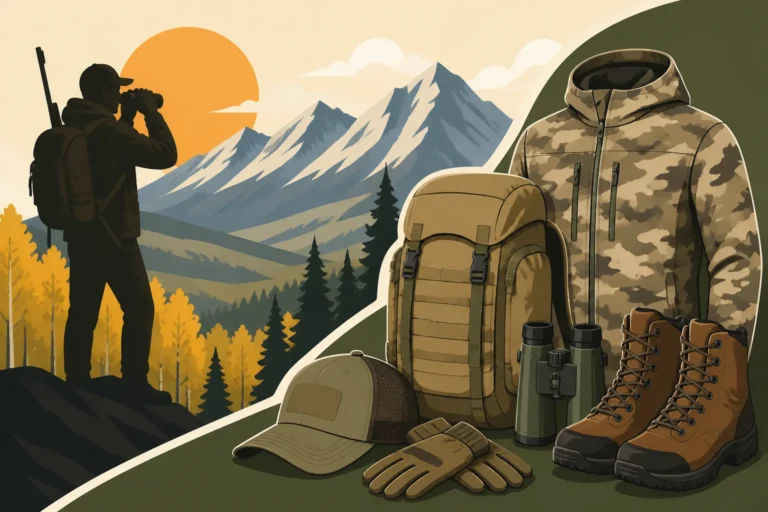
- Gear List: Your outfitter will provide a detailed gear list, but generally, you'll need high-quality, broken-in hiking boots, layered clothing suitable for fluctuating mountain temperatures, a reliable backpack, optics (binoculars, spotting scope), and your weapon of choice. For a comprehensive overview, check out the Best Colorado Elk Hunting Gear guide. Remember, quality gear can make or break your hunt comfort and safety. Always bring rain gear, even if the forecast looks clear; mountain weather changes fast.
Disclaimer
Please remember that hunting regulations, season dates, and tag availability in Colorado are subject to change annually. Always consult the most current Colorado Parks and Wildlife (CPW) regulations and proclamations before planning any hunt. This guide is for informational purposes only and should not replace official CPW documentation or professional legal advice.