What to Know Before Booking an Outfitter in Kremmling
Finding the right hunting outfitter in an unfamiliar area can feel like searching for a needle in a haystack, especially when you're looking at a diverse region like Kremmling, Colorado. It’s tough to know who’s reputable, what services truly suit your needs, and how to avoid costly mistakes. This comprehensive guide will walk you through everything you need to know before booking an outfitter in Kremmling, helping you make an informed decision for a successful and stress-free hunt.
Understanding the Kremmling Hunting Landscape
Kremmling sits in a fascinating part of Colorado, straddling major elk migration routes and offering a mix of terrain that can be incredibly productive but also challenging. It’s not just a beautiful place; it’s a serious hunting destination, known for its healthy populations of elk and mule deer. Understanding this unique environment is key to selecting an outfitter who truly knows the lay of the land.
Kremmling's Unique Geography and Game
Unlike some of the higher-elevation wilderness areas, Kremmling and its surrounding GMUs (Game Management Units) often feature a mix of private ranch land, BLM ground, and national forest. This mosaic means elk and deer can move fluidly between different land types, especially during migration or when pressured. You're looking at areas like the Routt National Forest and Arapaho National Forest nearby, offering diverse habitats from sagebrush flats to dark timber and high mountain benches. A good outfitter here won't just know the public land; they'll understand how the private land influences game movement, which is a huge advantage. They often have established relationships with landowners, providing access to areas that might otherwise be unreachable for a DIY hunter.
This varied landscape directly impacts how game behaves. For instance, early archery seasons might find elk higher up in the cooler timber, while later rifle seasons will see them migrating down into lower elevations, often crossing private properties to reach winter range. Mule deer also thrive in this environment, often found in the more open sage and scattered timber. If you're considering a Colorado Mule Deer Hunting Guide, an outfitter in Kremmling can provide crucial insights into how deer utilize these specific habitats. The game here is accustomed to varying levels of human activity, from ranching to recreation, so understanding their patterns requires local expertise that an outfitter brings to the table. This is why many hunters rely on local knowledge; it's a game-changer when trying to find elk in deep timber or figuring out where mule deer might be feeding.
General Expectations for Kremmling Hunts
Hunters heading to Kremmling should expect a physically demanding hunt, even if it's not always at extreme high altitude. The terrain is often steep, broken, and can involve significant elevation changes over the course of a day. Weather can be unpredictable, swinging from warm, sunny days to snowstorms within hours, especially during the later rifle seasons. A seasoned outfitter will prepare you for these conditions, offering advice on appropriate gear, from sturdy boots to effective layering systems. They'll also be realistic about success rates. While Kremmling is known for its strong game populations, hunting big game is never a guarantee, and anyone promising a "guaranteed kill" is a huge red flag.
Instead, expect an outfitter to emphasize effort, strategy, and ethical hunting practices. They'll know the current herd health, migration patterns, and where pressure from other hunters tends to concentrate. This local knowledge is invaluable. For example, knowing which benches elk might move to when the public land hunters push them, or which secluded canyons hold a resident herd, can make or break a hunt. This is where a good outfitter earns their keep – by putting you in the best possible position while still ensuring a fair chase. For an overall picture of what to expect from hunting in the state, refer to our Colorado Hunting Seasons Explained.
Types of Outfitter Services Near Kremmling
When you start looking at outfitters around Kremmling, you'll quickly realize there isn't a one-size-fits-all package. Services vary widely, from luxurious full-service operations on private ranches to bare-bones drop camps in the wilderness. Knowing the differences is crucial for matching a service to your budget, experience level, and hunting style.
Fully Guided Hunts
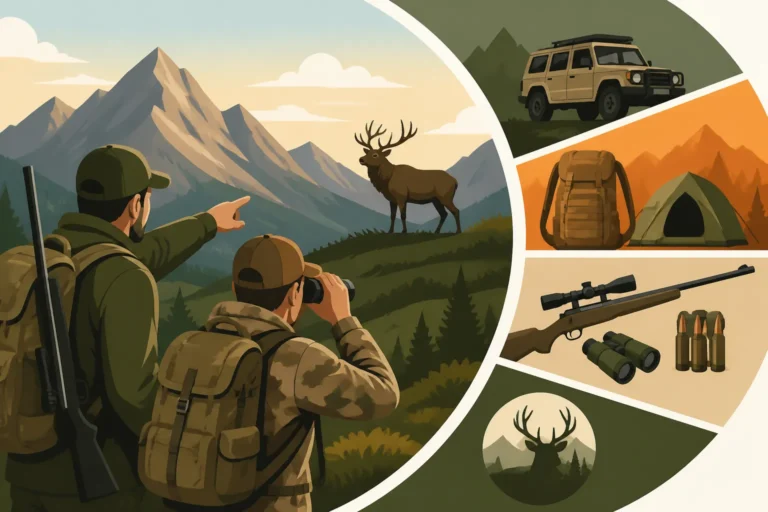
A fully guided hunt is often what most people envision when they think of hiring an outfitter. This service typically includes everything: a dedicated guide who will take you into the field each day, prepared meals, comfortable lodging (which could be a lodge, cabin, or wall tent camp), and assistance with game retrieval and initial processing. Many of these hunts operate on private land or have special use permits for national forest access, ensuring exclusive or semi-exclusive hunting opportunities. The guide's role is extensive – they scout before the hunt, locate game during the hunt, provide calling expertise, help with shot placement, and are there to ensure your safety and a positive experience.
For example, a fully guided elk hunt near Kremmling might involve staying at a rustic lodge on a private ranch overlooking prime elk habitat. Each morning, your guide meets you for a hot breakfast, then you head out, often by ATV, horseback, or truck, to strategic locations before switching to foot. They'll lead you, glassing for animals, bugling in bulls, or still-hunting through timber. If you harvest an animal, they'll coordinate the pack-out, usually with horses or ATVs, and help get the meat to a local processor. This is a great option for first-time western hunters, those with physical limitations, or anyone who wants to maximize their hunting time without worrying about logistics. You can learn more about What to Expect on a Guided Colorado Elk Hunt. For those interested in the grand scope, our Colorado Elk Hunting Guide offers even more details.
Semi-Guided Hunts and Drop Camps
Semi-guided hunts offer a middle ground. Here, the outfitter provides a base camp, meals, and general area advice, but they don't hunt with you daily. They might show you good areas to hunt, provide maps, or even transport you to a general location, then pick you up later. You and your hunting party are responsible for your daily hunting strategy, tracking, and sometimes field dressing. This is a popular choice for hunters who have some western experience but want the logistical support of an outfitter without the higher cost of a fully guided trip. It also offers more independence.
Drop camps, on the other hand, are the most minimalist outfitter service but incredibly popular in the Colorado backcountry. With a drop camp, the outfitter packs you and your gear (often via horses or mules) into a remote wilderness camp, sets up a tent, and leaves you with essential supplies like water, cooking equipment, and sometimes food. They then agree on a pick-up date. You are completely on your own for the duration of the hunt, responsible for finding game, hunting, and packing out your animal to the camp for the outfitter to retrieve. This option requires significant self-reliance, wilderness skills, and physical fitness. It's often chosen by experienced DIY hunters looking to access otherwise unreachable areas, as detailed in guides like How to Pack Into the Colorado Backcountry. For an in-depth look at this setup, consult our article on Colorado Drop Camp Hunts Explained.
Table: Outfitter Service Comparison
| Feature | Fully Guided Hunt | Semi-Guided Hunt | Drop Camp Hunt |
|---|---|---|---|
| Guide Presence | Daily, in the field with you | Provides area advice, sometimes transport | None, you are on your own |
| Lodging | Lodge, cabin, or fully-serviced tent camp | Base camp with amenities | Tent camp, minimalist |
| Meals | Provided | Provided (often cook-your-own) | Sometimes provided, often bring your own |
| Game Retrieval | Full assistance with horses/ATVs | Partial assistance, coordinate with outfitter | Outfitter retrieves from camp to trailhead |
| Experience Level | Beginner to Advanced | Intermediate to Advanced | Advanced, self-reliant |
| Cost | Highest | Medium | Lowest (of outfitter services) |
| Independence | Lowest | Medium | Highest |
| Physical Demand | Moderate to High | High | Very High |
Vetting and Asking the Right Questions for a Kremmling Outfitter
Choosing an outfitter is a significant investment of both time and money. It’s absolutely critical to do your homework to ensure you’re booking with a reputable and ethical operation. Don’t be shy about asking tough questions – a good outfitter will appreciate your thoroughness. This due diligence is especially important for areas like Kremmling where the hunting can be challenging and local knowledge makes all the difference. Many hunters start their search on platforms like BookYourHunt or GoHunt, which can provide initial lists and reviews, but personal vetting is still essential. Our comprehensive guide on How to Choose a Colorado Hunting Outfitter provides an excellent starting point for this process.
Key Questions to Ask Prospective Outfitters
When you’ve narrowed down a few potential outfitters, schedule a call and be prepared with a list of questions. This isn't just about getting information; it's about getting a feel for their professionalism and honesty. Here are some crucial areas to cover:
- Licensing and Insurance: "Are you currently licensed by the State of Colorado and insured? Can you provide your license number?" Colorado requires outfitters to be licensed by the Colorado Department of Regulatory Agencies (DORA). This is non-negotiable.
- Hunting Area Specifics: "Which GMUs do you operate in around Kremmling? Do you have private land leases, and if so, how much acreage? What kind of public land access (National Forest, BLM) do you utilize, and do you have special use permits for those areas?" This helps you understand the scope of their operation and their access to game. This is where platforms like GoHunt can sometimes give you a leg up, as they often detail outfitter operating areas.
- Success Rates and Opportunity Rates: "What are your historical success rates for the species and weapon type I'm interested in (e.g., archery elk)? More importantly, what are your opportunity rates – how often do clients get a legitimate shot opportunity?" A transparent outfitter will provide realistic numbers and explain what goes into those figures.
- Guide-to-Client Ratio: "What is your guide-to-client ratio for a fully guided hunt?" A 1:1 ratio is ideal, especially for challenging hunts, but 1:2 is common. Any higher might mean less personalized attention.
- Physical Demands: "How physically demanding is a typical hunt with you in this area? What kind of elevations will we be hunting at, and how much hiking should I expect daily?" An honest answer here helps you prepare, perhaps by following a Colorado Elk Hunt Fitness Plan.
- Game Care and Logistics: "What is your protocol for field dressing, packing out game, and getting it to a processor? Is meat processing included or extra?" This is huge, especially if you're taking a large animal like an elk. Understanding How to Pack Out an Elk in Colorado is a critical skill, but an outfitter's support is invaluable.
- References: "Can you provide a list of at least 3-5 references from clients who hunted with you in the last year or two, specifically for the type of hunt I'm interested in?" Actually call these references. Ask them about their overall experience, what they liked, what they didn't, and if anything unexpected occurred.
- Cancellations and Refunds: "What is your cancellation policy? What happens if I need to cancel or if you have to cancel for unforeseen circumstances?" Understand these terms upfront.
- Weapon Proficiency: "Do your guides have experience with my specific weapon (bow, rifle, muzzleloader) and are they proficient in calling or spotting tactics relevant to that method?" For instance, if you're interested in Colorado Archery Elk Hunting Guide, you want guides experienced in calling tactics.
Red Flags and Due Diligence
Beyond asking questions, be vigilant for potential red flags. Trust your gut feeling.
- Unrealistic Promises: Beware of any outfitter guaranteeing a kill or promising "trophy animals everywhere." Hunting is unpredictable. Reputable outfitters promise a quality experience and best efforts, not a specific outcome.
- Lack of Specificity: If an outfitter is vague about their hunting areas, success rates, or won't provide references, that's a serious concern.
- No Licensing: As mentioned, if they can't provide a current Colorado DORA outfitter license number, walk away immediately.
- Pressure Tactics: High-pressure sales tactics to get you to book quickly without allowing you time for due diligence are a bad sign.
- Poor Communication: If they're slow to respond, unclear in their answers, or generally difficult to communicate with, imagine what it will be like when you're actually on the hunt.
Platforms like BookYourHunt and GoHunt offer directories and sometimes reviews, but remember to cross-reference and do your independent research. Look for consistent positive feedback across multiple sources, not just testimonials on their own website. Consider checking forums or social media groups related to Colorado hunting for unbiased opinions. This thorough vetting process is the most important step in securing a reputable experience.
Understanding Costs and What's Included in a Kremmling Outfitter Package
The price tag for a guided hunt can be significant, and it’s important to understand exactly what that investment covers and what additional expenses you should anticipate. A common frustration for new hunters is hidden costs, so clarity here is paramount. The Colorado Guided Elk Hunt Cost or mule deer hunt can vary widely depending on the season, duration, species, and level of service.
Breakdown of Typical Outfitter Costs
Outfitter fees typically cover the services mentioned earlier: guide services, lodging, meals, and initial game care. However, the exact inclusions can differ wildly.
- Base Price: This is what the outfitter quotes you for the hunt itself. For Kremmling, you might see anything from $3,000 for a basic drop camp to $8,000-$15,000+ for a high-end fully guided elk hunt on private land. You can delve into How Much Does a Colorado Elk Outfitter Cost for more detailed pricing.
- Tags and Licenses: These are always separate. You are responsible for obtaining your Colorado hunting license and specific big game tags (elk, deer, bear, etc.). These can be obtained through the Colorado Parks and Wildlife (CPW) draw system or, for some seasons, as Over-the-Counter (OTC) tags. Non-resident fees are substantially higher than resident fees. Our guide on Colorado Non-Resident Hunting License Guide breaks down these costs.
- Travel Expenses: Airfare, rental car, fuel to get to Kremmling, and any pre/post-hunt lodging are all on you.
- Meat Processing and Taxidermy: Most outfitters will help you get your animal to a local processor, but the cost of cutting, wrapping, and freezing the meat is your responsibility. The same goes for any taxidermy work. Expect to pay a few hundred dollars for processing an elk.
- Gratuities: Tipping your guide and camp staff is customary and expected. A general rule of thumb is 10-20% of the hunt's base cost, depending on the quality of service. This should be budgeted for in cash.
- Personal Gear: You'll need your own weapon, ammunition, optics, hunting clothing, boots, and a backpack. While an outfitter might provide some camp gear in a drop camp, your personal hunting kit is your responsibility. Review a Colorado Backcountry Hunting Gear List well in advance.
- Miscellaneous: Think about things like satellite communication devices, personal medications, and any other comforts you might want in camp.
Budgeting and Unexpected Expenses
Creating a detailed budget spreadsheet before you even contact an outfitter can save you a lot of headaches. Don't just factor in the outfitter's base fee; meticulously list every potential expense, from your plane ticket to that well-deserved post-hunt steak dinner in town.
One common "unexpected" expense is the cost of processing and shipping your meat and/or cape home, especially for non-residents. Make sure you understand How to Keep Elk Meat Cool in Warm Weather if you happen to tag out early and face warmer temperatures before getting to a processor. Shipping coolers of frozen meat can add hundreds of dollars to your trip. Also, consider the cost of lodging for a night or two before and after your hunt if your travel schedule requires it. If you drive, factor in tire chains for mountain passes, especially in late seasons.
It's also wise to have an emergency fund. Unforeseen circumstances, like a vehicle breakdown or needing to stay an extra night due to weather, can happen. While your outfitter will have emergency plans, your personal financial preparedness is key to enjoying a stress-free experience, even if things don't go exactly as planned. Many hunters find it helpful to compare the costs of a fully outfitted trip versus a DIY hunt when considering their overall budget, especially if they are weighing options like Guided vs DIY Elk Hunting in Colorado.
Booking an outfitter in Kremmling can lead to an unforgettable hunting adventure in some of Colorado's best big game country. By understanding the local terrain, the different service levels available, thoroughly vetting your prospective outfitter, and budgeting wisely, you set yourself up for the best possible chance at success and a truly memorable experience.
Disclaimer
Always consult the official Colorado Parks and Wildlife (CPW) regulations for the most current and accurate information regarding hunting seasons, licensing, and specific unit rules. Information can change, and it is the hunter's responsibility to stay informed.